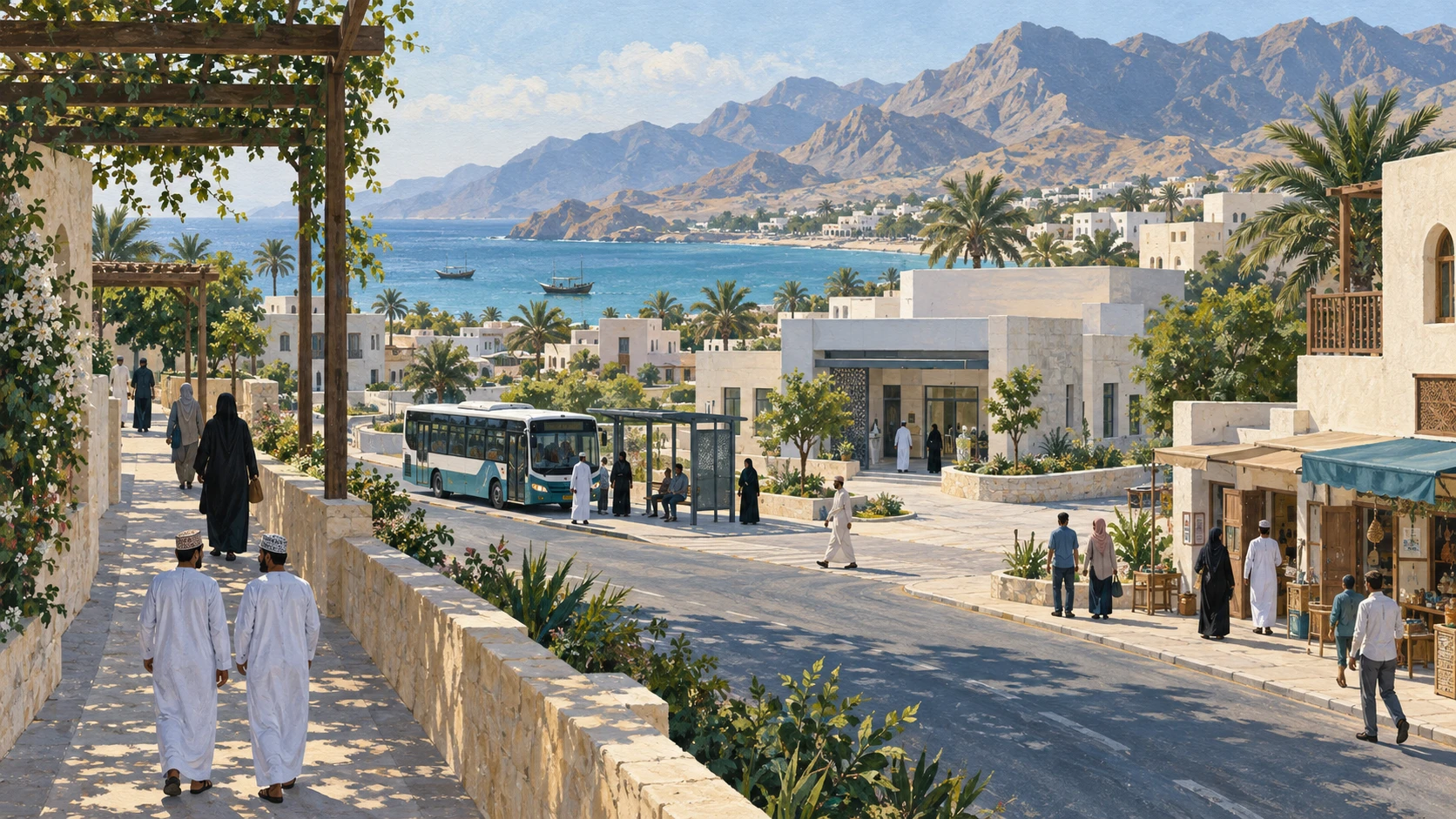
A shorter plan inside a longer one
Oman Vision 2040 guides the country's economic and social plans for 2021 to 2040. It covers how people live, how businesses work, and how the government uses resources. The vision has four main parts and twelve national priorities. Health and care for nature are among them.
Five-year development plans turn this broad direction into shorter periods of work. The plan for 2026 to 2030 is the second of these under Vision 2040. The government announced it in January 2026. It gives the next stage a timetable, with work programs followed by a review in 2030.
Three areas for growth
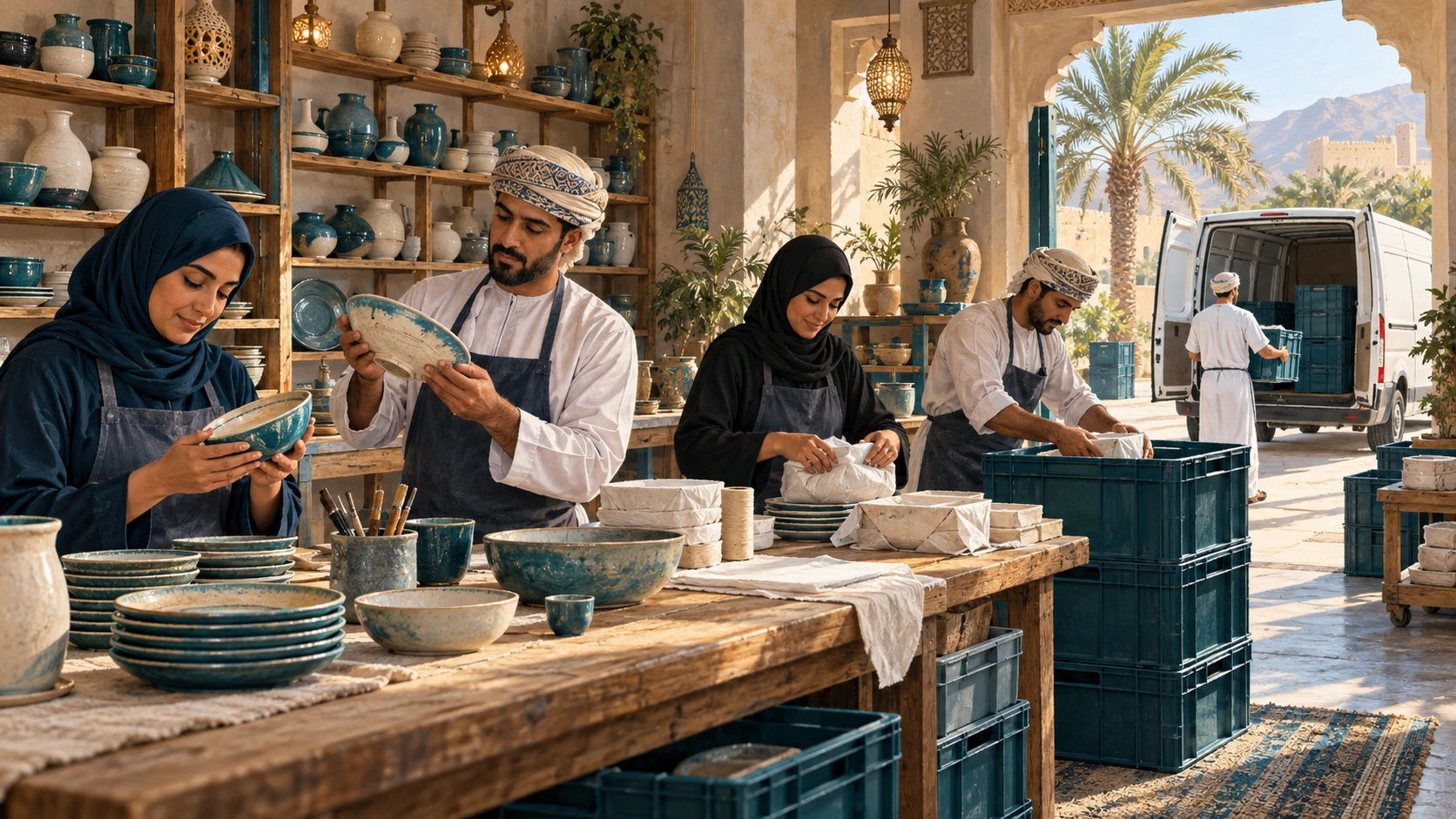
Manufacturing, tourism, and the digital economy are the three central sectors in the new plan. Manufacturing means making goods in factories. Tourism includes services for visitors. The digital economy includes business built around digital technology.
The government has set growth targets for these sectors. A growth target describes the result the government wants to reach. These targets describe intended growth, rather than completed results. Other sectors support this work. They include renewable energy and transport. Moving goods and supplying power are practical needs for companies that want to produce and sell more.
Small firms and larger customers
The vision gives private businesses a leading role in the economy. It supports connections between small companies and large ones. A small firm may supply goods or services to a larger customer. That connection can give the smaller business another place to sell its work.
Workers are part of this picture. The vision calls for a skilled workforce and jobs that reward good performance. New equipment alone cannot run a business. Companies need people who can use it and organize the work. This is why skills and employment appear together in the vision's economic priorities.
Development across the country
The vision includes development in Oman's governorates, the areas that make up the country. Its aims cover urban and rural places. Local communities are meant to have more responsibility for setting priorities. Transport, public services, and the use of land are part of this work.
A business is connected to the place around it. Goods need a route to customers, and workers need to reach their jobs. Better links can help an area take part in economic activity. The vision's regional aims connect those daily needs with the wider plan for business growth.
Resources and outside cooperation
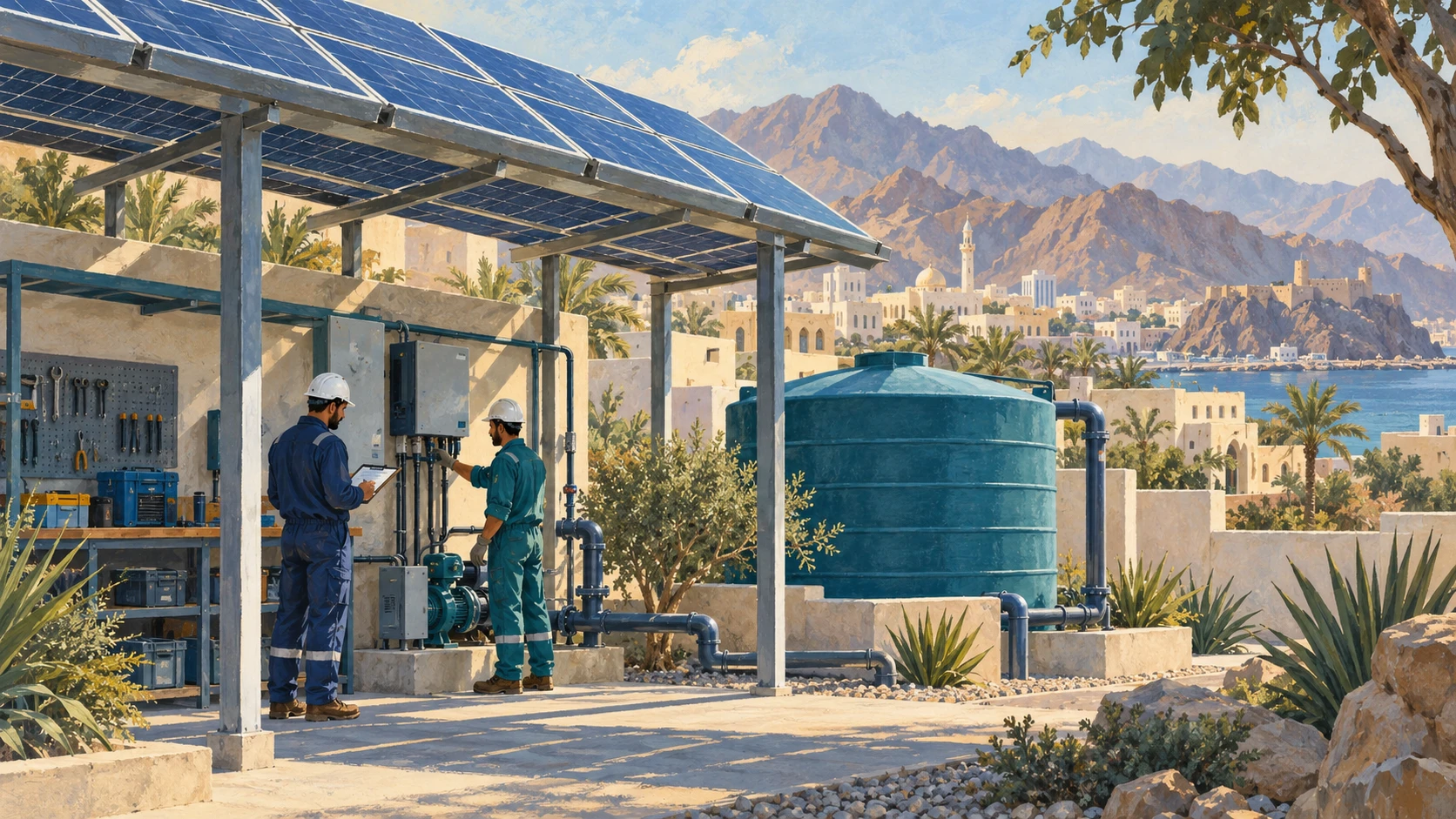
Growth also brings demands for energy and water. The World Bank described its work in Oman in October 2025. It includes renewable energy, water efficiency, and clean transport. Water efficiency means doing useful work with less wasted water. Renewable energy comes from sources that nature replaces.
The Bank also describes support for small businesses and changes to the business environment. These are areas of cooperation. An agreement to support a project does not show that the whole project is operating. The next steps still include doing the work and checking the results. Care with resources belongs inside those decisions.
Income that can last
Oil and gas remain important to Oman. In January 2026, the International Monetary Fund said lower oil prices could put pressure on the country's finances. Other kinds of business can add sources of income, although they also face costs and risks.
The new plan has a practical purpose. It seeks more economic activity, more work, and services that support daily life. Oman publishes reports on Vision 2040. Those reports can help show what has changed. Over time, the plan's value will depend on lasting benefits for people and businesses.