Biblioteca de escuta focada
Inglês para negócios (escuta)
Pratique as frases e phrasal verbs que tornam as conversas no ambiente de trabalho mais fáceis de seguir.

Get away with
A person may break a rule without punishment, or use one coat of paint when two would be better. In both cases, they may get away with it.
Começar a ouvir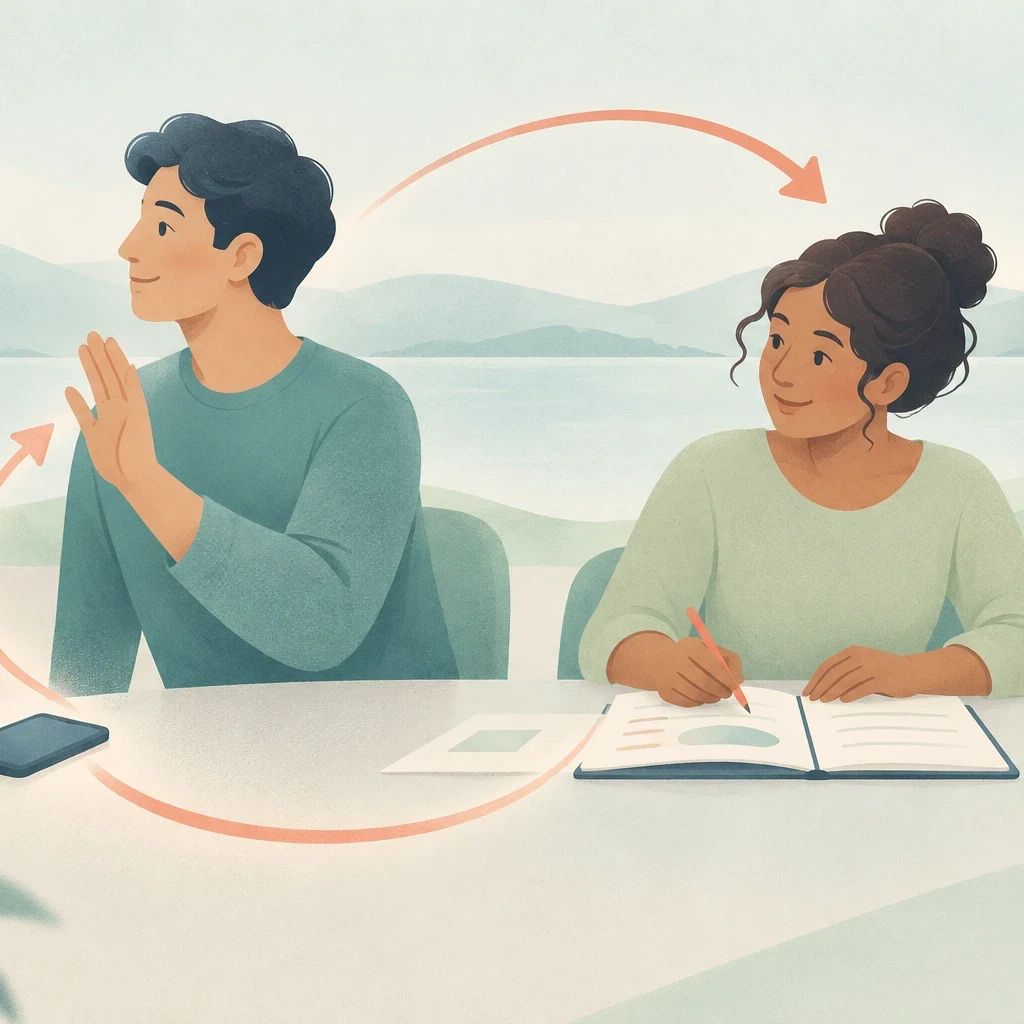
Get back to
If you cannot answer now, you can get back to a person later. When the interruption ends, you can get back to the task.
Começar a ouvir
Get by
When you have less money, equipment or language than you would like but still manage, you get by.
Começar a ouvir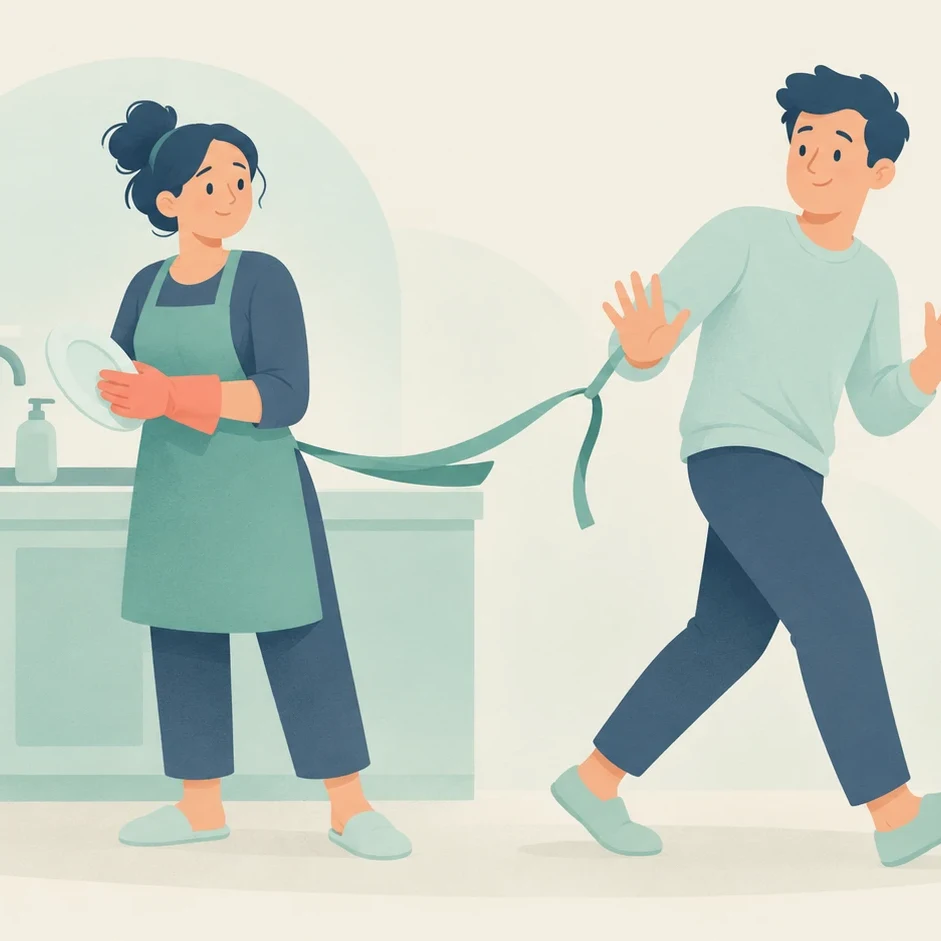
Get out of something
An excuse may help someone get out of a meeting, while a changed routine may help them get out of a bad habit.
Começar a ouvir
Get over
After an illness, disappointment or shock, feeling like yourself again can take time. That process is getting over it.
Começar a ouvir
Get round to
The task has stayed on your list for weeks. When you finally do it, you get round to it.
Começar a ouvir
Get together
Friends get together for lunch, while two people who get together may also be starting a relationship. Context prevents awkward misunderstandings.
Começar a ouvir
Give away
A shop can give away samples, while your smile can give away a secret. The same phrasal verb changes meaning with its object and situation.
Começar a ouvir
Go down
Prices can go down, a website can go down, and the sun goes down every evening. The subject tells you what kind of change happened.
Começar a ouvir
Go off
An alarm goes off when it starts making noise, but a light goes off when it stops working. The subject reverses what the same words seem to mean.
Começar a ouvir
Grow apart
Two people can still care about each other yet slowly share less of their lives. Grow apart names that gradual distance without blaming either person.
Começar a ouvir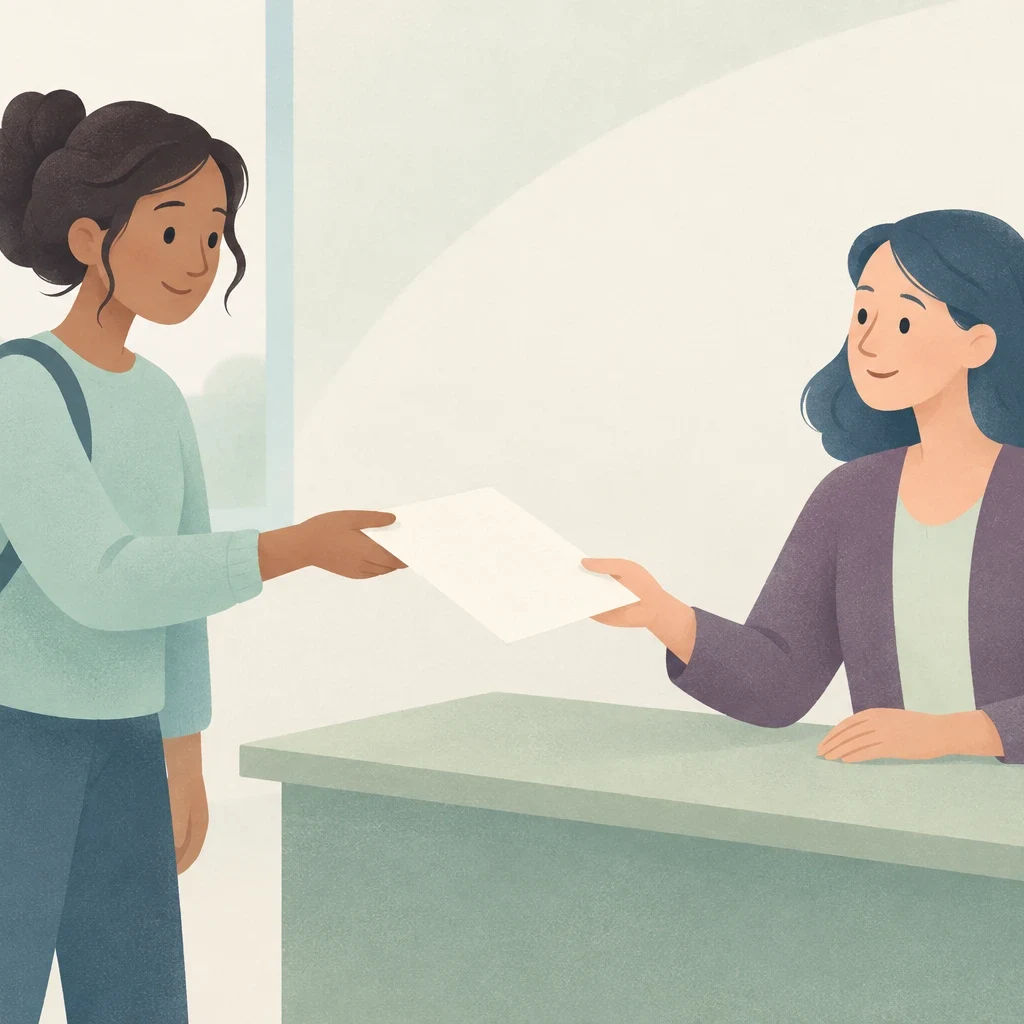
Hand in
Finishing an assignment is not the final step. You still have to hand it in so the responsible person officially receives it.
Começar a ouvir
Head back
You have enjoyed the walk, but it is getting dark. Saying we should head back signals that it is time to start returning, not that you are already home.
Começar a ouvir
Hold up
Traffic can hold you up, while a repair can hold up through bad weather. One use creates a delay; the other survives pressure.
Começar a ouvir
Keep it down
You need quiet, but saying be silent may sound too strong. Keep it down asks people to lower their noise rather than stop every sound.
Começar a ouvir
Keep out of
You can keep out of an argument by not joining it, or keep rain out of a bag by closing it. One is about involvement; the other is about entry.
Começar a ouvir
Keep up
A fast walker, changing technology, and a daily habit can all be difficult to keep up with. The common idea is avoiding falling behind or stopping.
Começar a ouvir
Leave out
A missing name, ingredient, or detail may be accidental, but a person who is left out can feel unwanted. Context shows whether the omission is practical or social.
Começar a ouvir
Let off
A teacher may let a student off with a warning, while people may let fireworks off at a celebration. The object tells you whether the topic is punishment or an explosion.
Começar a ouvir
Live up to
Excellent reviews create a picture in your mind before you arrive. The real experience lives up to them only if it is as good as that picture.
Começar a ouvir
Live with
Some problems cannot be removed immediately. Learning to live with one means accepting its presence and managing life around it, not enjoying it.
Começar a ouvir
Lock out
Leaving your keys inside can lock you out of your home. Too many wrong passwords can create the same problem online: you are outside the access boundary.
Começar a ouvir
Look forward to
Plans feel more motivating when you imagine enjoying them. Look forward to turns that positive anticipation into one useful phrase.
Começar a ouvir
Look into
When you cannot resolve a problem or answer a question immediately, saying 'I will look into it' is useful and honest. It promises investigation, not an instant solution.
Começar a ouvirO que você encontrará aqui
Como esta prática ajuda
Pratique expressões usadas quando as pessoas discutem trabalho, tomam decisões ou explicam um problema.
Escolha um tópico de trabalho, leia os exemplos e ouça os detalhes em uma frase completa.