집중 듣기 라이브러리
비즈니스 영어 듣기
직장 대화를 더 쉽게 따라갈 수 있도록 돕는 구문과 구동사를 연습해요.

Get away with
A person may break a rule without punishment, or use one coat of paint when two would be better. In both cases, they may get away with it.
듣기 시작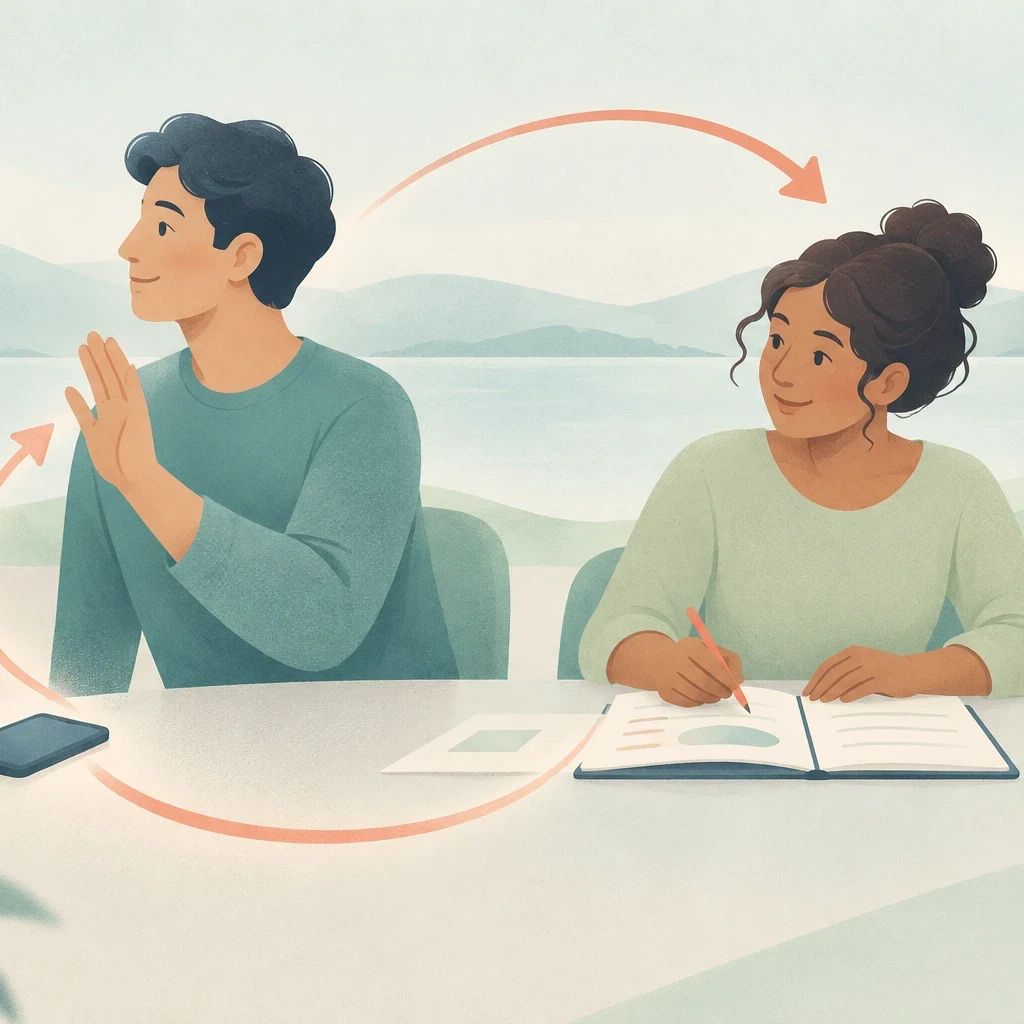
Get back to
If you cannot answer now, you can get back to a person later. When the interruption ends, you can get back to the task.
듣기 시작
Get by
When you have less money, equipment or language than you would like but still manage, you get by.
듣기 시작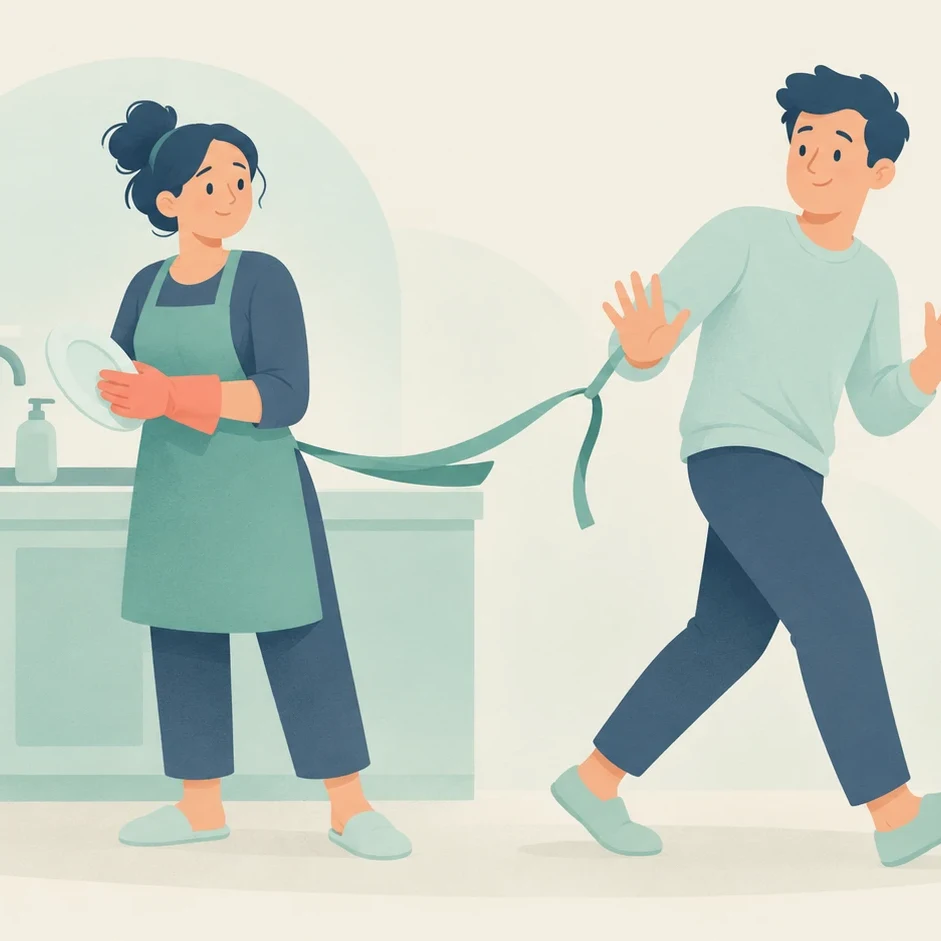
Get out of something
An excuse may help someone get out of a meeting, while a changed routine may help them get out of a bad habit.
듣기 시작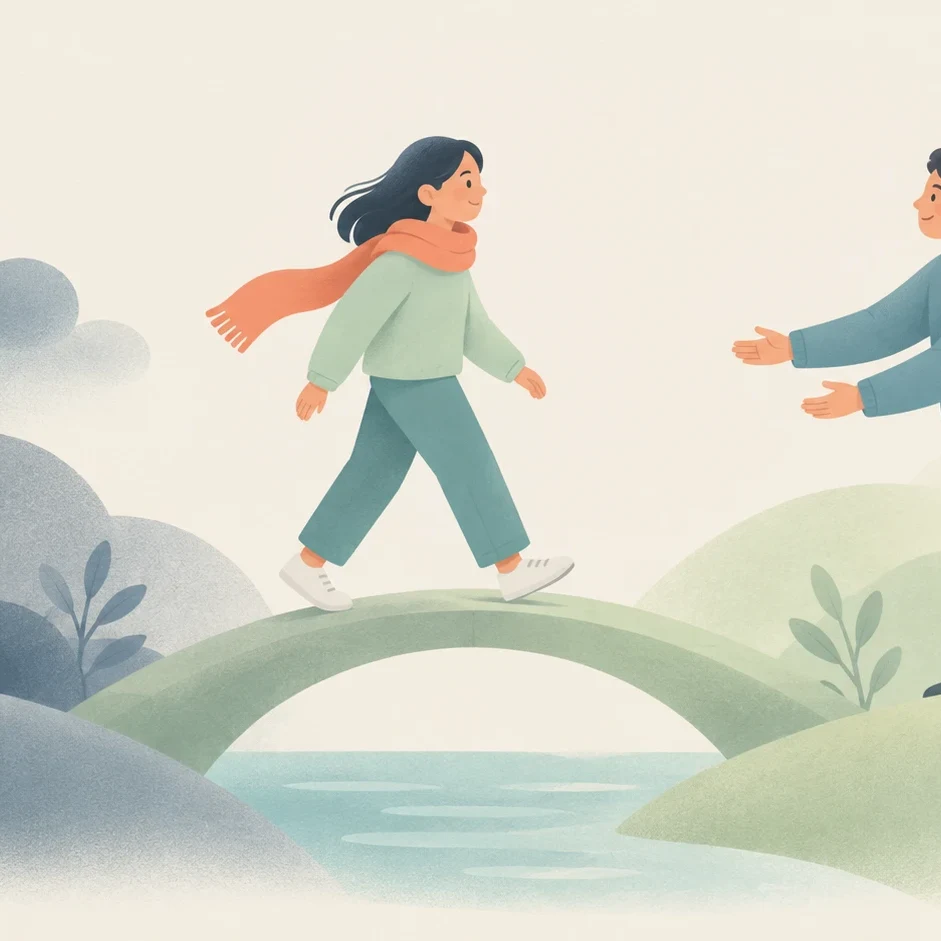
Get over
After an illness, disappointment or shock, feeling like yourself again can take time. That process is getting over it.
듣기 시작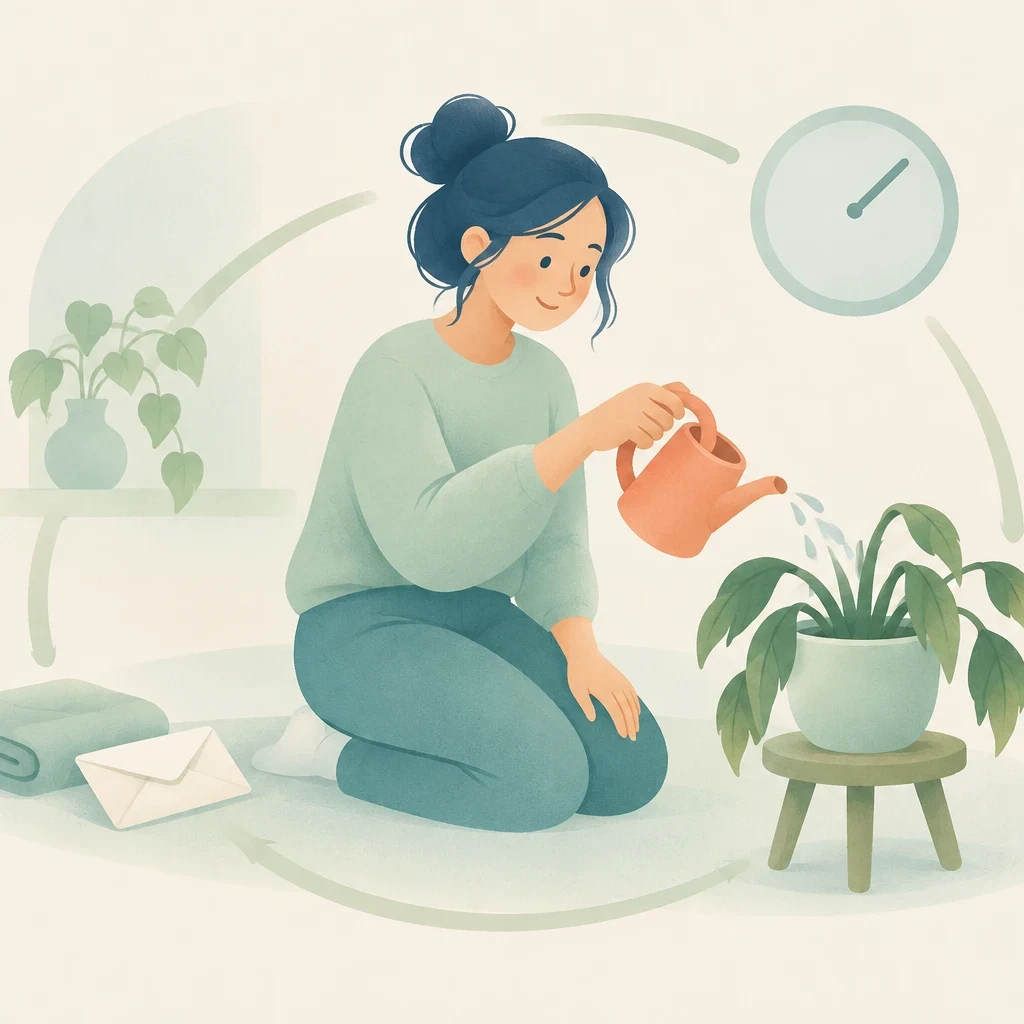
Get round to
The task has stayed on your list for weeks. When you finally do it, you get round to it.
듣기 시작
Get together
Friends get together for lunch, while two people who get together may also be starting a relationship. Context prevents awkward misunderstandings.
듣기 시작
Give away
A shop can give away samples, while your smile can give away a secret. The same phrasal verb changes meaning with its object and situation.
듣기 시작
Go down
Prices can go down, a website can go down, and the sun goes down every evening. The subject tells you what kind of change happened.
듣기 시작
Go off
An alarm goes off when it starts making noise, but a light goes off when it stops working. The subject reverses what the same words seem to mean.
듣기 시작
Grow apart
Two people can still care about each other yet slowly share less of their lives. Grow apart names that gradual distance without blaming either person.
듣기 시작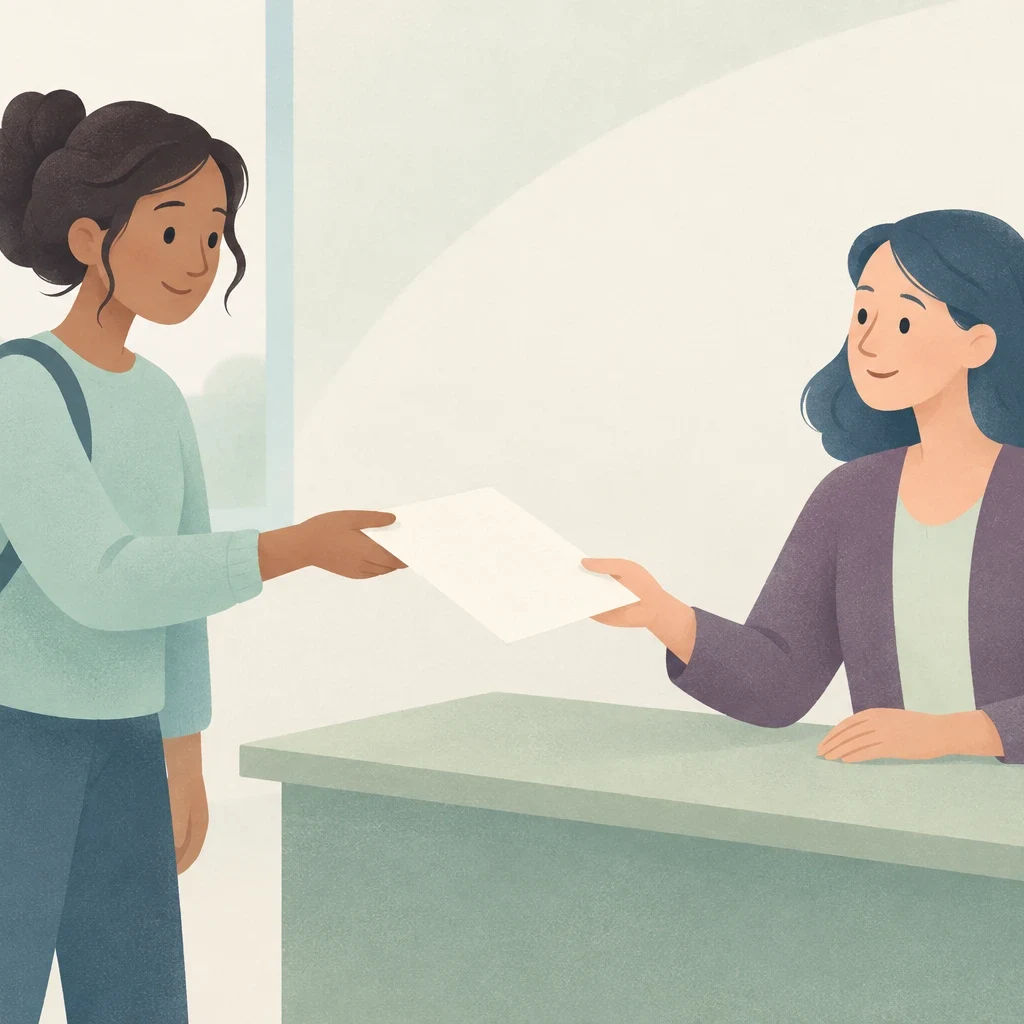
Hand in
Finishing an assignment is not the final step. You still have to hand it in so the responsible person officially receives it.
듣기 시작
Head back
You have enjoyed the walk, but it is getting dark. Saying we should head back signals that it is time to start returning, not that you are already home.
듣기 시작
Hold up
Traffic can hold you up, while a repair can hold up through bad weather. One use creates a delay; the other survives pressure.
듣기 시작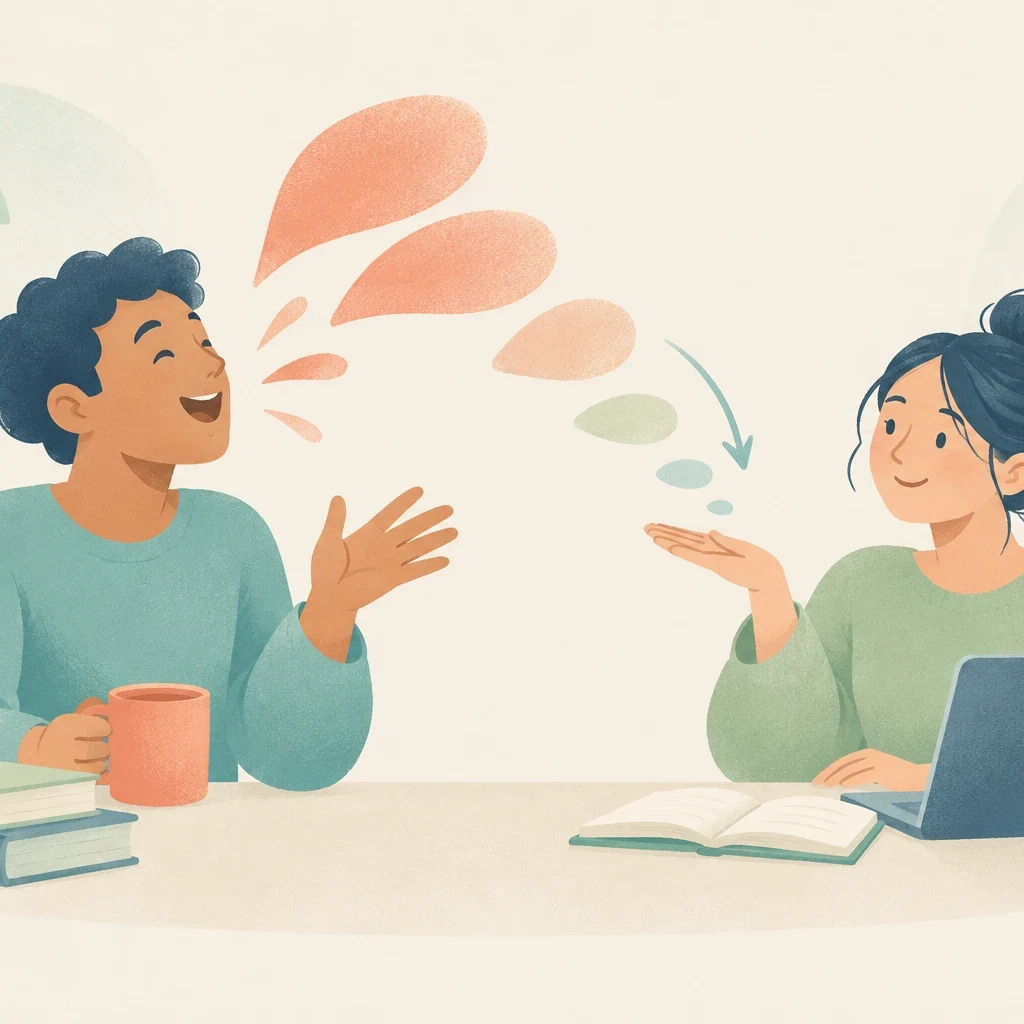
Keep it down
You need quiet, but saying be silent may sound too strong. Keep it down asks people to lower their noise rather than stop every sound.
듣기 시작
Keep out of
You can keep out of an argument by not joining it, or keep rain out of a bag by closing it. One is about involvement; the other is about entry.
듣기 시작
Keep up
A fast walker, changing technology, and a daily habit can all be difficult to keep up with. The common idea is avoiding falling behind or stopping.
듣기 시작
Leave out
A missing name, ingredient, or detail may be accidental, but a person who is left out can feel unwanted. Context shows whether the omission is practical or social.
듣기 시작
Let off
A teacher may let a student off with a warning, while people may let fireworks off at a celebration. The object tells you whether the topic is punishment or an explosion.
듣기 시작
Live up to
Excellent reviews create a picture in your mind before you arrive. The real experience lives up to them only if it is as good as that picture.
듣기 시작
Live with
Some problems cannot be removed immediately. Learning to live with one means accepting its presence and managing life around it, not enjoying it.
듣기 시작
Lock out
Leaving your keys inside can lock you out of your home. Too many wrong passwords can create the same problem online: you are outside the access boundary.
듣기 시작
Look forward to
Plans feel more motivating when you imagine enjoying them. Look forward to turns that positive anticipation into one useful phrase.
듣기 시작
Look into
When you cannot resolve a problem or answer a question immediately, saying 'I will look into it' is useful and honest. It promises investigation, not an instant solution.
듣기 시작여기서 무엇을 찾을 수 있나요
이 연습이 어떻게 도움이 되나요
업무를 논의하거나, 결정을 내리거나, 문제를 설명할 때 사용하는 표현을 연습해요.
직장 관련 주제를 선택하고, 예문을 읽은 뒤, 완전한 문장에서 세부 내용을 들어 보세요.