Repérer les nombres et les heures
Écoutez d’abord le nombre, puis les mots qui l’entourent. La personne parle-t-elle d’une heure, d’une quantité ou d’un ordre ?
Leçons 19 à 36 sur 48
-

Till or Until: Choose the Right Word
Till and until mark the end point of an unbroken action or situation. The activity continues through the preceding period and finishes when the named time or event arrives. In negative sentences, not until indicates that an action cannot begin prior to that moment.
-
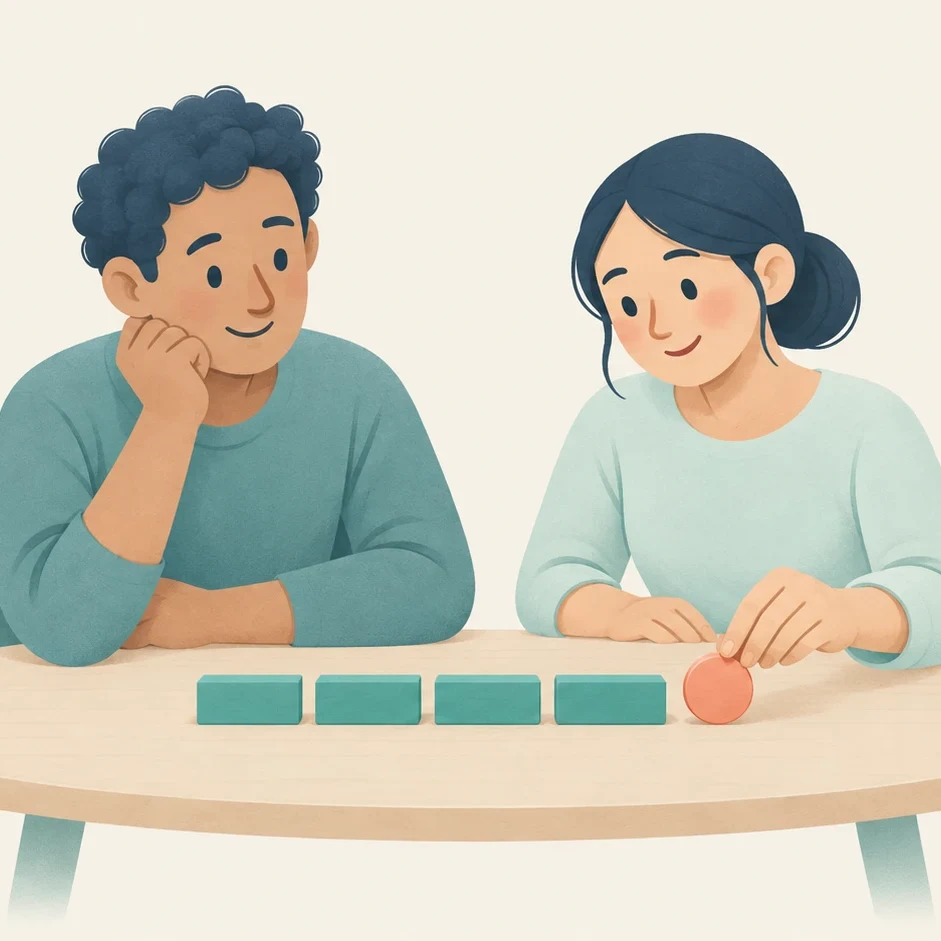
Full stops: when to use them
A full stop marks the completion of an informative statement or an ordinary instruction. It tells the reader that one complete thought has finished so they can understand each action before moving to the next sentence.
-

English Question Forms: How to Ask Clearly
An interrogative sentence asks a question. In English, questions do not rely on rising voice tone alone. Instead, grammar marks the question by putting an auxiliary verb, a modal verb, or a form of be in front of the subject. When you need specific details such as a place or a reason, an information word stands at the very beginning of that structure.
-

Practice speaking English: Ten simple steps
Speaking practice means producing audible English to express a thought, give instructions, or answer a question. Listening and reading build comprehension, but speaking demands that you organize words, control grammar, and produce sounds in real time.
-

Has vs Had: Choosing the Right Form
As main verbs, has and had describe possession, experiences, relationships, or schedules. She has an apartment means she lives there now, whereas she had an apartment means she lived there in the past. As auxiliary verbs, has helps form the present perfect to link an earlier action to the current moment, while had forms the past perfect to place one past action before another.
-

Plural of moose: one animal or several
Moose refers to a very large member of the deer family native to northern forests. In standard English, the noun moose has the exact same spelling and pronunciation for a single animal and for multiple animals. The word belongs to a group of animal nouns, like sheep and deer, that do not add an -s in the plural. The form meese is not an accepted standard word, even though English learners sometimes invent it by analogy with goose and geese.
-
Abonnement
Accédez à toutes les leçons gratuitement pendant 7 jours
- 571 leçons avec dictées et tests d’écoute
- Trois accents : britannique, américain et australien
- De nouvelles leçons chaque jour et votre progression enregistrée
Aucune carte requise. Ensuite, à partir de $7.50 par mois si vous souhaitez continuer.
Commencer l’essai gratuit -

Adjectives of Number: Forms and Examples
Number words perform distinct communicative functions in English sentences. Cardinal numbers such as one, two, or forty specify an exact count of items. Ordinal numbers such as first, second, or twentieth identify an item's exact position within an ordered sequence. Indefinite words such as many, several, and some indicate approximate quantities without naming a precise figure. Distributive words such as each, every, either, and neither describe how members of a group are considered individually or in pairs. Traditional grammar terms all these words adjectives of number, while modern linguistics often describes them as numerals, determiners, or quantifiers.
-

Then or Than: Choose the Right Word
Use then to show sequence, a specific point in time, or a consequence following a condition. Use than to introduce the second element in a comparison of size, price, speed, quality, or amount.
-

Choose she and I or her and me
She and I names two people as the subject: the people doing an action or being described. Her and me names them as the object of a verb or after words such as to, with, and for. And joins the people; it does not decide which pronouns you need.
-

Present perfect progressive: how to use have been working
The present perfect progressive emphasizes the continuous nature, duration, or recent completion of an action that affects the present moment. Unlike simple forms that focus on finished products or counted quantities, this form focuses on the work itself and the time spent doing it.
-

Nighttime or Night-time? Listen, Choose and Write Clearly
Nighttime and night-time refer to the hours between sunset and sunrise. Choosing between the solid compound and the hyphenated form does not change what you are saying.
-
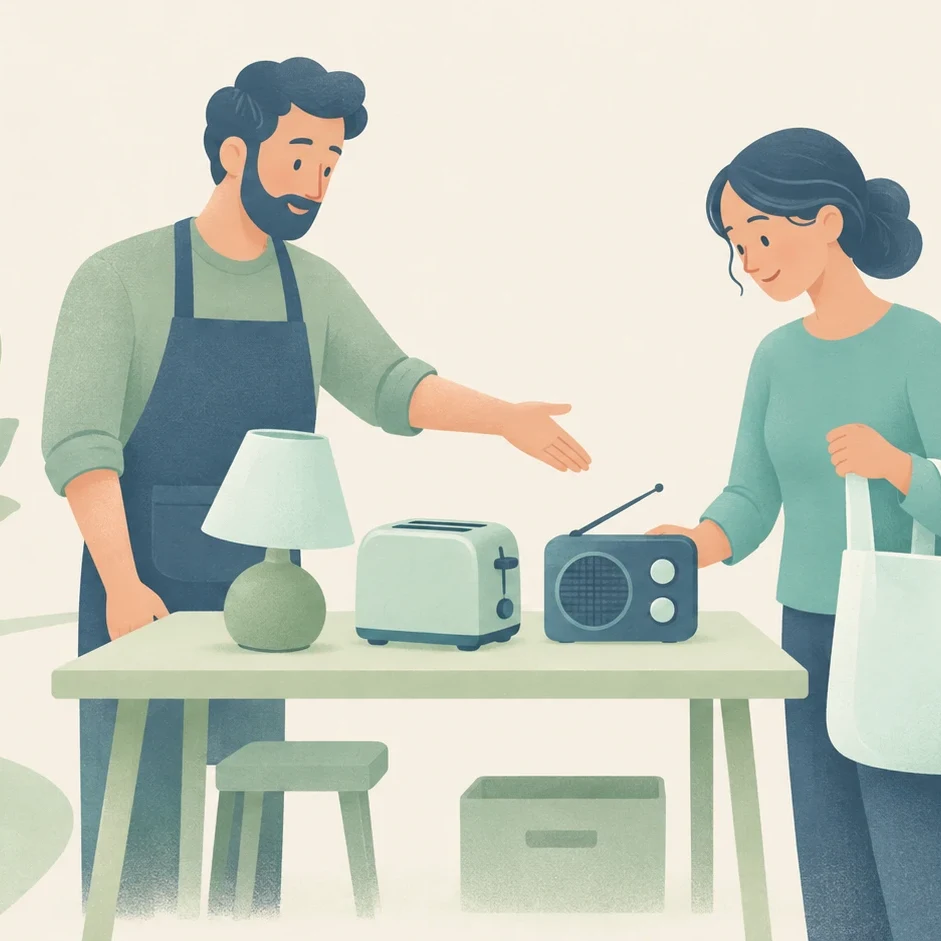
Up to or upto: Which Is Correct?
Up to serves several related communicative purposes. When followed by a number or quantity, it specifies a maximum limit: up to three items means three or fewer, never more than three. When followed by a time or event, it indicates an action continuing until that point, such as practicing up to the start of a performance. When followed by a location, it shows the physical boundary reached during travel. Finally, in the idiomatic expression it is up to someone, it indicates that a person has the responsibility or freedom to decide.
-
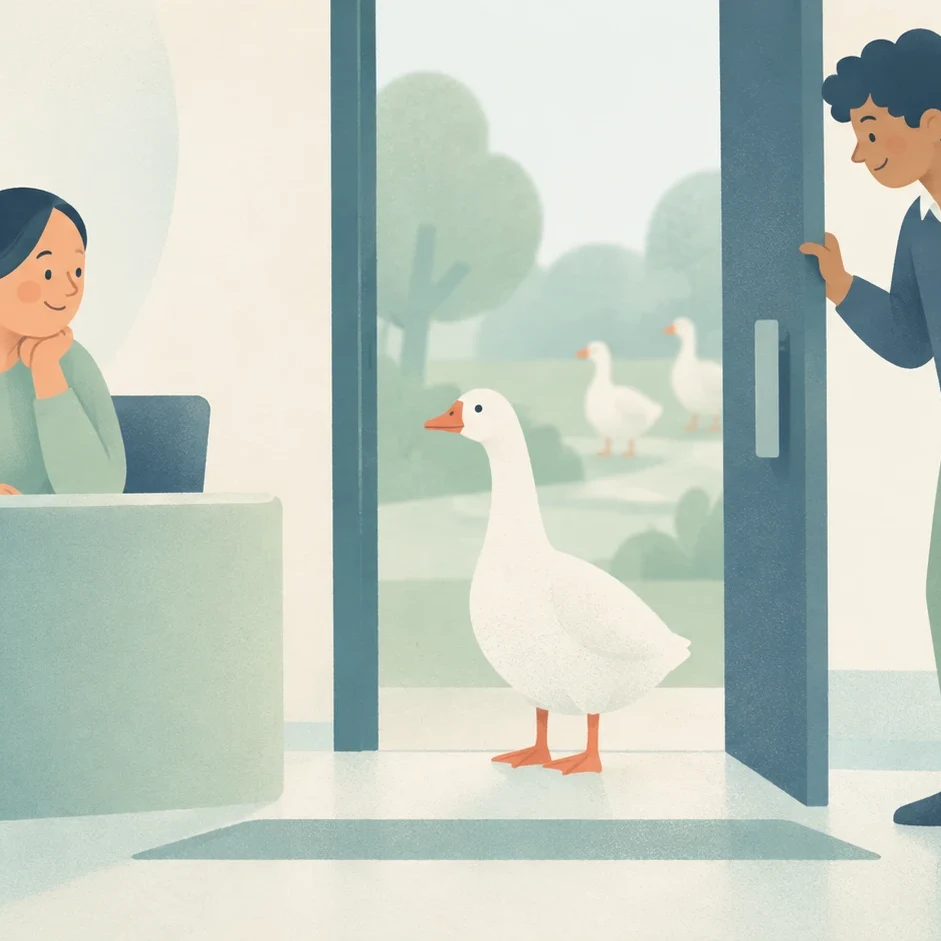
A Goose at the Office Door
Goose refers to a single bird. Geese refers to two or more of those birds. The standard plural form is geese. The form gooses is incorrect for the plural of the bird.
-

Go down
Go down expresses several distinct changes depending on its subject: an amount or level becomes smaller, a digital service stops functioning, the sun sets below the horizon, an idea receives a positive or negative reaction, or an event becomes remembered in history.
-
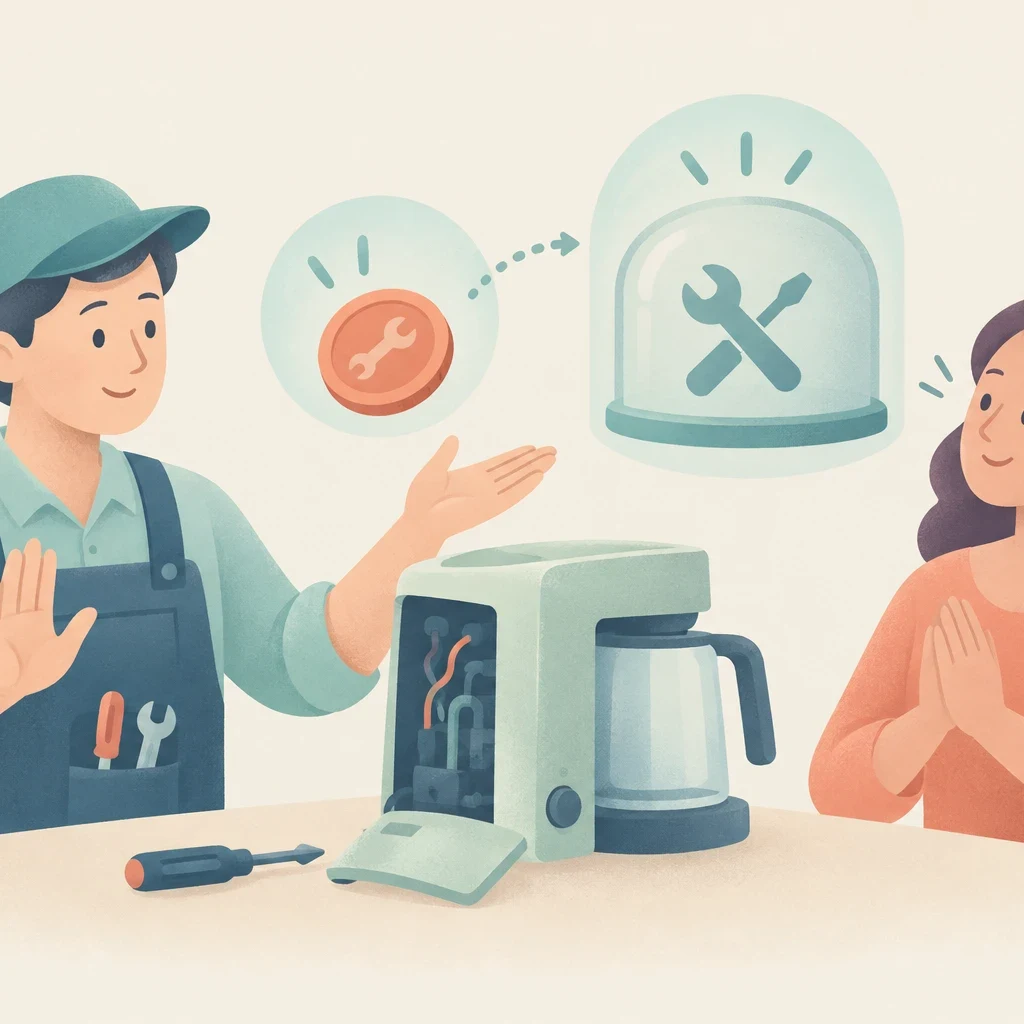
Repair inspection fee and quote
An inspection fee is a fixed payment for diagnostic labor, due whether or not you repair the device. An estimate with words like up to or no more than describes the highest expected price for parts and labor. The repair cannot begin until you give explicit verbal or written authorization.
-

Estimated energy bill
An estimated reading is a calculated guess based on past habits, whereas an actual reading is the exact number shown on your physical meter. When an actual reading replaces a high estimate, the energy company recalculates the charges, which can reduce the amount due or put the account in credit.
-
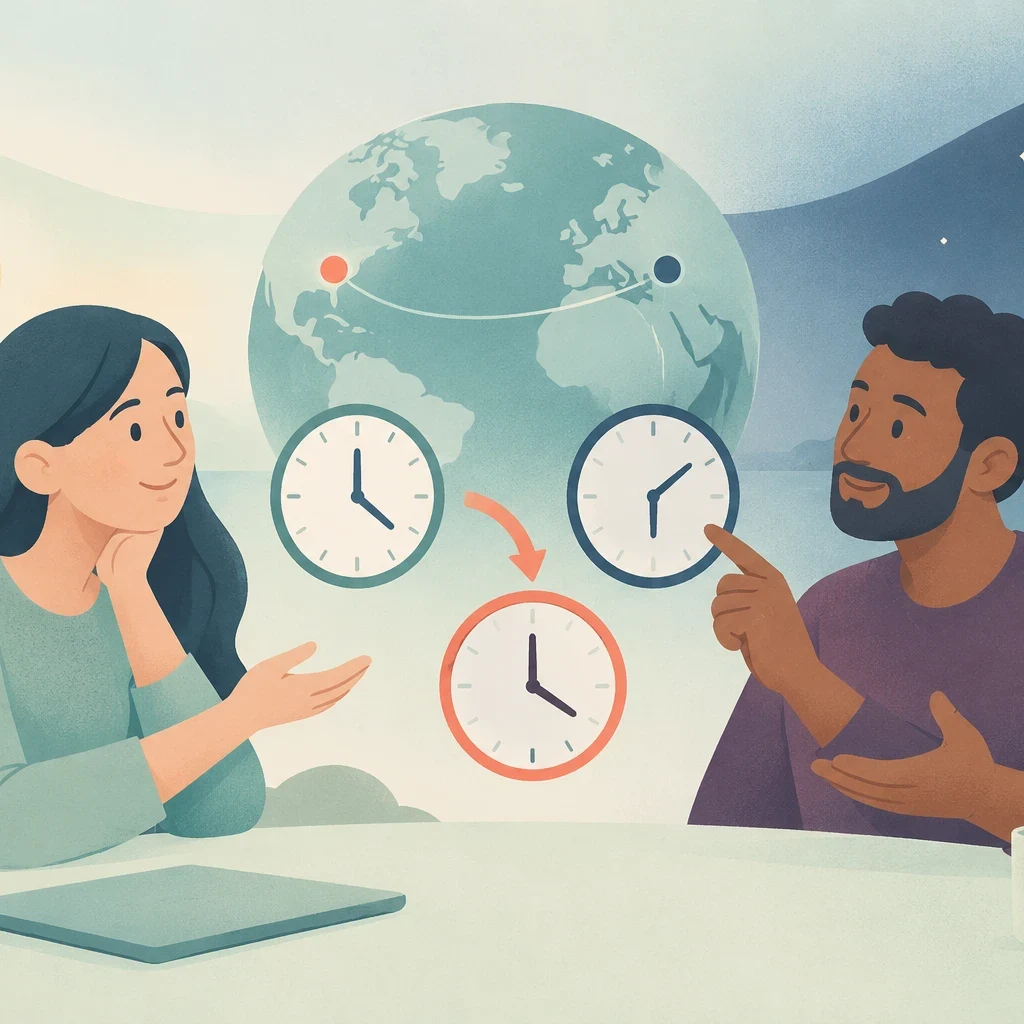
Meeting times across time zones
Pushing a meeting back moves it to a later hour. A single event takes place at three in the afternoon in London and nine in the morning in Chicago.
-

Flat viewing costs and dates
In property rental conversations, recurring rent pays for ongoing occupancy, included utilities require no extra billing, and a security deposit provides refundable protection against damage. Availability dates mark the earliest moment a tenancy can start.
Vous hésitez à commencer l’essai ? Recevez une leçon gratuite chaque jour
Une courte dictée par e-mail chaque jour pendant 7 jours. Entraînez-vous où vous êtes, sans compte.
Vous ne trouvez pas l’expression ou la situation à travailler ?
Les demandes de leçon sont comprises dans l’abonnement.
Voir les abonnements