听懂数字和时间
先听数字,再听前后的词。这里说的是时间、数量,还是顺序?
显示第19–36节,共51节课
-
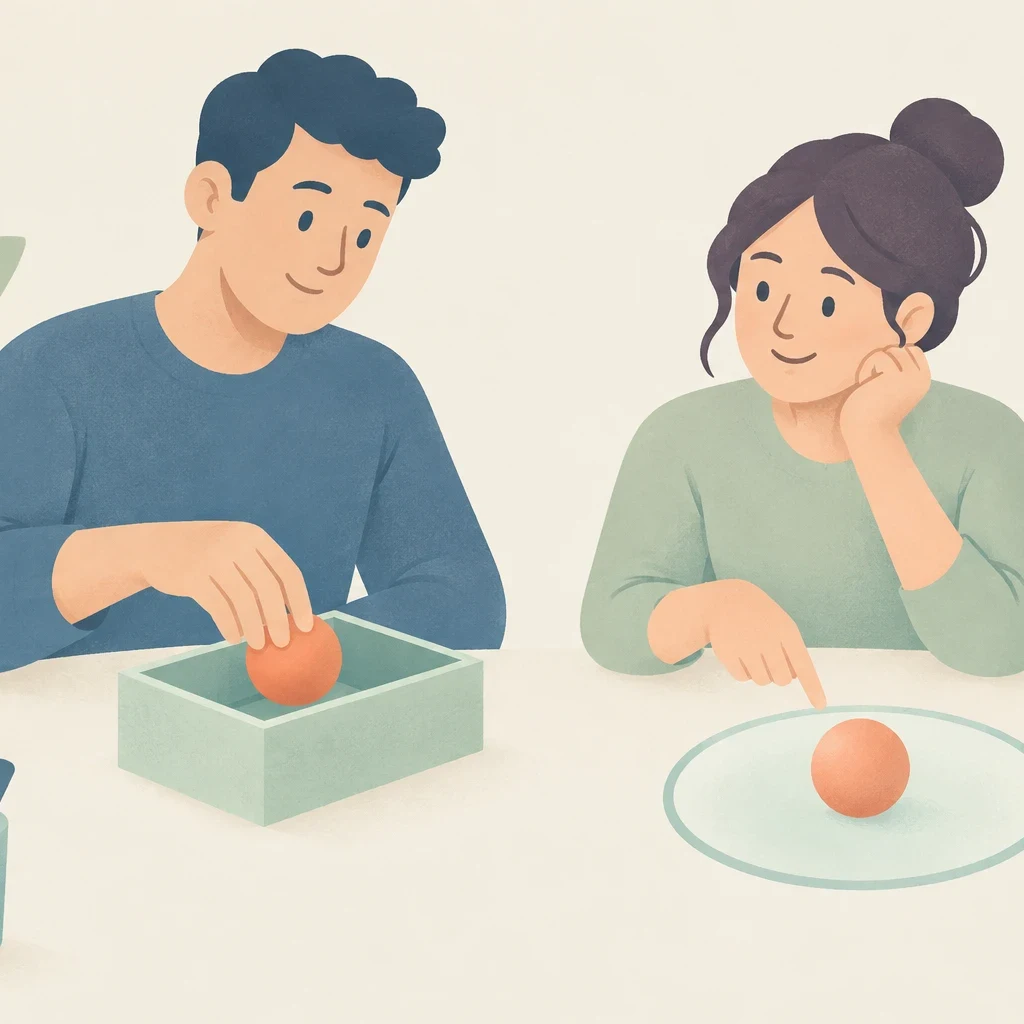
In or within: Choose the right word
The preposition in indicates location inside a place or marks a point after a period passes. The preposition within also means inside, but it explicitly emphasizes the boundaries enclosing a space, amount, distance, or period. In two hours means when two hours have passed. Within two hours means at any point before two hours expire.
-

One of the Examples Is: Choosing Verbs
One of the examples refers to a single member of a set of examples. In this pattern, use a plural count noun after one of the. The main statement concerns one member, so its verb is normally singular. This is a grammatical pattern, not a claim about whether selection from a one-item set is mathematically possible.
-

Since or For: Choosing Time Words
Since marks the beginning boundary of an unfinished period. It answers the question When did this begin? For measures the quantity or duration of time across that period. It answers the question How long has this continued?
-

Till or Until: Choose the Right Word
Till and until mean 'up to a particular time or event'. An activity or situation continues up to that point, but this does not mean every action happens without a break. In negative sentences, not until shows that something does not happen before the stated point.
-
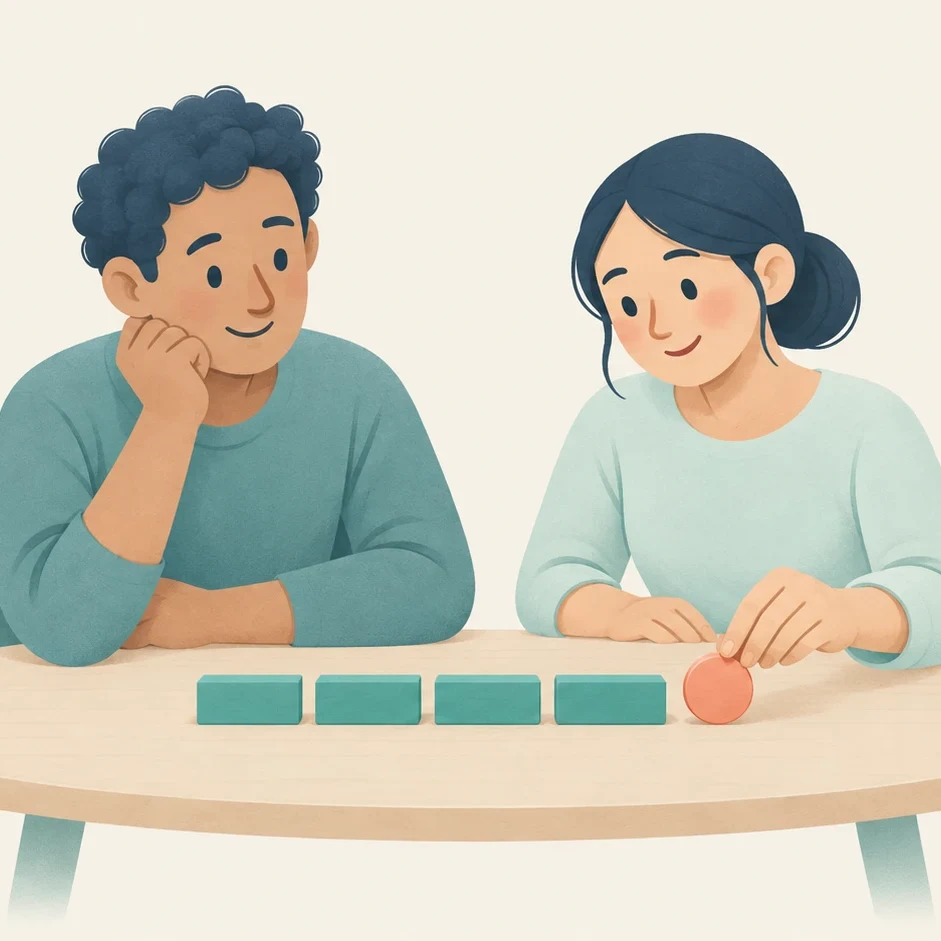
Full stops: when to use them
A full stop marks the completion of an informative statement or an ordinary instruction. It tells the reader that one complete thought has finished so they can understand each action before moving to the next sentence.
-

English Question Forms: How to Ask Clearly
Interrogative sentences ask questions. Many direct questions put a helper verb or a form of be before the subject. Subject questions use a different pattern, and a statement can also function as a question in conversation. Start by identifying what information you are asking for.
-
会员
全部课程免费学7天
- 592节课程,包含听写和听力测试
- 三种口音:英式、美式和澳式
- 每天有新课,并保存学习进度
无需绑卡。之后如想继续使用,每月$7.50起。
开始免费试用 -

Practice speaking English: Eight simple steps
Speaking practice means producing audible English to express a thought, give instructions, or answer a question. Listening and reading build comprehension, but speaking demands that you organize words, control grammar, and produce sounds in real time.
-

Has vs Had: Choosing the Right Form
As main verbs, has and had describe possession, experiences, relationships, or schedules. She has an apartment describes a present connection with the apartment; she had an apartment puts that connection in the past. Neither sentence alone proves that she lives or lived there. As helpers, has forms the present perfect and had forms the past perfect.
-

Plural of moose: one animal or several
Moose refers to a very large member of the deer family native to northern forests. In standard English, the noun moose has the exact same spelling and pronunciation for a single animal and for multiple animals. The word belongs to a group of animal nouns, like sheep and deer, that do not add an -s in the plural. The form meese is not an accepted standard word, even though English learners sometimes invent it by analogy with goose and geese.
-

Adjectives of Number: Forms and Examples
Number words perform distinct communicative functions in English sentences. Cardinal numbers such as one, two, or forty specify an exact count of items. Ordinal numbers such as first, second, or twentieth identify an item's exact position within an ordered sequence. Indefinite words such as many, several, and some indicate approximate quantities without naming a precise figure. Distributive words such as each, every, either, and neither describe how members of a group are considered individually or in pairs. Traditional grammar terms all these words adjectives of number, while modern linguistics often describes them as numerals, determiners, or quantifiers.
-

Then or Than: Choose the Right Word
Use then to show sequence, a specific point in time, or a consequence following a condition. Use than to introduce the second element in a comparison of size, price, speed, quality, or amount.
-

Choose she and I or her and me
She and I names two people as the subject: the people doing an action or being described. Her and me names them as the object of a verb or after words such as to, with, and for. And joins the people; it does not decide which pronouns you need.
-

Present perfect progressive: how to use have been working
The present perfect progressive emphasizes the continuous nature, duration, or recent completion of an action that affects the present moment. Unlike simple forms that focus on finished products or counted quantities, this form focuses on the work itself and the time spent doing it.
-

Nighttime or Night-time? Listen, Choose and Write Clearly
Nighttime and night-time refer to the hours between sunset and sunrise. Choosing between the solid compound and the hyphenated form does not change what you are saying.
-
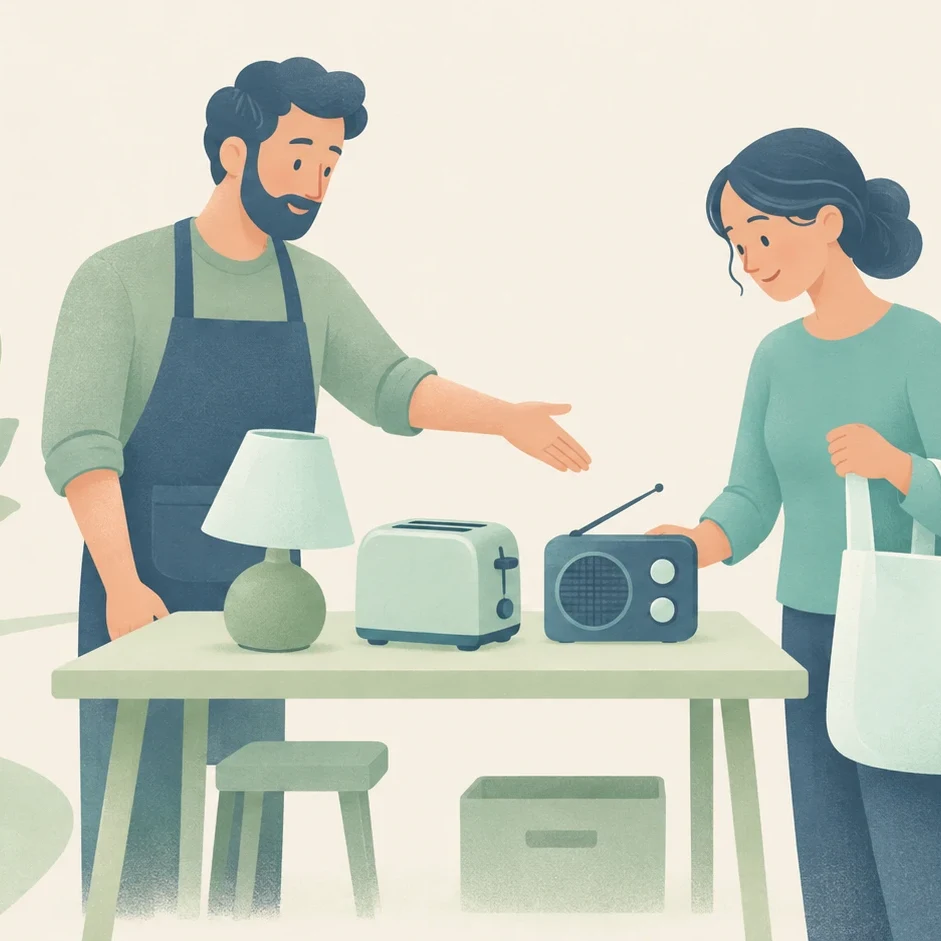
Up to or upto: Which Is Correct?
Up to serves several related communicative purposes. When followed by a number or quantity, it specifies a maximum limit: up to three items means three or fewer, never more than three. When followed by a time or event, it indicates an action continuing until that point, such as practicing up to the start of a performance. When followed by a location, it shows the physical boundary reached during travel. Finally, in the idiomatic expression it is up to someone, it indicates that a person has the responsibility or freedom to decide.
-
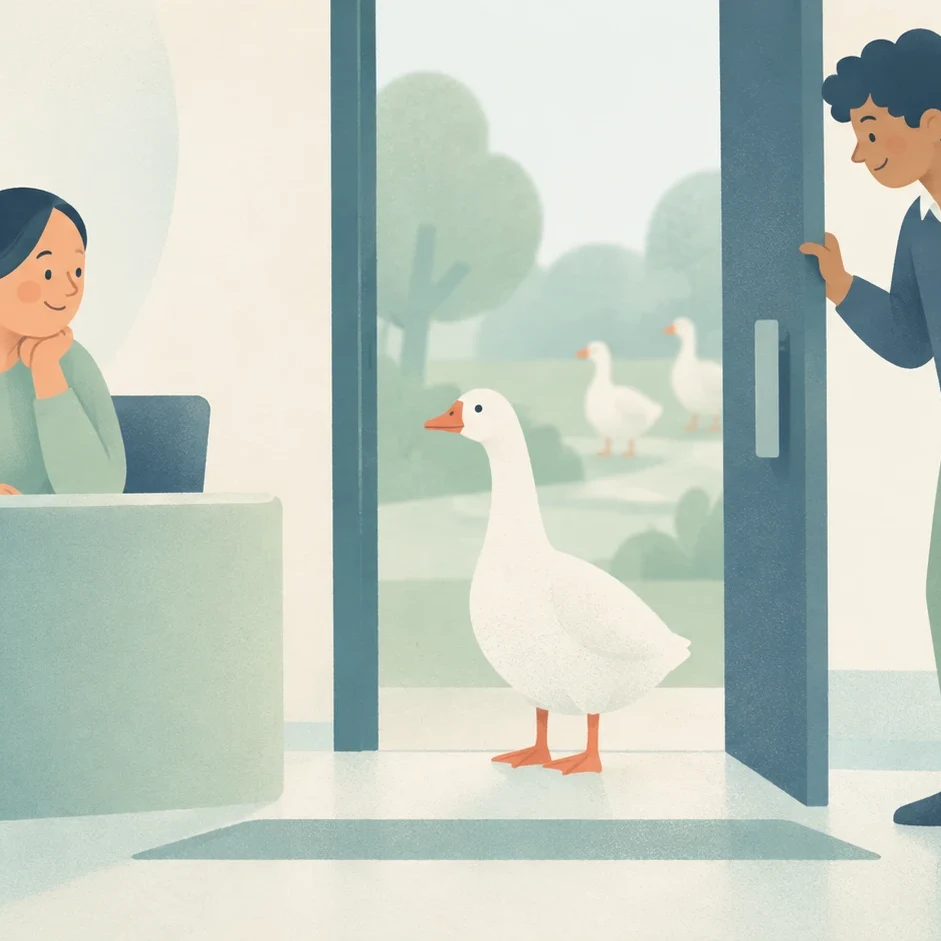
A Goose at the Office Door
Goose refers to a single bird. Geese refers to two or more of those birds. The standard plural form is geese. The form gooses is incorrect for the plural of the bird.
-

-
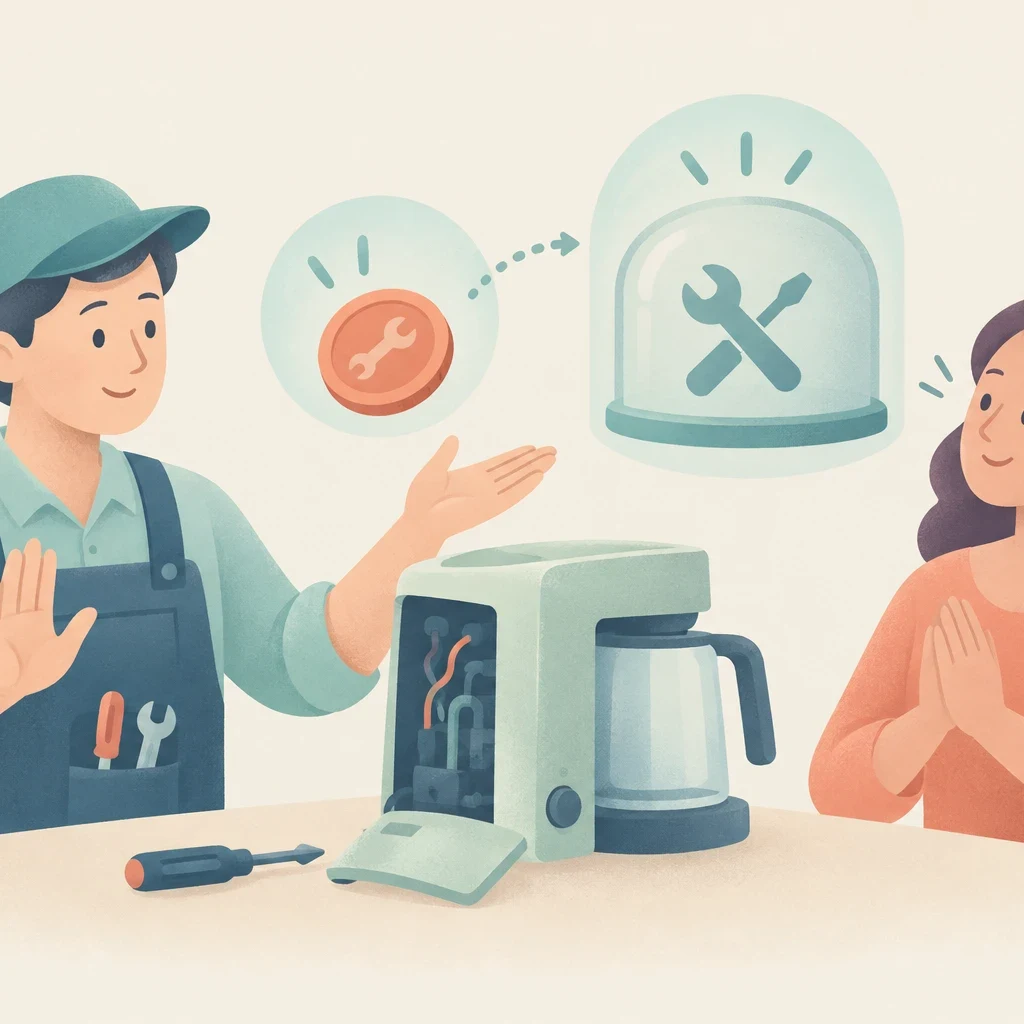
Repair inspection fee and quote
An inspection fee pays for checking the device. A repair estimate gives an expected cost. In this example, the inspection fee is thirty-five dollars and the repair estimate is up to one hundred dollars. Listen for what is included and when the customer is asked to decide.
还没想好是否试用?每天收一节免费课
连续7天,每天发一段短听写到邮箱。在哪里都能练,不用注册账户。
找不到想学的表达或场景?
定制课程是会员功能。
查看会员方案