Find your next lesson
Search a phrase, or describe what you need to say. New lessons arrive every day.
Showing 163–180 of 276 lessons
Clear filters-
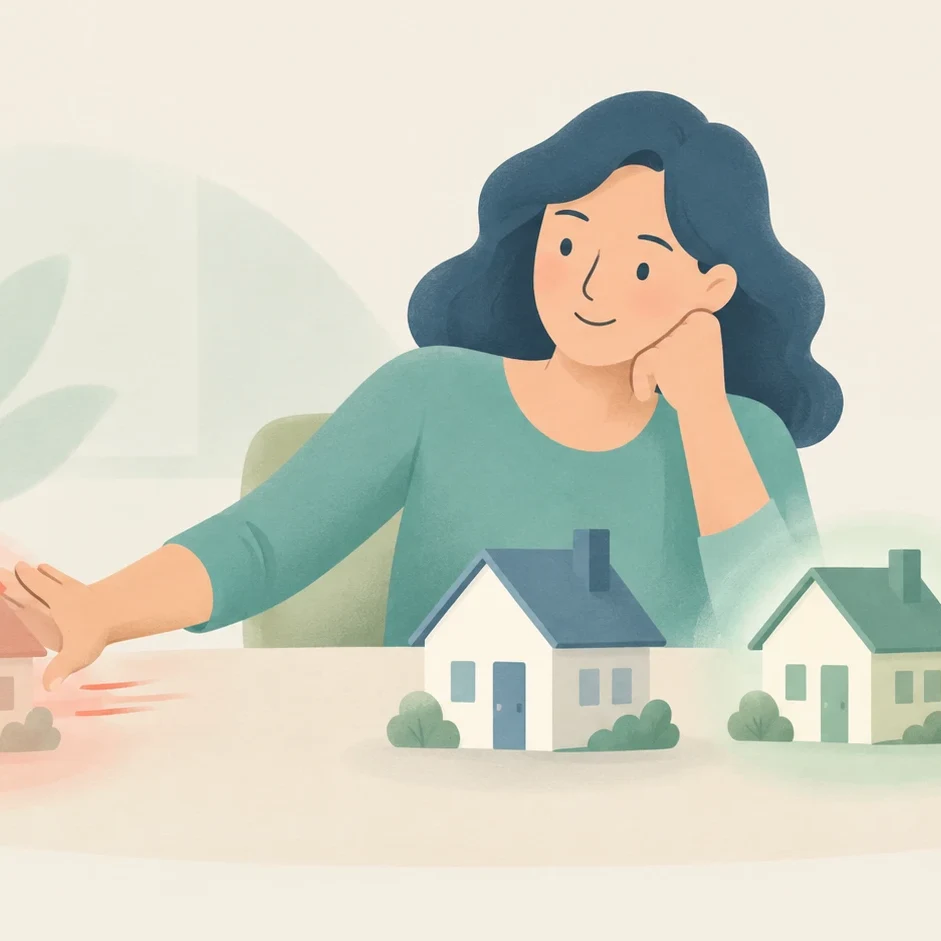
Rule out
To rule something or someone out means to decide or establish that an option, candidate, or explanation is impossible, unsuitable, or no longer under consideration. When an option is ruled out, it is removed from your list of choices. Conversely, saying you cannot rule out an idea means that it remains possible and has not been eliminated.
-
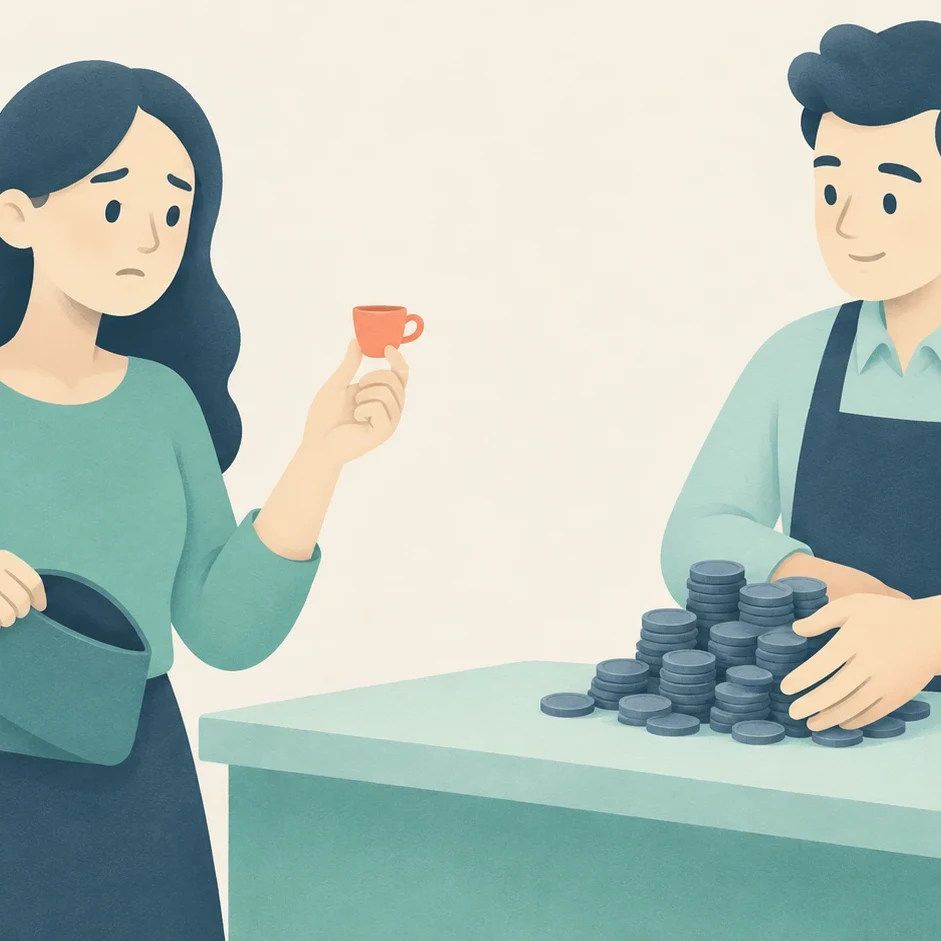
Rip off
Rip off as a verb means to cheat someone by charging an unfair amount, or to pull something away quickly and roughly. As a hyphenated noun, a rip-off describes an unfair deal or an overpriced item.
-

Put up with
Put up with means to continue accepting an unpleasant person, behaviour, or condition without trying to change or stop it. Using this phrase shows that you endure the irritation, but it never implies that you like or approve of the situation.
-
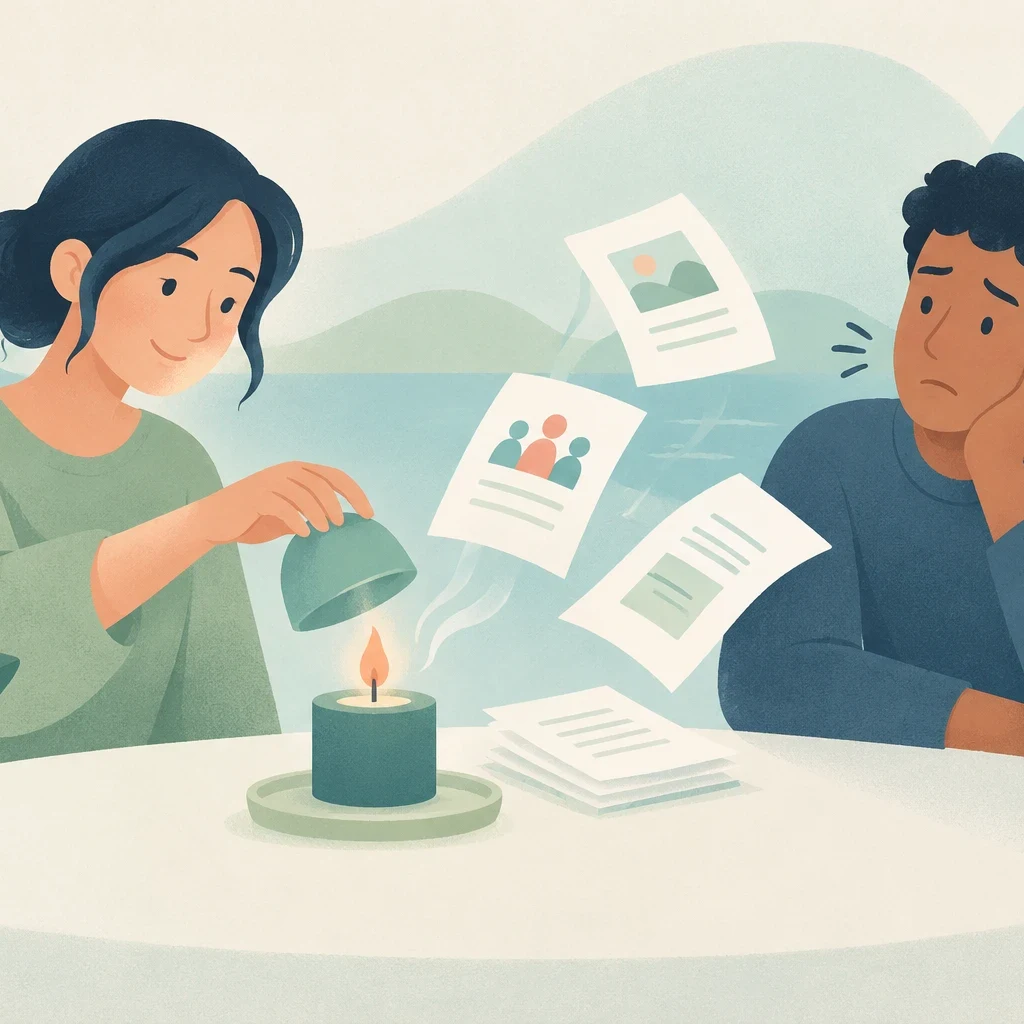
Put out
In everyday English, 'put out' primarily conveys three actions: stopping a fire or flame from burning, releasing an official announcement or statement to the public, or causing a person inconvenience and extra labor.
-

Put on
Put on commonly means to dress in an item of clothing, to activate a device, utility, or recording, or to organize and present a performance or event.
-
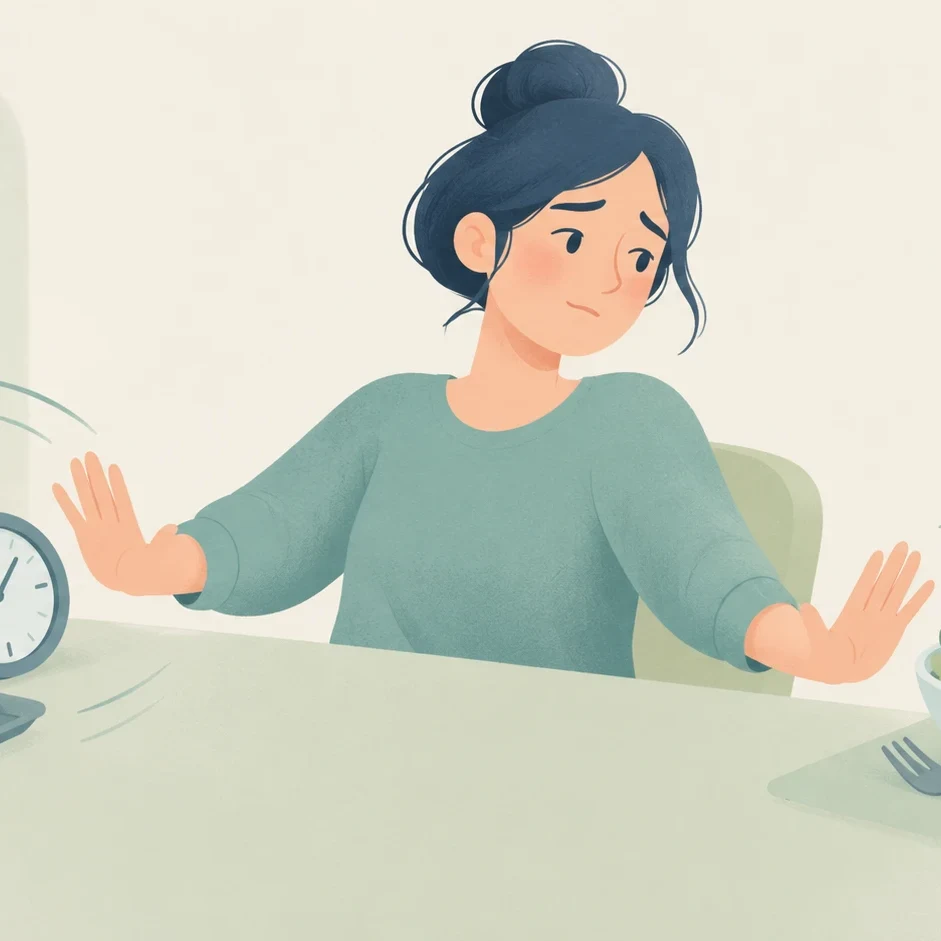
Put off
'Put off' primarily means to delay an action or event until a later time. It also means to cause someone to lose interest, enthusiasm, or appetite. In a secondary sense, it can mean to distract someone while they are trying to concentrate.
-
Membership
Open every lesson free for 7 days
- 451 lessons with dictation and listening tests
- Three accents: British, American and Australian
- New lessons every day, and your progress is saved
No card needed. Then from $7.50 a month if you want to keep going.
Start free trial -
Put behind
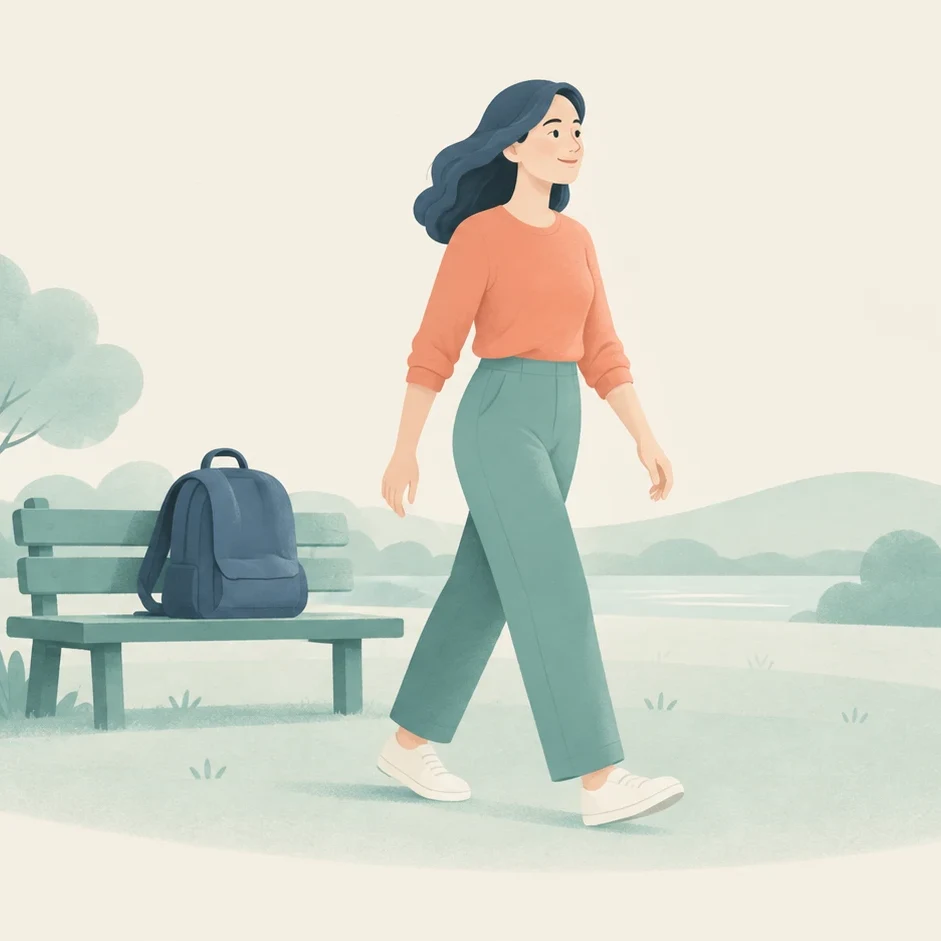
When you put a difficulty behind you, you accept that an unpleasant event occurred, and you choose to focus your energy on what comes next. The phrase describes gaining emotional distance, not pretending the event never happened.
-
Pull out
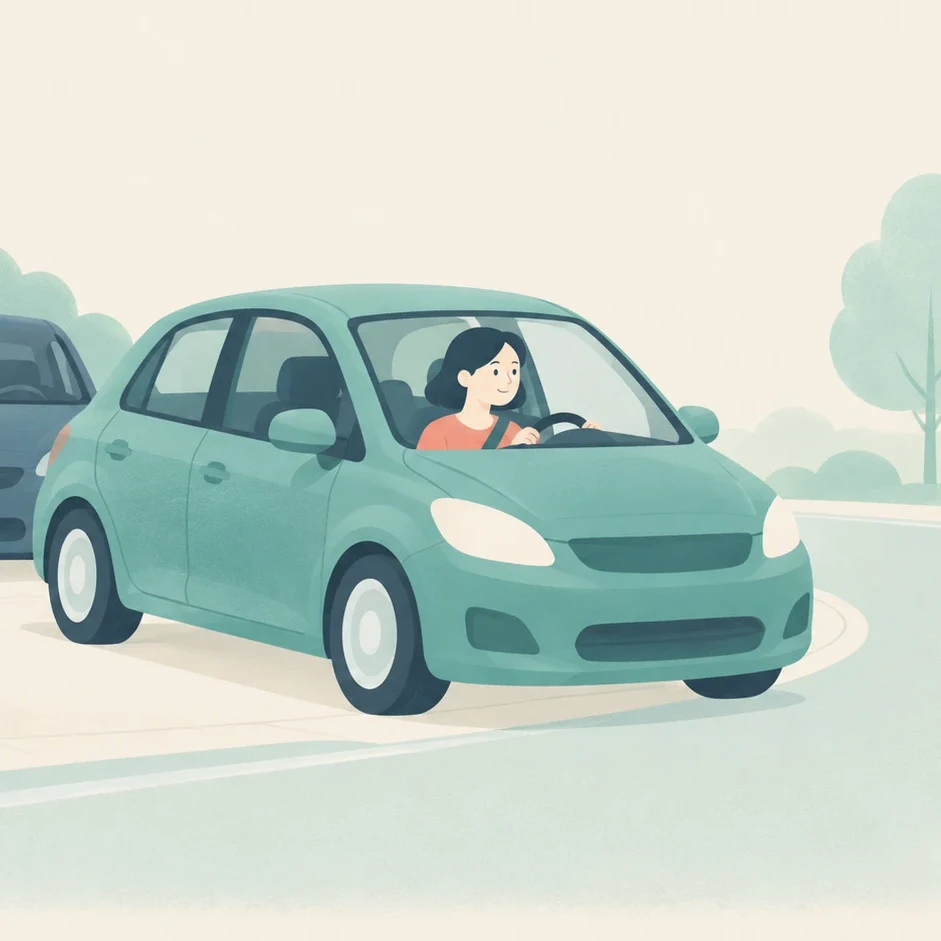
Pull out describes leaving an agreement or group project, removing a person or item from a situation, or moving a vehicle away from the curb into traffic.
-
Pick up
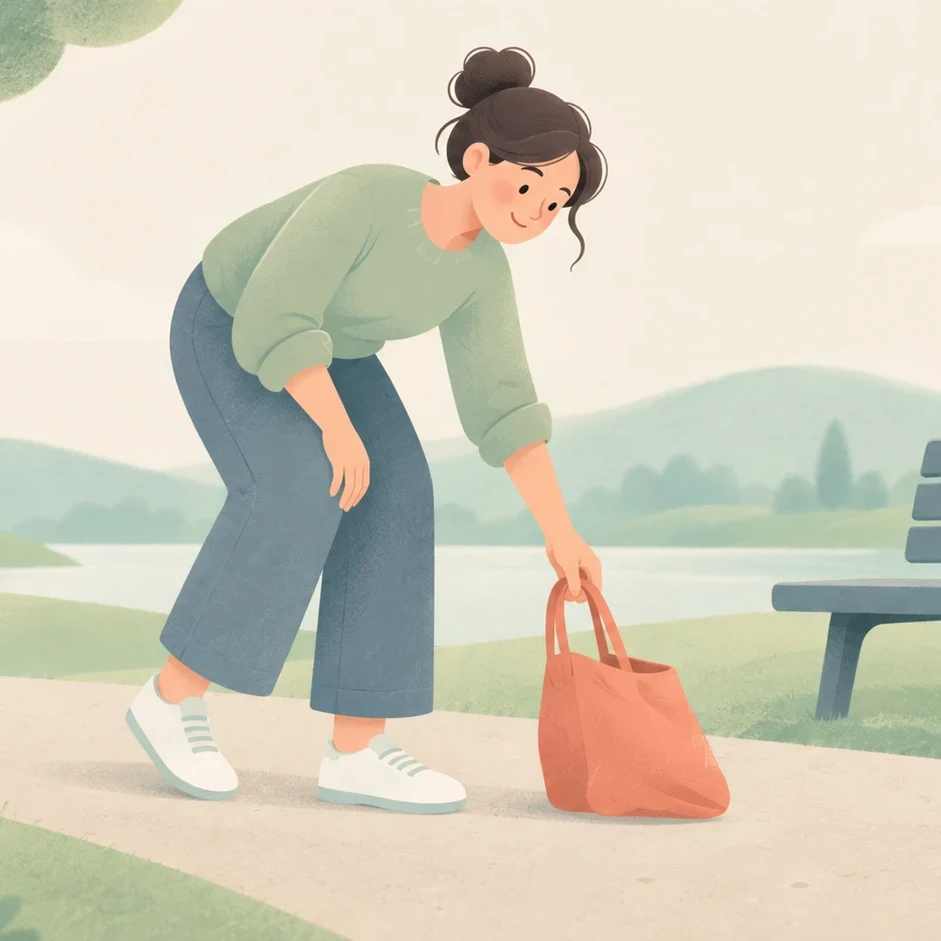
Pick up can mean collect or lift someone or something, learn through experience, become stronger or better, or continue something that stopped. The situation tells you which meaning fits.
-
Phase out
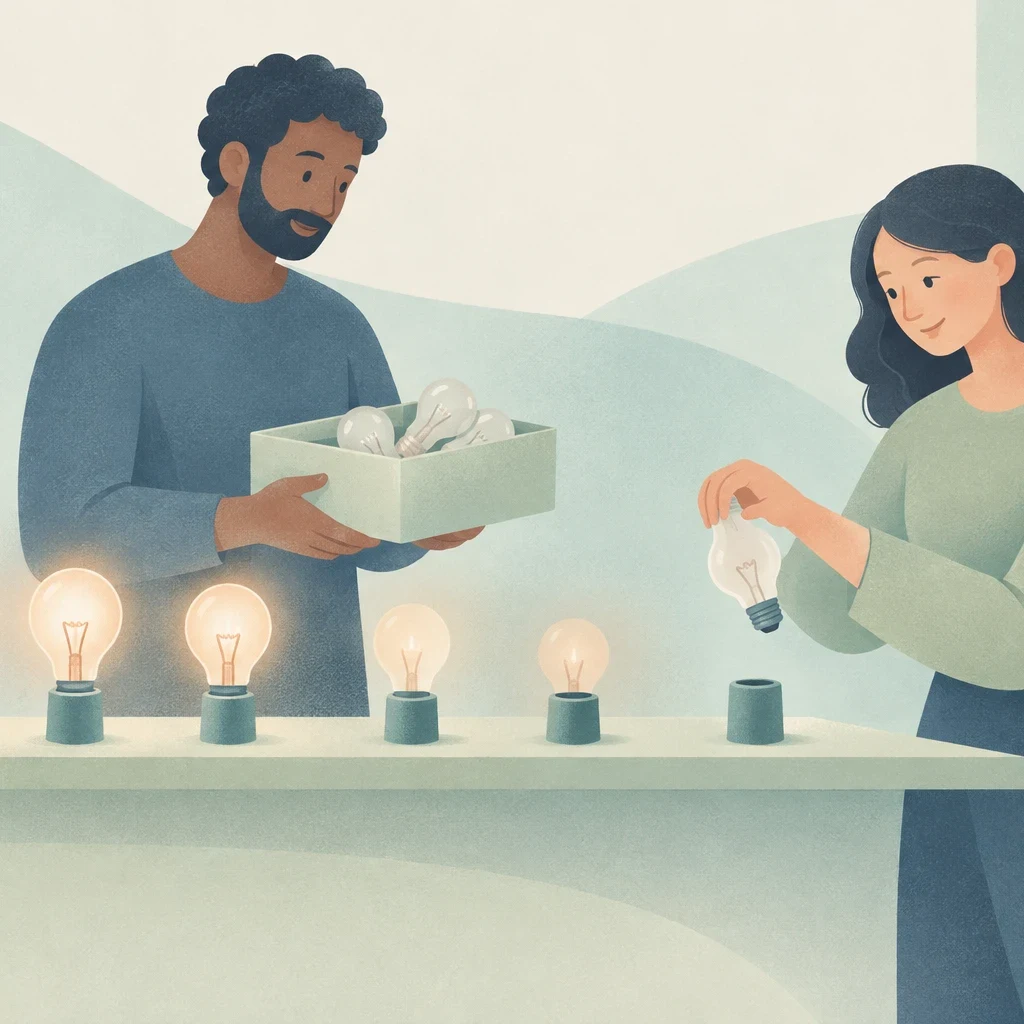
Phase out means to stop producing, using, or providing something gradually through planned stages until it is completely gone.
-

Pay off
Pay off has two primary definitions. Without an object, it means that an action, strategy, or period of effort yields positive results. With an object representing borrowed money, it means that you finish repaying a financial balance so that nothing further is owed.
-
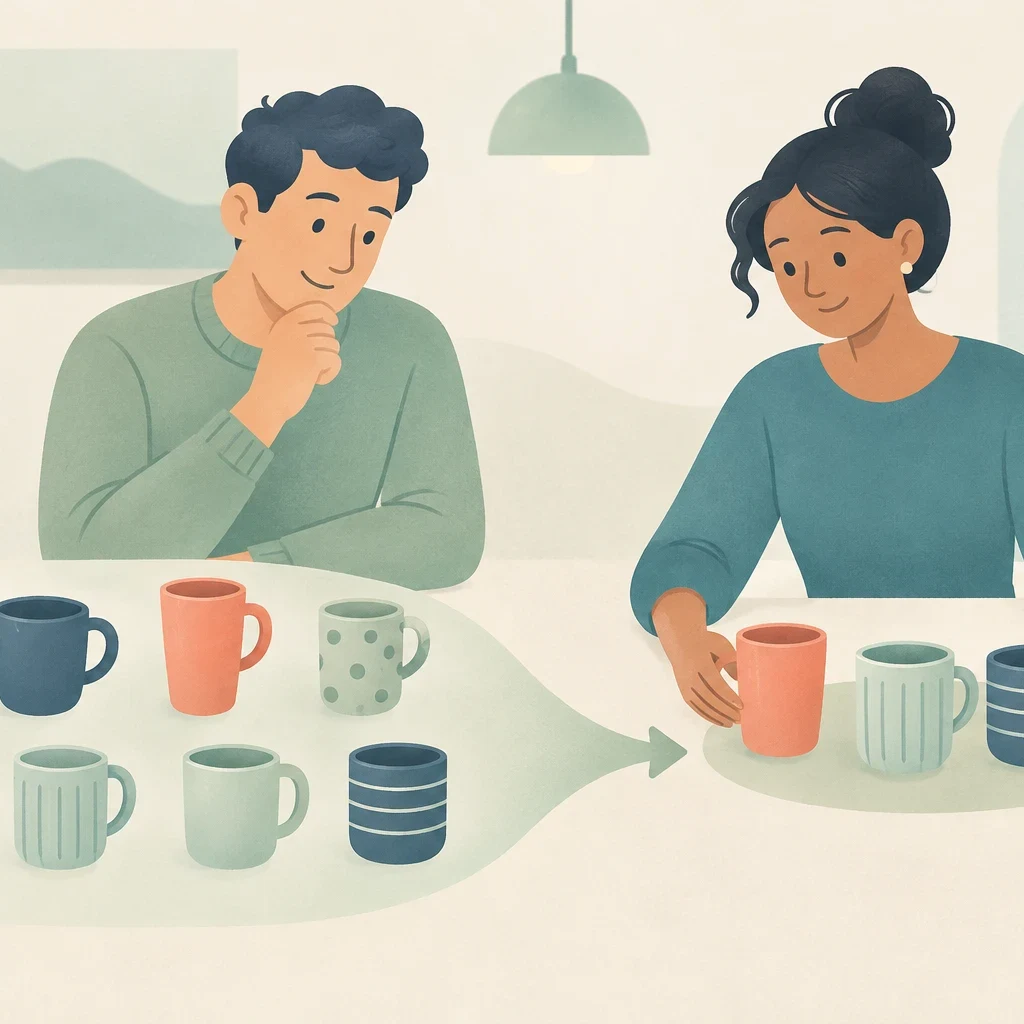
Narrow Down 3
Narrow down means to reduce the number or range of possibilities by removing options that are less suitable, practical, or likely. It applies to choices such as courses, hotels, and job candidates, as well as searches and possible causes.
-
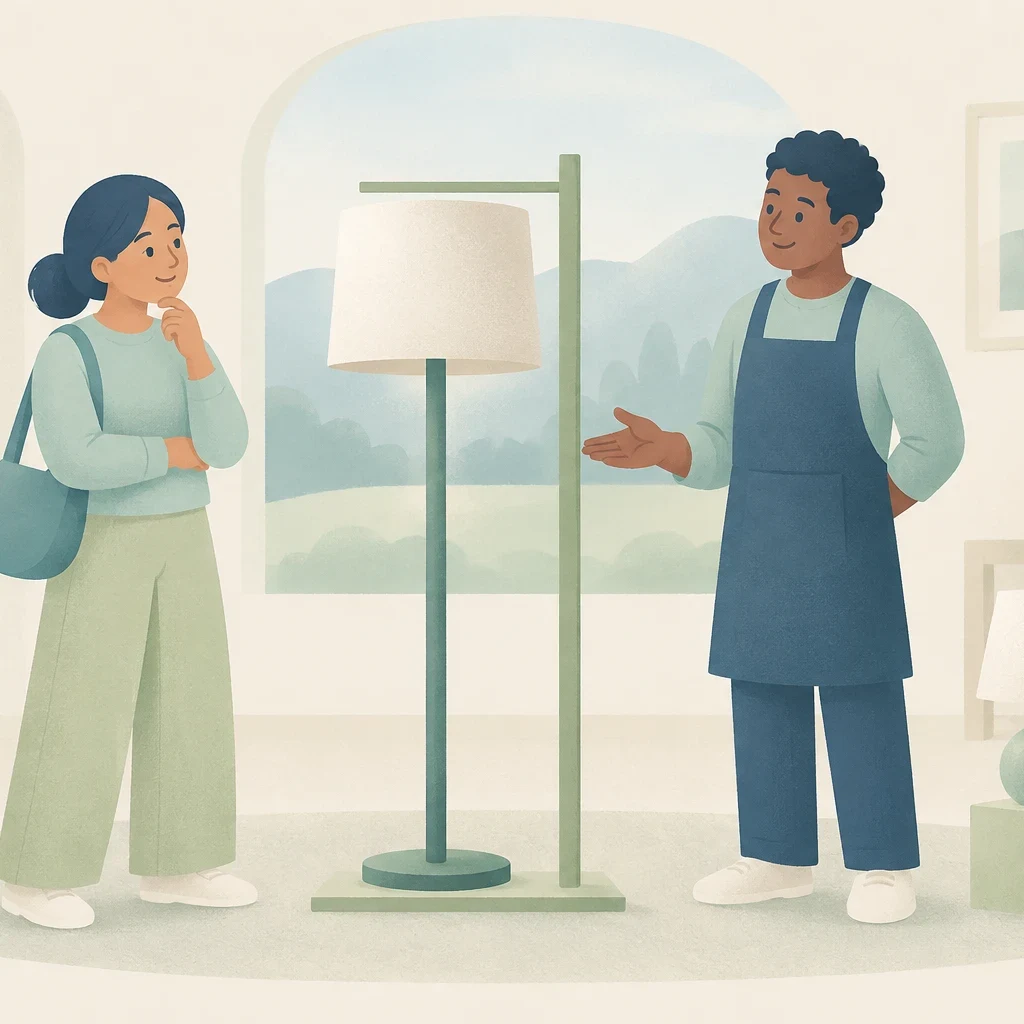
Measure up
Measure up means to reach a necessary level or standard. It shows that something or someone is good enough for a specific purpose, although it does not mean being perfect or better than everything else.
-
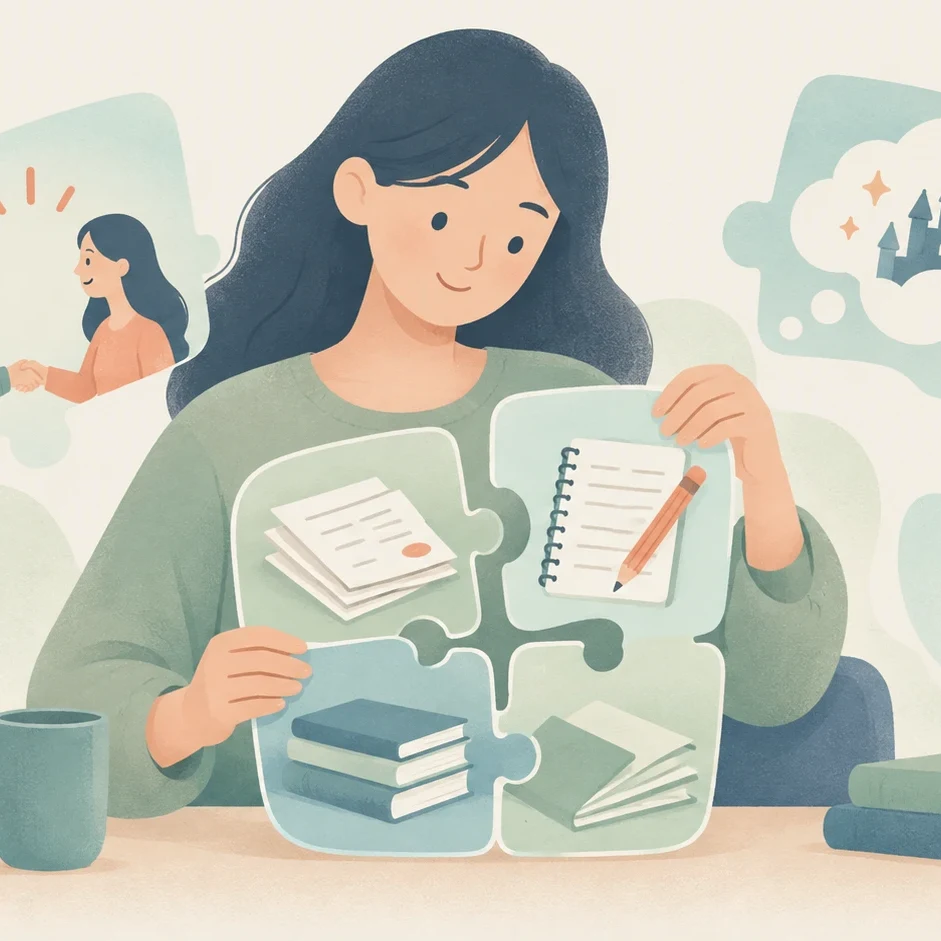
Make up
Make up means to invent an explanation or story, to become friendly again after an argument, to form a whole from smaller parts, or to complete missed work or time later.
-

Look up to
'Look up to' means to admire and respect someone. It describes holding high regard for a person's character, abilities, or values.
-

Look into
'Look into' means to investigate, examine, or check facts about a problem, situation, or possibility before deciding what to do.
-

Look forward to
Look forward to means to experience pleasure or excitement in the present while thinking about an expected future event or activity.
-
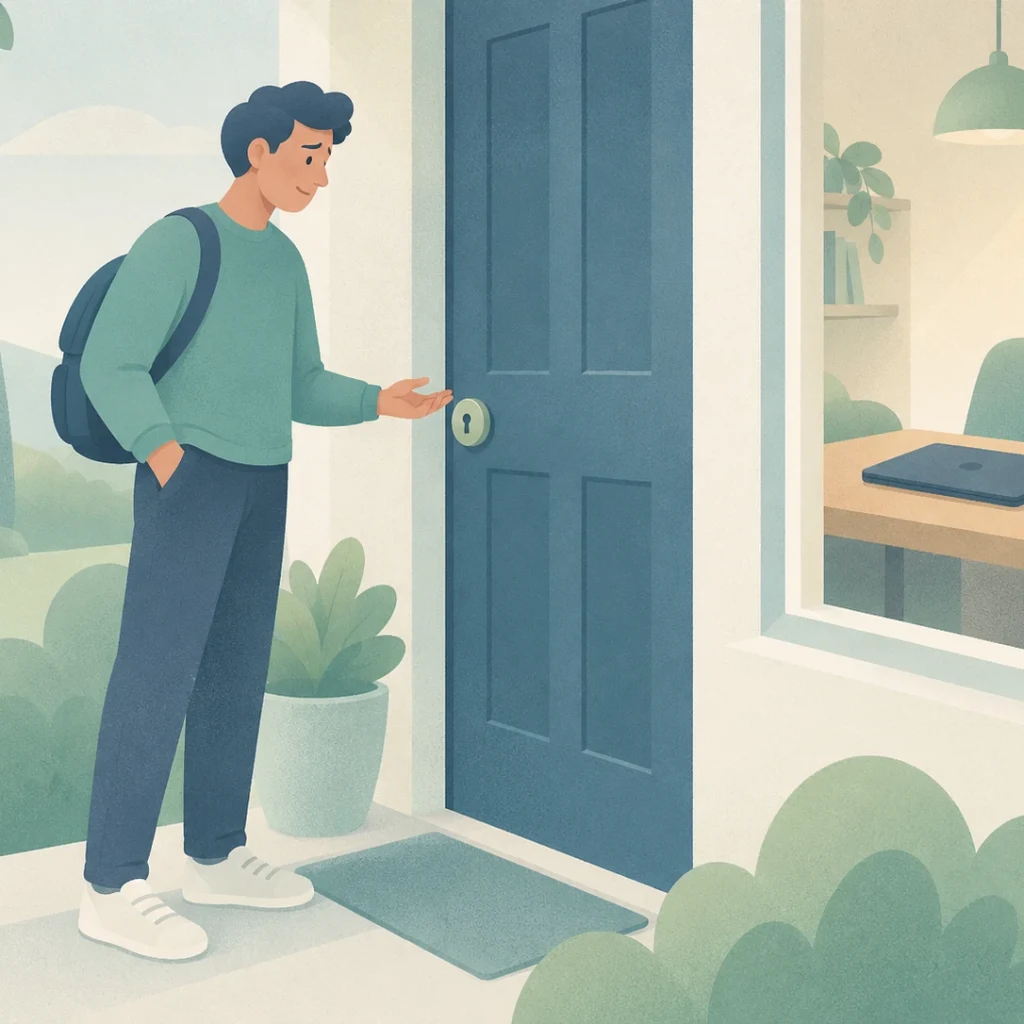
Lock out
Lock out means to prevent someone from entering a place or accessing a digital account, device, or system. The barrier may be a physical lock, an automatic latch, or a security rule that stops sign-in attempts.
Not ready for a trial? Get a free lesson every day
One short dictation in your inbox each day for 7 days. Practise where you are, no account needed.
Can’t find the phrase or situation you need?
Lesson requests come with membership.
See membership