A wider base for the economy
A factory needs orders. A hotel needs guests. A transport company needs goods to move. Oman Vision 2040 gives these kinds of activity a place in a wider national aim: an economy with more sources of income. This process is called diversification. It can reduce dependence on one source, although every business still faces risks.
The vision guides economic and social planning for 2021 to 2040. Its four pillars cover society, the economy, government performance, and the environment. Twelve national priorities sit within them. This broad structure connects business growth with the way people live and public bodies work. It also means that the vision cannot be judged by the opening of a single project. Its aims extend across the country and over many years.
The next period of investment
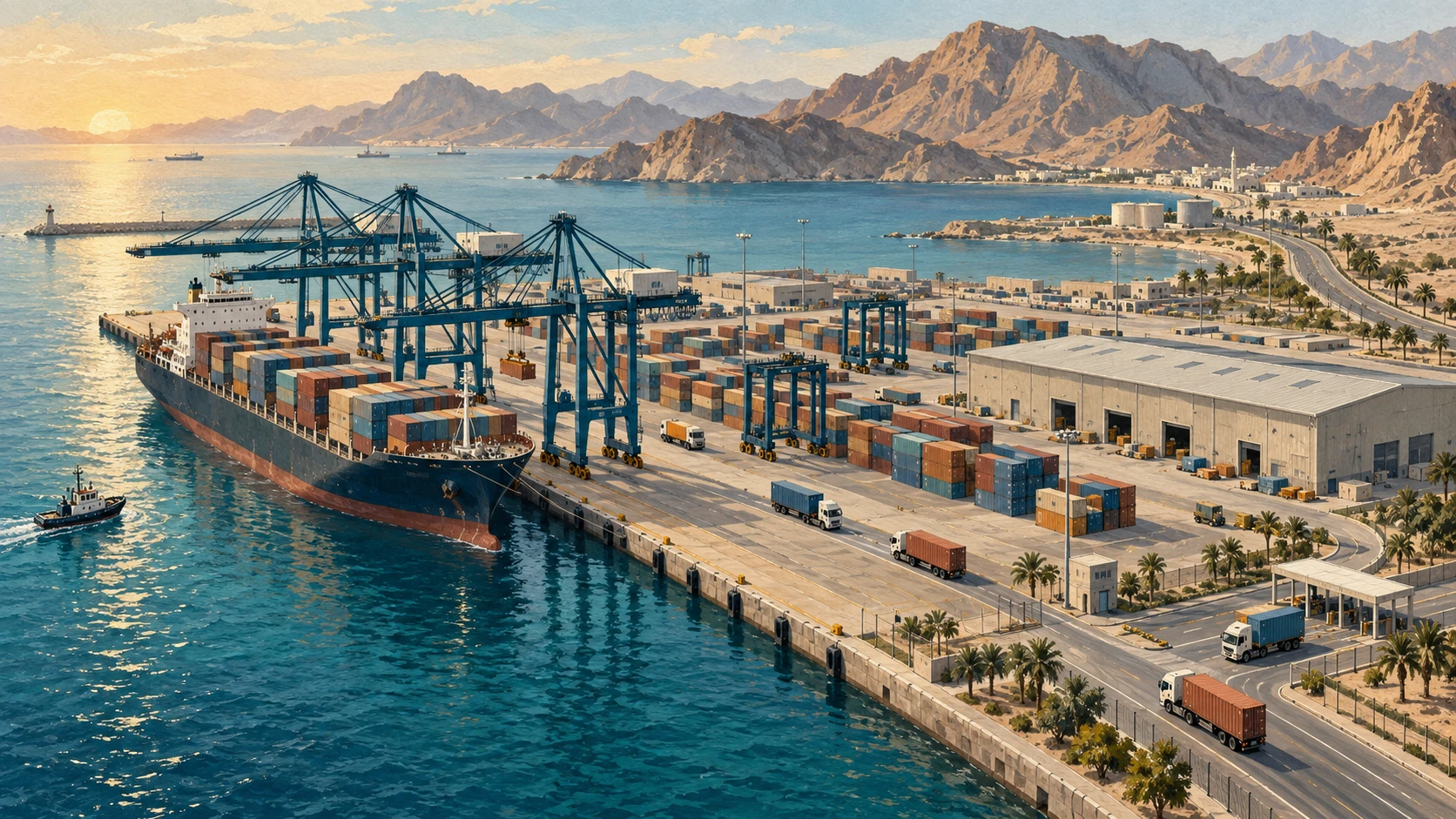
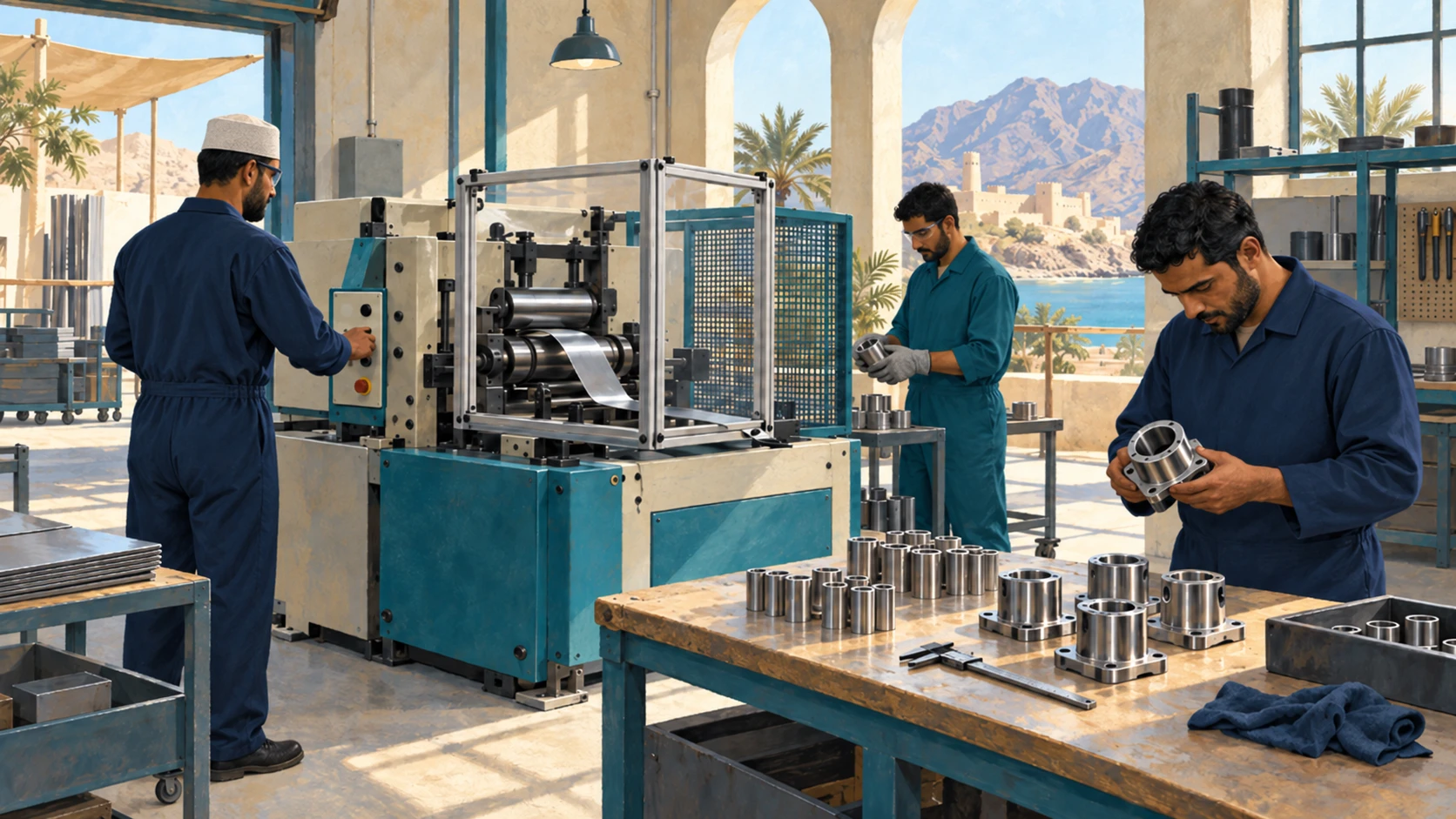
The government announced the Eleventh Five-Year Development Plan in January 2026. Covering 2026 to 2030, it is the second implementation plan under Vision 2040. Manufacturing, tourism, and the digital economy are its central growth sectors. The plan also names supporting activities, including transport and logistics, renewable energy, and food security.
These activities meet different needs. Manufacturing turns inputs into goods. Logistics organizes the movement and storage of those goods. Digital services can help companies manage information and reach customers. Their connection explains why a list of sectors is only a starting point. For a business, the usefulness of an investment depends partly on the services around it. A production site still needs dependable power, access to supplies, and a way to deliver its output.
A place for smaller firms
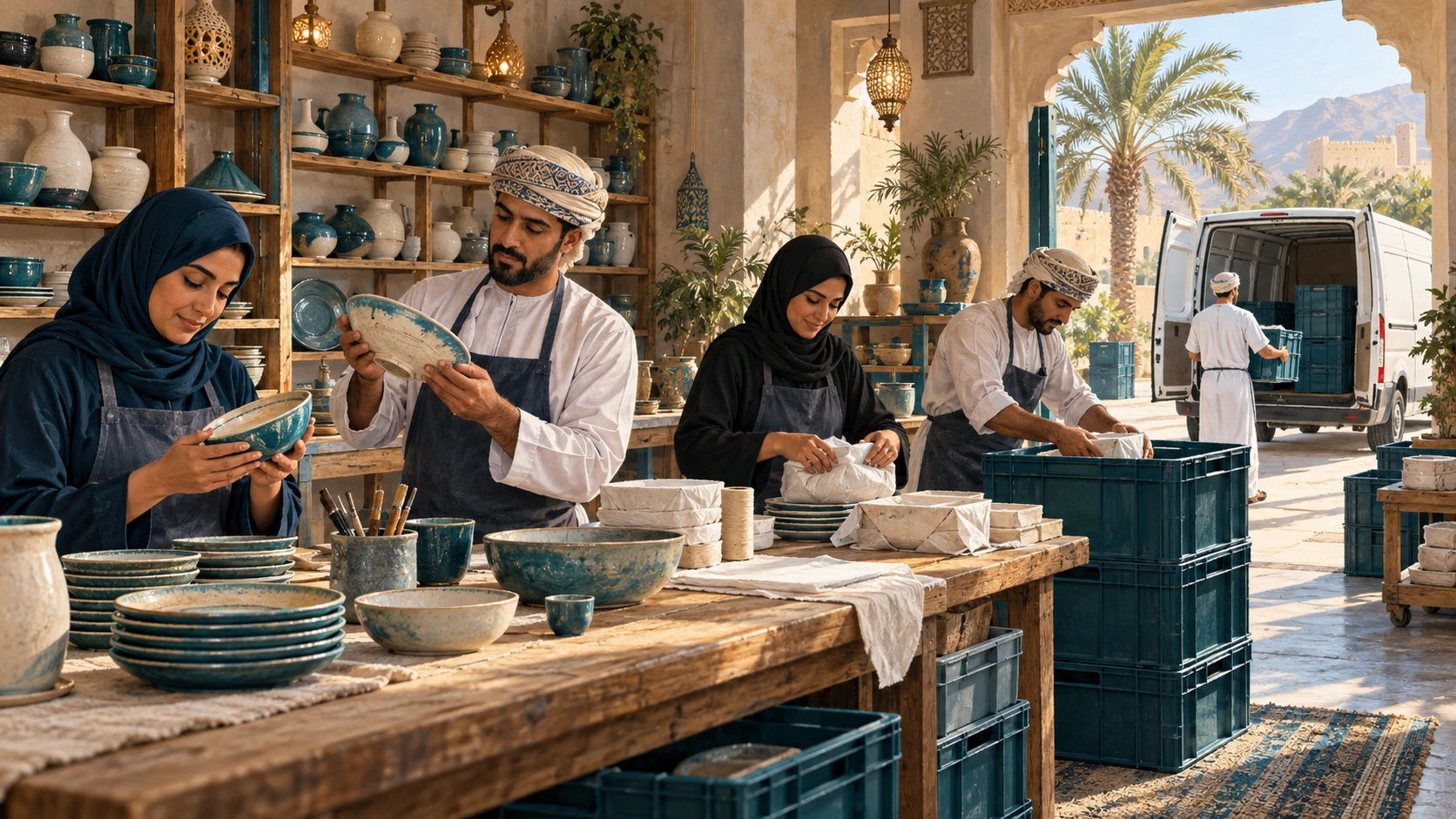
The vision's economic priorities call for private businesses to lead growth. They also support links between small firms and larger corporations. This gives diversification a more local dimension. A major project may buy services or materials from other businesses, spreading some of its activity through a supplier network.
That connection is a possibility, rather than an automatic result of construction. Smaller firms need to meet a customer's requirements and deliver reliably. The World Bank's October 2025 description of its Oman program includes support for small and medium-sized enterprises and changes to the investment climate. The investment climate means the conditions that affect business decisions. Clear rules and access to finance can influence whether a firm is able to invest, compete, and find customers.
Jobs require more than new buildings
Employment is another national priority. The vision calls for a skilled, productive workforce and a system that rewards performance. This connects the supply of workers with the needs of businesses. A growing sector needs people who can do the work, while people seeking jobs need openings that match their abilities.
The IMF's January 2026 assessment recommended further action on the difference between public and private sector pay. It also called for greater participation by women in the workforce. These recommendations describe work the IMF considers necessary; they do not show that those changes are complete. The economic connection is straightforward. A building adds space for activity. Lasting employment depends on demand for what the business produces. People must also be able to take the available jobs.
More activity, continued oil exposure
The IMF reported that Oman's real gross domestic product grew by 1.6 percent in 2024. GDP measures the economy's output, and real growth removes the effect of price changes. The same report put growth outside oil and gas at 3.3 percent for that year. The total GDP and non-oil growth figures describe different parts of the economy, so they cannot simply be added together.
The figures show expansion, but they do not establish that oil dependence has ended. The IMF warned that lower oil prices and global uncertainty could weaken Oman's public finances and its financial position abroad. That position includes the money flowing between Oman and other countries. Growth in other activities and exposure to oil can exist at the same time. This is why diversification concerns the sources of income and the risks attached to them, as well as the total amount produced.
Useful connections across Oman
The vision includes balanced development across governorates and sustainable use of land. Transport links and public services affect how an area takes part in the economy. The World Bank also describes cooperation on water efficiency and renewable energy. These concerns belong alongside investment because businesses use resources and operate within communities.
Taken together, the plans suggest a practical standard for progress: businesses that can serve customers, employ people, and manage their costs over time. This is an interpretation of the economic aims, not a reported national result. Oman issues implementation reports, including one for 2024 to 2025. Those accounts provide material for examining progress. Lasting growth needs businesses that keep finding customers and employing people after the first investment.
