The dual workforce of modern Oman
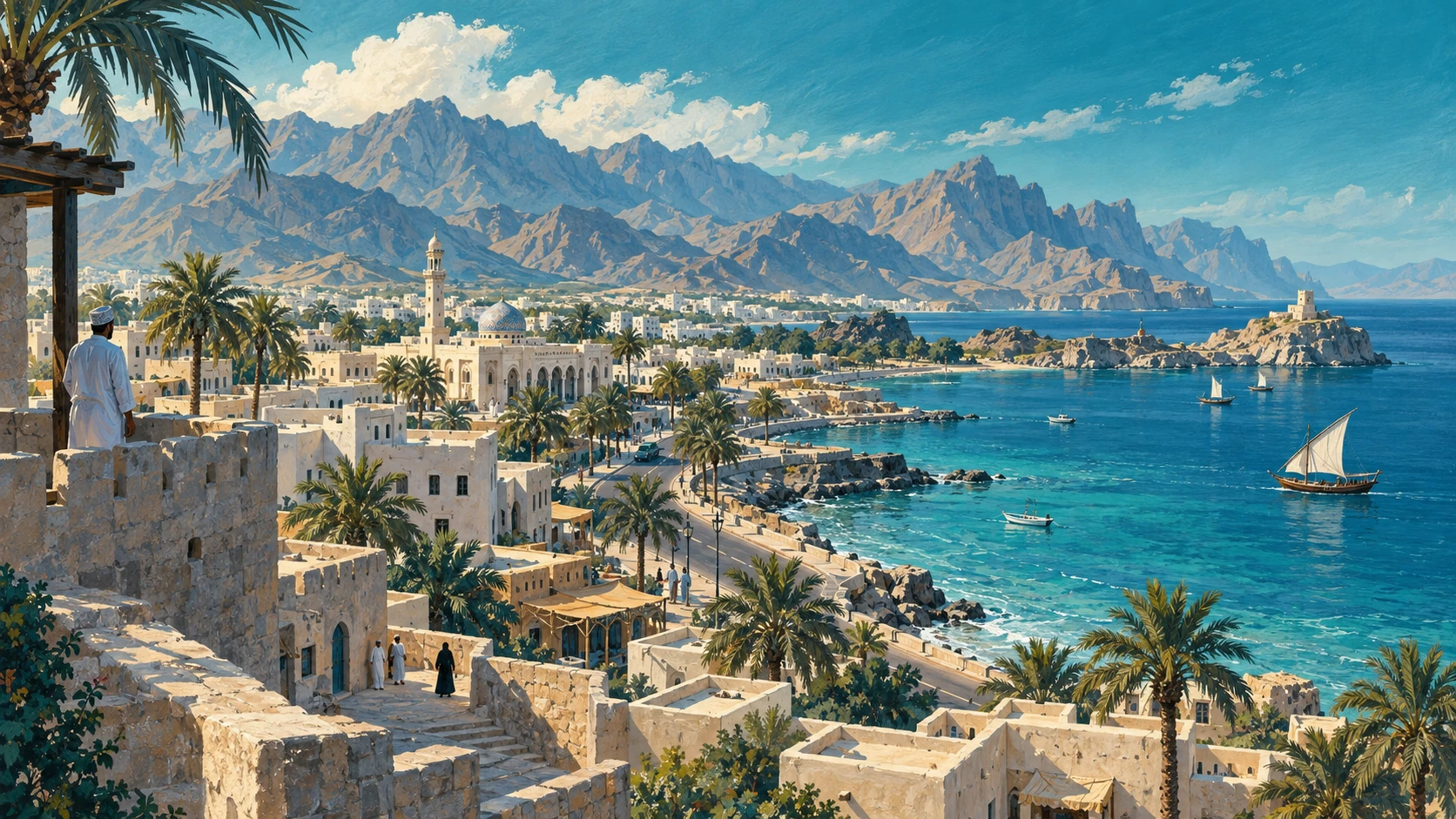
Centred in the capital city of Muscat, Oman presents a demographic profile shaped by decades of resource modernization and cross-border mobility. For 2024, the World Bank reported Oman's total population estimate at 5,281,538 people, showing steady growth across coastal plains and interior oases. Yet headline counts mask the defining structural fissure across the workforce: a sharp institutional dichotomy and workforce bifurcation separating sovereign citizens from foreign contract laborers.
The National Centre for Statistics and Information operates as the official national body that collects statistical data and conducts demographic counts in Oman. Through regular enumeration, official demographic records compiled in Oman distinguish between Omani citizens and resident expatriate workers, tracking separate patterns for tenure and consumer spending. By merging records from municipal registries and the Ministry of Labour, statisticians provide empirical baselines that prevent distorted per capita allocations in state budgets.
National output and monetary defenses
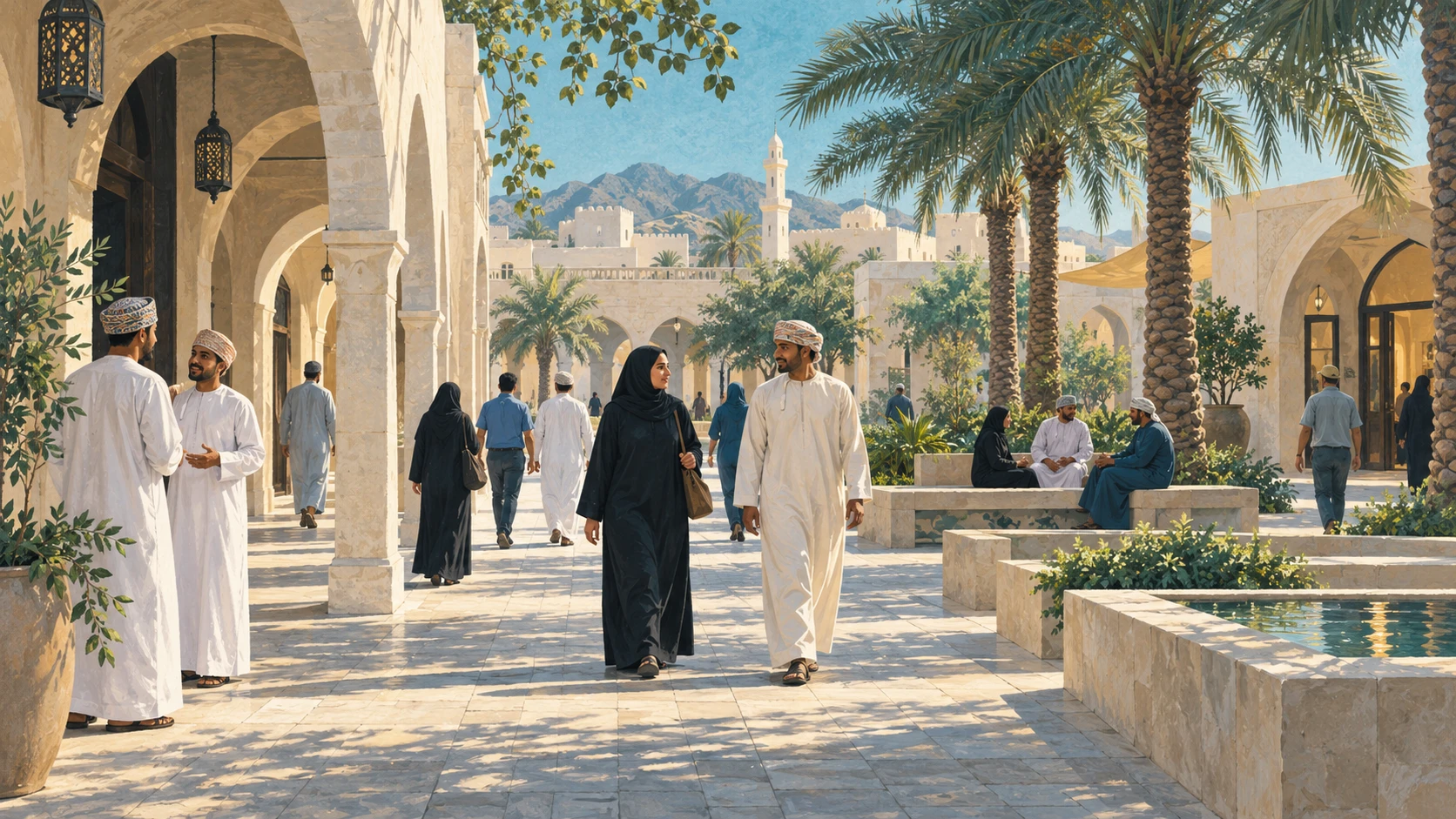
The World Bank recorded Oman's 2024 gross domestic product at 107.14 billion current US dollars, signaling sustained momentum following fiscal consolidation and industrial diversification. National statistical accounting combines production data from government agencies, public companies, and private enterprises across all governorates, synthesizing returns from oil extraction, factory manufacturing, transport, and private commerce into unified economic ledgers.
The national economy combines substantial income from oil and natural gas with ongoing growth in non-hydrocarbon sectors including logistics, tourism, and manufacturing. National monetary sovereignty centers on the Omani rial, which is divided into one thousand baisas. The Central Bank of Oman regulates commercial banks and manages monetary conditions to protect national financial stability. Crucially, Oman maintains an established fixed exchange peg between the Omani rial and the US dollar to support trade and investment predictability, insulating domestic commerce from speculative volatility in world currency markets.
Geography, governance, and the sea
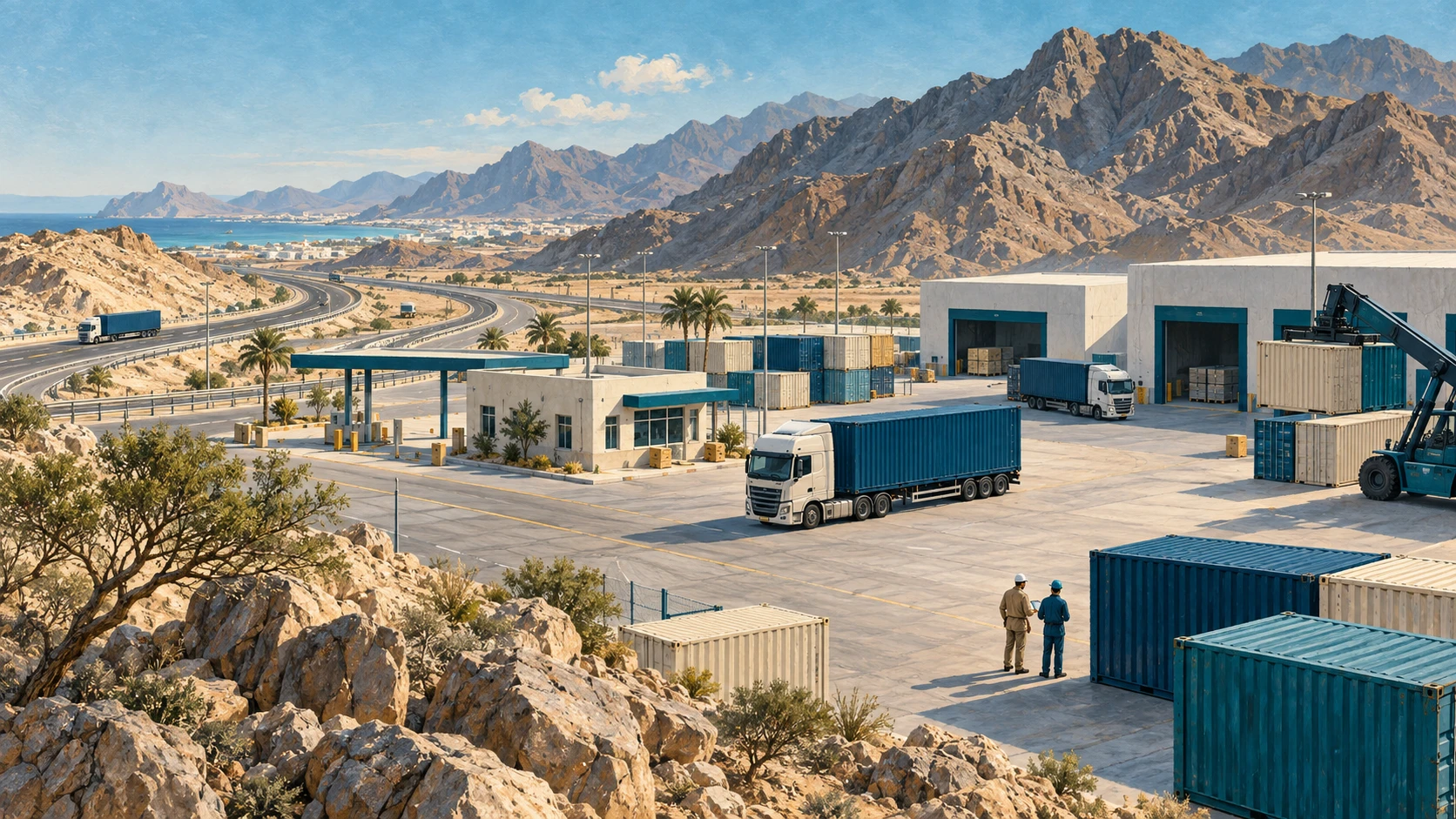
Oman encompasses an area of approximately 309,500 square kilometres across its national territory, commanding a long coastline along the Arabian Sea, the Gulf of Oman, and the Strait of Hormuz. The country is organised into eleven administrative governorates that span coastal cities, mountainous interior districts, and desert regions, encompassing topographies that range from rocky northern peaks to the subtropical plains of Dhofar.
Rather than permitting unrestrained urbanization around Muscat, planners rely on decentralised investment into regional ports. Deep-water maritime logistics corridors at Sohar, Duqm, and Salalah establish vital export conduits that connect national enterprises directly with East African and Indian Ocean shipping lanes.

Reading past the headline figures
Headline economic indicators carry real epistemological boundaries. An aggregate macroeconomic measure such as total GDP describes national economic scale but does not describe household income distribution or personal living standards. Furthermore, gross output figures omit natural resource depreciation, unpaid community stewardship, and private wage compression, underscoring that a burgeoning national balance sheet does not guarantee broad prosperity.
International financial institutions assess economic stability through indicators such as debt-to-GDP ratios, fiscal surpluses, and international reserve assets. Continuous multilateral surveillance requires analysts to contextualize headline metrics within multi-year commodity cycles. Ultimately, accurate statistical reading requires identifying the recording year, reporting agency, and measurement unit rather than treating raw numbers as complete descriptions of daily life, enabling readers to distinguish verifiable evidence from political rhetoric.