Counting people and places
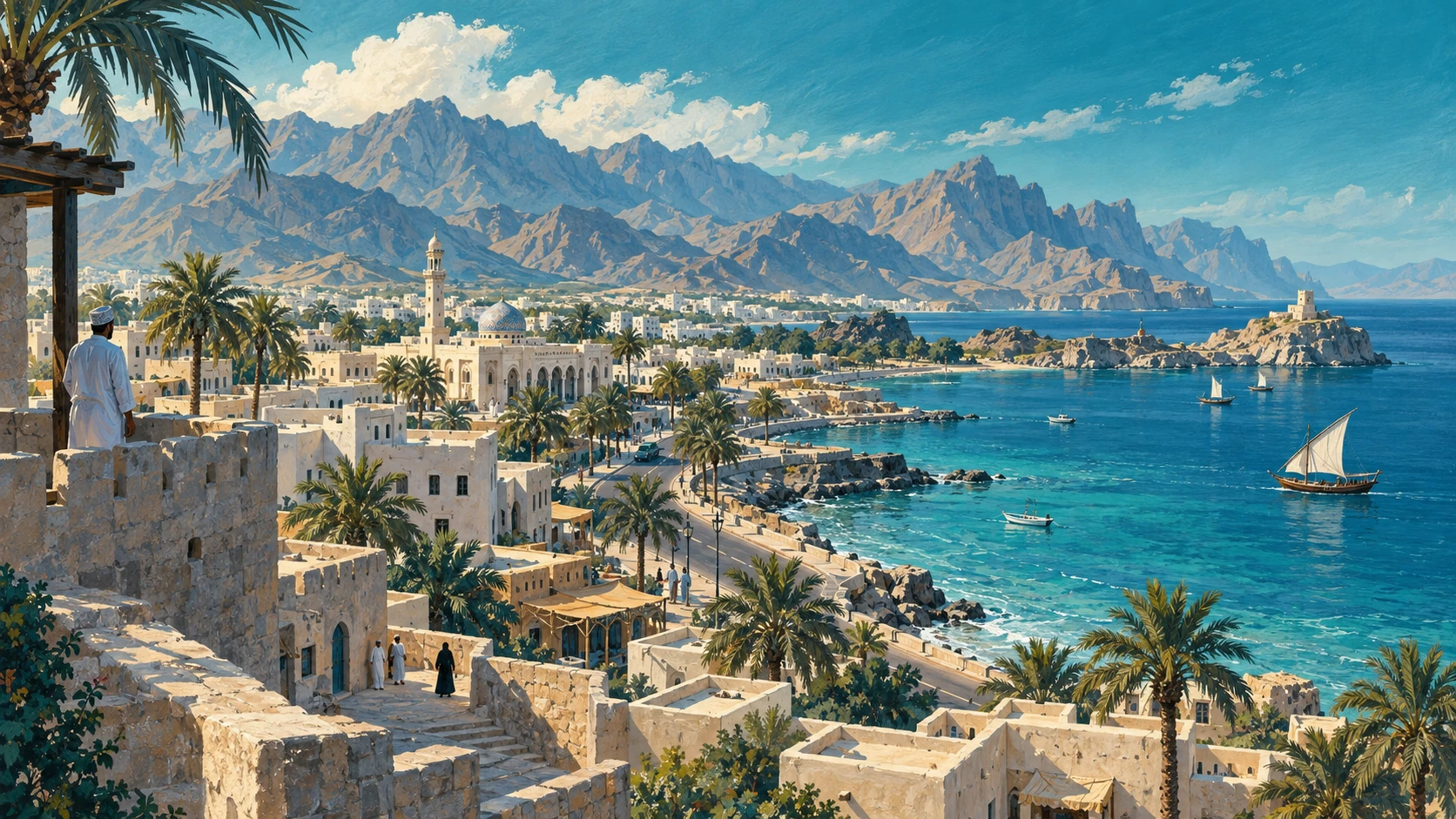
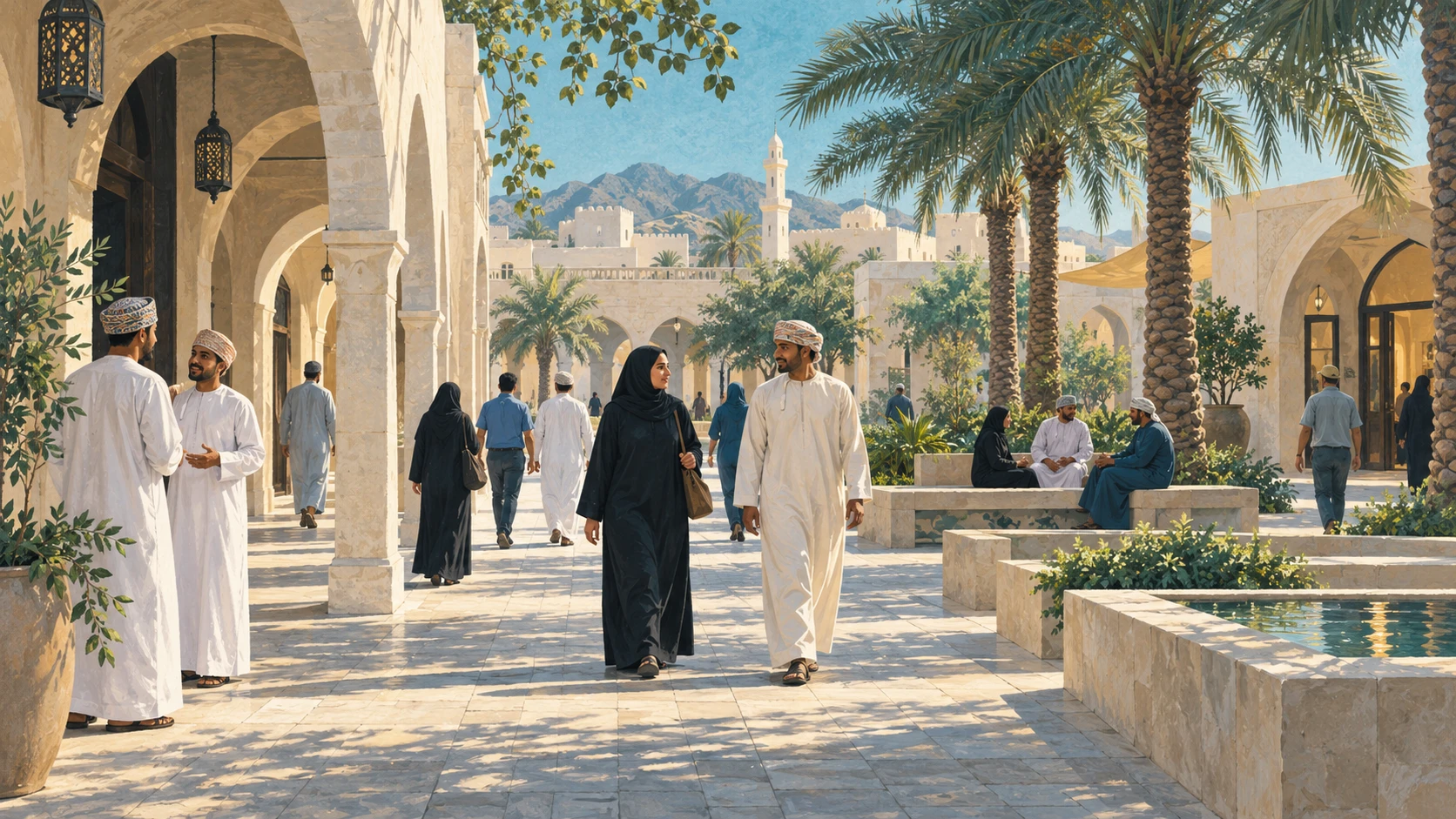
The Sultanate of Oman is located in the south-east of the Arabian Peninsula, and its capital city is Muscat. In 2024, the World Bank reported that Oman had a total population of 5,281,538 people. This count includes citizens born in the country and resident expatriate workers who help build roads, run hospitals, and staff local stores.
The National Centre for Statistics and Information collects these demographic numbers across every region. Counting everyone accurately helps public planners decide where new classrooms, water pipes, and medical clinics are needed most.
Measuring national production
Every country uses economic numbers to track what businesses make and sell. For the year 2024, the World Bank recorded Oman's gross domestic product at 107.14 billion current US dollars. Gross domestic product measures the total value of all goods and services produced within the country.
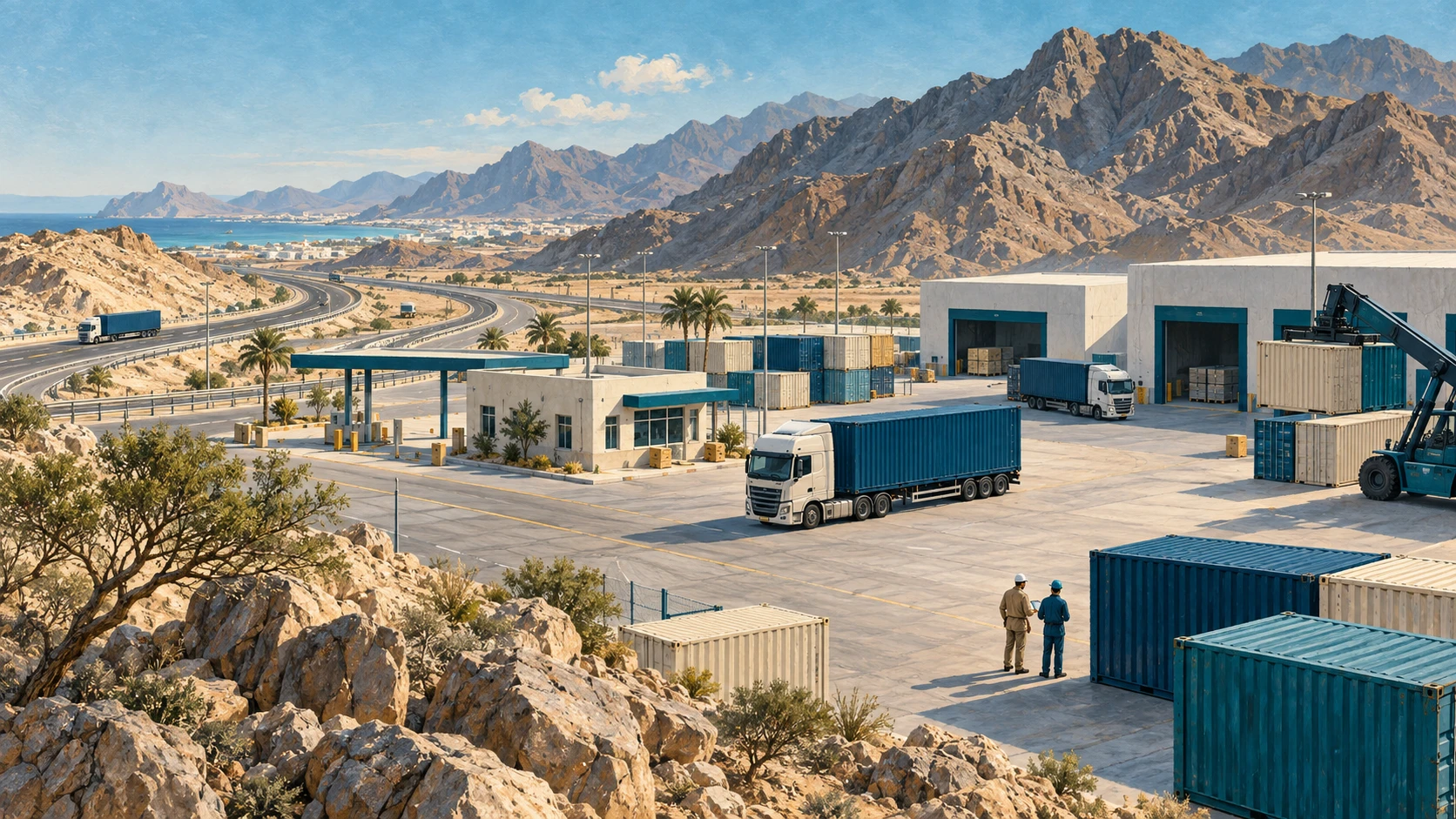
This headline total includes oil extraction, manufacturing in industrial parks, fishing along the coast, and everyday retail sales. The national currency is the Omani rial, which people use for daily transactions, and one rial is subdivided into one thousand baisas.
Distances and governorates
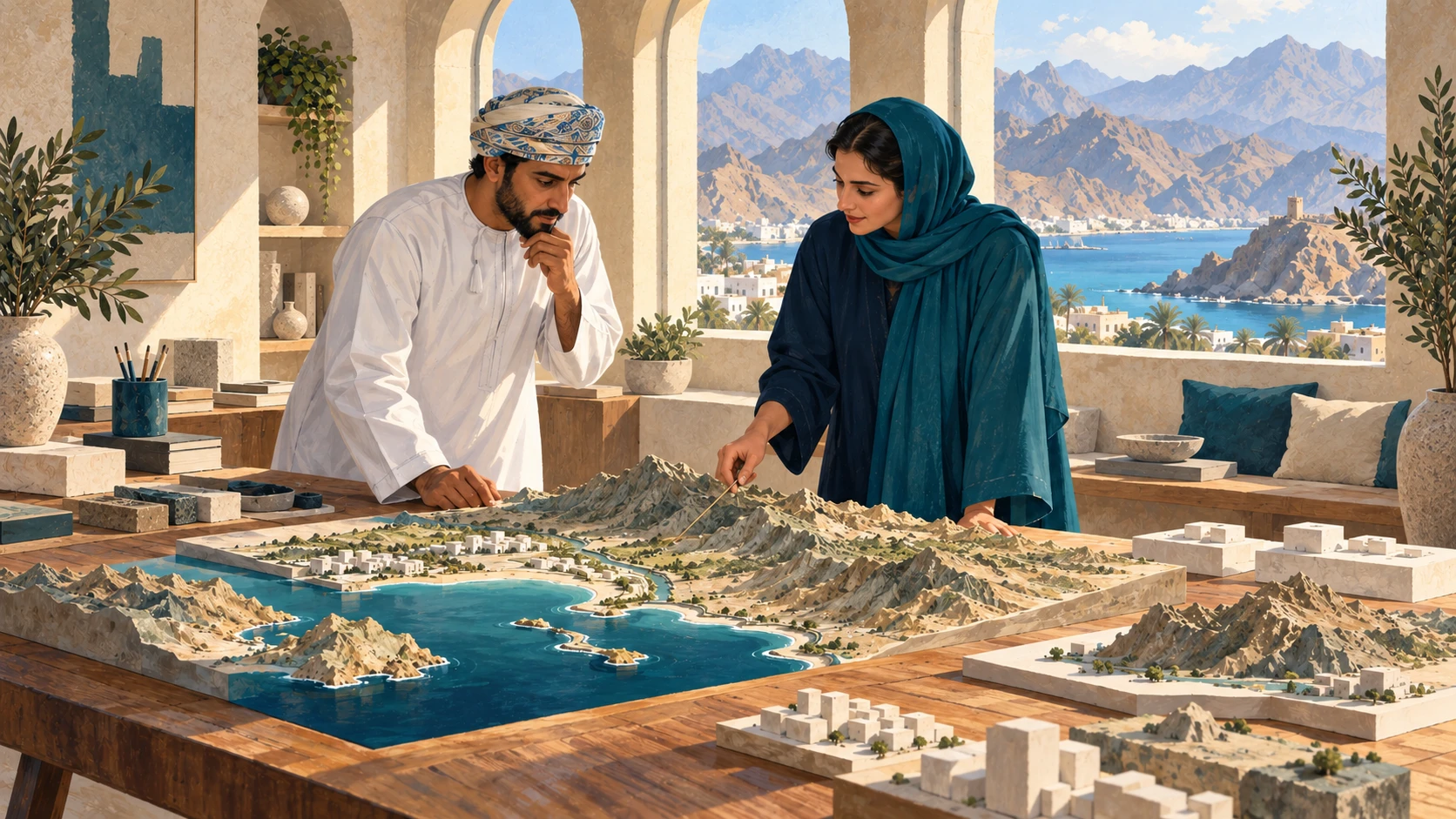
Oman encompasses an area of approximately 309,500 square kilometres. The country is organised into eleven administrative governorates that reach from Musandam in the north to Dhofar in the south.
Because the territory is wide, community needs vary from one district to another. Some residents live in dense coastal cities, while others live in mountain hamlets or near desert farms.
Reading numbers with care
Large macroeconomic totals give a broad picture, but they cannot describe every family's daily budget. A national GDP number does not show whether an individual worker received a pay raise or what a household spent on groceries.
Accurate statistical reading requires checking the recording year and reporting agency for each figure. Numbers become useful when they are connected to real places and daily human work.