Counting a divided population
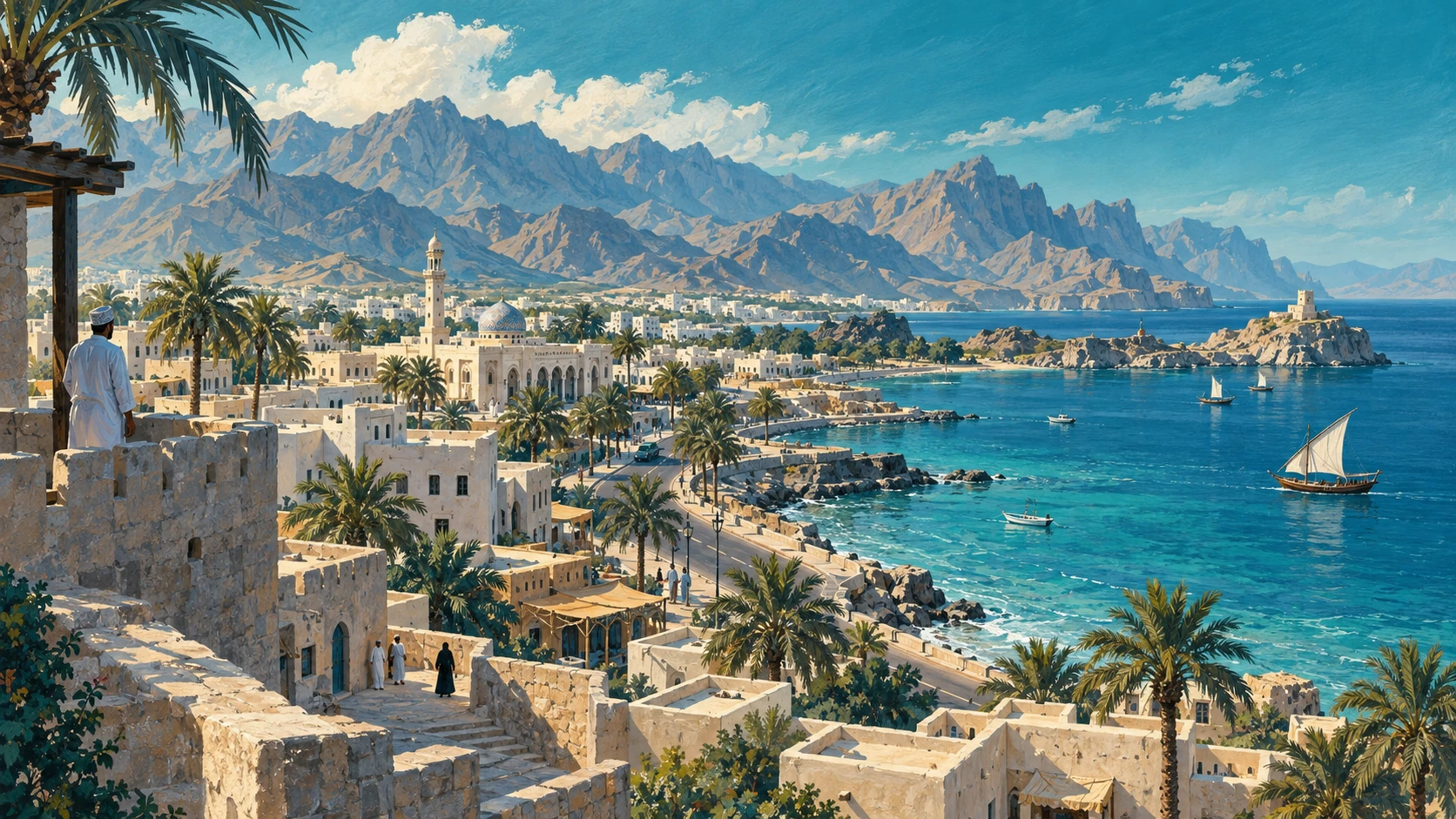
Centred in the administrative capital of Muscat, the Sultanate of Oman occupies a commanding position in the south-east of the Arabian Peninsula. World Bank national accounts indicators for 2024 established Oman's total resident population at 5,281,538 individuals. The data architecture maintained by the National Centre for Statistics and Information splits this count into two distinct demographic cohorts: Omani citizens entitled to public welfare and state careers, and resident expatriate workers contracted across private-sector construction, services, and industrial plants.
Operating under its statutory charter, the National Centre for Statistics and Information merges civil registry updates, border entries, and commercial payroll files. Because daily spending habits and remittance outflows diverge sharply between citizen families and foreign worker households, government planners cannot rely on simple headcount totals when budgeting infrastructure outlays across the eleven governorates.
Measuring national output and currency stability
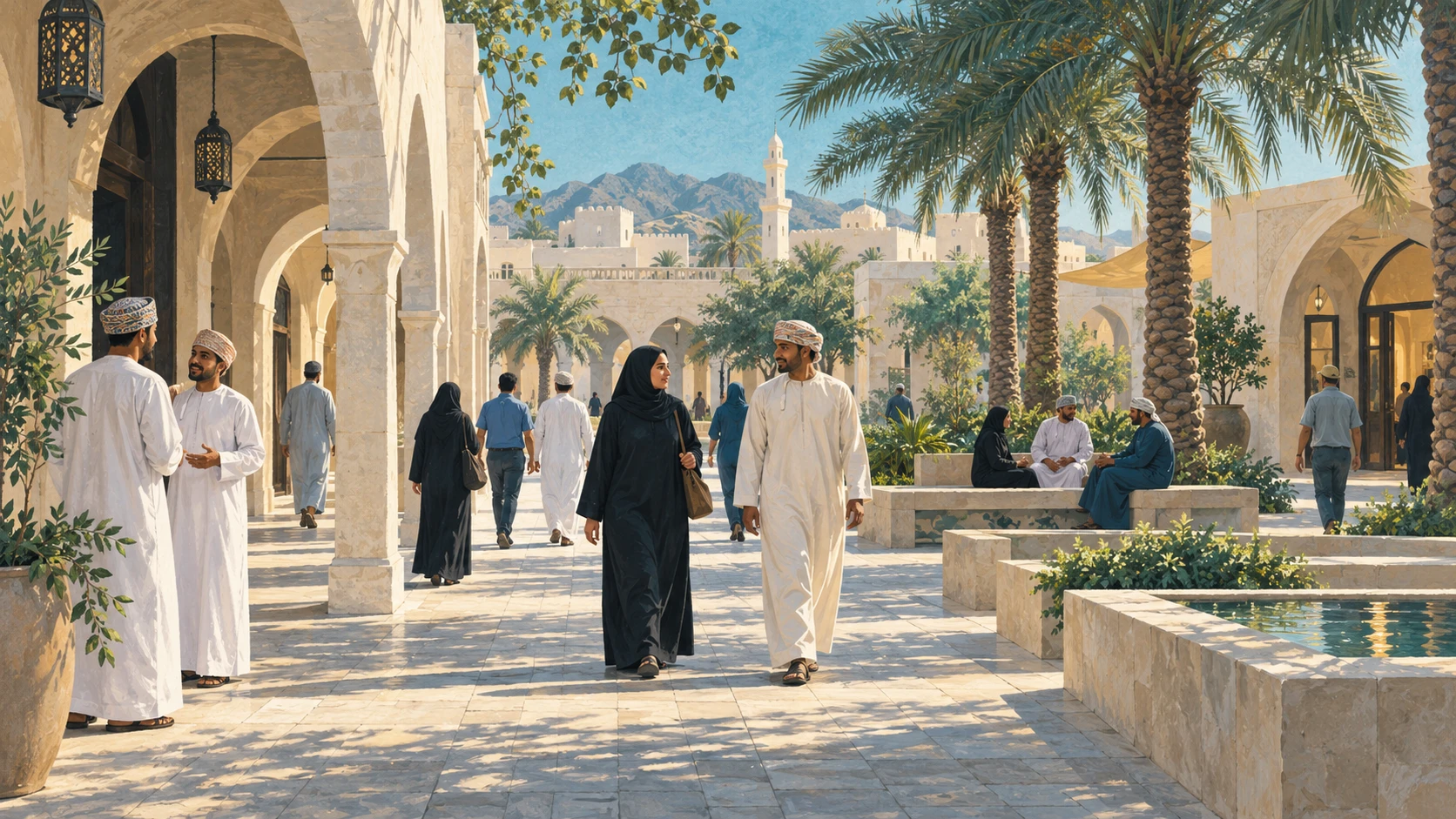
In 2024, the World Bank recorded Oman's gross domestic product at 107.14 billion current US dollars. That headline output reflects an extensive statistical compilation of private trade and state-directed enterprise across the Sultanate. Rather than tracking financial speculation, this aggregate figure captures tangible physical goods and paid commercial services delivered nationwide.
Heavy upstream hydrocarbon extraction continues to provide essential export earnings alongside growing petrochemical plants, metals smelters, port logistics, and desert tourism. In domestic trade, commercial contracts and daily purchases are denominated in the Omani rial, which divides into one thousand baisas. The Central Bank of Oman regulates commercial banks and manages domestic liquidity conditions, maintaining an established fixed exchange peg to the US dollar that mitigates currency risks for capital-intensive industrial ventures.
Spreading capital beyond the capital
Oman encompasses an area of approximately 309,500 square kilometres across the south-eastern Arabian Peninsula. To manage this rugged territory, the state is organised into eleven administrative governorates stretching from the northern Musandam enclave to the southern mountains of Dhofar.
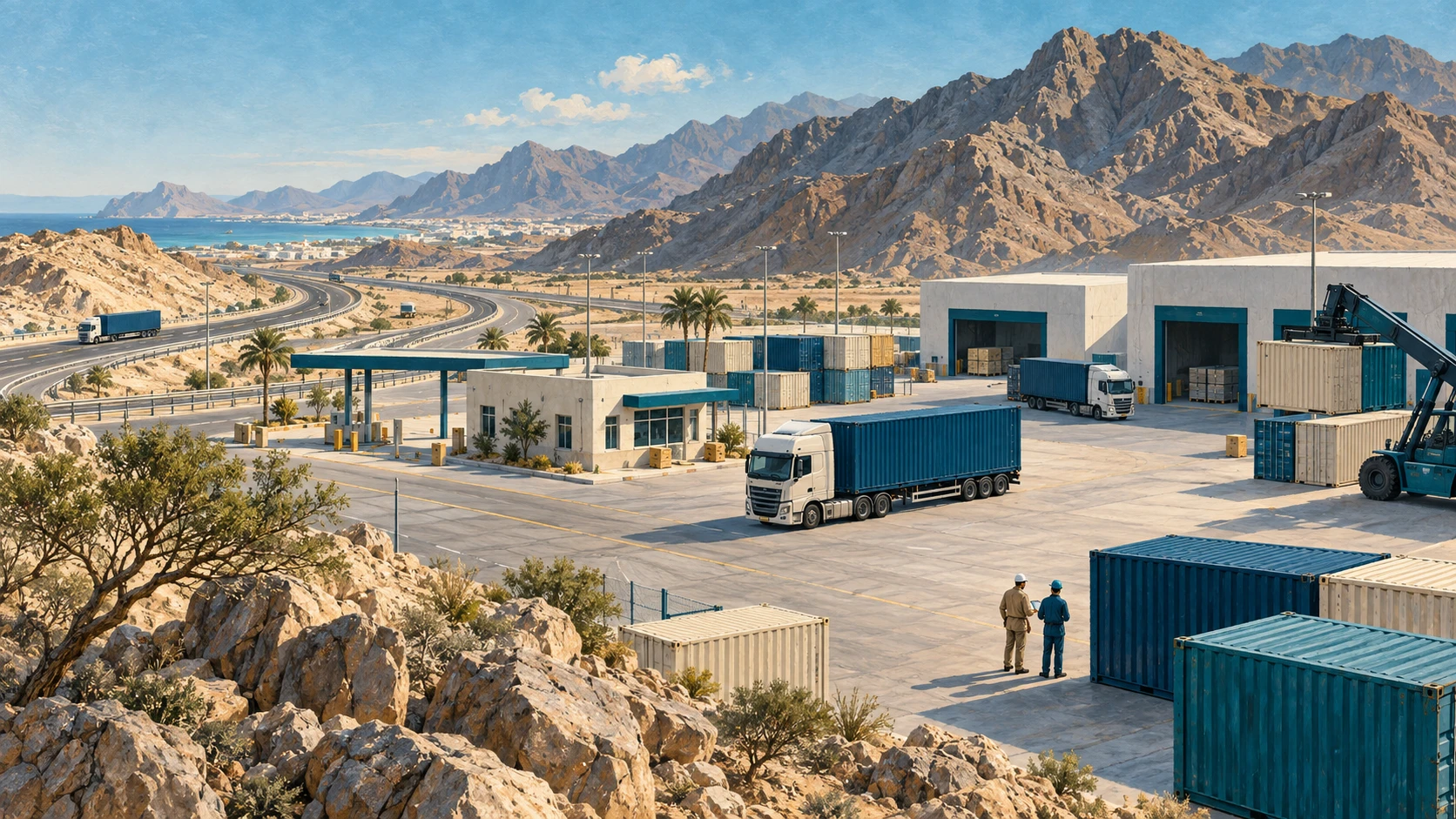
Public capital expenditure has deliberately fostered regional industrial clusters to prevent excessive economic centralization in Muscat. Deep-water maritime facilities at Sohar, Duqm, and Salalah anchor export logistics corridors, while interior regions develop mineral quarries and irrigated commercial agriculture.

The limits of headline metrics
Despite their prominence in sovereign credit ratings, aggregate economic indicators carry real blind spots. Gross domestic product captures transaction velocity rather than household wealth distribution, environmental asset depreciation, or median living costs. An expanding headline figure can easily obscure substantial wage divergence between public-sector professionals and lower-tier private contractors.
Multilateral surveillance by the International Monetary Fund therefore evaluates structural resilience through fiscal balances, public debt-to-GDP ratios, and non-hydrocarbon revenue mobilisation. Clear-eyed reading requires scrutiny of reporting dates, price indices, and institutional boundaries before converting macroeconomic statistics into normative claims about everyday household well-being.