Clear rules for international business
Oman welcomes international companies that want to build businesses in the country. Under national investment laws, foreign investors can own one hundred percent of their commercial company without needing a local partner. This open rule makes it simple for global firms to set up offices and build projects.
To help new investors, the government opened the Invest Oman lounge in Muscat. In this modern service center, business owners meet staff from different ministries in one single room. Fast electronic services help founders register their company and receive official operating permits quickly.
Omani investment law guarantees the unrestricted cross-border repatriation of profits and invested capital back to home nations. Investors who make substantial capital investments can apply for long-term residency cards that last five or ten years. Bilateral investment treaties and trade agreements provide strong legal protection for international capital.
Special economic zones and deepwater ports
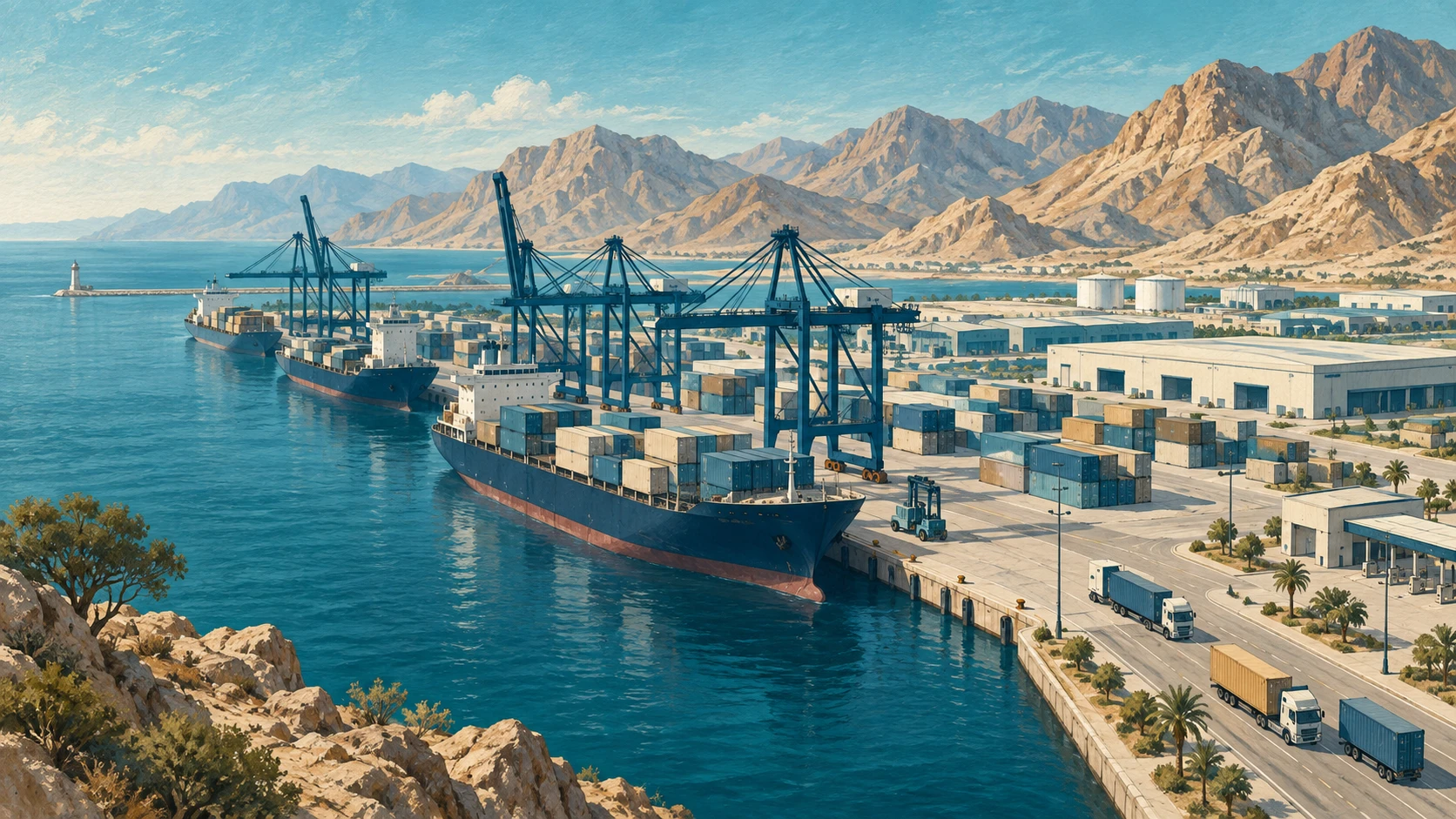
The Sultanate has built large industrial areas beside the sea called special economic zones and free zones. A single government body, called the Public Authority for Special Economic Zones and Free Zones, supervises and regulates all these areas. These zones offer clean land, paved roads, water connections, and direct access to shipping routes.
The largest area is the Special Economic Zone at Duqm, which covers more than two thousand square kilometers along the central coast. Duqm features a major deepwater port, a ship repair dry dock, a new oil refinery, and large areas for factories. Further north, Sohar Port and Freezone hosts big plants that make steel, process metals, and handle food imports.
In the south, Salalah Freezone sits close to busy global sea routes that connect Asia and Europe. Companies in all these free zones enjoy tax exemptions, pay zero customs duties on imported materials, and use highway corridors that link directly to Saudi Arabia and the United Arab Emirates.
Modern factories and domestic production
Oman is working hard to expand its non-oil manufacturing sector. Instead of selling only raw oil and gas, the country encourages companies to make finished goods like aluminum pipes, steel beams, and household items. Expanding factory work creates reliable jobs and builds economic strength.
In Sohar, an integrated metals cluster turns raw aluminum and iron into useful building materials. Near Duqm and Sohar, modern chemical plants produce plastic polymers that local workshops use to make packaging, water pipes, and medical containers. New food hubs in Khazaen and Salalah process grains and dairy products to protect national food security.
Large factory projects must also support local businesses through In-Country Value rules. These rules require companies to buy tools and materials from local workshops whenever possible. To support smaller manufacturers, the Madayn organization manages regional industrial cities across the country that provide affordable serviced land.
Valuable minerals and recycling industries
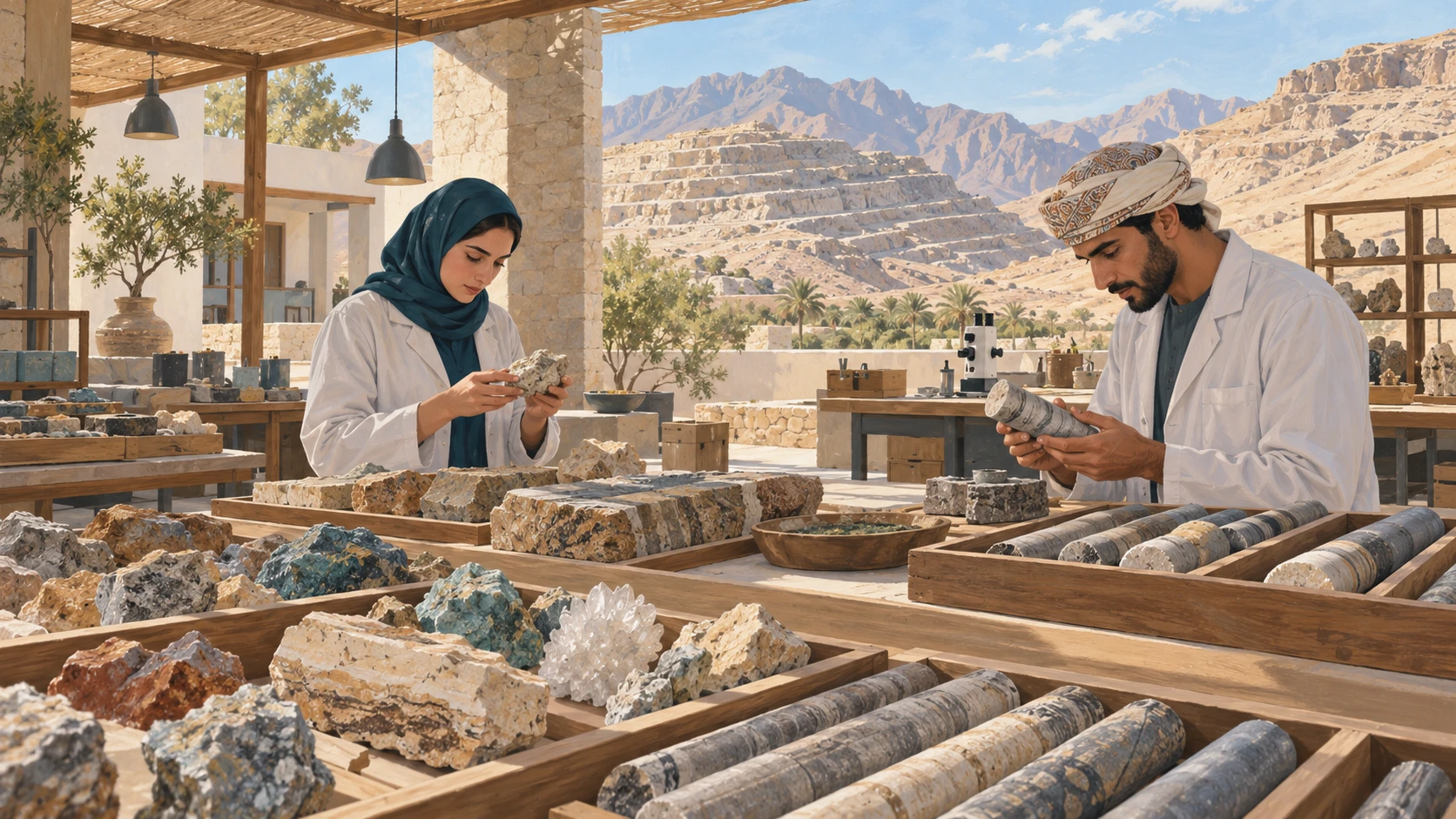
The land of Oman contains rich underground resources beyond oil. Geologists have found commercial reserves of gypsum, limestone, silica sand, and copper ore across the mountains and desert plains. Gypsum is an important mineral used all over the world to make cement and wallboard for modern buildings.
Oman is one of the world leaders in seaborne gypsum exports, shipping millions of tonnes to international markets every year. National mining policy now requires companies to process and refine minerals inside the country before export, rather than shipping raw rocks. Historic copper mines in northern Oman are also being reopened with modern machinery.
At the same time, companies are adopting circular economy practices to reuse waste materials. Steel mills melt metal scrap into new bars, and cement makers use industrial slag instead of fresh stone. Every mining project must obtain environmental permits from the Environment Authority and promise to restore the land after work ends.
Clean hydrogen and renewable energy
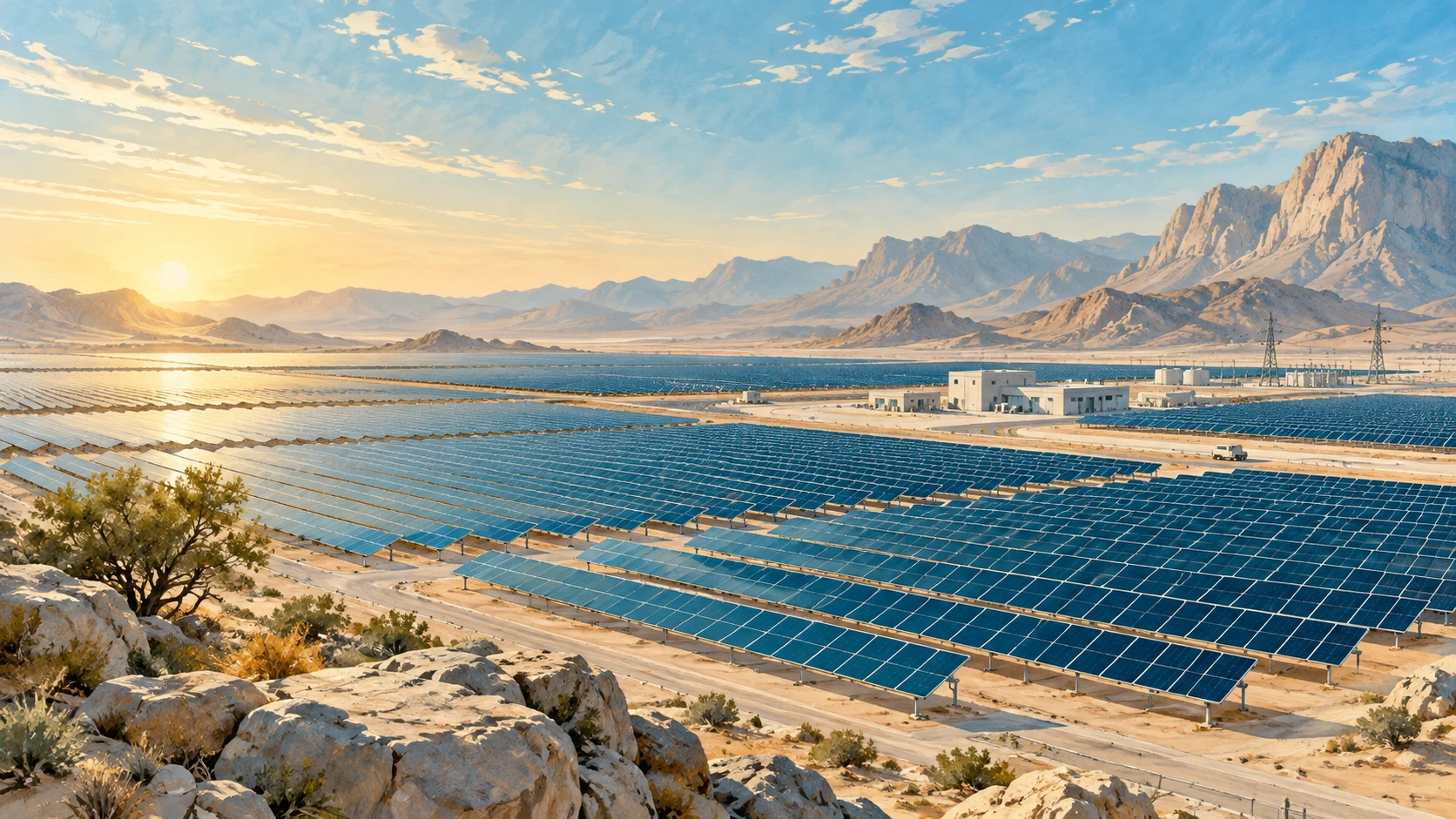
Oman has launched an ambitious national plan to become a global leader in clean energy. The country targets producing at least one million tonnes of green hydrogen each year by 2030. Green hydrogen is a clean fuel made by splitting water using electricity generated from sunlight and wind.
A national company called Hydrogen Oman organizes international land auctions to choose experienced energy developers. The desert regions of Al Wusta and Dhofar receive intense sunshine and strong seasonal winds, making them ideal places for giant solar arrays and wind turbines.
To support these huge projects, the government created Future Fund Oman with two billion Omani rials to co-invest alongside private partners. The Sultanate has also pledged to achieve net-zero carbon emissions by 2050. Ports in Duqm and Salalah are building specialized pipes and storage tanks to export clean ammonia around the world.
Building a diverse and resilient economy
Under Oman Vision 2040, the country aims to transform its economy so that non-oil business generates the vast majority of national income. Attracting international investment is a central priority to fund modern factories, create technology jobs, and introduce global management expertise.
Recent government reforms and disciplined debt management have earned Oman higher sovereign credit ratings from international agencies. These improved ratings show foreign banks and investors that the country manages its public finances responsibly. The Muscat Stock Exchange is also expanding by listing shares in state-owned companies for private investors.
While neighboring countries also compete to attract foreign capital, Oman offers deepwater ocean ports, political stability, and rich mineral wealth. As technical colleges train young citizens in engineering and software, cross-border investment provides the vital anchor for long-term economic transformation.