Legal protections and licensing for global enterprises
Under Oman's Foreign Capital Investment Law, international businesses can establish commercial entities with one hundred percent foreign ownership in almost all economic sectors. Overseas founders do not need a mandatory local partner to register their company, which creates confidence and transparency for global enterprises seeking a presence in the Arabian Gulf.
The Sultanate streamlined corporate setup procedures by launching the Invest Oman Lounge in Muscat. Within this integrated facility, delegates from various government ministries work together to guide investors, review documentation, and approve commercial registrations. Digital portals connected to the lounge enable fast-track licensing so that legitimate projects can begin work without administrative delays.
Foreign capital is also protected by clear statutory guarantees that permit the unrestricted repatriation of profits and investment capital back to home nations. To encourage sustained commercial commitments, Oman offers an investor residency program granting renewable five-year or ten-year residency permits to qualifying entrepreneurs. These local legal protections are reinforced by bilateral investment treaties and international trade pacts that safeguard property rights.
Strategic free zones and maritime gateways
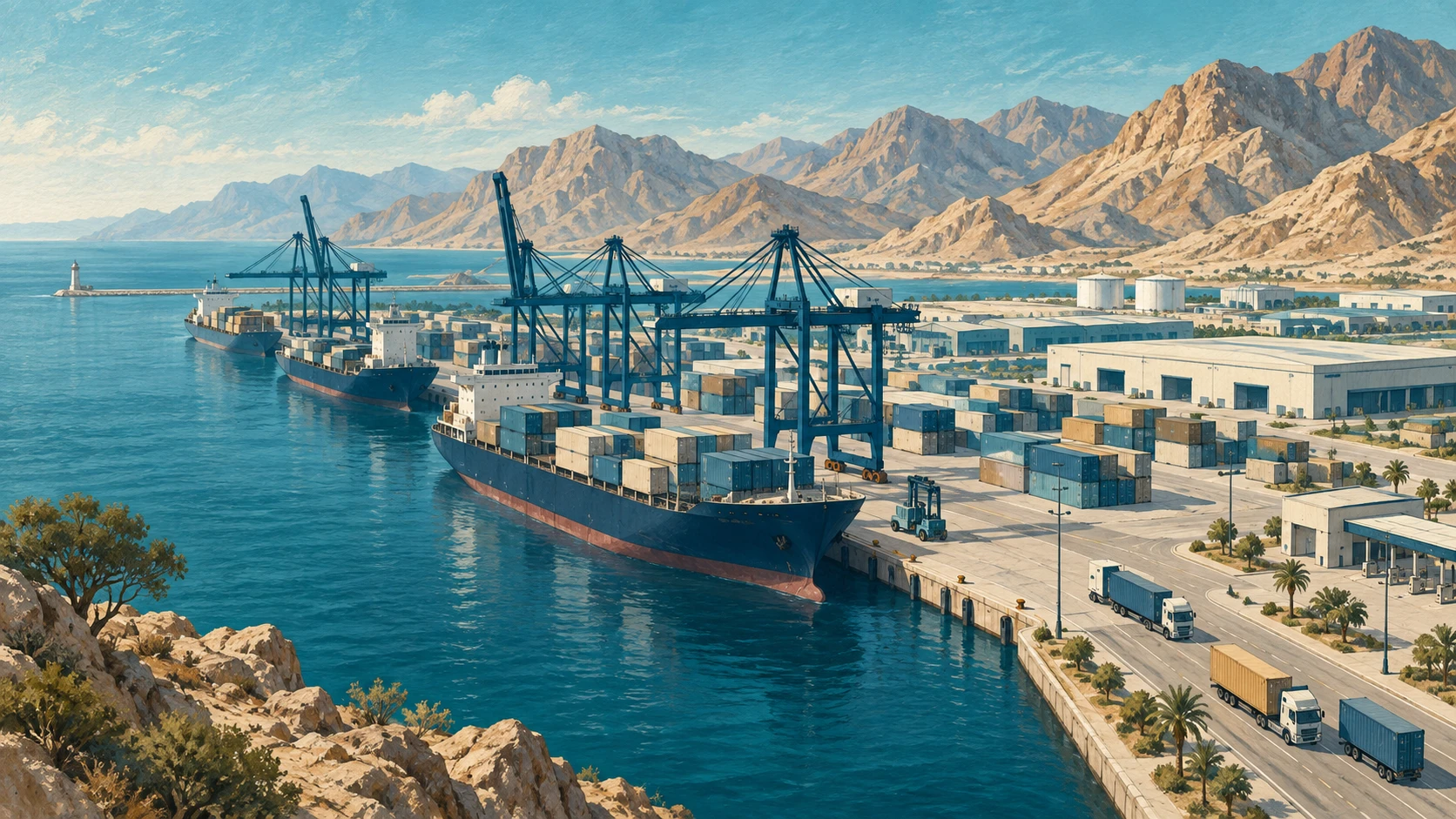
To accommodate industrial tenants, the Sultanate established dedicated special economic zones and free trade zones across its coastline. The Public Authority for Special Economic Zones and Free Zones, known as OPAZ, provides unified governance across these regions. By centralizing land leases and regulatory permits under a single authority, OPAZ ensures consistent operating standards for all commercial occupants.
The largest industrial zone is the Special Economic Zone at Duqm, which encompasses more than two thousand square kilometers along the central Arabian Sea. Duqm integrates a commercial deepwater port, an expansive ship repair dry dock, a modern crude oil refinery, and vast land reserves for future heavy manufacturing. In northern Oman, Sohar Port and Freezone provides modern infrastructure for manufacturing facilities, container logistics, and metal processing plants.
In the southern governorate of Dhofar, Salalah Freezone functions as an essential logistics hub adjacent to high-volume Indian Ocean shipping channels. Enterprises operating within these designated free zones benefit from generous corporate tax holidays, customs duty exemptions on imported raw materials, and seamless multimodal transport connectivity linking national highways directly to Saudi Arabia and the United Arab Emirates.
Industrial manufacturing and domestic supply networks
Economic diversification in Oman focuses heavily on expanding non-oil manufacturing output. Rather than relying primarily on petroleum revenue, national planners support factories that transform raw industrial materials into higher-value products. This manufacturing strategy creates resilient skilled jobs and increases national exports of finished goods.
At Sohar, an established metals cluster combines primary aluminum smelting and steel rolling mills to supply regional construction and automotive supply chains. Downstream petrochemical complexes near coastal ports convert natural gas liquids into plastic resins, enabling local converters to manufacture pipes, consumer packaging, and medical containers. In Khazaen and Salalah, specialized food hubs expand industrial processing of grains and dairy products to reinforce national food security.
Industrial enterprises must comply with national In-Country Value mandates by purchasing components, supplies, and services from local Omani vendors. Meanwhile, the Public Establishment for Industrial Estates, operating as Madayn, manages regional industrial cities across the country, providing serviced plots, warehouses, and practical support to expanding manufacturing businesses.
Mineral processing and sustainable circular industries
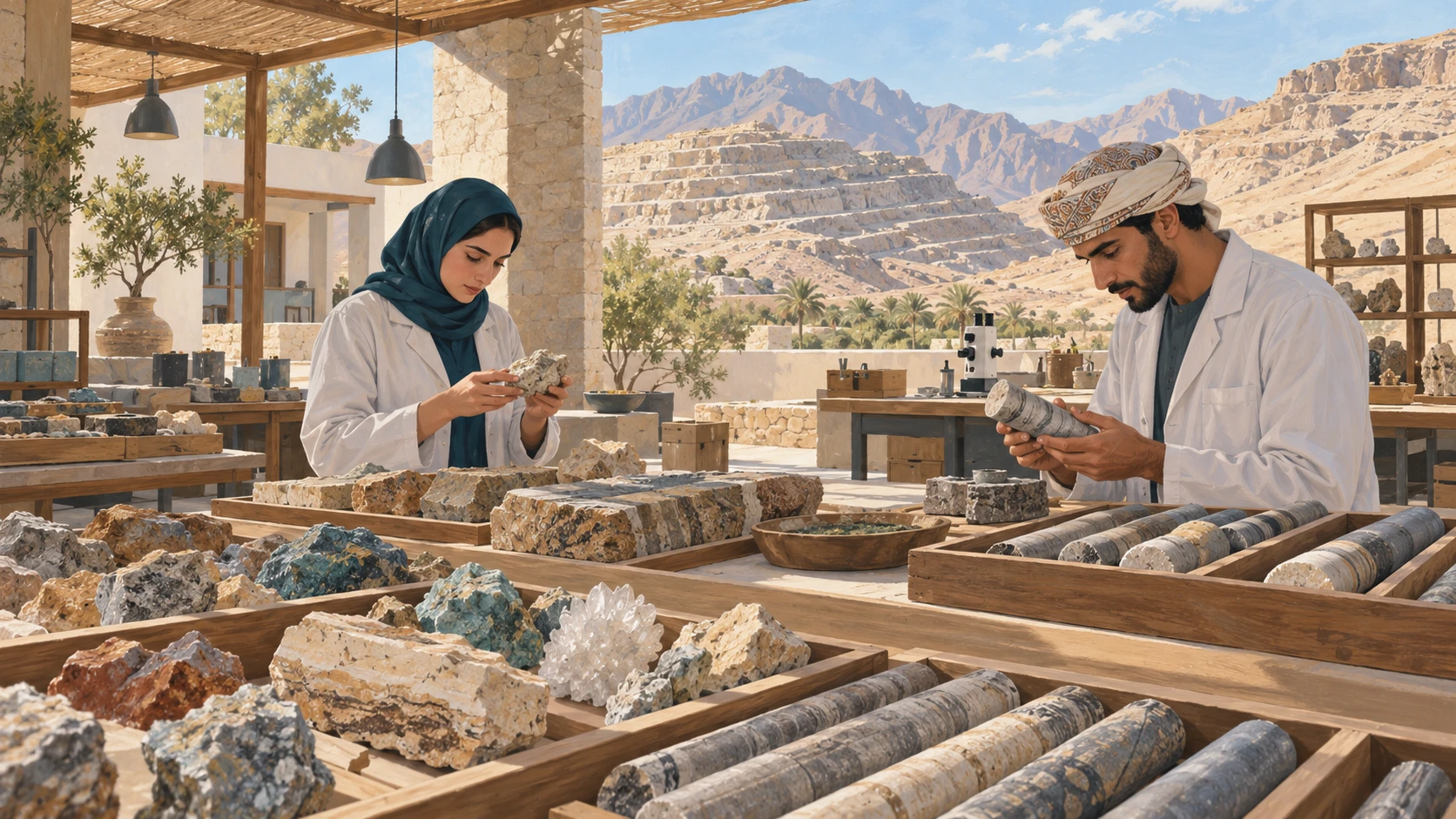
The Sultanate possesses substantial geological wealth including commercial deposits of gypsum, industrial limestone, silica sand, and copper ore. Gypsum plays a vital role across the international construction industry because it is a key component in manufacturing gypsum plasterboard and Portland cement.
Oman has emerged as a leading seaborne exporter of gypsum, delivering millions of metric tonnes annually to global buyers across South Asia and East Africa. Current mining regulations emphasize mineral beneficiation over raw exports, encouraging commercial operators to refine raw minerals inside the Sultanate before shipping. Historic copper mining regions in northern Oman are also experiencing a notable revival through modern open-pit and underground operations.
Concurrently, manufacturing operators are incorporating circular economy principles by reclaiming metal scrap and repurposing industrial slag from smelting operations. All exploration and extraction activities must secure formal environmental permits from the Environment Authority, which mandates environmental impact assessments and comprehensive land restoration programs once quarrying concludes.
Renewable power generation and clean hydrogen
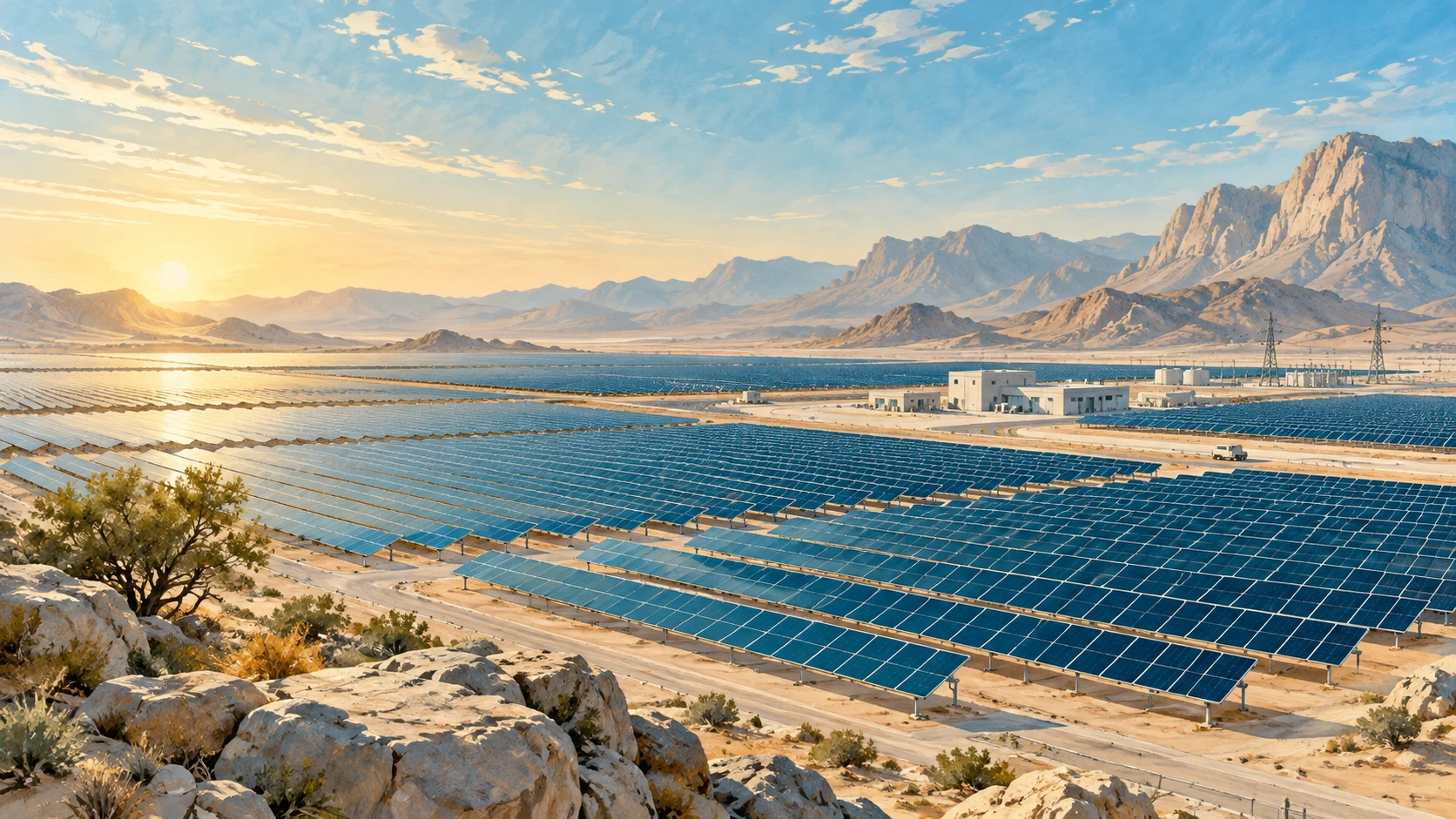
Oman has adopted a comprehensive green hydrogen strategy designed to establish the nation as a premier clean fuel exporter. The Sultanate aims to produce at least one million tonnes of green hydrogen annually by 2030, using renewable electrical power to separate water into clean hydrogen and oxygen molecules.
The government created a dedicated entity named Hydrom to organize competitive auctions for land concessions in central and southern Oman. The desert regions of Al Wusta and Dhofar benefit from exceptional solar irradiance and strong diurnal winds, allowing hybrid wind and solar facilities to generate electricity continuously at competitive costs.
Substantial capital deployment is backed by Future Fund Oman, a state investment vehicle with two billion Omani rials committed to co-investing in landmark decarbonization ventures. These clean energy investments align with the national commitment to reach net-zero greenhouse gas emissions by 2050. Ports in Duqm and Salalah are developing green ammonia export infrastructure, including cryogenic tanks and dedicated marine berths for international transport.
Financial stability and capital partnerships
Under Oman Vision 2040, national economic planners have set ambitious foreign direct investment inflow targets to ensure non-oil activities generate the vast majority of gross domestic product. Attracting international private capital into manufacturing and renewable utilities is a central priority for long-term growth.
Disciplined fiscal consolidation and proactive debt reduction have earned the Sultanate consecutive sovereign credit rating upgrades from major international agencies. These higher ratings lower borrowing costs for local enterprises and signal increasing macroeconomic stability to global investors. Simultaneously, the Muscat Stock Exchange is pursuing capital market deepening by listing shares in state-owned commercial entities for private investors.
Although regional competition pressures among neighboring Gulf economies continue to intensify, Oman offers ocean shipping lanes outside the Strait of Hormuz, exceptional mineral endowments, and reliable legal protections. National training programs prioritize skilled workforce development across engineering and logistics, ensuring that cross-border investment provides a strong structural transformation anchor for future prosperity.