
日常のリスニング
短い音声から始めて、少しずつ長いフレーズに挑戦しましょう。まずは全体の内容を聞き、次に一つひとつの単語に注目して聞き直します。
289~306件目(全565件)のレッスンを表示
-
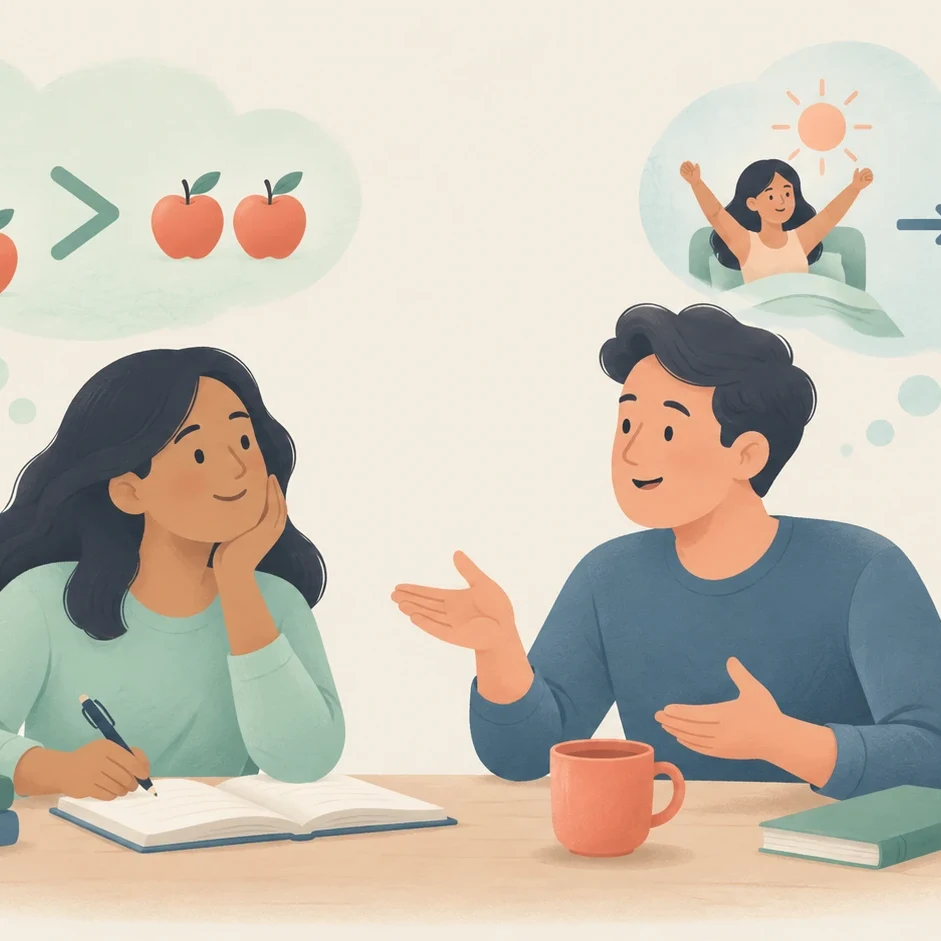
More than or more then: choose the right word
'More than' is a comparative phrase where 'than' introduces the second element, benchmark, or threshold of a comparison. It means an amount greater than a specified number or quality. 'Then' is an adverb of time, order, or condition, meaning 'after that', 'at that time', or 'in that case'. The form 'more then' has no grammatical standing as a comparative phrase.
-

How to use semicolons: guide for clear sentences
A semicolon marks a pause stronger than a comma but softer than a period. It indicates that the following statement directly explains, balances, or completes the statement before it without needing a coordinating conjunction.
-

Past perfect progressive: when to use it
The past perfect progressive highlights the duration or ongoing process of an activity that occurred before a later moment in the past. It shows that the earlier action was in progress up to or close to that second past event, often explaining a visible result or state at that time.
-

Could, would, or should: choose the right verb
Could indicates that something is possible or available as an option. Would describes what happens under a specific condition or in an imagined reality. Should indicates that an action is advisable, desirable, or expected.
-

English Collocations: Natural Word Pairs
A collocation is a pair or group of words that habitually appear together in natural speech and writing. While another word combination might communicate your basic idea, it sounds odd to an everyday listener because it breaks standard usage habits.
-
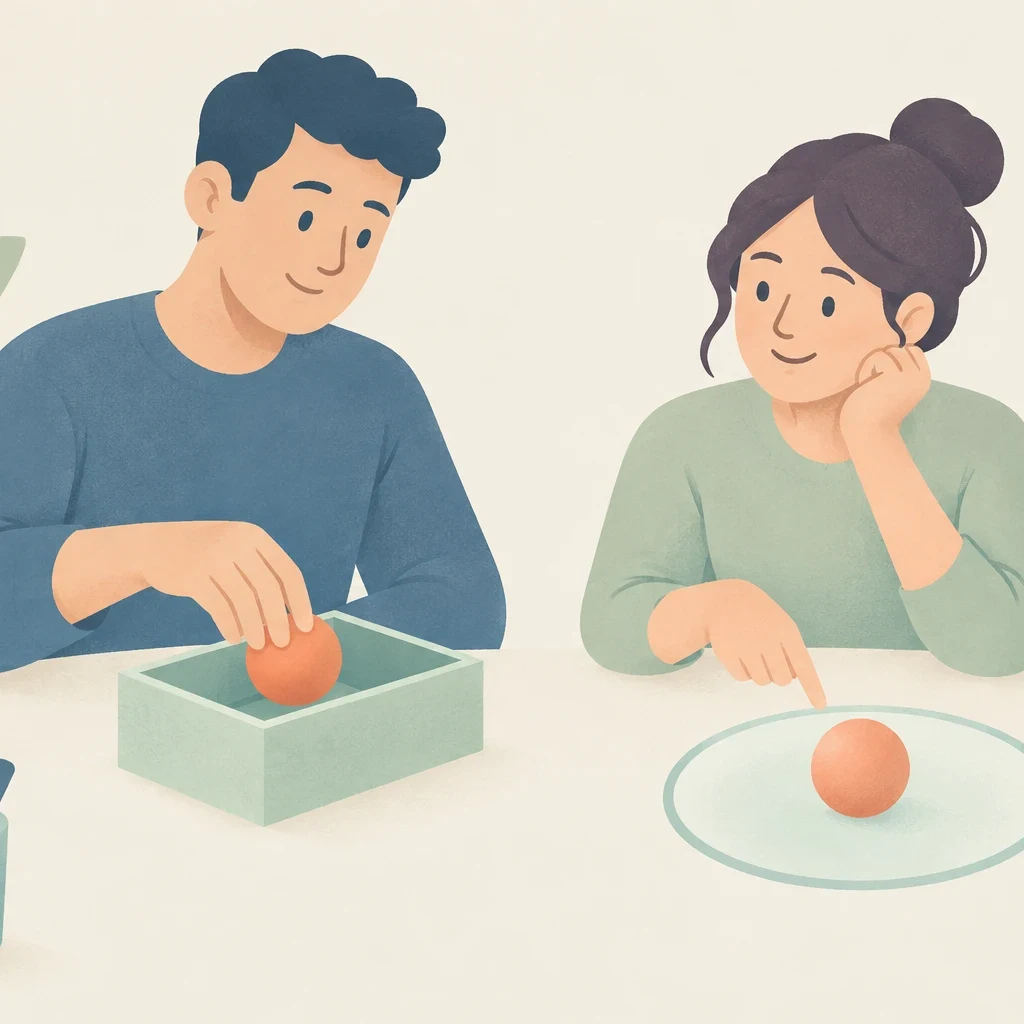
In or within: Choose the right word
The preposition in indicates location inside a place or marks a point after a period passes. The preposition within also means inside, but it explicitly emphasizes the boundaries enclosing a space, amount, distance, or period. In two hours means when two hours have passed. Within two hours means at any point before two hours expire.
-
メンバーシップ
すべてのレッスンを7日間無料で利用
- ディクテーションとリスニングテスト付きの814レッスン
- 各レッスンにある音声からアクセントを選択
- 公開中のレッスンを利用、学習の進捗も保存
カード不要。その後も継続したい場合は月額$7.50から。
無料トライアルを開始 -
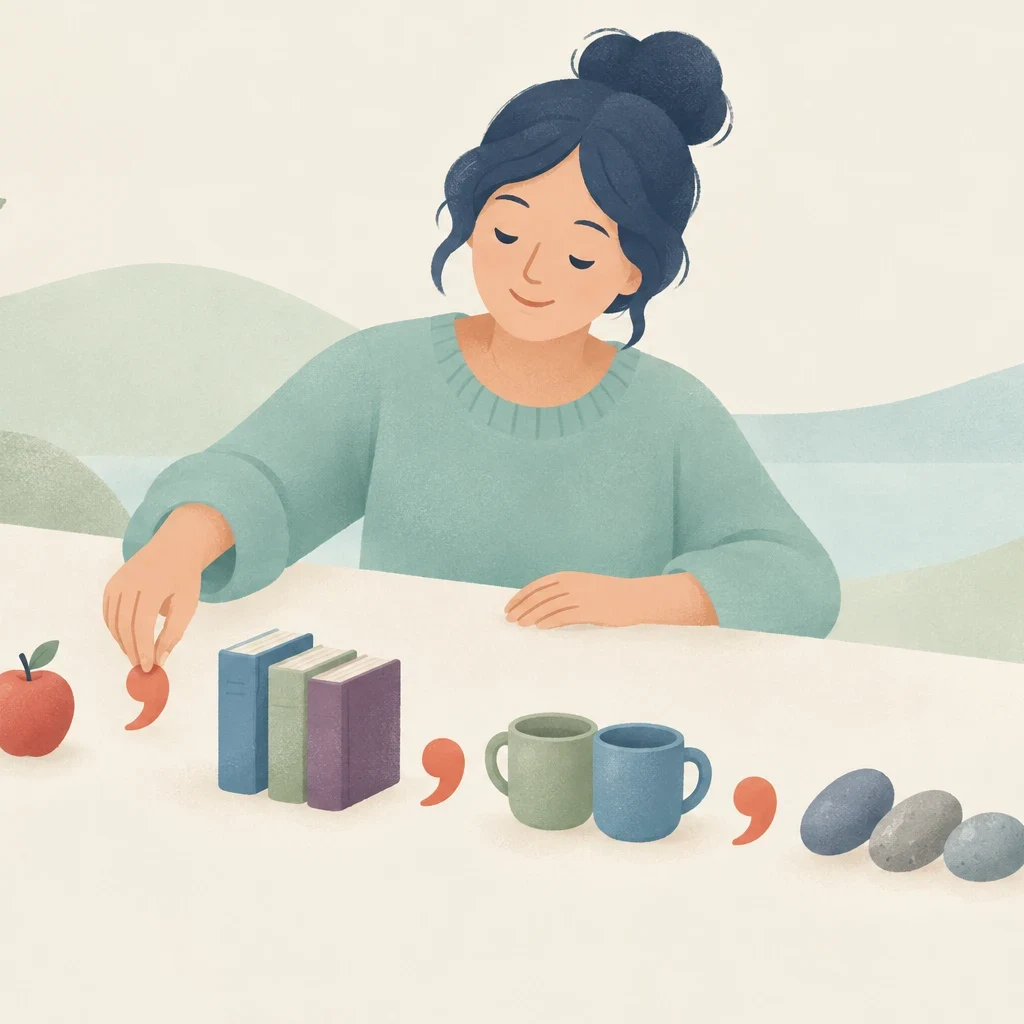
Using Commas: Where Commas Belong
A comma is a punctuation mark that separates grammatical units inside a sentence. It clarifies how phrases connect, shows where an introductory setup ends, divides series items, and sets off details that can be lifted out without breaking the main thought.
-

One of the Examples Is: Choosing Verbs
One of the examples refers to a single member of a set of examples. In this pattern, use a plural count noun after one of the. The main statement concerns one member, so its verb is normally singular. This is a grammatical pattern, not a claim about whether selection from a one-item set is mathematically possible.
-

If Clauses: Real and Imagined Situations
An if clause sets up a requirement that must be met before a particular result can occur. Depending on how likely or realistic that requirement is, English shifts the tense structure to reflect certainty, possibility, or hypothetical distance.
-

Awesome Meaning: Praise and Clear Feedback
In modern conversational English, awesome describes something enjoyable, impressive, or exciting. Its traditional meaning refers to something that creates a profound feeling of awe, such as a towering natural landmark or a powerful storm. While both uses reflect admiration, the casual meaning is far more common in daily speech.
-

When to Use The: Practical English Rules
The word the points to a specific, identifiable referent. Unlike indefinite articles that introduce an unspecific member of a class, the signals that both speaker and listener share an understanding of the exact noun in question. It functions with singular countable nouns, plural countable nouns, and uncountable nouns alike, provided the identity of the noun is established.
-
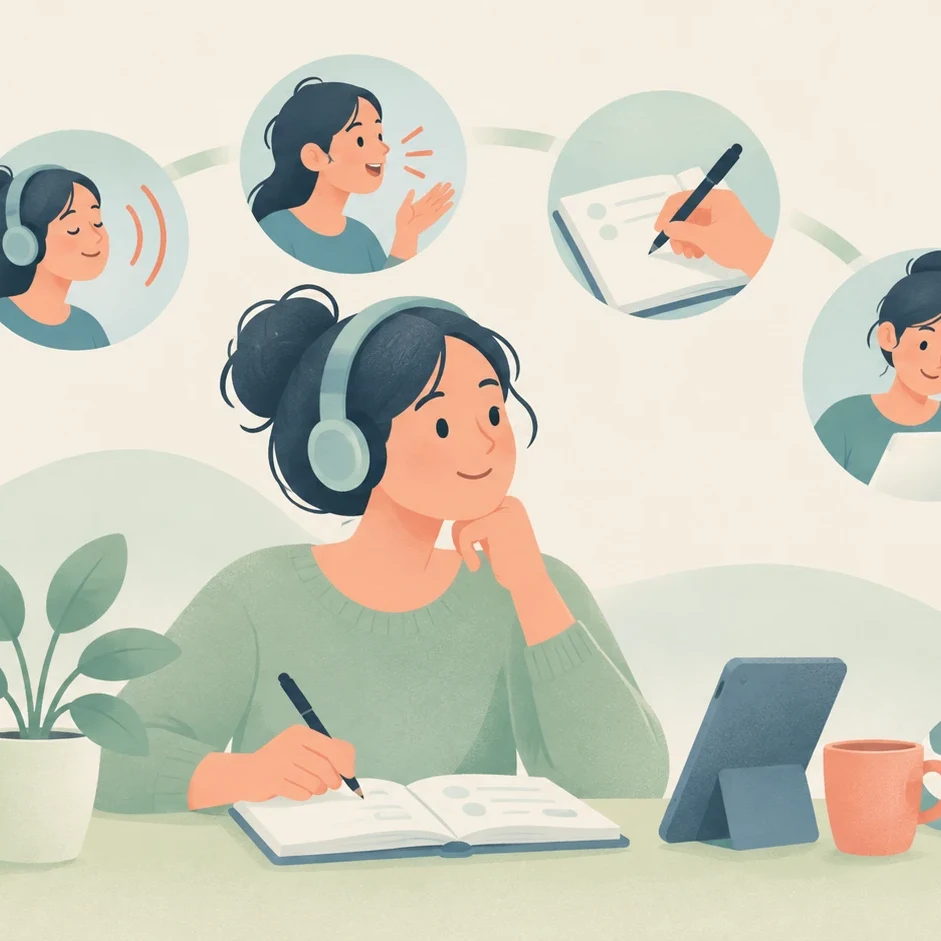
Learn English faster: a daily study plan
A practical routine connects study with situations you want to handle. You can practice phrases for a work update, an appointment, or a conversation with a neighbor, then check how well your words express the message.
-
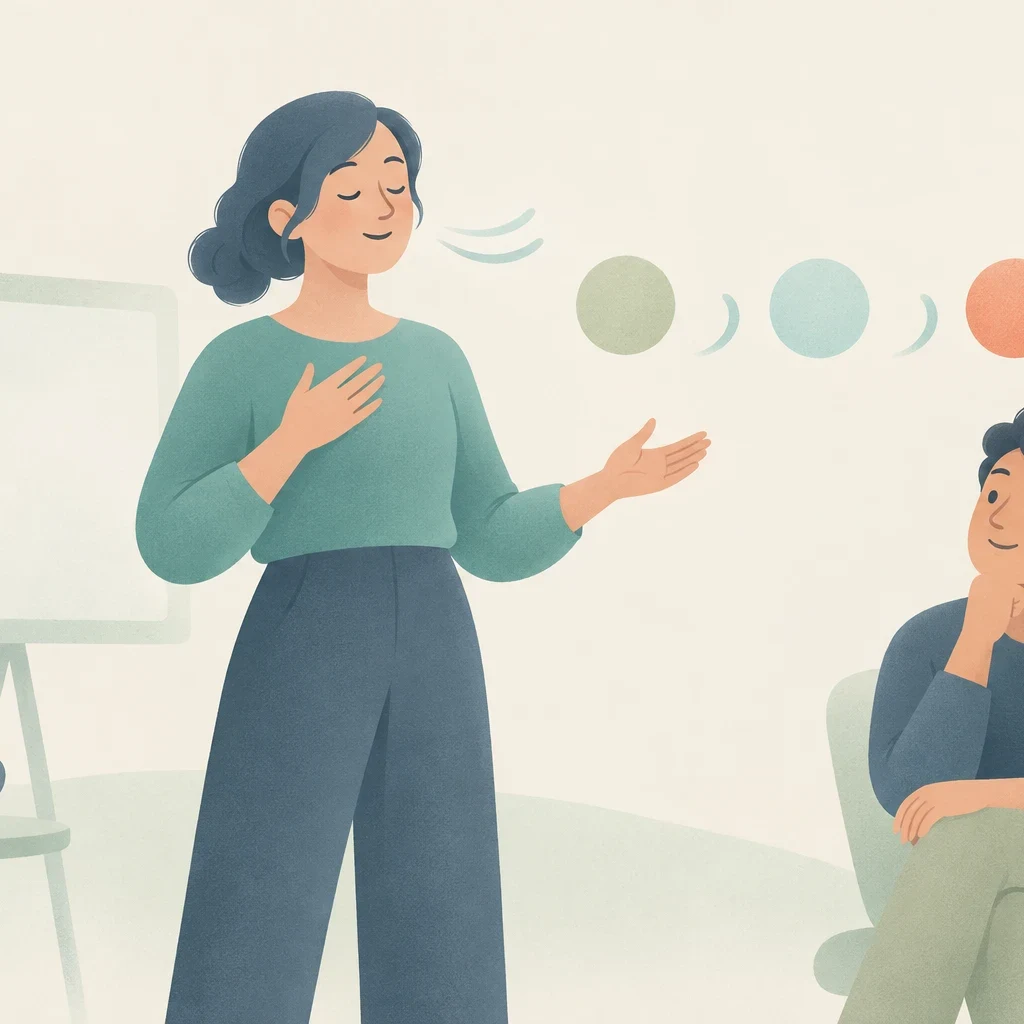
Breathe when public speaking: Pause before each point
Breathing for public speaking means giving yourself permission to stop between thoughts. You do not need deep lung expansions or complicated counting exercises. You simply pause at punctuation marks and let your body take in air naturally before starting the next sentence.
-
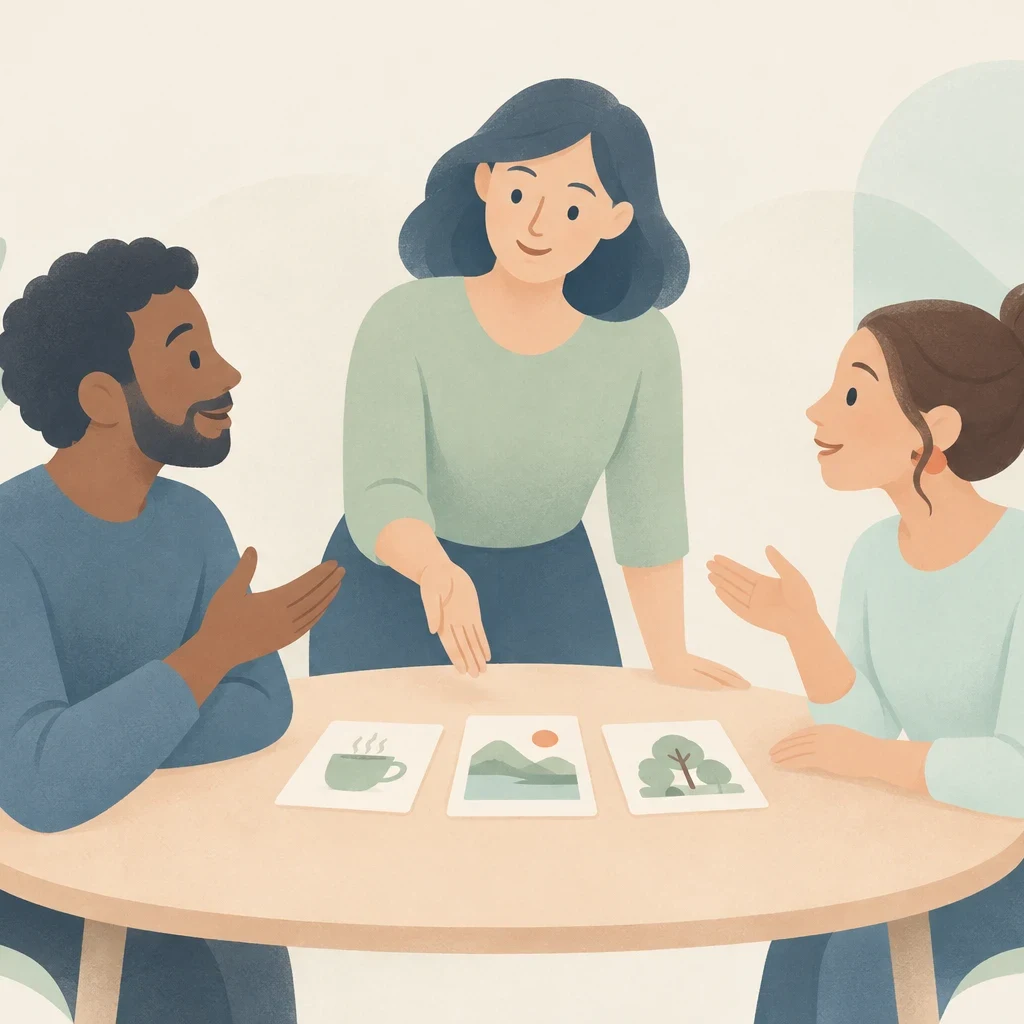
English class activity ideas: practical speaking tasks
Active learning means using English to accomplish a concrete task rather than silently memorizing rules. Learners speak, listen, write, or sort details to solve a problem or exchange facts. Quiet individual thinking and writing also support active learning when they help a learner organize thoughts before speaking.
-

Forming Adverbs from Adjectives: Rules and Word Position
Adjectives describe qualities of nouns or follow linking verbs, answering questions such as what kind or which one. Adverbs of manner describe action verbs, answering the question how. Transforming an adjective into an adverb allows you to specify the speed, care, intensity, or style with which an activity takes place.
-
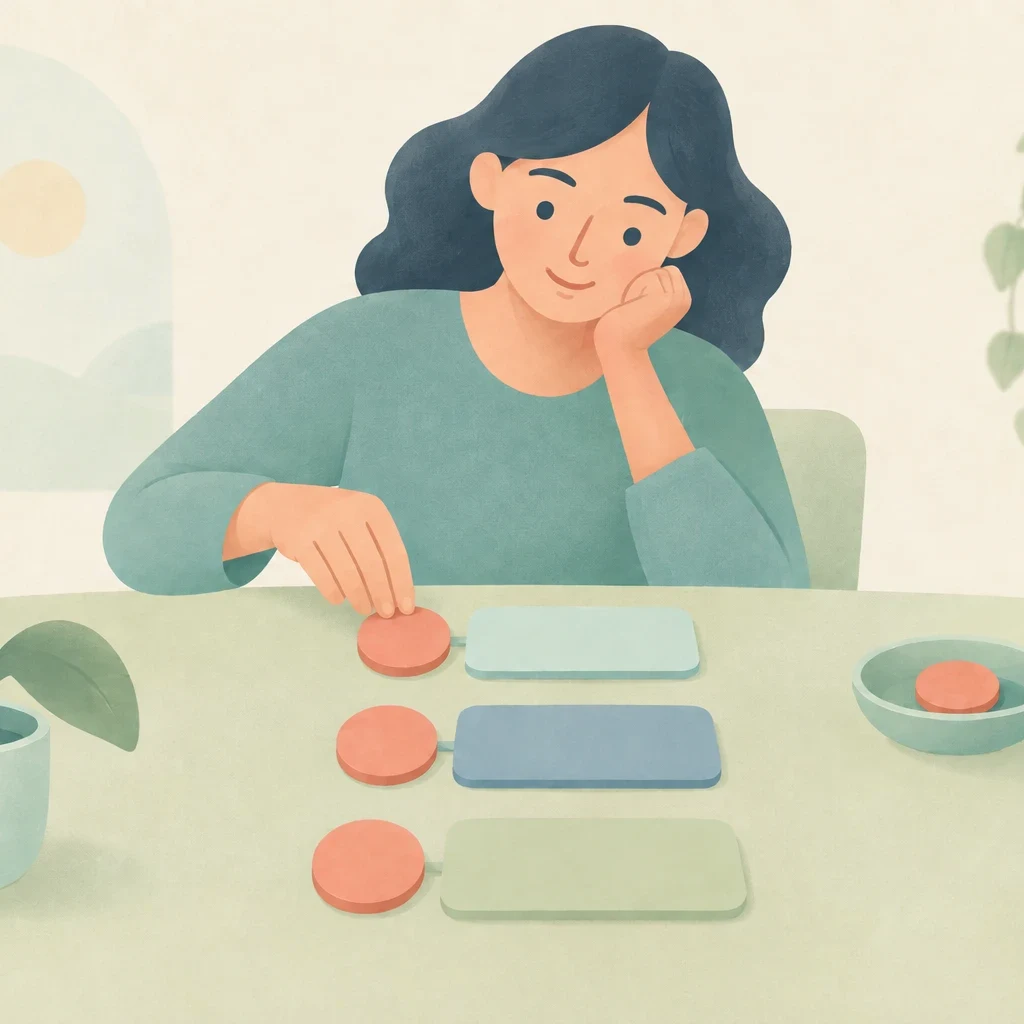
Negative Sentences: Form and Common Patterns
A negative sentence expresses that a condition does not exist, an event did not occur, or an action is not taking place. The grammatical negation is usually created with the particle not, though dedicated negative words like never, nobody, and nothing also establish this meaning.
-

Cut corners: avoid harmful shortcuts
In modern English, it describes taking an irresponsible shortcut during work, planning, or manufacturing. The phrase implies criticism because the person left out a necessary standard, compromising quality or safety.
-

Of or Off: Choose the Right Word
Use of to connect parts, contents, materials, and groups. It can show what something contains, belongs to, or is made of. Use off for separation, movement away from a surface, or an inactive operating state. A device that is off may still be connected to a power source.
お試しはまだですか?毎日無料レッスンを受け取る
7日間、短いディクテーションが毎日届きます。アカウント不要で、どこでも練習できます。
必要なフレーズや状況が見つかりませんか?
レッスンリクエストはメンバーシップに含まれます。
メンバーシップを見る