Englisch im Alltag verstehen
Fang mit kurzen Aufnahmen an und nimm dir danach längere Formulierungen vor. Beim ersten Hören geht es um die Situation, beim zweiten um die einzelnen Wörter.
Lektionen 289 bis 306 von 393
-

Phase out
Phase out means to stop producing, using, or providing something gradually through planned stages until it is completely gone.
-

Pay off
Pay off has two primary definitions. Without an object, it means that an action, strategy, or period of effort yields positive results. With an object representing borrowed money, it means that you finish repaying a financial balance so that nothing further is owed.
-
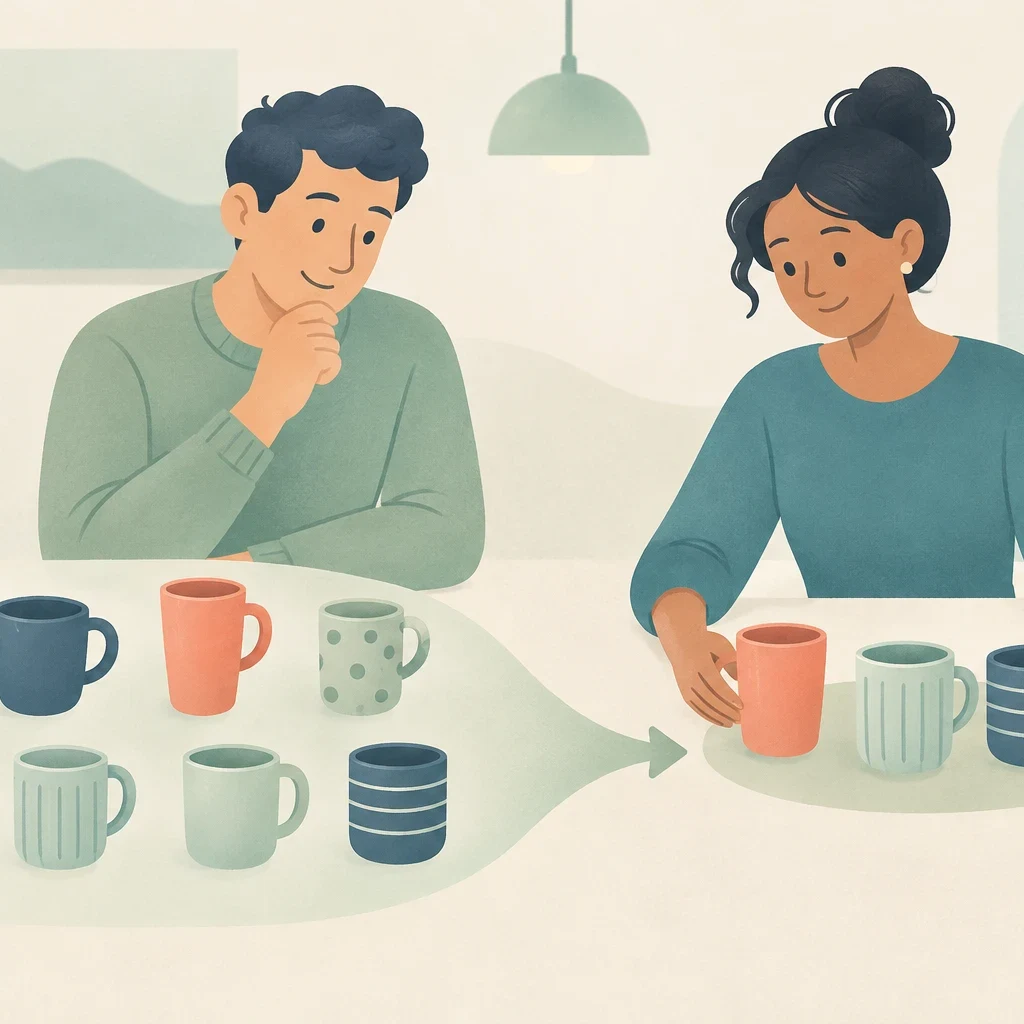
Narrow Down 3
Narrow down means to reduce the number or range of possibilities by removing options that are less suitable, practical, or likely. It applies to choices such as courses, hotels, and job candidates, as well as searches and possible causes.
-
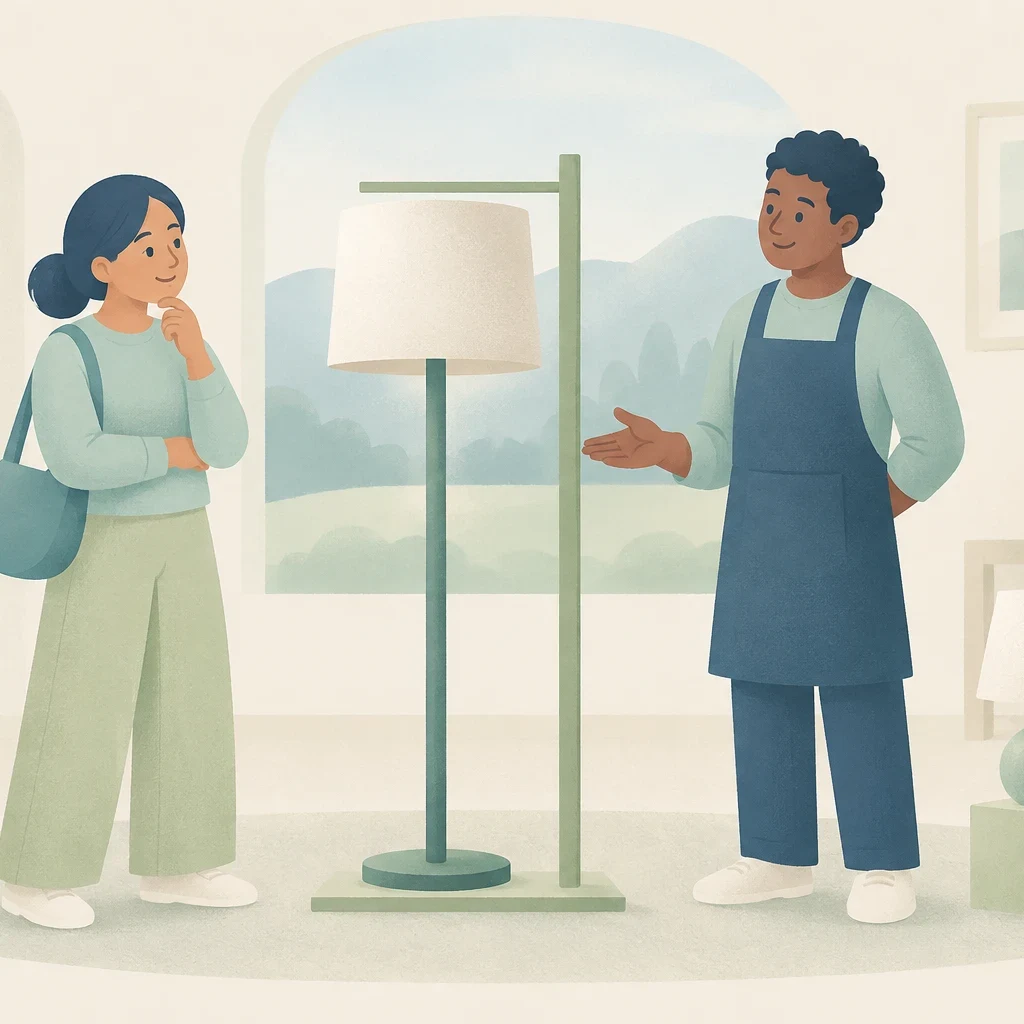
Measure up
Measure up means to reach a necessary level or standard. It shows that something or someone is good enough for a specific purpose, although it does not mean being perfect or better than everything else.
-
 Video · 7 Min.
 Make up
Make up means to invent an explanation or story, to become friendly again after an argument, to form a whole from smaller parts, or to complete missed work or time later.
-

Look up to
'Look up to' means to admire and respect someone. It describes holding high regard for a person's character, abilities, or values.
-
Mitgliedschaft
7 Tage kostenlos auf alle Lektionen zugreifen
- 573 Lektionen mit Diktaten und Hörtests
- Drei Akzente: britisch, amerikanisch und australisch
- Täglich neue Lektionen mit gespeichertem Lernfortschritt
Keine Karte erforderlich. Wer danach weiterlernen möchte, kann ab $7.50 pro Monat eine Mitgliedschaft wählen.
Kostenlos testen -

Look into
'Look into' means to investigate, examine, or check facts about a problem, situation, or possibility before deciding what to do.
-

Look forward to
Look forward to means to experience pleasure or excitement in the present while thinking about an expected future event or activity.
-

Lock out
Lock out means to prevent someone from entering a place or accessing a digital account, device, or system. The barrier may be a physical lock, an automatic latch, or a security rule that stops sign-in attempts.
-
 Video · 9 Min.
 Live with
'Live with' has two primary meanings in everyday communication. First, it describes sharing a home or living space with another person. Second, it expresses accepting an inconvenient reality, flaw, or limitation and moving forward without trying to eliminate it.
-

Live up to
The phrase 'live up to' means to reach an expected level of quality, standard, or behavior. When an event or item is as good as people said it would be, it lives up to that standard. It does not mean to exceed expectations, but rather to match them.
-

Let off
'Let off' has two primary meanings. First, it means choosing not to punish someone for breaking a rule, or giving them a milder penalty than standard regulations require. Second, it means causing fireworks, an explosive device, or a weapon to explode or discharge.
-

Leave out
Leave out means not including someone or something, either by deliberate choice or through an accidental oversight.
-

Keep up
Keep up means moving or progressing at the same speed as someone or something else so that you do not fall behind. When you add with, it connects your pace to another person, incoming information, or a continuous schedule of tasks. In a separate maintenance pattern, keep something up means continuing an action, standard, or effort over time.
-

Keep out of
Keep out of means staying outside a physical boundary or refusing to participate in a disagreement, problem, or private situation. Adding a person or thing after keep expresses preventing someone or something else from entering.
-

Keep it down
Keep it down means to speak more softly or make less noise. It asks people to lower their general sound level while continuing what they are doing.
-

Hold up
The two main meanings of hold up depend on how the sentence works. When something holds up a person, event, or task, it causes a delay. When an object, material, or argument holds up, it stays strong, remains reliable, or continues to seem true under pressure.
-

Head back
Head back means go towards a place you have already been. You can say it when you leave to return or while you are travelling there. It does not tell us that you have arrived.
Noch kein Probeabo? Erhalte täglich eine kostenlose Lektion
7 Tage lang kommt jeden Tag ein kurzes Diktat per E-Mail. Übe, wo du gerade bist. Du brauchst kein Konto.
Du findest den gesuchten Ausdruck oder die passende Situation nicht?
Lektionsanfragen sind in der Mitgliedschaft enthalten.
Mitgliedschaft ansehen