
Bibliothèque d’exercices d’écoute
Écoute en anglais : Received Pronunciation
Retrouvez l’ancienne collection Received Pronunciation. L’indication d’accent à côté de chaque extrait décrit son enregistrement actuel.

Few or little: choose the right word
Commencer à écouter
Few vs Some: Choosing Quantity Words
Commencer à écouter
Fill out
You can fill out an application with information, while a young person's face may naturally fill out over time.
Commencer à écouter
Finite Verbs: Find the Anchor Verb
Commencer à écouter
First-day onboarding tasks
A new employee receives two required tasks and one optional invitation. Which action must happen before system access works?
Commencer à écouter
Fit or suit: choose the right verb
Commencer à écouter
Flat viewing costs and dates
Four numbers describe the flat, but they do not all represent monthly costs. Can you label each amount and date correctly?
Commencer à écouter
Follow-up questions: keep conversations moving
Commencer à écouter
Food idioms: meanings and everyday examples
Commencer à écouter
For example: planning a shared kitchen
Commencer à écouter
Foreign Words in English: How Loanwords Work
Commencer à écouter
Forming Adverbs from Adjectives: Rules and Word Position
Commencer à écouter
Fractions and percentages: rules for everyday English
Commencer à écouter
Furthermore or Moreover: Adding Connected Points
Commencer à écouter
Future Continuous: Actions in Progress
Commencer à écouter
Future perfect or continuous: Choose the right form
Commencer à écouter
Future plans
You have decided to travel, bought the ticket, and agreed to meet a friend. Does English describe all three parts of that plan in the same way?
Commencer à écouter
Future predictions
Use be going to when present evidence shows what will happen next, and use will when you share a personal belief or guess about the future.
Commencer à écouter
Gerunds and infinitives with stop, try, remember and need
If you stop working and stop to work, have you ended the job or paused another activity so you can begin it?
Commencer à écouter
Gerunds: When to Use -ing
Commencer à écouter
Get away with
A person may break a rule without punishment, or use one coat of paint when two would be better. In both cases, they may get away with it.
Commencer à écouter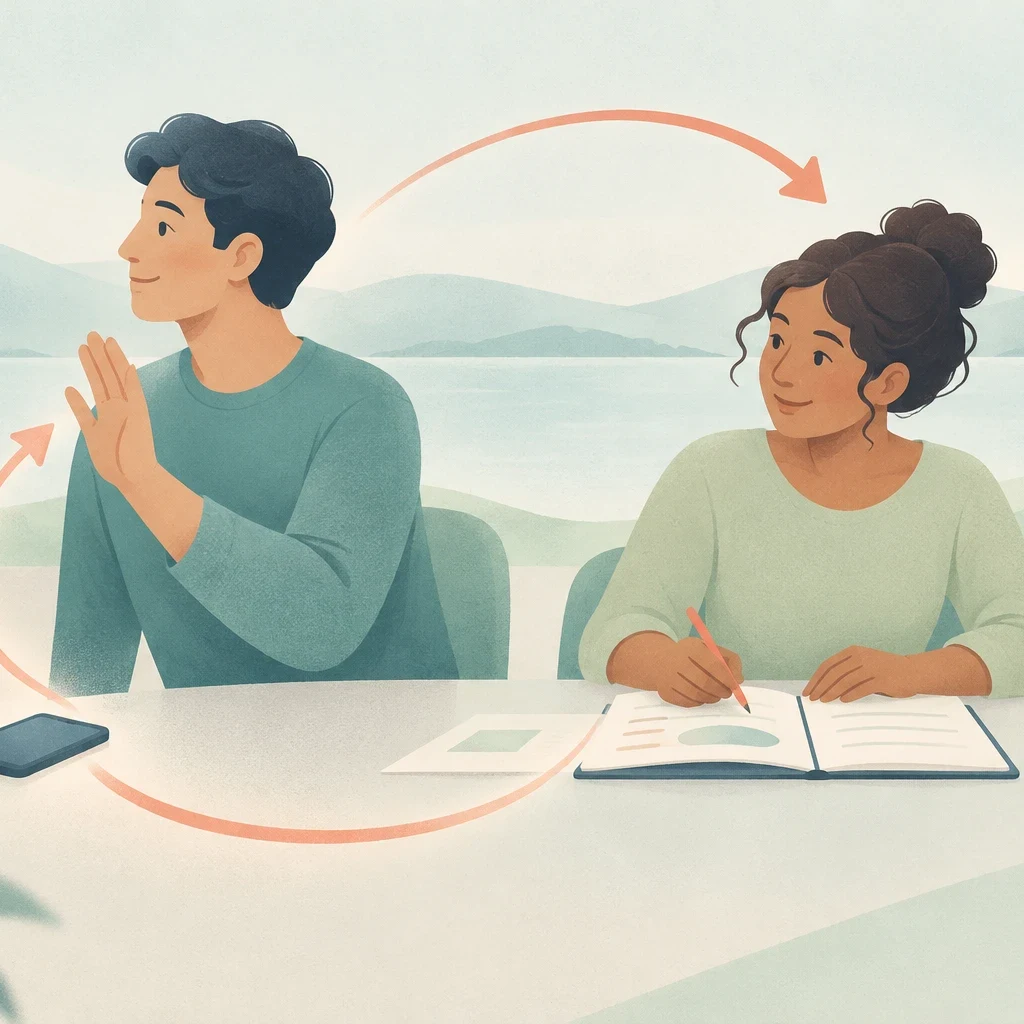
Get back to
If you cannot answer now, you can get back to a person later. When the interruption ends, you can get back to the task.
Commencer à écouter
Get by
When you have less money, equipment or language than you would like but still manage, you get by.
Commencer à écouter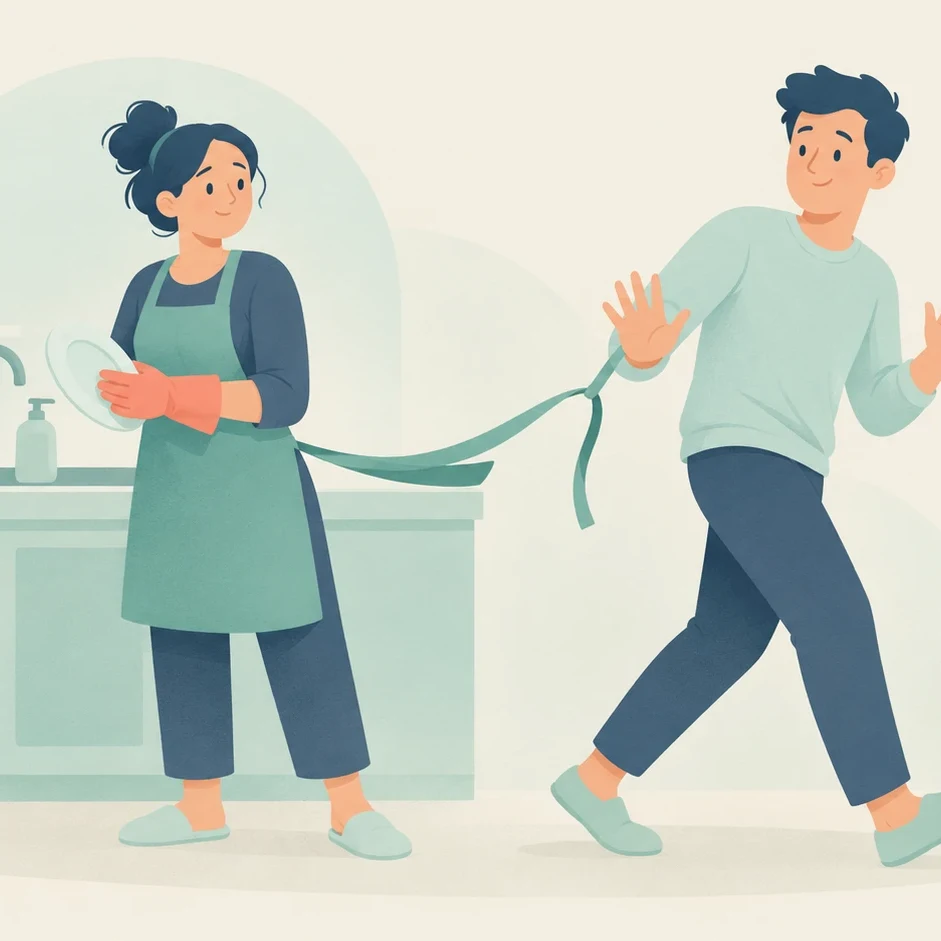
Get out of something
An excuse may help someone get out of a meeting, while a changed routine may help them get out of a bad habit.
Commencer à écouterSur cette page
Ce que vous allez travailler
Voici la collection historique Received Pronunciation. Ce nom désigne le classement d’origine ; il ne garantit pas l’accent de chaque voix actuelle.
Consultez l’accent indiqué dans le lecteur. Chaque extrait donne la prononciation d’une personne, pas une règle à suivre par tout le monde.