
Bibliothèque d’exercices d’écoute
Écoute en anglais : Received Pronunciation
Retrouvez l’ancienne collection Received Pronunciation. L’indication d’accent à côté de chaque extrait décrit son enregistrement actuel.

English Verb Tenses: Forms and Examples
Commencer à écouter
English articles: when to use them
Commencer à écouter
English class activities: choose practical speaking tasks
Commencer à écouter
English class activity ideas: practical speaking tasks
Commencer à écouter
English class skills: What you learn
Commencer à écouter
English homework help: Plan, write, and ask
Commencer à écouter
English intensifiers: choose the right word
Commencer à écouter
English prepositions: choose the right word
Commencer à écouter
English pronunciation: clear daily practice
Commencer à écouter
English slang: when to use it
Commencer à écouter
English speaking practice: build clear responses
Commencer à écouter
English vocabulary: learn and use words
Commencer à écouter
English words with C: six useful everyday words
Commencer à écouter
English words with N: six everyday choices
Commencer à écouter
English writing practice: four steps for clarity
Commencer à écouter
English writing tips: practical editing routine
Commencer à écouter
Epic meaning: stories and grand scale
Commencer à écouter
Equipment or Equipments: Which Is Correct?
Commencer à écouter
Ergative Verbs: When Objects Become Subjects
Commencer à écouter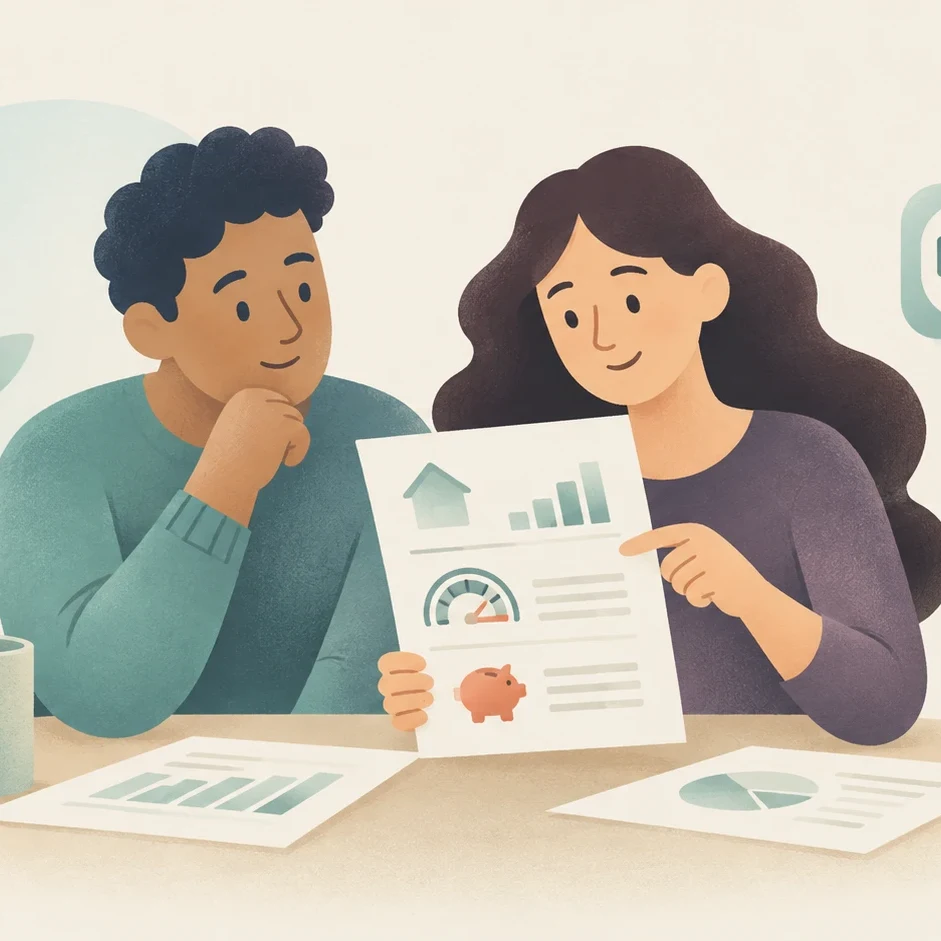
Estimated energy bill
The large bill is based on an estimate, not the meter. After one number is corrected, does the customer still owe money?
Commencer à écouter
Everyday English Words: Meanings and Examples
Commencer à écouter
Everyday Idioms in Context: Clues from the Situation
Commencer à écouter
Exclamations with What and Such: Clear Rules and Examples
Commencer à écouter
Face up to something
Ignoring a problem may delay a decision; facing up to it is the moment you accept that it is real.
Commencer à écouterSur cette page
Ce que vous allez travailler
Voici la collection historique Received Pronunciation. Ce nom désigne le classement d’origine ; il ne garantit pas l’accent de chaque voix actuelle.
Consultez l’accent indiqué dans le lecteur. Chaque extrait donne la prononciation d’une personne, pas une règle à suivre par tout le monde.