
Biblioteca de dictados
Received Pronunciation: colección histórica de lecciones
Encuentra lecciones de la colección original de Received Pronunciation. La etiqueta de acento junto a cada clip describe su grabación actual.

English Verb Tenses: Forms and Examples
Empezar a escuchar
English articles: when to use them
Empezar a escuchar
English class activities: choose practical speaking tasks
Empezar a escuchar
English class activity ideas: practical speaking tasks
Empezar a escuchar
English class skills: What you learn
Empezar a escuchar
English homework help: Plan, write, and ask
Empezar a escuchar
English intensifiers: choose the right word
Empezar a escuchar
English prepositions: choose the right word
Empezar a escuchar
English pronunciation: clear daily practice
Empezar a escuchar
English slang: when to use it
Empezar a escuchar
English speaking practice: build clear responses
Empezar a escuchar
English vocabulary: learn and use words
Empezar a escuchar
English words with C: six useful everyday words
Empezar a escuchar
English words with N: six everyday choices
Empezar a escuchar
English writing practice: four steps for clarity
Empezar a escuchar
English writing tips: practical editing routine
Empezar a escuchar
Epic meaning: stories and grand scale
Empezar a escuchar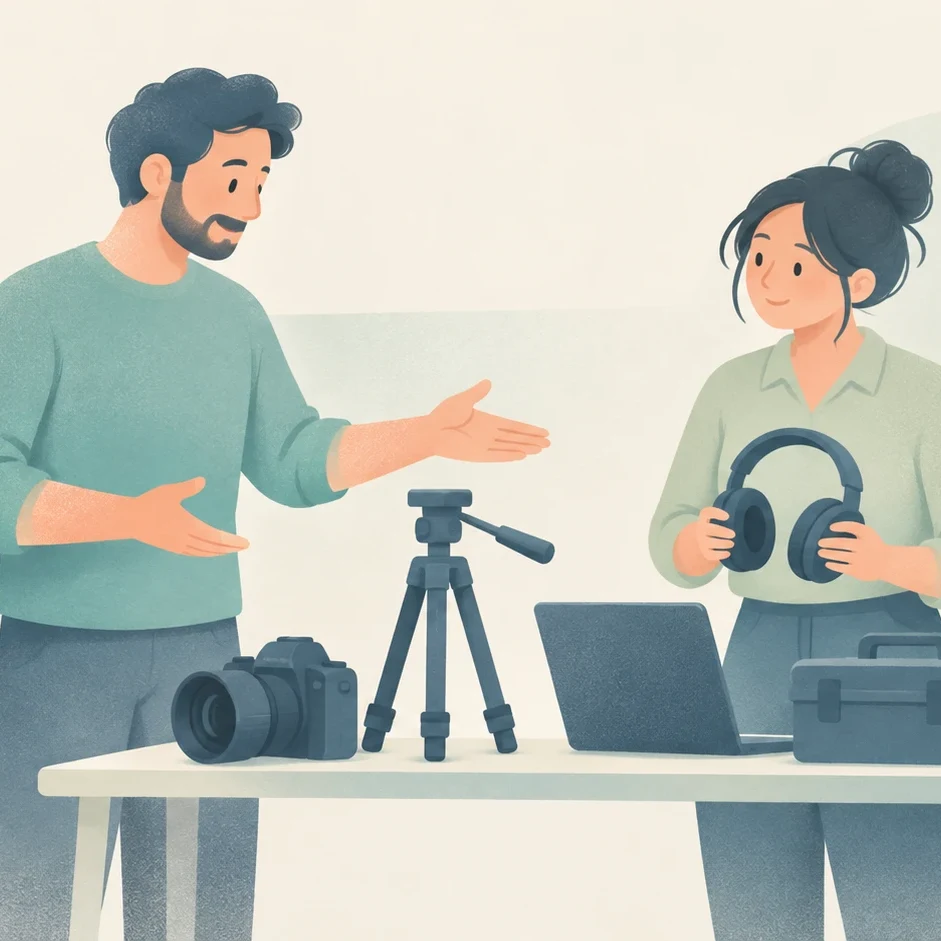
Equipment or Equipments: Which Is Correct?
Empezar a escuchar
Ergative Verbs: When Objects Become Subjects
Empezar a escuchar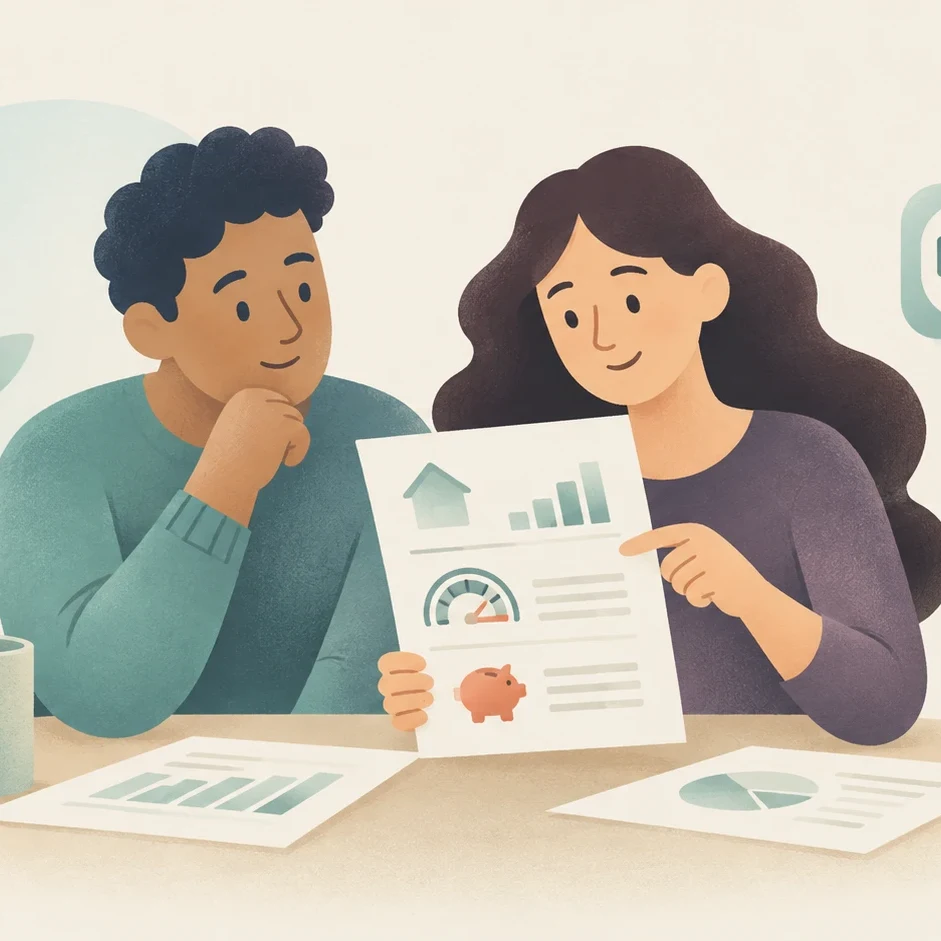
Estimated energy bill
The large bill is based on an estimate, not the meter. After one number is corrected, does the customer still owe money?
Empezar a escuchar
Everyday English Words: Meanings and Examples
Empezar a escuchar
Everyday Idioms in Context: Clues from the Situation
Empezar a escuchar
Exclamations with What and Such: Clear Rules and Examples
Empezar a escuchar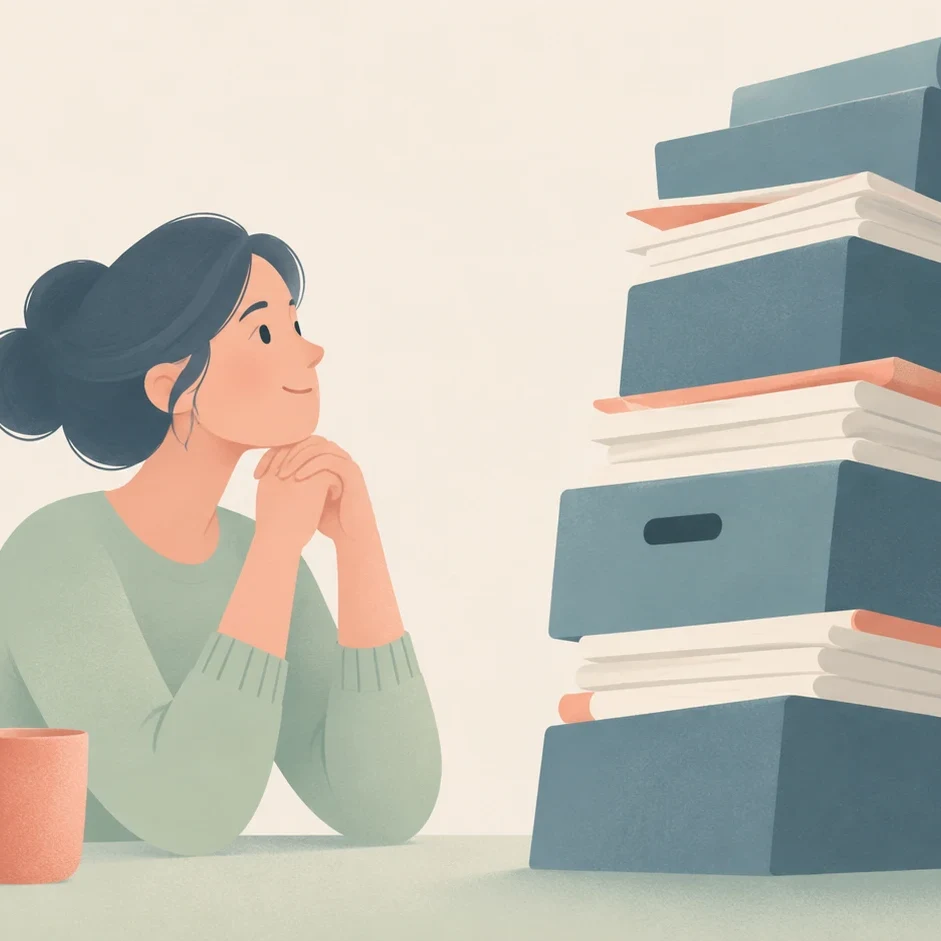
Face up to something
Ignoring a problem may delay a decision; facing up to it is the moment you accept that it is real.
Empezar a escucharLo que encontrarás aquí
Cómo ayuda esta práctica
Esta es la colección original de Received Pronunciation. El nombre identifica la agrupación histórica, no una promesa sobre cada voz actual.
Revisa la etiqueta de acento del reproductor. Trata cada grabación como la pronunciación de un hablante, no como una regla de cómo debe sonar todo el mundo.
