
Biblioteca de dictados
Received Pronunciation: colección histórica de lecciones
Encuentra lecciones de la colección original de Received Pronunciation. La etiqueta de acento junto a cada clip describe su grabación actual.

Who, which, or that: how to choose
Empezar a escuchar
Whose bag is it? Describing people and their belongings
Empezar a escuchar
Whose or who's: choose the right word
Empezar a escuchar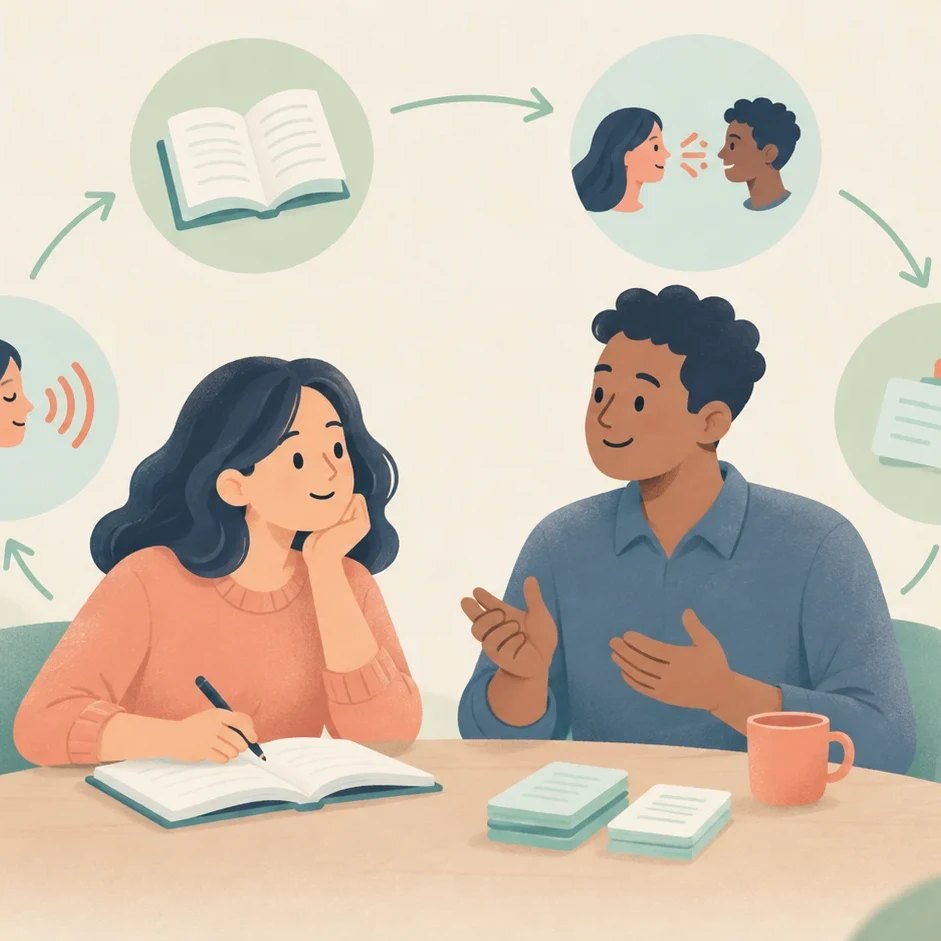
Why English class matters: four practical habits
Empezar a escuchar
Will or Going to: Choose the Right Future
Empezar a escuchar
Will or be going to: choose your future form
Empezar a escuchar
Words beginning with E: six useful choices
Empezar a escuchar
Words beginning with G: everyday vocabulary practice
Empezar a escuchar
Work in a team or on a team: choose the right phrase
Empezar a escuchar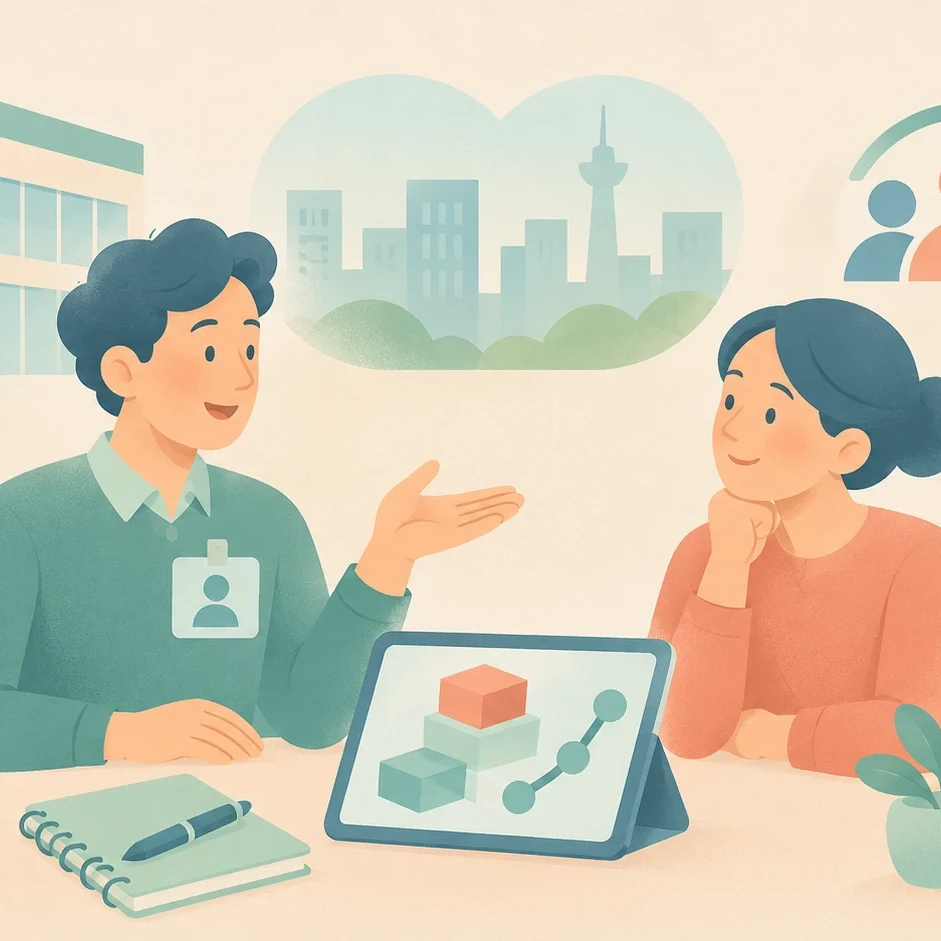
Work in, work for, or work at: which preposition?
Empezar a escuchar
Work out
You can work out a bill, work out why a device failed, work out at the gym, or hope a plan works out. The object and subject reveal the meaning.
Empezar a escuchar
Worry or be worried: which one fits?
Empezar a escuchar
Write a Formal Letter: Clear Rules and Examples
Empezar a escuchar
You're Welcome vs Your Welcome: Quick Spelling Guide
Empezar a escuchar
Young animal words: Naming Offspring in English
Empezar a escuchar
Your or Yours: How to Choose
Empezar a escuchar
abstract nouns: everyday rules and examples
Empezar a escuchar
across vs through: choose the right path
Empezar a escuchar
because although so however: connect your ideas
Empezar a escuchar
beware of: warning preposition usage guide
Empezar a escuchar
health vocabulary: talk about everyday symptoms
Empezar a escuchar
housewife vs homemaker: what is the difference
Empezar a escuchar
i.e. vs e.g.: Difference and Examples
Empezar a escuchar
make or made: choose the right form
Empezar a escucharLo que encontrarás aquí
Cómo ayuda esta práctica
Esta es la colección original de Received Pronunciation. El nombre identifica la agrupación histórica, no una promesa sobre cada voz actual.
Revisa la etiqueta de acento del reproductor. Trata cada grabación como la pronunciación de un hablante, no como una regla de cómo debe sonar todo el mundo.
