شکلهای کوتاهشده رو تشخیص بده
به شکلهای کوتاه مثل «it’s» و «don’t» گوش میدی و همون چیزی رو که میشنوی مینویسی. بعد نوشتهات رو با متن فایل صوتی مقایسه میکنی.
درسهای 1 تا 10 از 10 درس
-

Negative questions: form and everyday use
A standard question asks neutrally: 'Did you lock the door?' You do not indicate what answer you expect. A negative question suggests an assumption: 'Didn't you lock the door?' Here, you probably believed the door was locked and are surprised to find it open. The listener can still answer yes or no, but the question reveals your perspective.
-
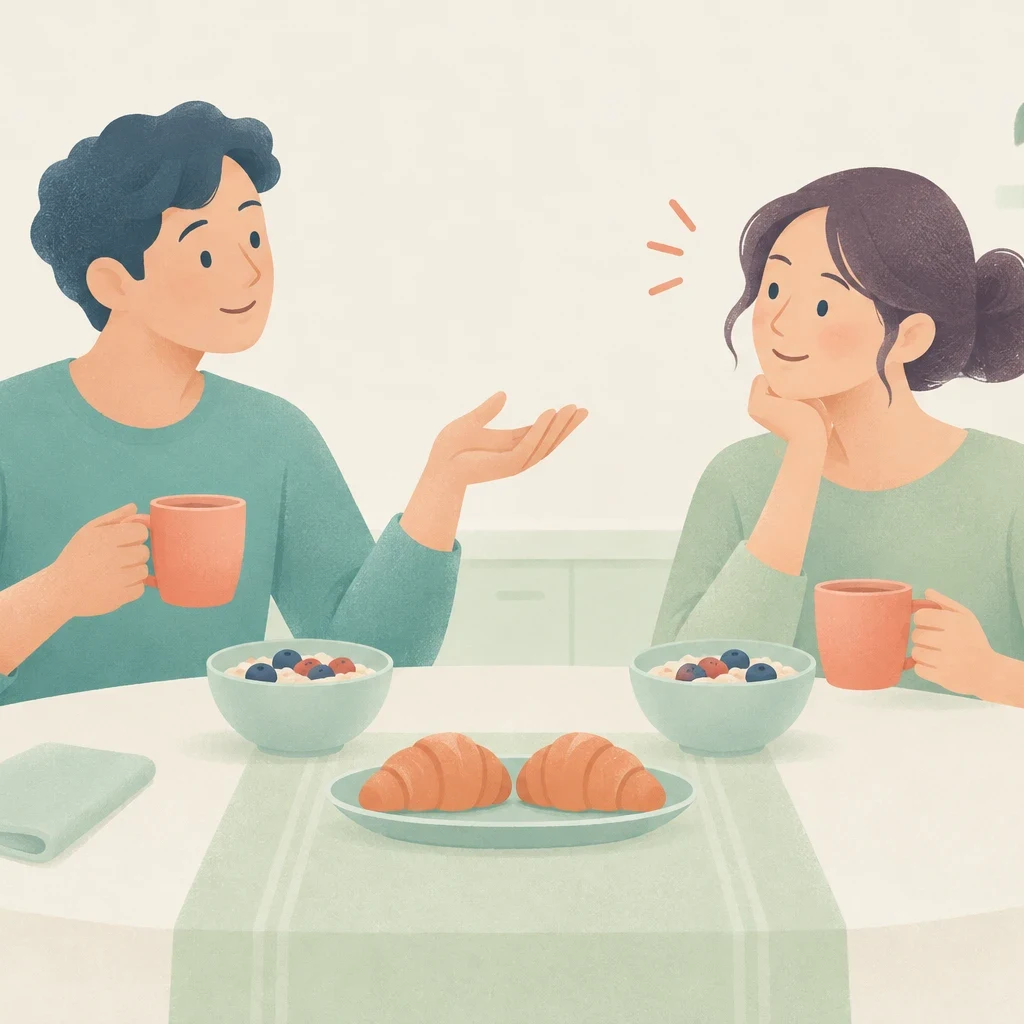
Tag Questions: Confirm Everyday Information
Tag questions serve two main conversational purposes depending on how certain the speaker feels. When you believe something is true but want to double-check, a tag question provides quick confirmation. When you know a fact and expect agreement, a tag question invites the listener into the dialogue, softening statements that might otherwise sound too direct.
-

Possessive Nouns: Choosing the Right Form
A possessive noun names an owner or a related person, group, or thing. In English, this relationship can indicate direct ownership like a person's bag, a working connection like a company's policy, a family link like an uncle's house, or a time frame like Monday's schedule.
-

Apostrophes: Possession and Short Forms
An apostrophe functions as an indicator of ownership or contraction. In possessive forms, it links an owner to an item or idea, answering the question of ownership clearly. In contractions, it marks the exact spot where one or more letters disappeared during natural speech. Because plural nouns only indicate quantity, they do not require an apostrophe to make sense.
-

English Contractions: When to Shorten Words
A contraction is a single word formed by joining two words and inserting an apostrophe in place of omitted letters. English contractions commonly connect subject pronouns with forms of be, have, and will, or merge auxiliary verbs with not. The core message of the sentence remains unchanged, but the shortened structure shifts the delivery toward a smoother, more informal register.
-

Your or You're: Choosing the Right Word
Your indicates that something belongs to or relates to the person receiving the message, functioning as a possessive word before a noun. You're is a contracted form representing you are, which combines the subject pronoun with the present tense verb.
-
اشتراک
7 روز دسترسی رایگان به همهٔ درسها
- 714 درس با دیکته و آزمون شنیداری
- سه لهجه: بریتانیایی، آمریکایی و استرالیایی
- ذخیرهٔ پیشرفت تمرینها
کارت بانکی لازم نیست. اگه بعد از دورهٔ رایگان خواستی ادامه بدی، اشتراکها از ماهانه $7.50 شروع میشن.
شروع دورهٔ رایگان -

You're Welcome vs Your Welcome: Quick Spelling Guide
You're represents the two words you are joined into a single word. The apostrophe replaces the missing letter a. In the reply you're welcome, you state that the listener is welcome to your help. In contrast, your shows possession or connection. It never contains an apostrophe and never means you are.
-

Regular past verbs: report what happened and what is ready
A regular verb adds -ed to make both its past simple and its past participle. Use the past simple for a finished time (I packed it yesterday) and have or has plus the participle for a result now (I have packed it). After did or didn't, use the base form.
-

Listen, then check: capital letters in everyday messages
Capital letters mark sentence beginnings and help identify names. Compare a centre with Oak Street Centre: one describes a kind of place, while the other gives its name.
-
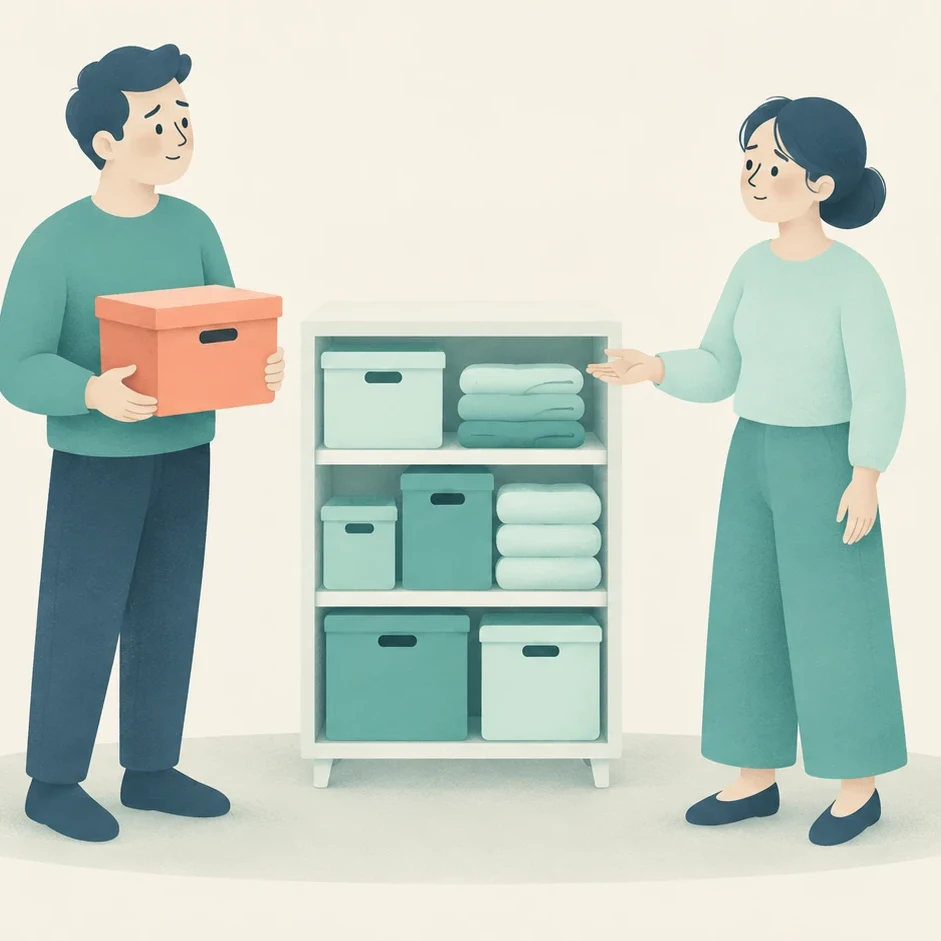
Nowhere to Put It: Explain a Space Problem
Nowhere means no place, in no place or to no place. In everyday conversation, it often means there is no suitable place for a particular action.
هنوز دورهٔ آزمایشی رو شروع نمیکنی؟ هر روز یه درس رایگان بگیر
تا ۷ روز، هر روز یک دیکتهٔ کوتاه در ایمیلت دریافت کن. هر جا هستی تمرین کن؛ نیازی به حساب نداری.
عبارت یا موقعیتی که میخواستی رو پیدا نکردی؟
با اشتراک میتونی درس درخواست کنی.
دیدن اشتراکها