听出缩写形式
留意it’s和don’t这样的缩写。写下听到的内容,再和原文对照。
显示第1–6节,共6节课
-

English Contractions: When to Shorten Words
A contraction is a single word formed by joining two words and inserting an apostrophe in place of omitted letters. English contractions commonly connect subject pronouns with forms of be, have, and will, or merge auxiliary verbs with not. The core message of the sentence remains unchanged, but the shortened structure shifts the delivery toward a smoother, more informal register.
-

Your or You're: Choosing the Right Word
Your indicates that something belongs to or relates to the person receiving the message, functioning as a possessive word before a noun. You're is a contracted form representing you are, which combines the subject pronoun with the present tense verb.
-

You're Welcome vs Your Welcome: Quick Spelling Guide
You're represents the two words you are joined into a single word. The apostrophe replaces the missing letter a. In the reply you're welcome, you state that the listener is welcome to your help. In contrast, your shows possession or connection. It never contains an apostrophe and never means you are.
-

Regular past verbs: report what happened and what is ready
A regular verb adds -ed to make both its past simple and its past participle. Use the past simple for a finished time (I packed it yesterday) and have or has plus the participle for a result now (I have packed it). After did or didn't, use the base form.
-
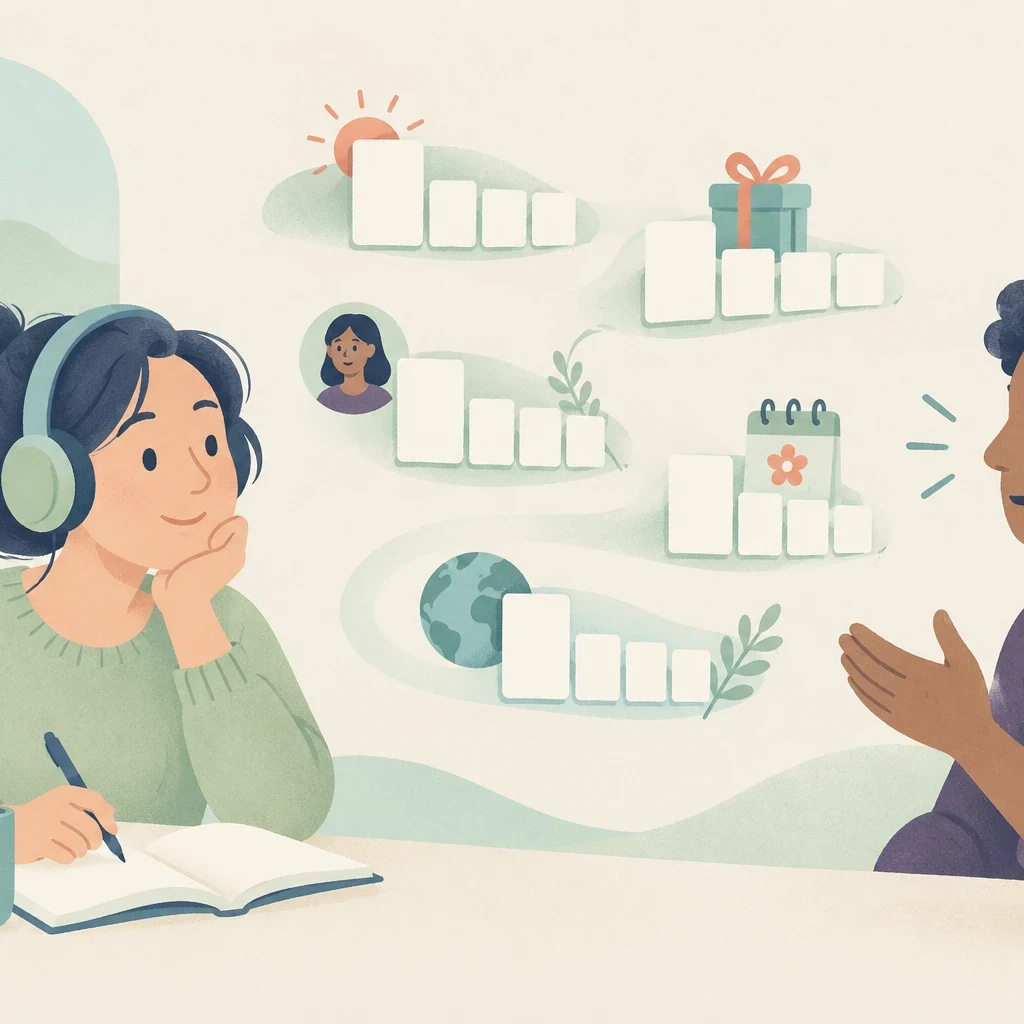
Listen, then check: capital letters in everyday messages
Capital letters mark sentence beginnings and help identify names. Compare a centre with Oak Street Centre: one describes a kind of place, while the other gives its name.
-
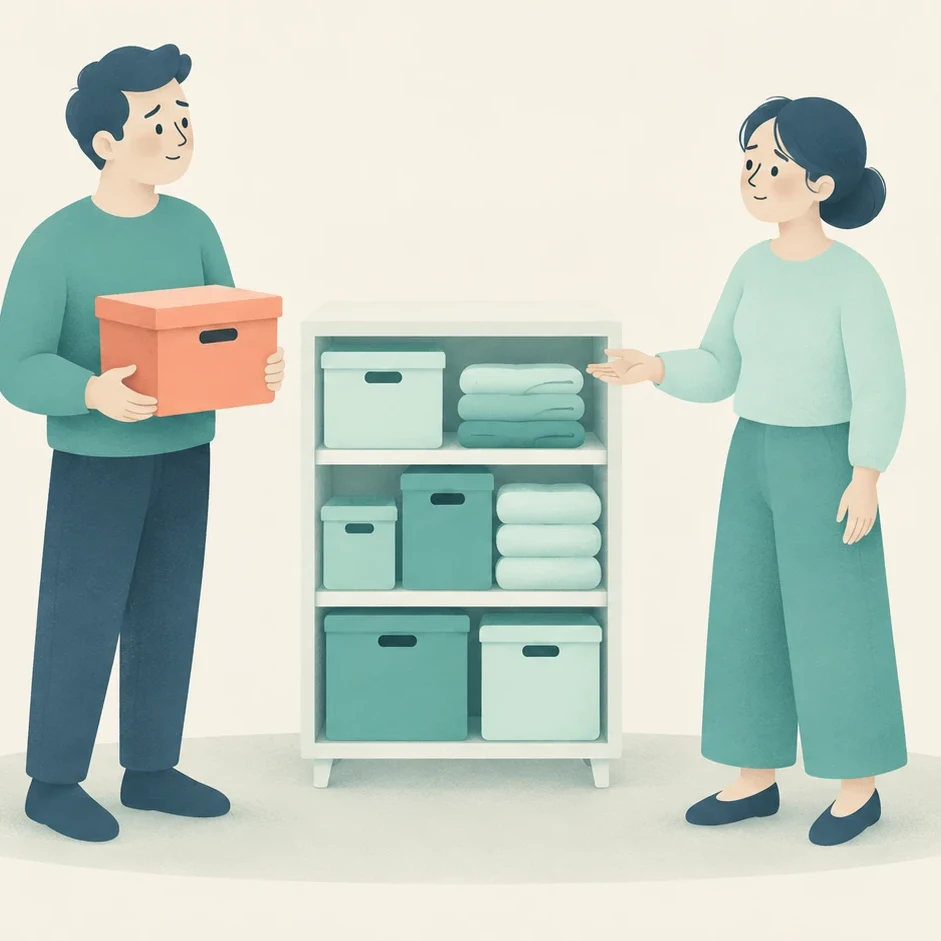
Nowhere to Put It: Explain a Space Problem
Nowhere means no place, in no place or to no place. In everyday conversation, it often means there is no suitable place for a particular action.
还没想好是否试用?每天收一节免费课
连续7天,每天发一段短听写到邮箱。在哪里都能练,不用注册账户。
找不到想学的表达或场景?
定制课程是会员功能。
查看会员方案