Find your next lesson
Search a phrase, or describe what you need to say. New lessons arrive every day.
Showing 199–216 of 276 lessons
Clear filters-

Get by
Get by means to survive, manage, or continue functioning in a difficult situation despite having only just enough money, equipment, time, or specialized skill.
-
Get back to
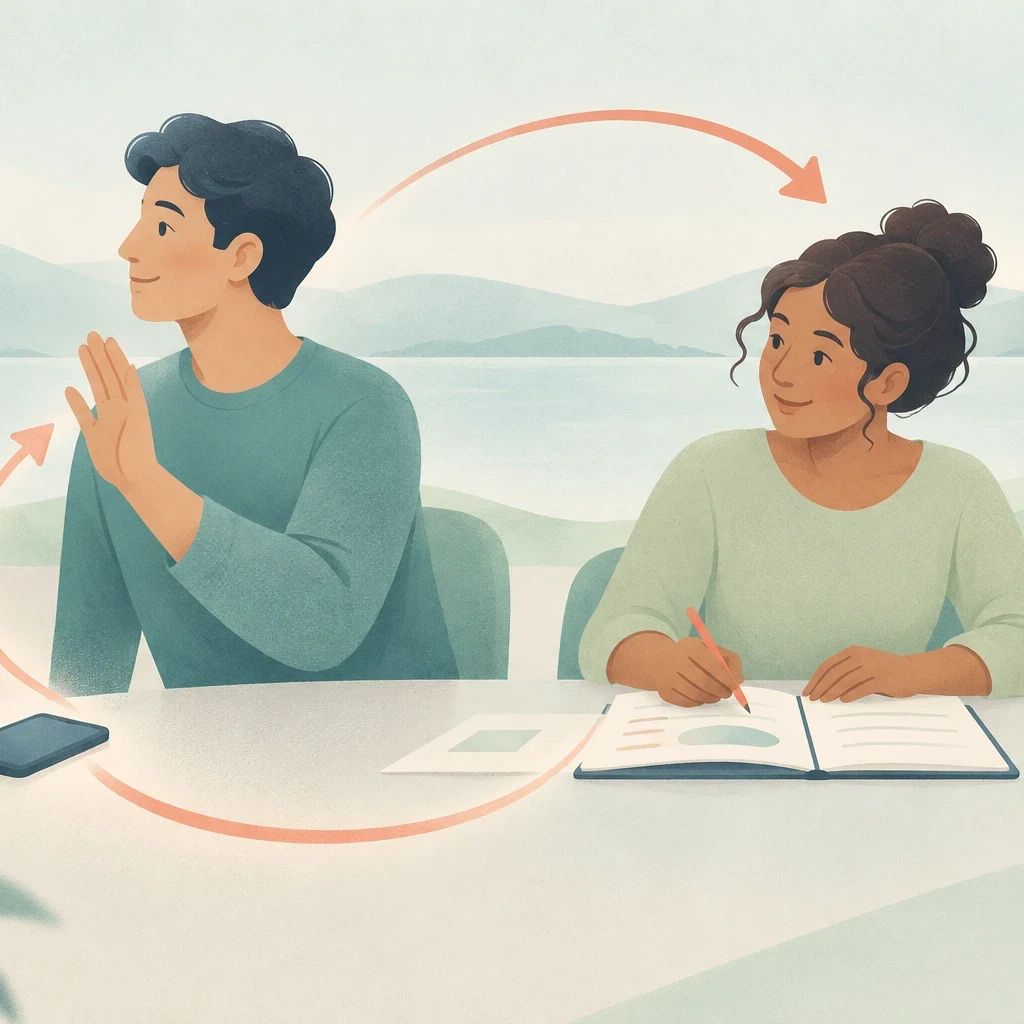
Get back to means either to reply to someone at a later time with information, or to return to an activity, discussion, or task after an interruption.
-

Get away with
The phrasal verb 'get away with' has two distinct uses in daily English. In the first use, someone acts unfairly, breaks a rule, or makes a serious mistake, yet escapes blame, criticism, or punishment. In the second use, a speaker selects a smaller, cheaper, or less complete solution that still meets the minimum need. This second meaning involves no wrongdoing; it simply describes a practical compromise that functions well enough.
-

Fill out
Fill out primarily means to enter requested details into the blank spaces of a paper document or digital form. A secondary meaning describes a person's face or body becoming fuller, rounder, or more mature over time.
-
Face up to something
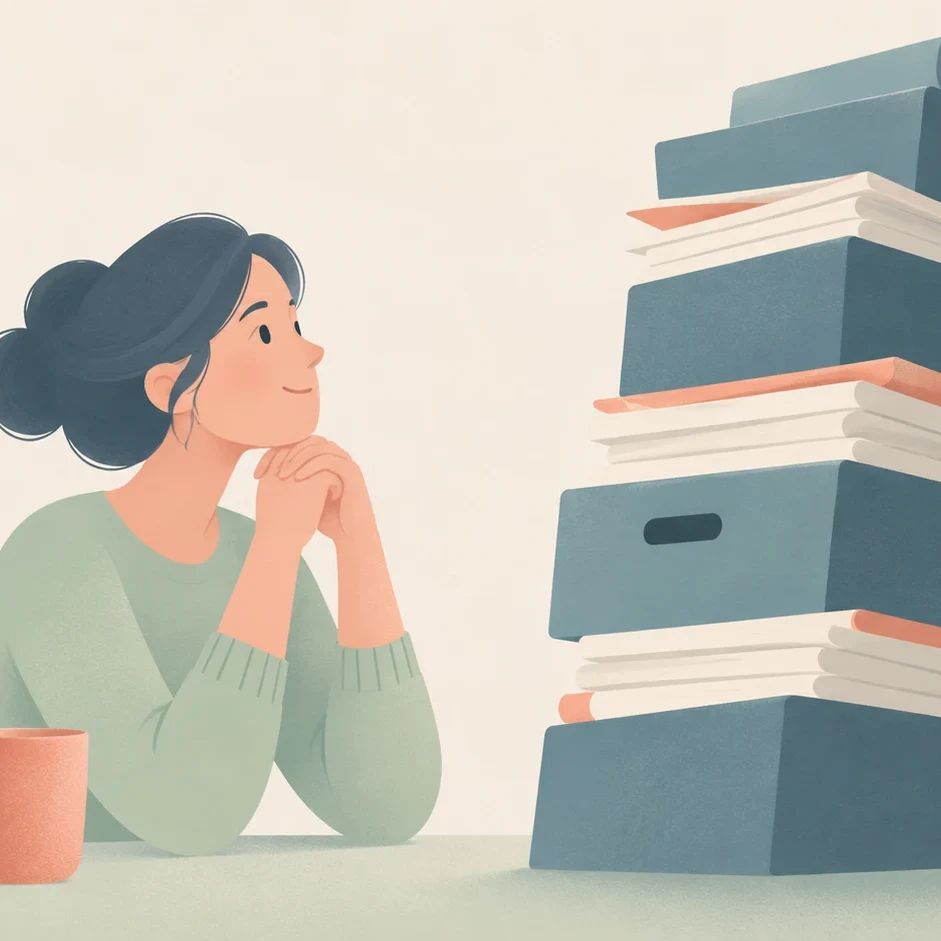
Face up to means to accept an unpleasant fact, problem, or responsibility honestly. The person may still dislike the situation or feel unsure about what to do next.
-

Drop out
Drop out means to stop taking part in an educational course, competition, or organized activity before completing it. It describes an exit from the entire program rather than a temporary pause.
-
Membership
Open every lesson free for 7 days
- 450 lessons with dictation and listening tests
- Three accents: British, American and Australian
- New lessons every day, and your progress is saved
No card needed. Then from $7.50 a month if you want to keep going.
Start free trial -

Drop off
Drop off functions as a phrasal verb with three common meanings: to deliver a person or an item to a specific destination, to fall asleep unintentionally or gradually, and to decrease in volume, rate, amount, or intensity.
-

Do up
The phrasal verb do up has three primary everyday meanings: fastening garments or footwear, renovating and decorating a room or property, and wrapping an object in paper or protective packaging. The intended meaning always depends on the specific noun receiving the action.
-
Cut off
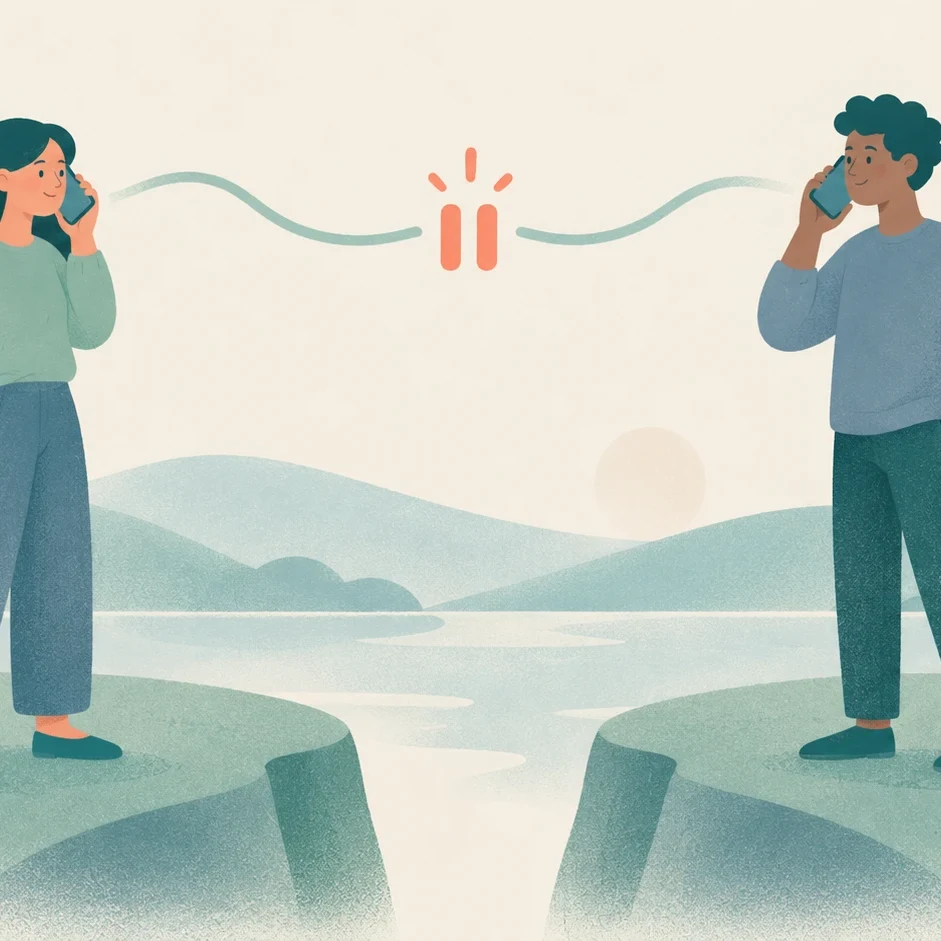
Cut off describes a phone conversation ending suddenly because the connection fails, or a person or place becoming separated from normal access or social contact.
-
Cut down
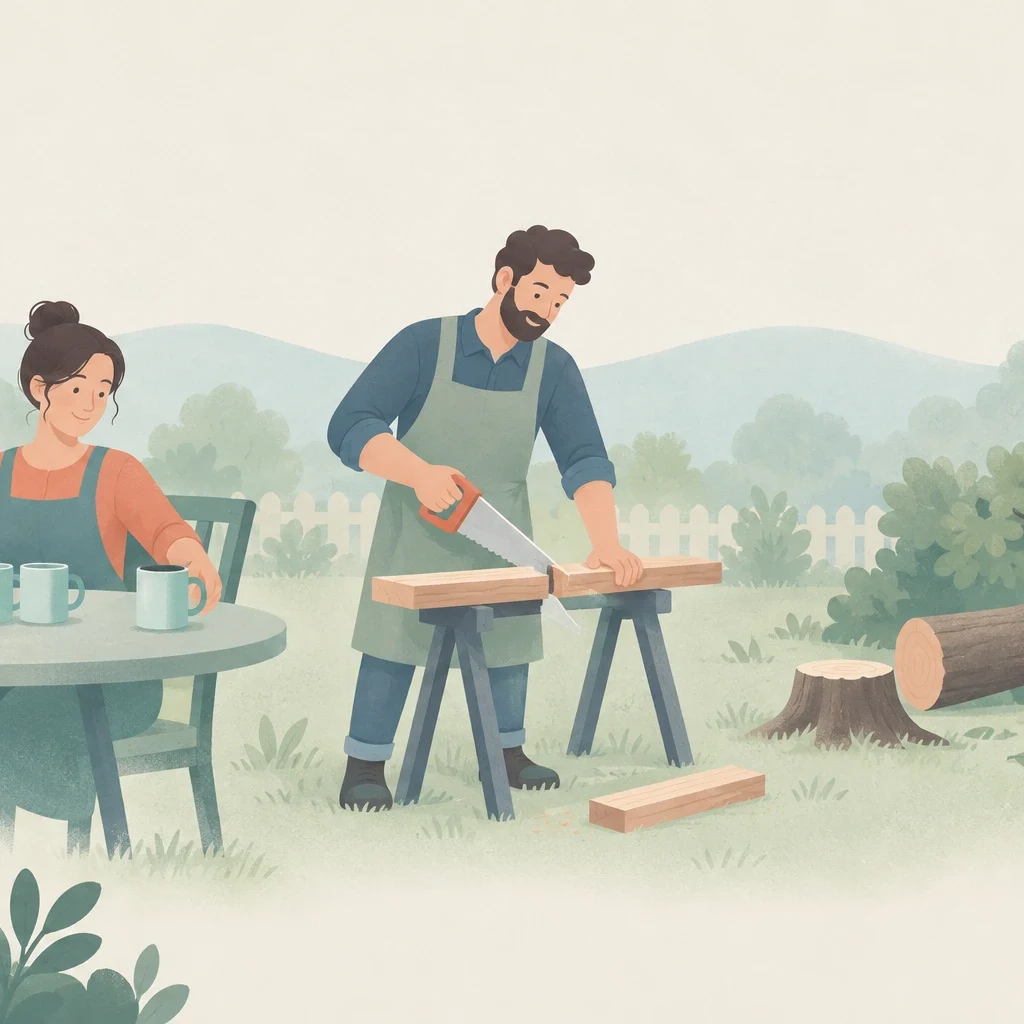
Cut down describes reducing the amount, size, or frequency of something. With on, it refers to consuming less or doing an activity less often. Without on, it can mean making a text, speech, or list shorter. It also refers to cutting through the trunk of a tree so that it falls to the ground.
-

Count on
Count on connects confidence to an action or an expected event. With a person or organization, it expresses trust that they will provide needed support. With an event or circumstance, it describes a firm expectation that you use as the base for your schedule or practical arrangement.
-

Come up with
'Come up with' means to think of or suggest an idea, plan, explanation, or solution. It also means to succeed in finding, providing, or producing something that is needed, such as money, supplies, or equipment.
-

Come down with
Come down with means begin to be ill or begin showing signs of an illness, usually a relatively minor one.
-

Come across
Come across expresses three everyday meanings depending on grammar: an unplanned discovery of an item or person, the impression someone gives to other people, or an idea being successfully noticed and understood.
-

Chip away
Chip away literally describes breaking off tiny pieces from a hard surface with repeated small strikes. In everyday figurative use, chip away at describes making steady progress against a large task or slowly diminishing a quantity, feeling, or barrier through small efforts over time. It shows that the target is diminishing, but it does not claim that the work is finished.
-

Catch up
Catch up describes closing a distance or gap. It means reaching someone ahead of you, reaching an expected level of skill or progress, completing tasks you missed, or sharing recent personal news with someone after time apart.
-
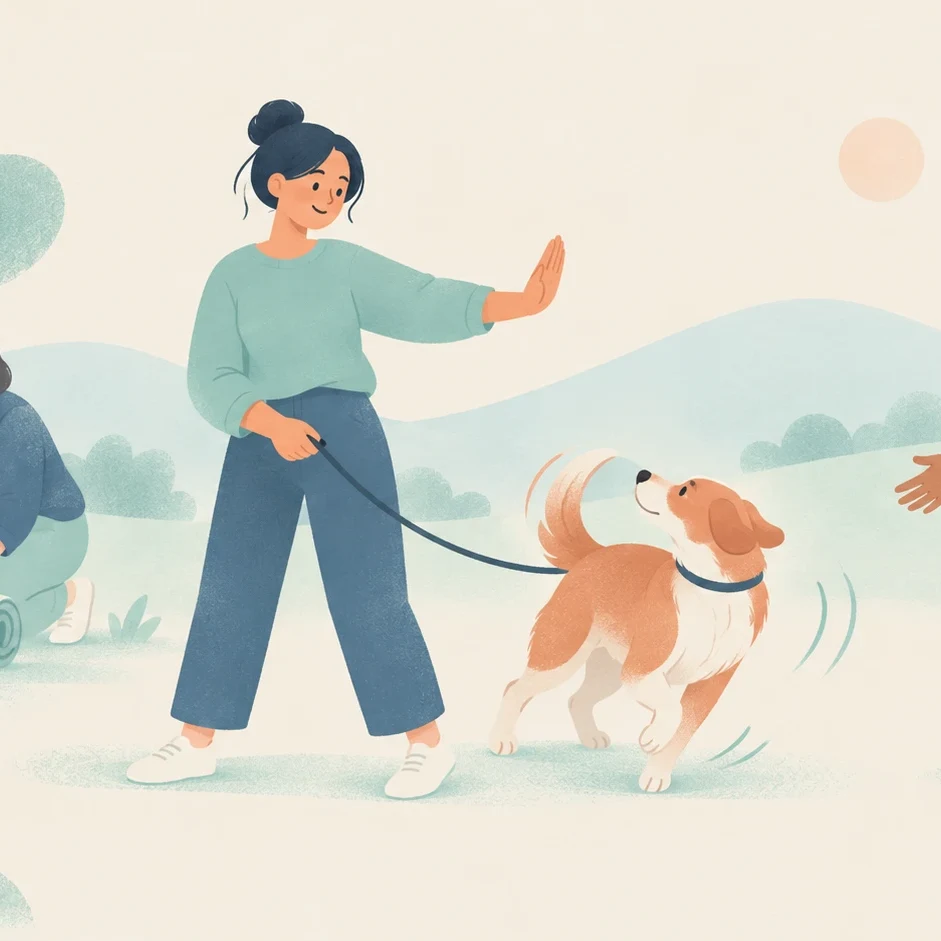
Call off
Call off means decide that a planned event will not happen, stop an activity that is already underway, or command an aggressive animal or person to stop attacking.
-

Burn out
Burn out means to reach deep physical, mental, and emotional exhaustion from prolonged work, to stop burning naturally because combustible fuel is depleted, or to fail mechanically from internal electrical heat damage.
Not ready for a trial? Get a free lesson every day
One short dictation in your inbox each day for 7 days. Practise where you are, no account needed.
Can’t find the phrase or situation you need?
Lesson requests come with membership.
See membership