الأفعال المركبة في المحادثة
يمكنك الاستماع إلى الفعل والكلمة القصيرة التي تأتي بعده، ثم الرجوع إلى الجملة كاملة لفهم المعنى.
عرض 1–18 من 76 درس
-
 فيديو · 9 دقيقة
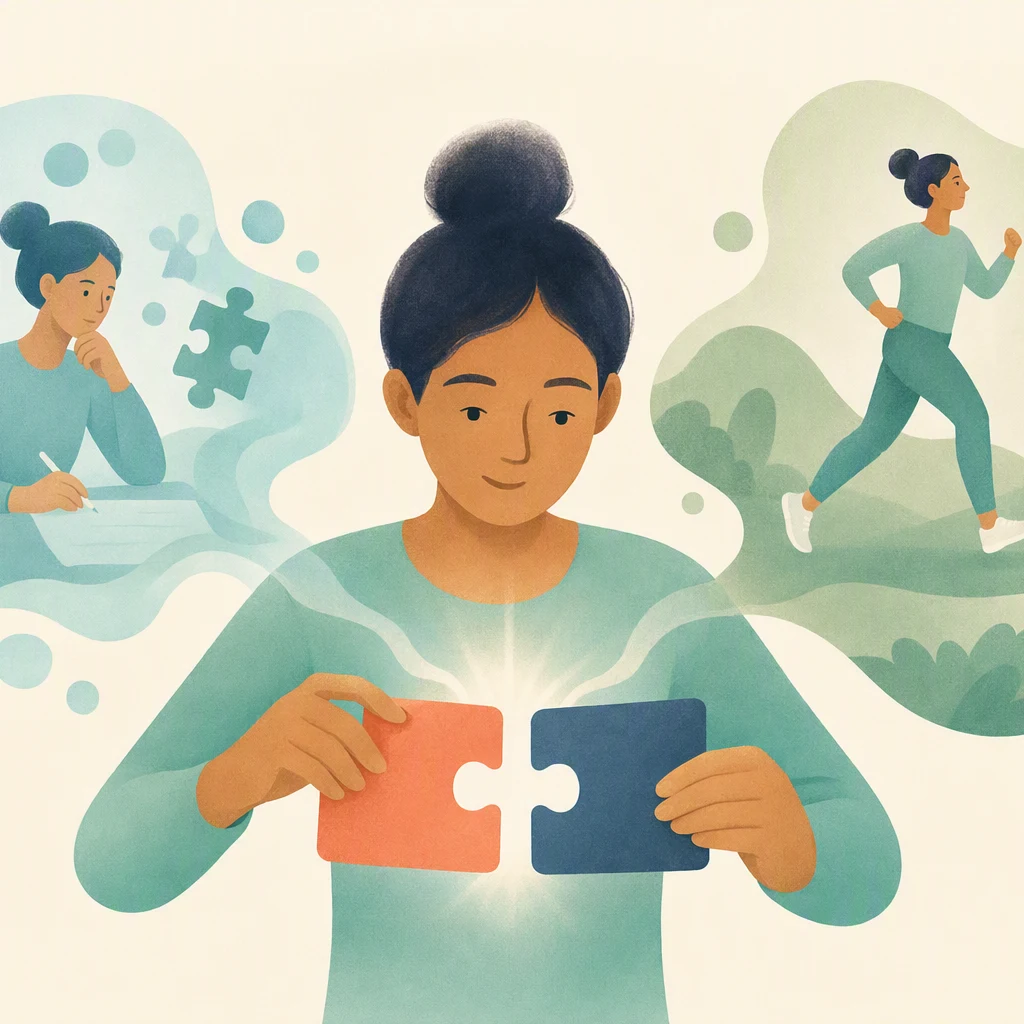
 Work out
Work out can mean calculate an amount, find an answer through thought, exercise, or develop in a particular way. The surrounding sentence tells you which meaning fits.
-
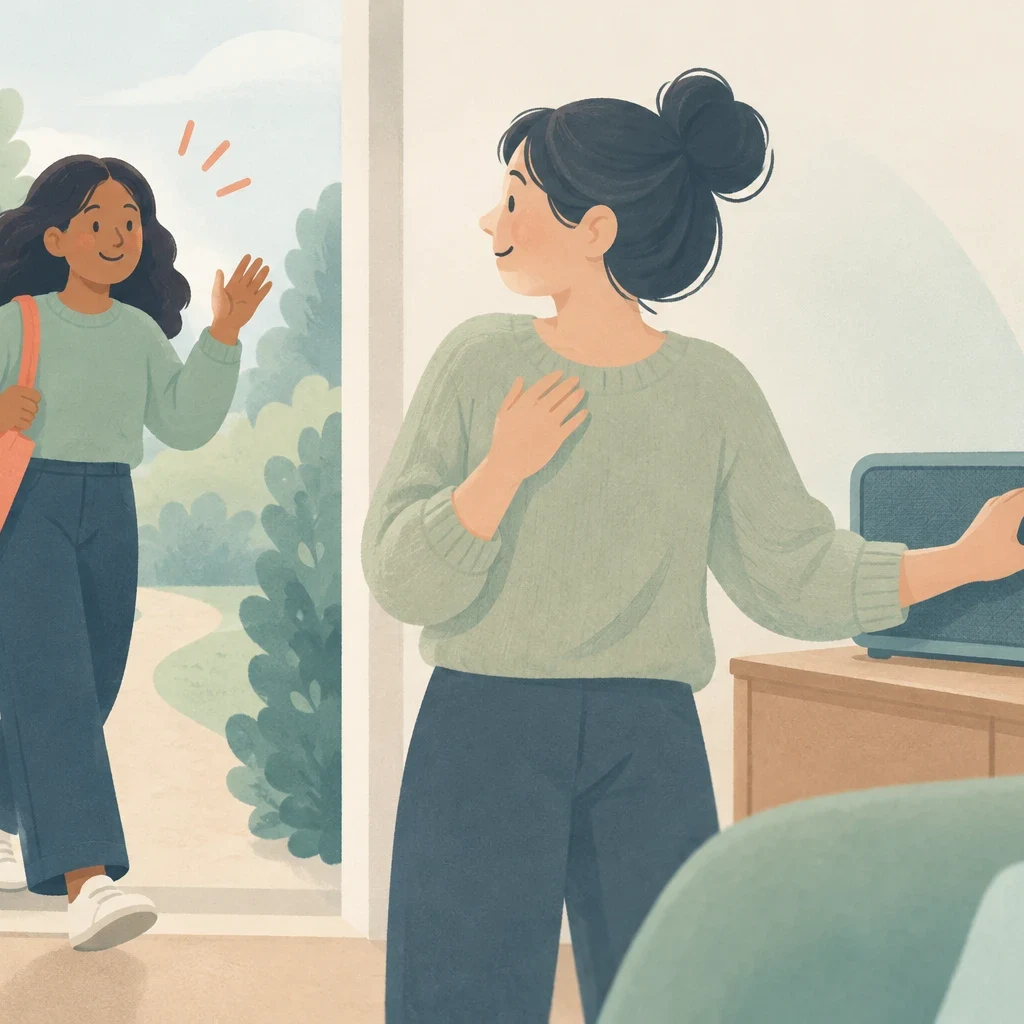
Turn up
Turn up means to arrive or appear unexpectedly, to be found after being misplaced, or to increase the volume, heat, or power produced by equipment.
-
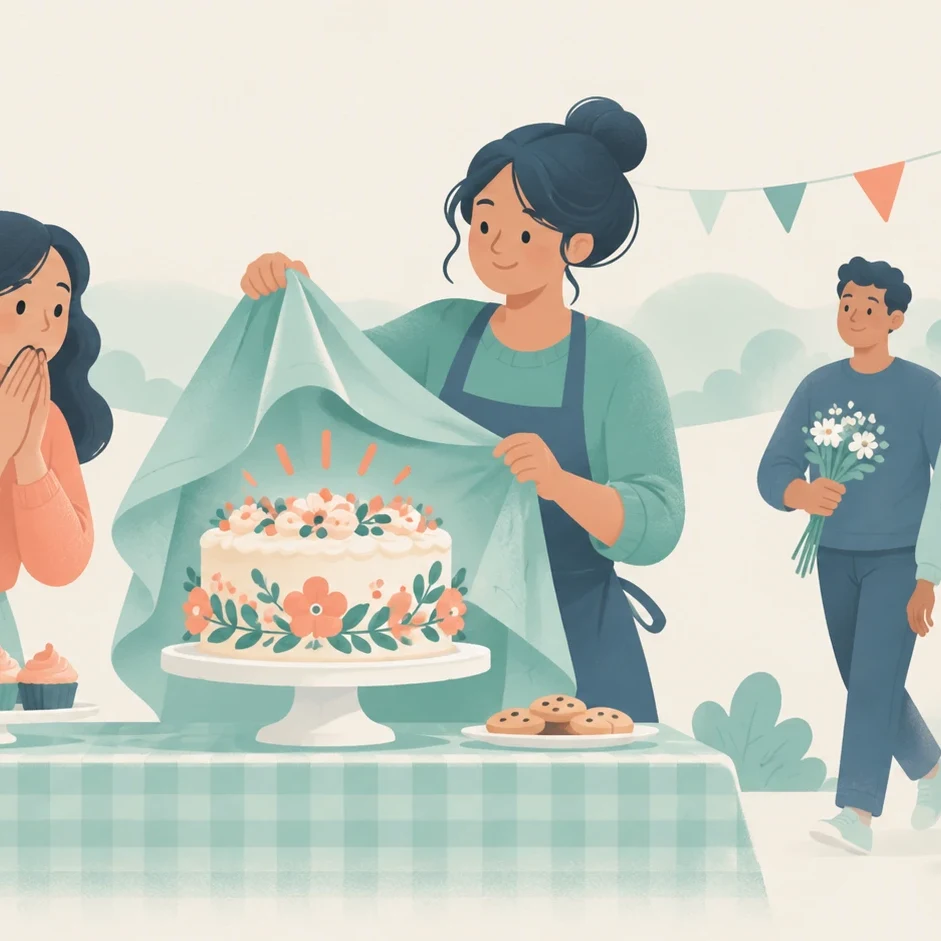
Turn out
'Turn out' functions as a phrasal verb with three primary everyday uses. First, it describes how an activity, project, or event finally ends, typically paired with adverbs like 'well', 'badly', or 'fine'. Second, it reveals a newly discovered identity or truth, using 'turn out to be' or 'it turns out that'. Third, it describes attendance, showing that people gathered to participate in an organized public activity or community event.
-
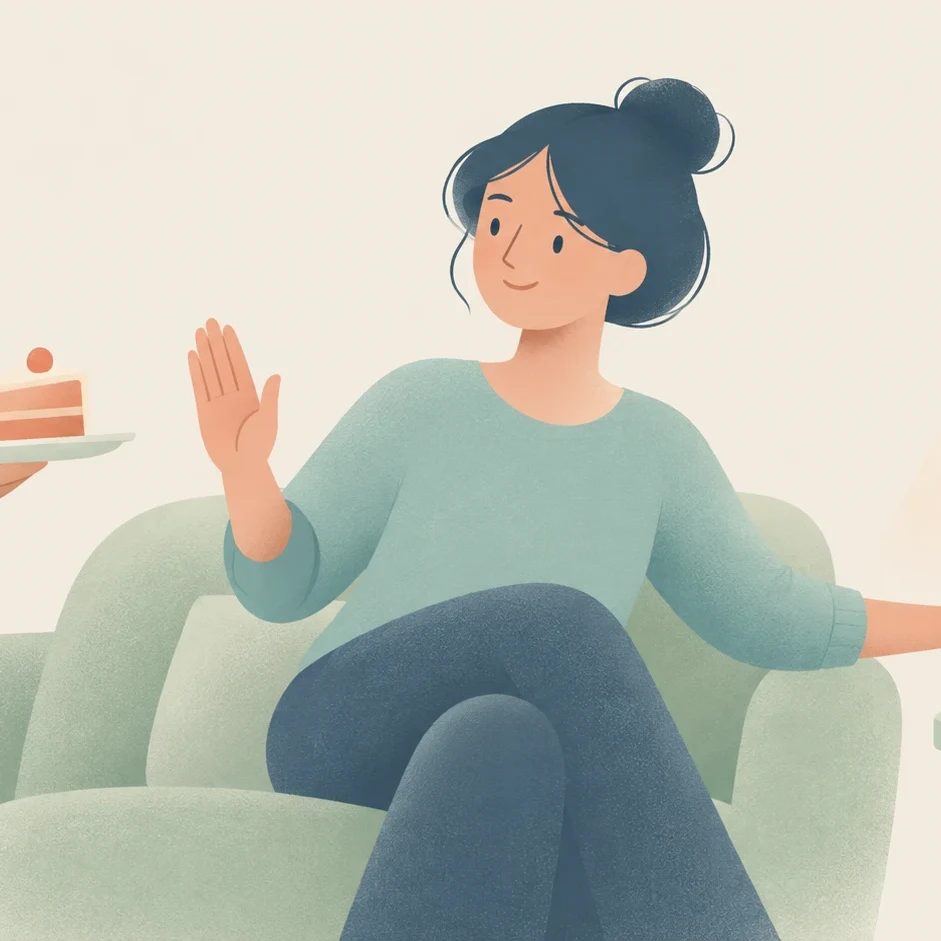
Turn down
Turn down means to decline an offer, invitation, application, or request. It also means to lower the volume, temperature, light, or power emitted by a device.
-

Talk into
Talk someone into something means you persuade another person through conversation to agree to an idea or take an action. The phrase highlights the spoken exchange that changes a person's mind from doubt or reluctance to agreement.
-

Take part in
Take part in means to join an activity and do something in it, usually alongside other people. Taking part focuses on participation rather than watching from the side. It does not require you to lead, organize, or win the activity; simply contributing your effort counts as taking part.
-
العضوية
افتح كل الدروس مجانًا لمدة 7 أيام
- 695 درس مع تمارين الإملاء والاستماع
- تسجيلات بريطانية وأمريكية وأسترالية بحسب توفرها
- يُحفظ تقدمك أثناء التدريب
لا حاجة لبطاقة. ثم من $7.50 شهريًا إذا أردت الاستمرار.
ابدأ التجربة المجانية -

Take after
Take after someone means to resemble an older family member in appearance, character, talents, or behavior.
-

Stand out
Stand out means to be clearly visible against a surface or background, or to be noticeably superior or different compared to other people or items in a group.
-

Sink in
Sometimes you know a fact, but it does not feel real yet. When it starts to feel real, it sinks in. An explanation can also sink in when you finally understand it.
-
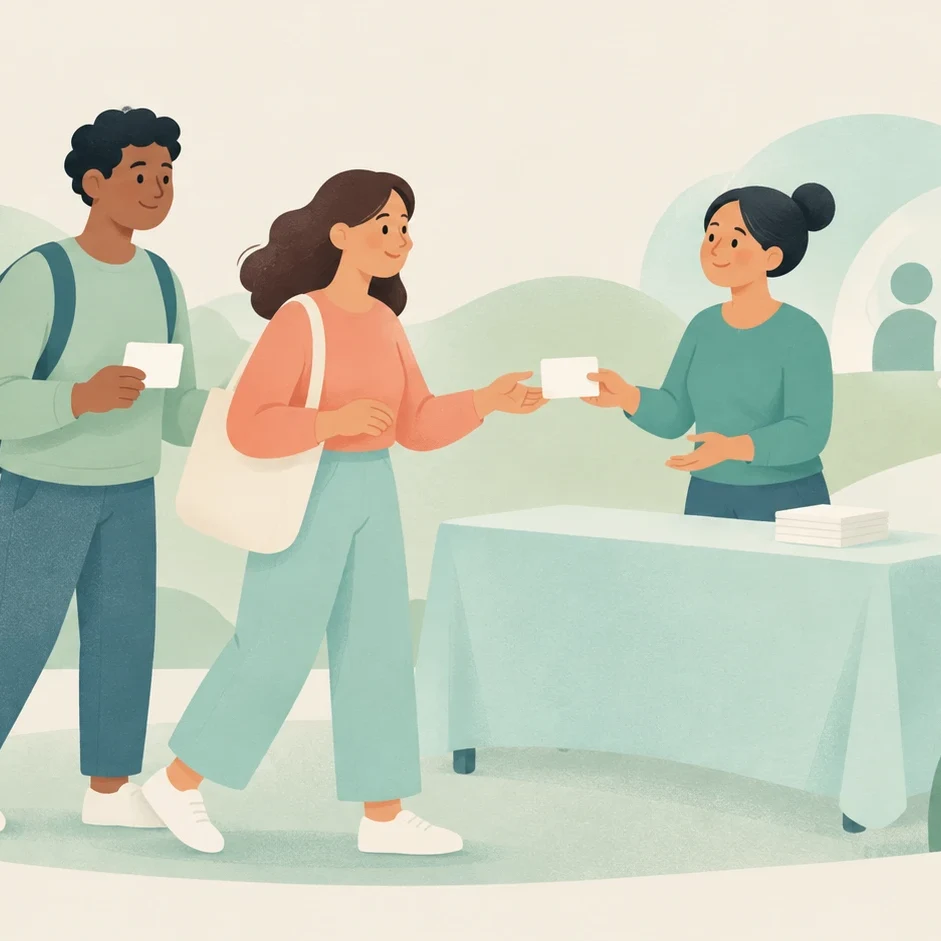
Sign up
Sign up means to officially register your intention to join an activity, group, or service, or to agree to complete a volunteer task. It indicates an intention to participate rather than attendance, completed work, or payment.
-

Show off
Show off means to behave boastfully to attract admiration, or to display a person, skill, or object proudly so others notice and admire it.
-
 فيديو · 9 دقيقة
 Run out of
Run out of means reach the point where none of a resource remains available. It describes a supply that has reached zero, whether that resource is physical materials, money, or available time.
-

Run into
Run into has four common meanings: meeting an acquaintance by chance, encountering an obstacle or difficulty, physically colliding with an object or vehicle, and reaching a large total amount.
-
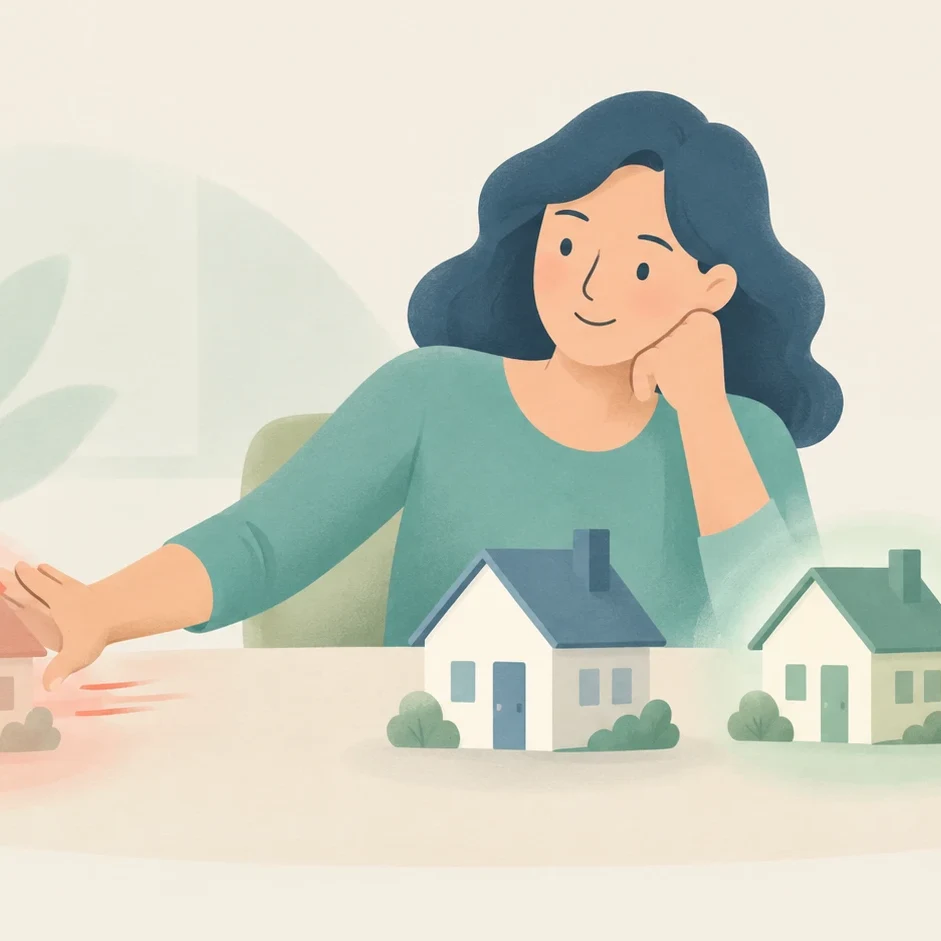
Rule out
To rule something or someone out means to decide or establish that an option, candidate, or explanation is impossible, unsuitable, or no longer under consideration. When an option is ruled out, it is removed from your list of choices. Conversely, saying you cannot rule out an idea means that it remains possible and has not been eliminated.
-
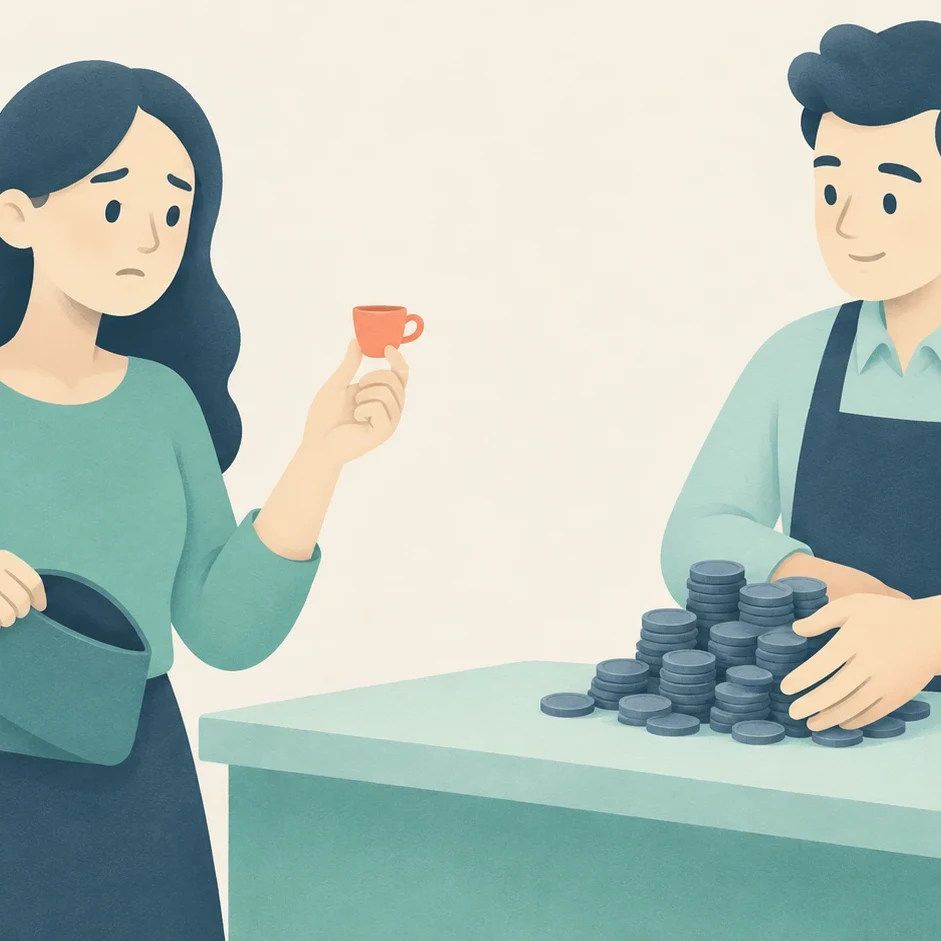
Rip off
Rip off as a verb means to cheat someone by charging an unfair amount, or to pull something away quickly and roughly. As a hyphenated noun, a rip-off describes an unfair deal or an overpriced item.
-

Put up with
Put up with means to tolerate an unpleasant person, behavior, or situation. You continue dealing with the annoyance, but that does not mean you like or approve of it. You may still complain or hope it changes.
-
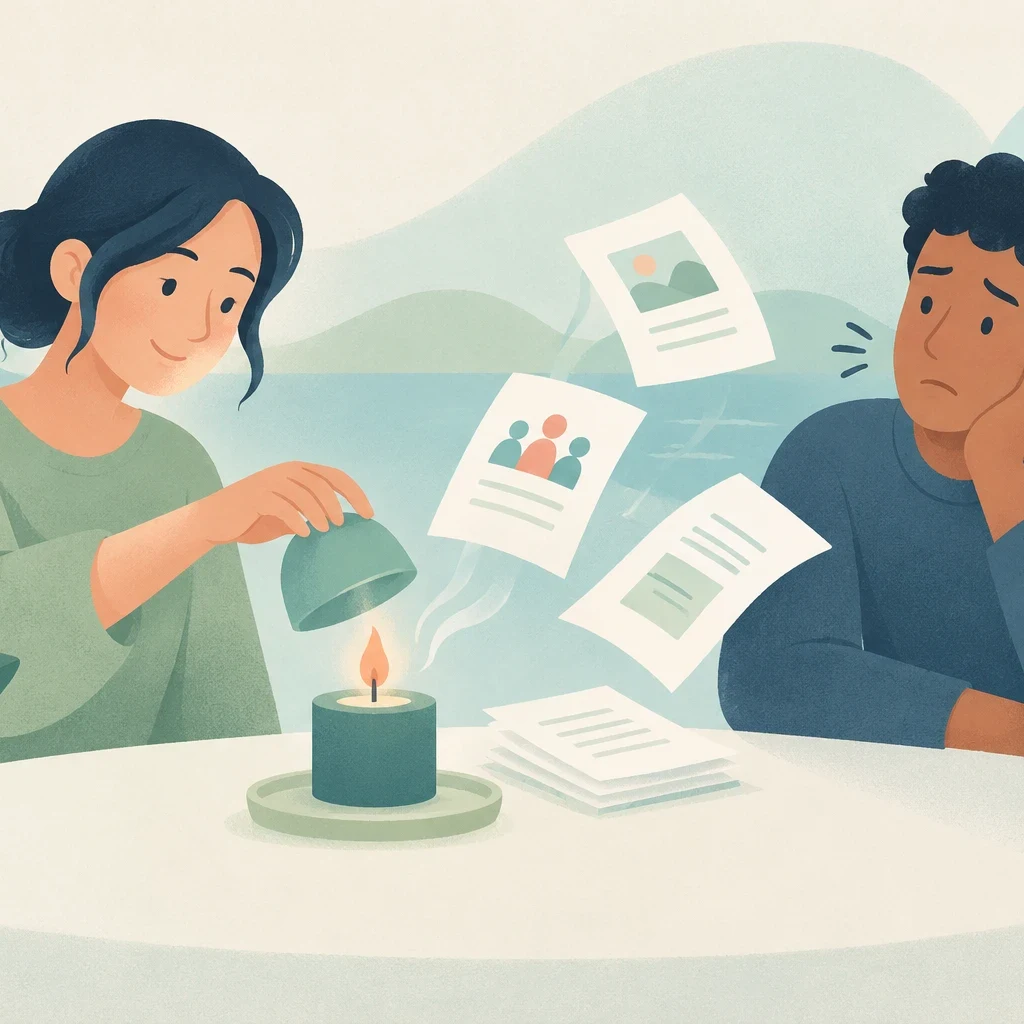
Put out
In everyday English, 'put out' primarily conveys three actions: stopping a fire or flame from burning, releasing an official announcement or statement to the public, or causing a person inconvenience and extra labor.
-

Put on
Put on commonly means to dress in an item of clothing, to activate a device, utility, or recording, or to organize and present a performance or event.
لست مستعدًا للتجربة؟ احصل على درس مجاني كل يوم
إملاء قصير واحد في بريدك الوارد كل يوم لمدة 7 أيام. تدرب أينما كنت، لا يلزم حساب.
ألم تعثر على العبارة أو الموقف الذي تحتاجه؟
طلبات الدروس تأتي مع العضوية.
عرض العضوية