对话中的短语动词
把动词和跟它搭配的小词一起听。完整的例句能帮你弄清这个组合的意思。
显示第1–18节,共76节课
-

-

-
Turn out
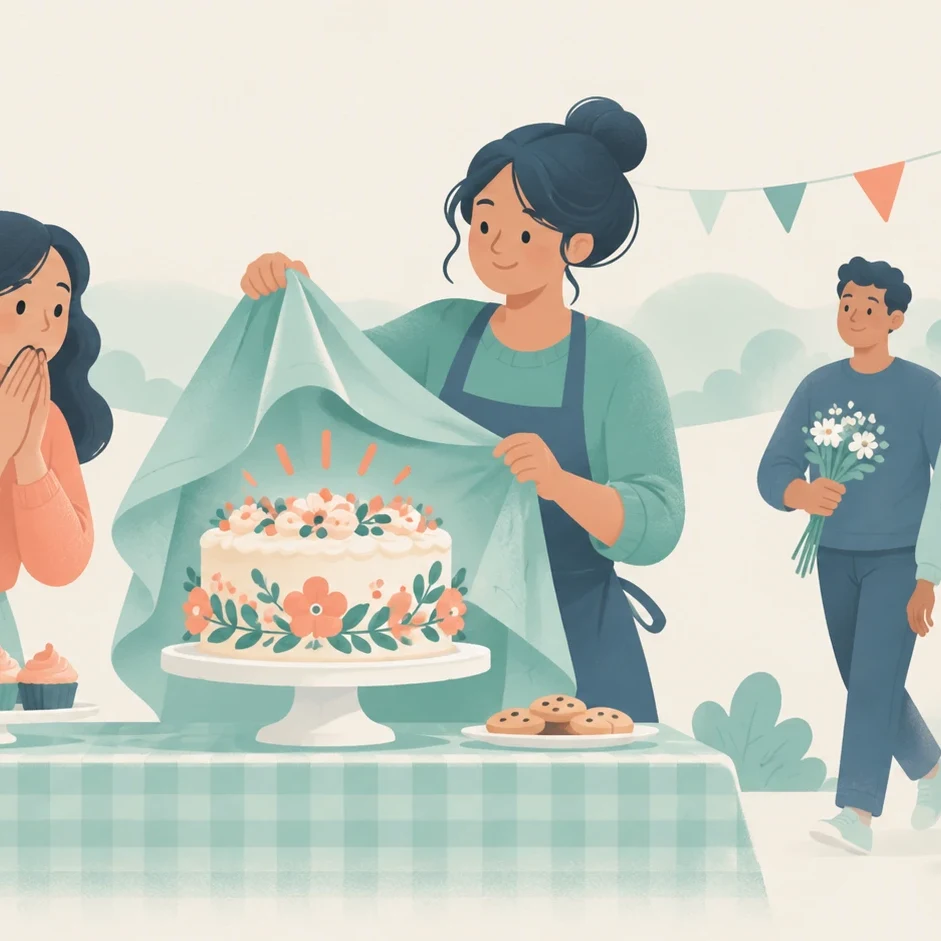
'Turn out' functions as a phrasal verb with three primary everyday uses. First, it describes how an activity, project, or event finally ends, typically paired with adverbs like 'well', 'badly', or 'fine'. Second, it reveals a newly discovered identity or truth, using 'turn out to be' or 'it turns out that'. Third, it describes attendance, showing that people gathered to participate in an organized public activity or community event.
-

-

-

Take part in
Take part in means to join an activity and do something in it, usually alongside other people. Taking part focuses on participation rather than watching from the side. It does not require you to lead, organize, or win the activity; simply contributing your effort counts as taking part.
-
会员
全部课程免费学7天
- 592节课程,包含听写和听力测试
- 三种口音:英式、美式和澳式
- 每天有新课,并保存学习进度
无需绑卡。之后如想继续使用,每月$7.50起。
开始免费试用 -

Take after
Take after someone means to resemble an older family member in appearance, character, talents, or behavior.
-

-

-

-

-

Run out of
Run out of means reach the point where none of a resource remains available. It describes a supply that has reached zero, whether that resource is physical materials, money, or available time.
-

-

Rule out
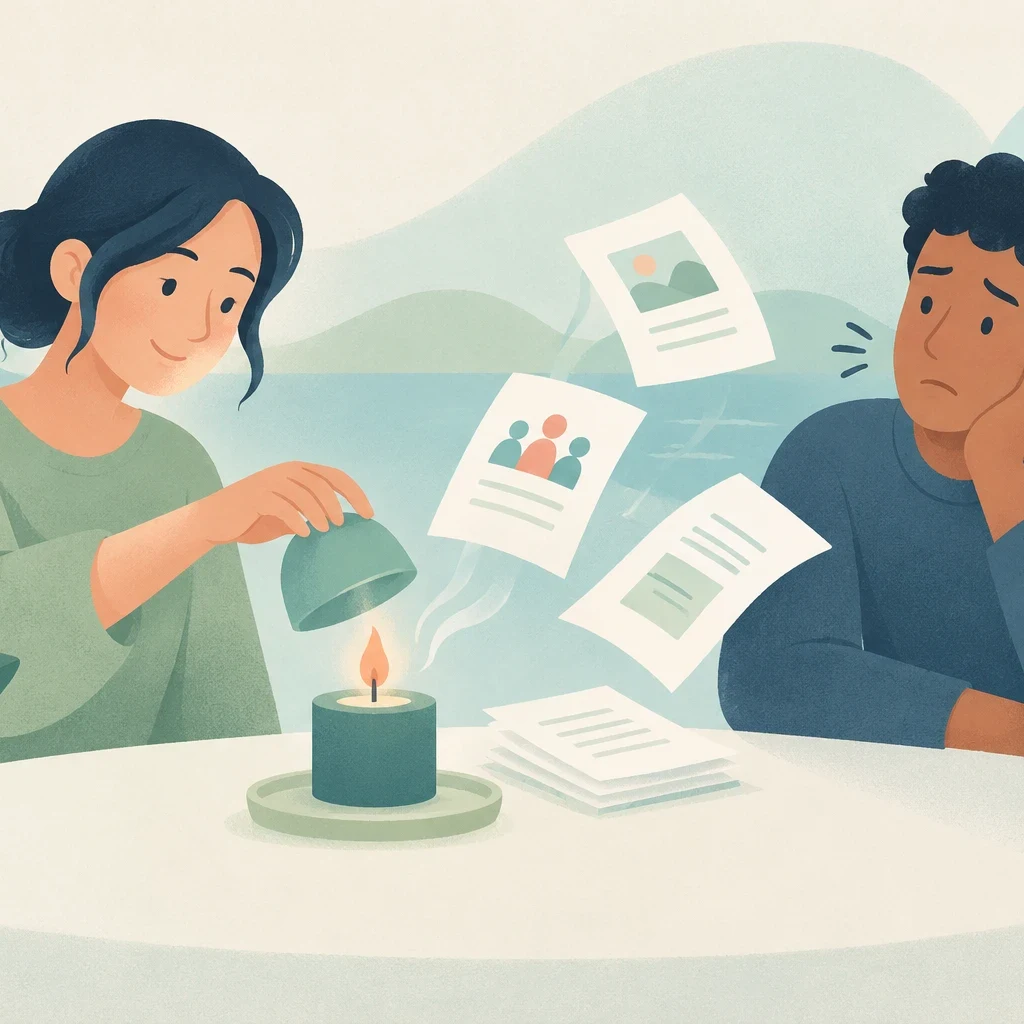
To rule something or someone out means to decide or establish that an option, candidate, or explanation is impossible, unsuitable, or no longer under consideration. When an option is ruled out, it is removed from your list of choices. Conversely, saying you cannot rule out an idea means that it remains possible and has not been eliminated.
-
-

Put up with
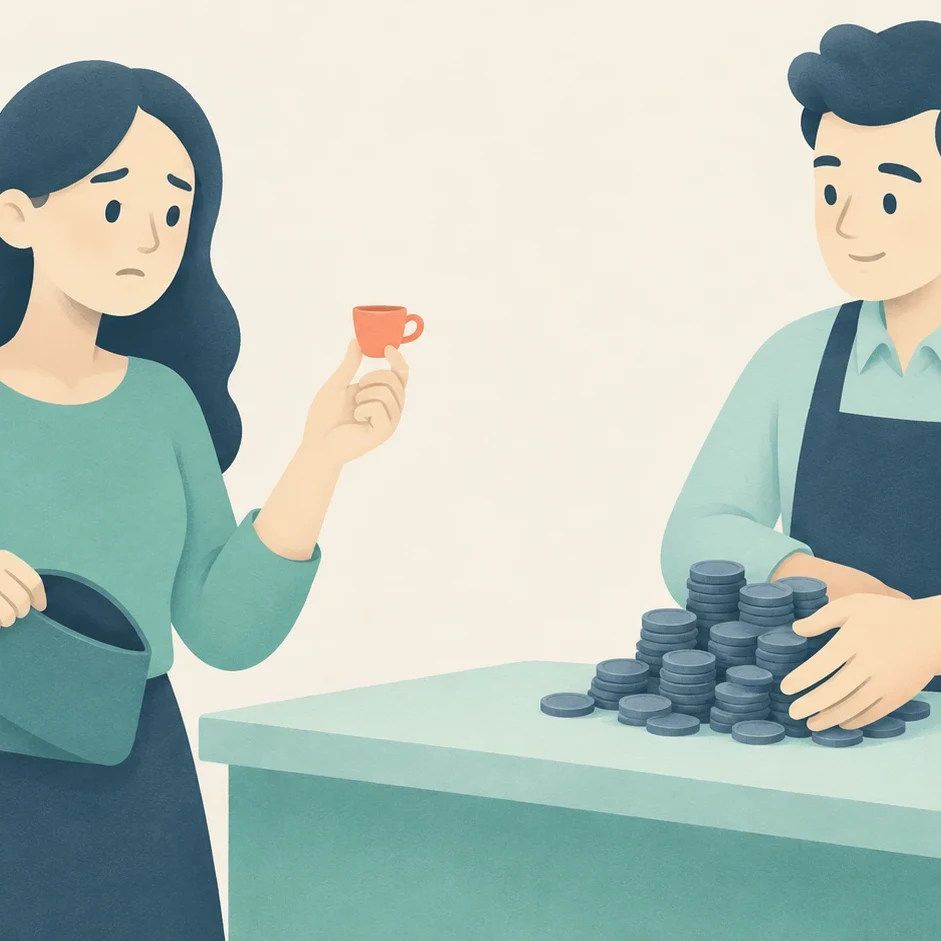
Put up with means to tolerate an unpleasant person, behavior, or situation. You continue dealing with the annoyance, but that does not mean you like or approve of it. You may still complain or hope it changes.
-
-

还没想好是否试用?每天收一节免费课
连续7天,每天发一段短听写到邮箱。在哪里都能练,不用注册账户。
找不到想学的表达或场景?
定制课程是会员功能。
查看会员方案