对话中的短语动词
把动词和跟它搭配的小词一起听。完整的例句能帮你弄清这个组合的意思。
显示第37–54节,共76节课
-

Keep out of
Keep out of means staying outside a physical boundary or refusing to participate in a disagreement, problem, or private situation. Adding a person or thing after keep expresses preventing someone or something else from entering.
-

Keep it down
Keep it down means to speak more softly or make less noise. It asks people to lower their general sound level while continuing what they are doing.
-

-

-

-

Grow apart
To grow apart means to become gradually less close in a relationship over time. It describes a slow drift in emotional connection, usually because interests, schedules, or locations have changed.
-
会员
全部课程免费学7天
- 592节课程,包含听写和听力测试
- 三种口音:英式、美式和澳式
- 每天有新课,并保存学习进度
无需绑卡。之后如想继续使用,每月$7.50起。
开始免费试用 -

Go off
Go off expresses different actions depending on its subject. With an alarm, timer, or telephone, it means to activate and sound an alert. With a firework or explosive device, it means to burst or explode. With lights or electric utility power, it means to stop shining or supplying current. With food or beverage, it means to spoil and become unsafe to consume. When a person is the subject followed by an object, it means to stop liking or enjoying something.
-

-

-

Get together
Get together means meeting and spending time with other people, usually socially and often by arrangement. Informally, when used about two people with explicit relationship clues, it can also mean beginning a romantic partnership.
-
 视频 · 4分钟
 Get round to
Get round to means reaching the point of doing an action you intended to do earlier, usually after a delay or a busy period. It focuses on finding the time or opportunity to begin the action, rather than physical movement or completing the whole job at once.
-
 视频 · 8分钟
 -
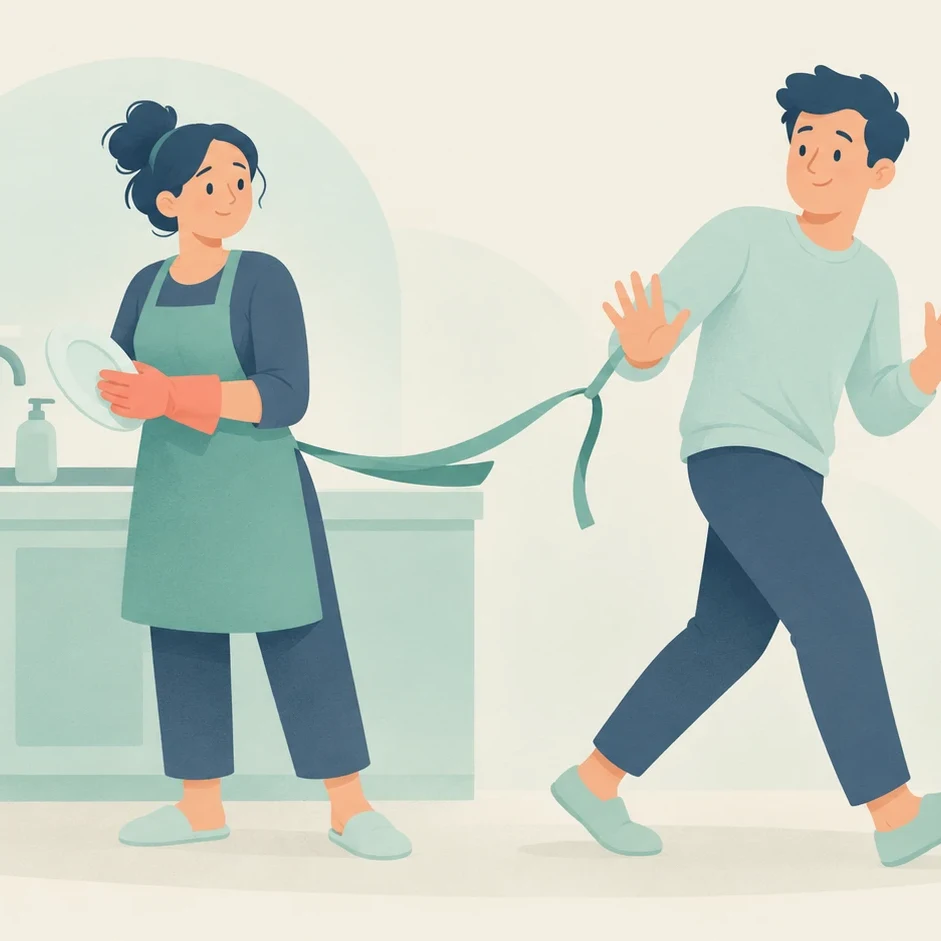
Get out of something
To get out of something means to avoid an expected obligation, duty, or task so that you do not have to do it. When expanded to 'get out of the habit of doing something', it means to stop a repeated behavior or regular routine over time.
-

-
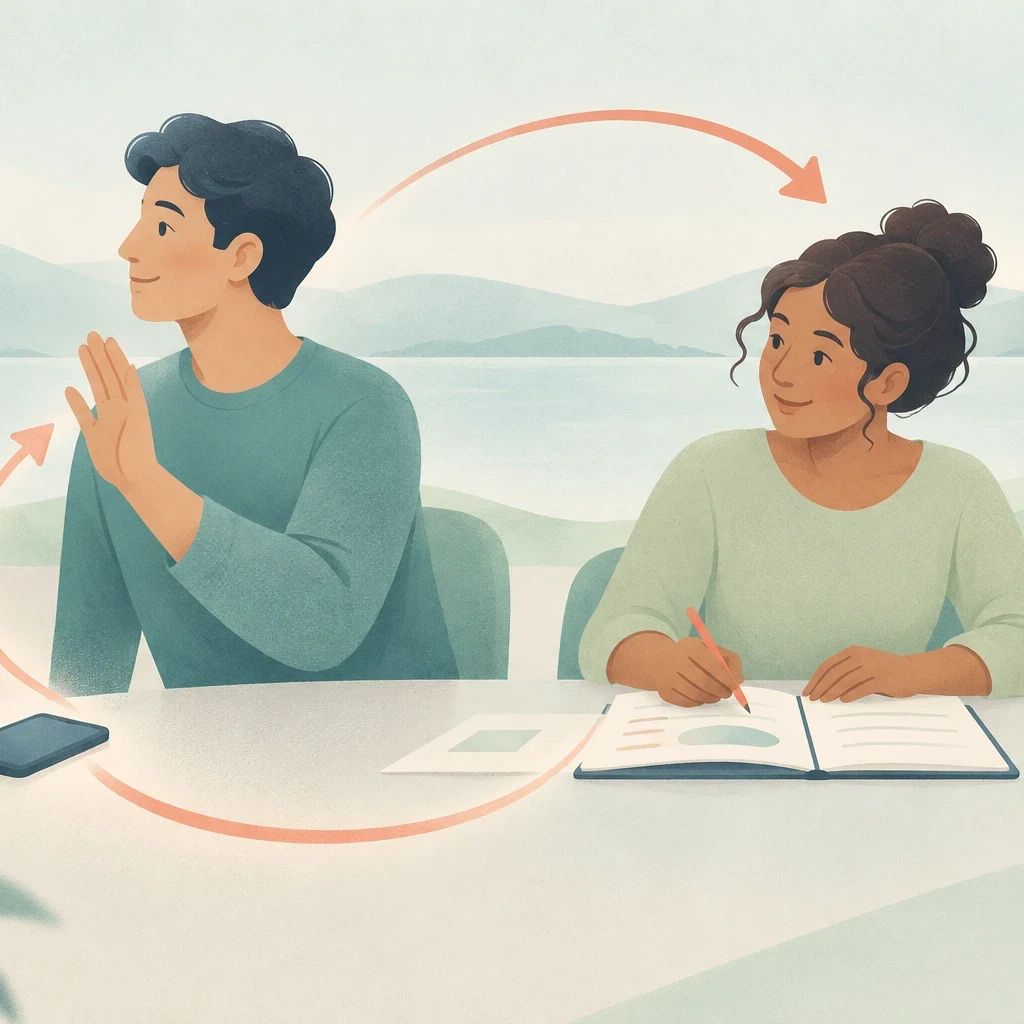
Get back to
Get back to means either to reply to someone at a later time with information, or to return to an activity, discussion, or task after an interruption.
-
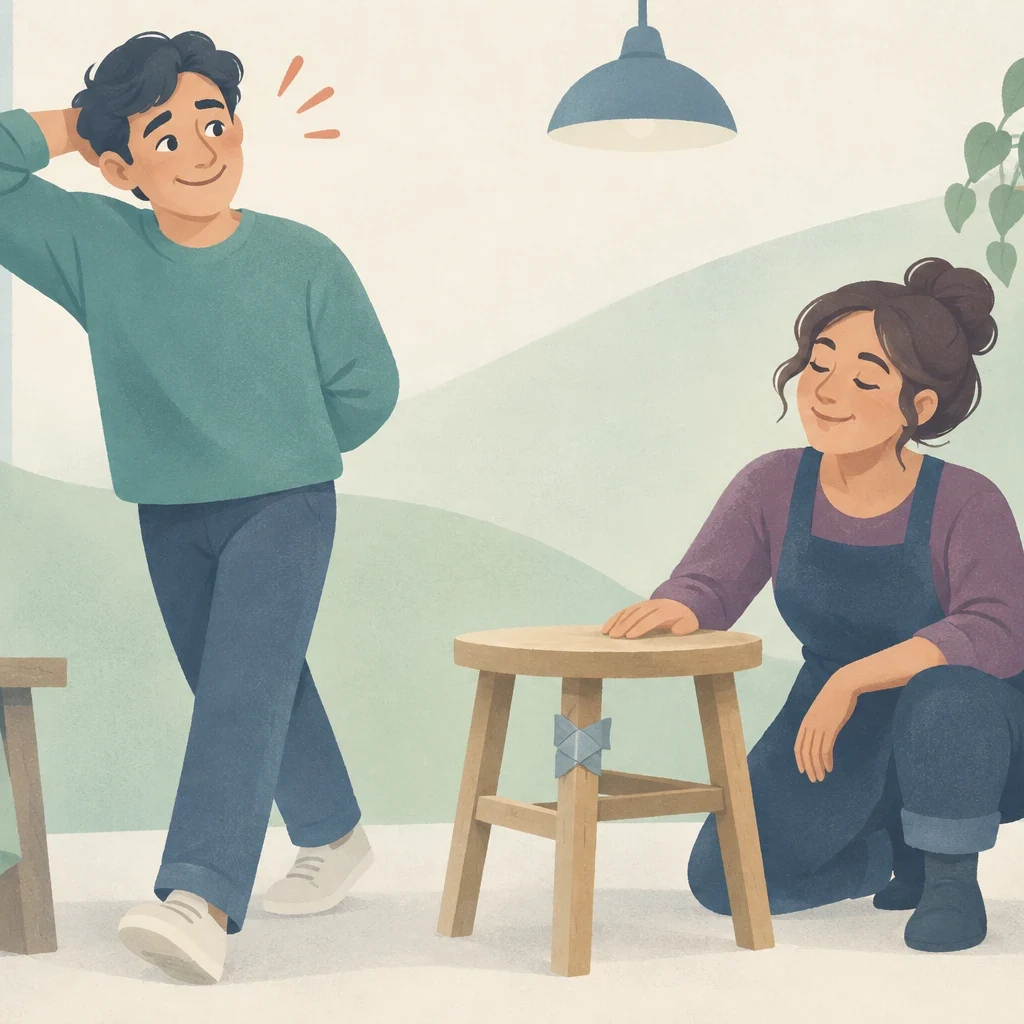
Get away with
The phrasal verb 'get away with' has two distinct uses in daily English. In the first use, someone acts unfairly, breaks a rule, or makes a serious mistake, yet escapes blame, criticism, or punishment. In the second use, a speaker selects a smaller, cheaper, or less complete solution that still meets the minimum need. This second meaning involves no wrongdoing; it simply describes a practical compromise that functions well enough.
-

-

Face up to something
Face up to means to accept an unpleasant fact, problem, or responsibility honestly. The person may still dislike the situation or feel unsure about what to do next.
还没想好是否试用?每天收一节免费课
连续7天,每天发一段短听写到邮箱。在哪里都能练,不用注册账户。
找不到想学的表达或场景?
定制课程是会员功能。
查看会员方案