
다음 수업 찾기
배우고 싶은 표현을 검색하거나 어떤 말을 하고 싶은지 적어 보세요. 현재 제공되는 수업 중에서 골라 연습할 수 있어요.
37–54 / 826개 수업
-

Subordinate clauses: clear rules and examples
A subordinate clause, also known as a dependent clause, adds necessary context to an independent main clause. Subordinate clauses can explain reasons with words like because, indicate time relationships with words like when, before, or while, set conditions with if or unless, introduce surprising contrasts with although, describe nouns with relative pronouns like who or which, or complete mental actions with content words like that and whether.
-
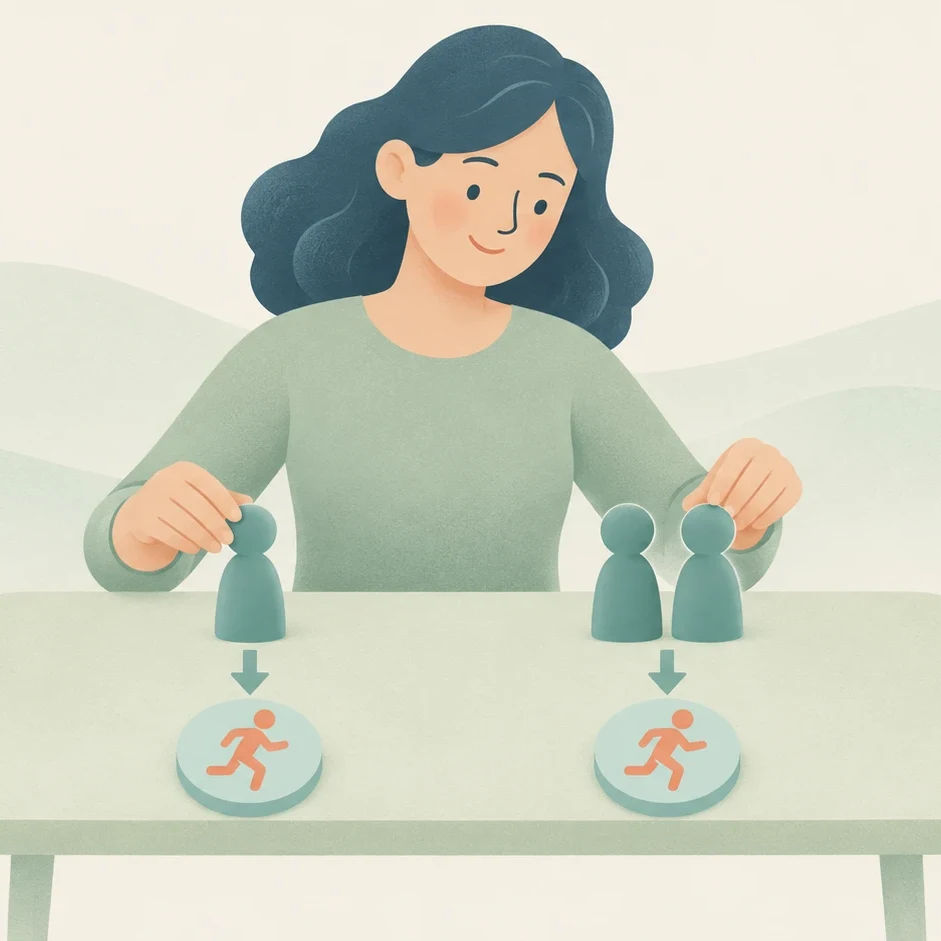
Do or does: questions and negatives guide
In the present simple tense, do and does act as helper words for questions and negatives with ordinary main verbs. They do not add extra meaning; instead, they signal the question or negative structure and show the subject group.
-

Pensive meaning: quiet serious thought
Pensive describes someone who is thinking quietly and seriously, often about significant choices, changes, or memories.
-
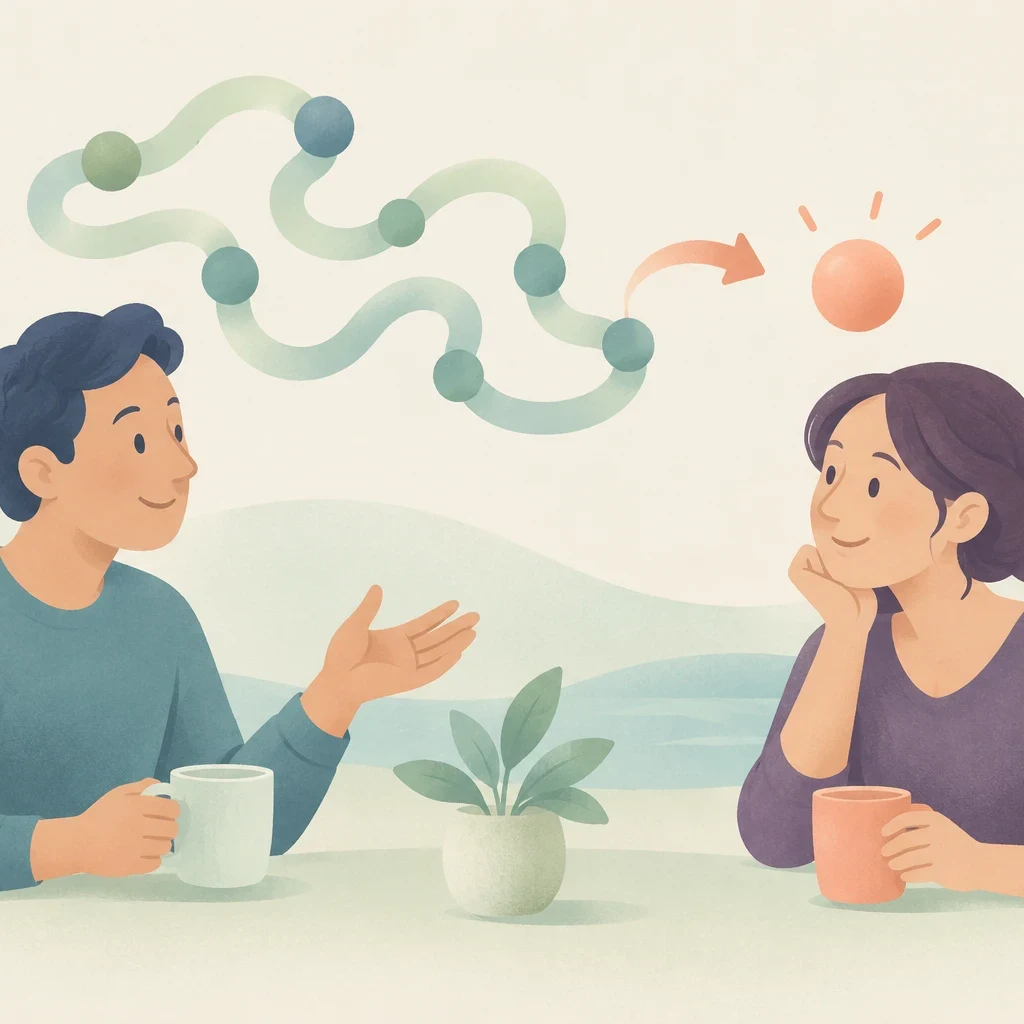
Common abbreviations: practical everyday usage
An abbreviation is a shortened representation of a word or phrase used to save space in writing and time in communication. While some abbreviations represent single words, others represent multiword expressions. Recognizing the letters alone does not indicate how to speak the form or what action the message requires.
-

A or an before an acronym: Spoken sound rules
An abbreviation represents a longer phrase or title. Some forms, called initialisms, are pronounced letter by letter, while others, called acronyms, are pronounced as ordinary words. In both cases, the indefinite article reflects the very first sound spoken in the phrase.
-

Nostalgic meaning: Talk about the past
Feeling warm affection and gentle longing for past experiences, people, or places, often with awareness that those times are gone.
-
멤버십
모든 수업을 7일 동안 무료로 이용하세요.
- 받아쓰기와 듣기 테스트가 포함된 826개 수업
- 각 수업에 제공되는 발음 선택
- 공개된 수업, 자동 저장되는 학습 진도
카드 없이 이용할 수 있어요. 계속 이용하고 싶다면 월 $7.50부터.
무료 체험 시작 -
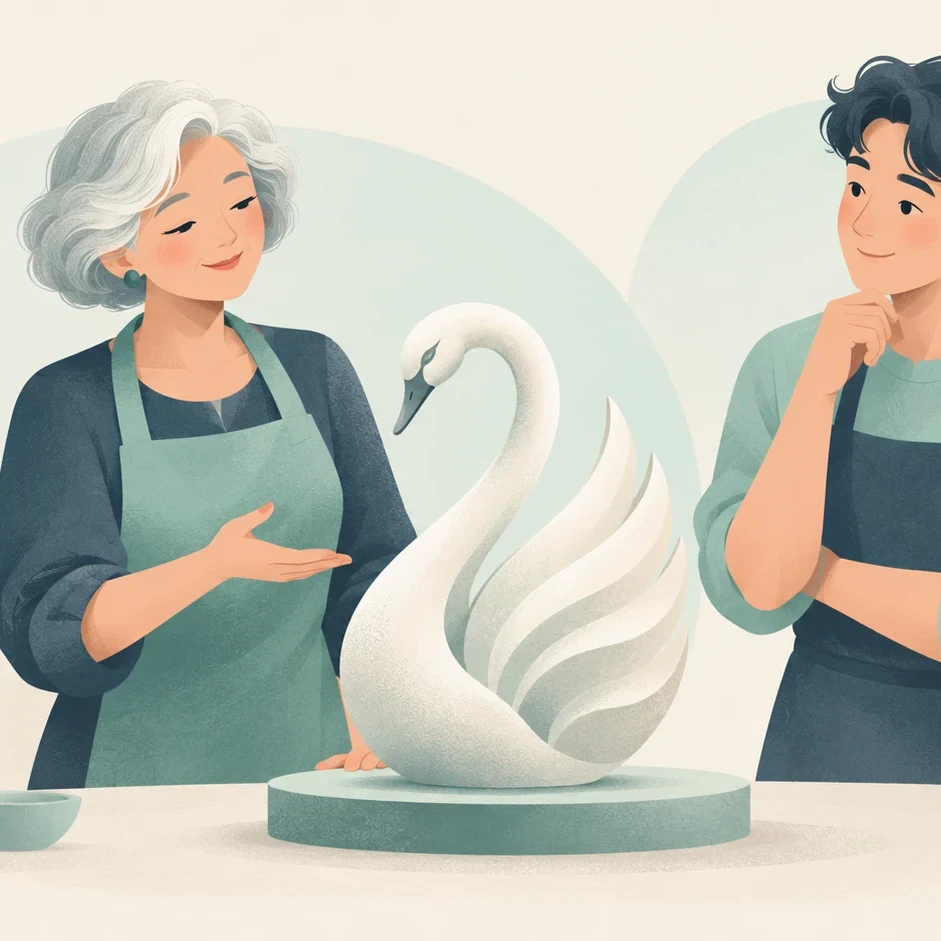
Swan song: Describing a final project
The phrase describes a memorable final contribution made before a person steps down, changes careers, or finishes a defining period of work. Although song suggests music, speakers use the term for books, speeches, community projects, and research papers.
-

Him or His: Choose the Right Word
Him is the object pronoun for a male person. English uses it when an action affects that person directly or when the person follows a preposition. His is the possessive form. It shows that an object, schedule, relationship, or responsibility connects to that person.
-

Words Ending in Holic: Meanings and Respectful Use
The ending -holic forms an informal noun describing an individual who exhibits a powerful interest, persistent habit, or compulsion. While it often emphasizes enjoyment in casual settings, it can also highlight an inability to moderate behavior.
-

Top-drawer: Praise High Quality
Top-drawer describes a person, service, or object of the highest standard. It expresses a strong, enthusiastic opinion about quality. When you describe someone as top-drawer, you place them among the best. It is not a neutral technical measurement, but a personal judgment of excellence.
-
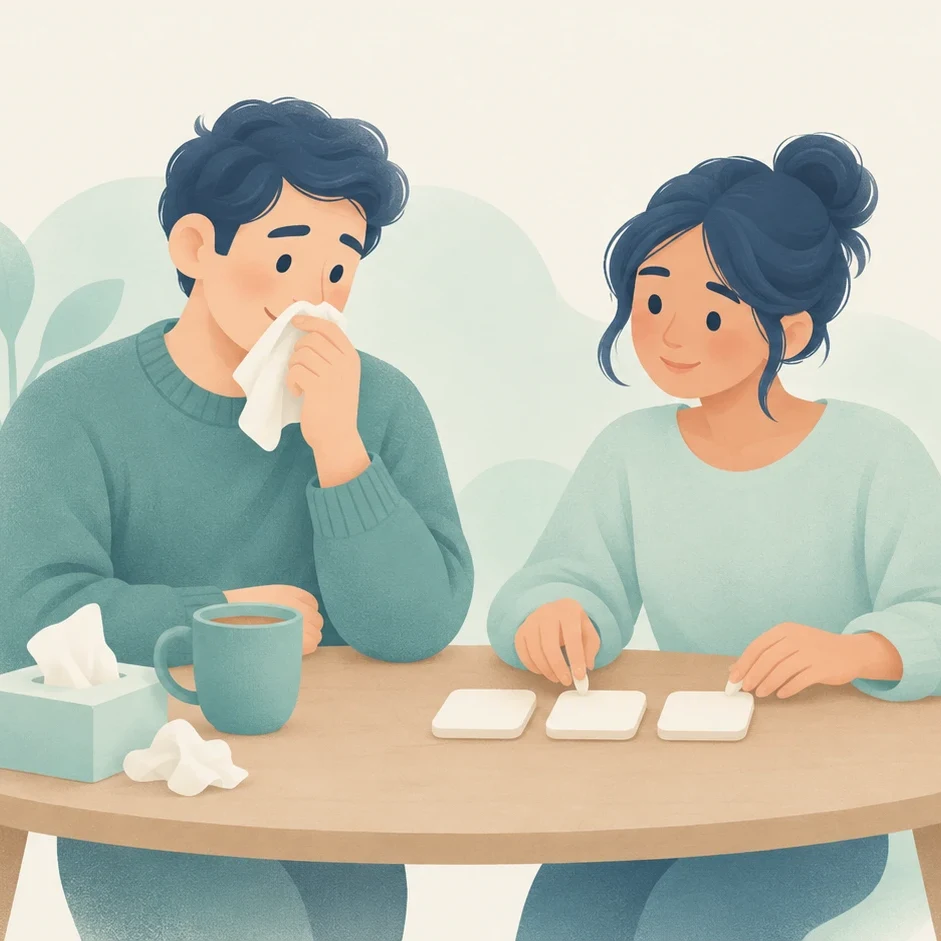
Articles with Illness Names: Choose the Right Form
Articles show whether English treats an illness as an uncountable condition, a single countable event, or a set phrase. You place no article before many common conditions, such as diabetes or malaria, because they function as uncountable nouns. You add a or an before countable illness words when you describe one instance of sickness. In some everyday phrases like the flu, the article is part of an established habit.
-
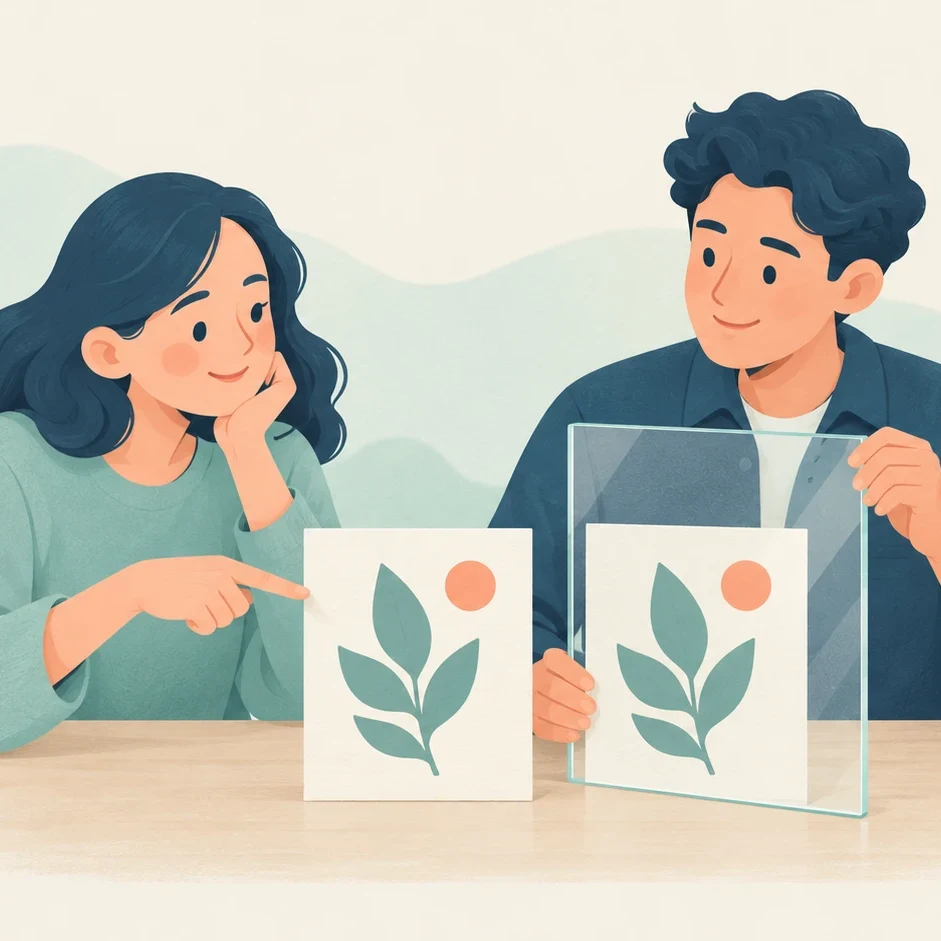
Fidelity vs Transparency: Choosing the Right Word
Fidelity describes how accurately a reproduction follows its source, such as sound, color, or text. It can also describe loyalty to a person or principle. Transparency describes openness that allows people to inspect facts, prices, and decisions. In physical objects, transparency describes clear materials like glass that you can see through.
-
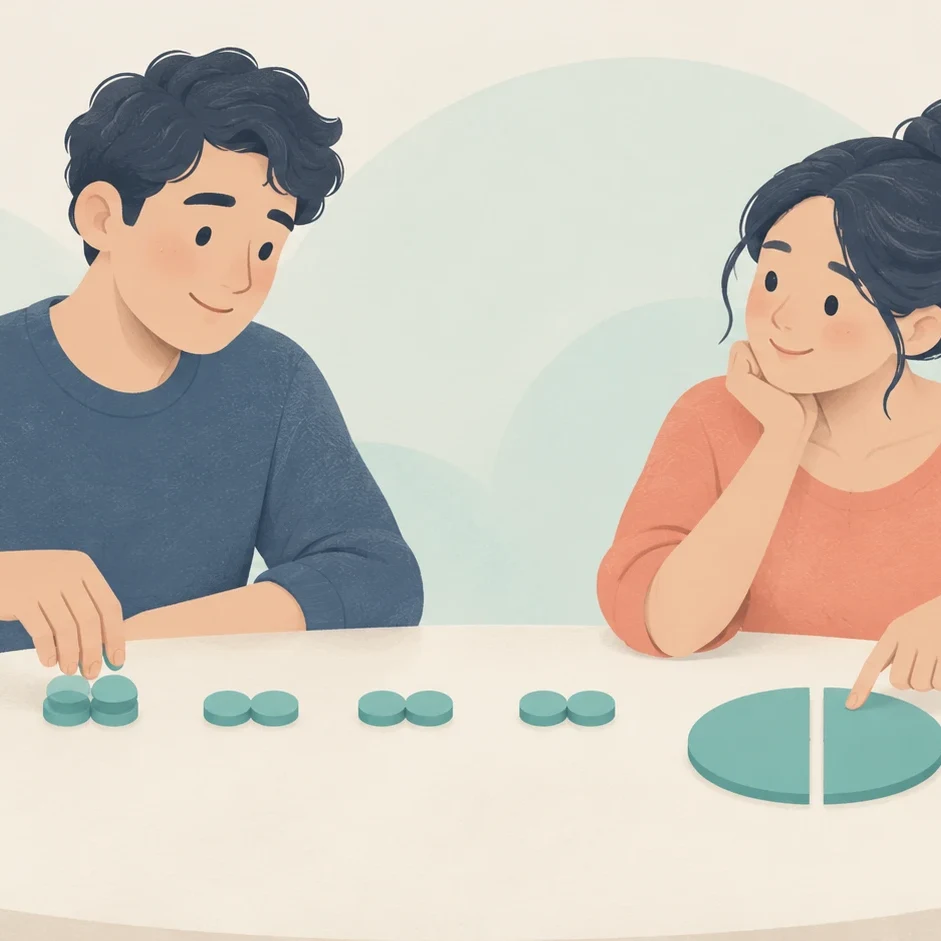
Semi- and bi-: Understand Schedule Words
Prefixes provide clues about meaning, but the complete word determines how the idea works in a sentence. Semi- describes a half or partial state, such as a semicircle or a semi-private room. Bi- indicates two items, such as two languages in bilingual or two sides in bilateral. Time words with bi- require extra care because usage can vary across organizations.
-
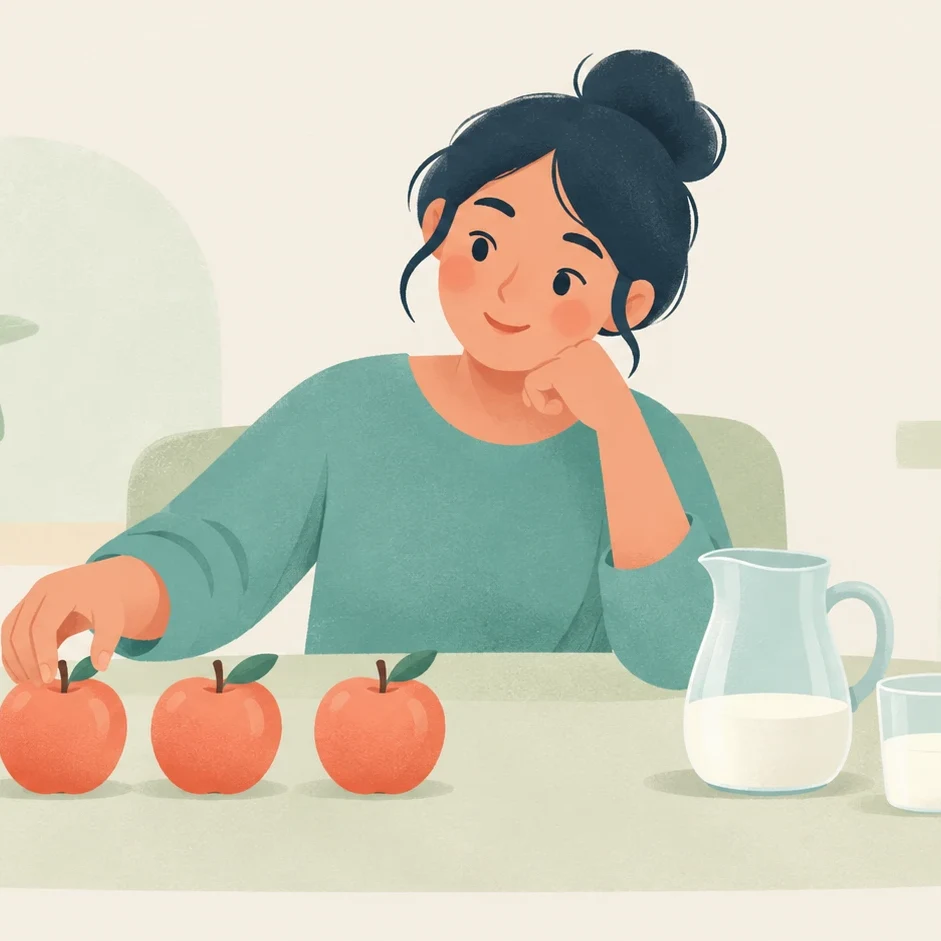
A few or a little: choose the right word
A few means a small number of separate things that you can count individually. A little means a small quantity or portion of something that you measure as a whole. Both expressions describe modest amounts, but English strictly separates them based on the grammar of the noun.
-
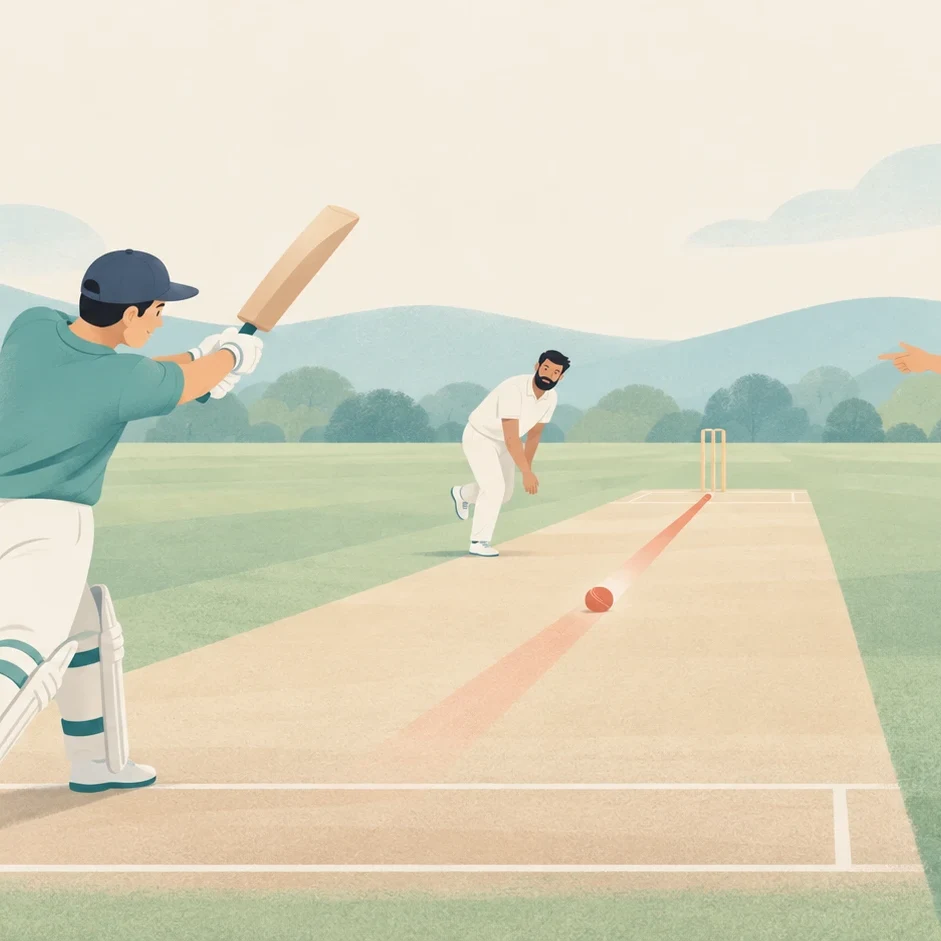
Down the ground: cricket meaning explained
Down the ground refers to a straight trajectory along or parallel to the central line of the cricket pitch. When a batter plays down the ground, the ball travels directly forward past the bowler rather than sideways across the field. The phrase identifies direction alone. It does not indicate whether the ball stayed on the turf or flew through the air, nor does it guarantee that the batter scored runs.
-

Eat, ate, or eaten: choose the right form
The verb eat means to put food into your mouth, chew it, and swallow it. The core meaning never changes whether you say eat, ate, or eaten. The change in form tells your listener when the meal happened and whether it connects to another moment in time.
-

Had had in English: when to use it
The past perfect connects a past moment to something that took place even earlier. To build this structure, English combines the helper verb had with a past participle. Because have has the past participle had, sentences about an earlier meal, appointment, illness, or possession naturally produce had had. The phrase simply means that the action was finished before a second past event occurred.
-

Head over heels: meaning and use
Head over heels means deeply, completely, and enthusiastically in love. It describes intense romantic attraction rather than everyday friendship or physical tumbling. The most common structures are be head over heels for someone to express a continuous state, and fall head over heels for someone to mark the moment strong love begins.
아직 연습해 보지 않으셨나요? 매일 무료 수업을 받아 보세요.
매일 짧은 받아쓰기 수업을 7일 동안 이메일로 보내 드려요. 계정 없이 어디서든 연습할 수 있어요.
배우고 싶은 표현이나 상황이 없나요?
수업 요청은 멤버십에 포함됩니다.
멤버십 보기