Comprendre l’anglais au quotidien
Commencez par de courts extraits, puis passez à des phrases plus longues. Écoutez une première fois pour comprendre la situation, puis une seconde pour retrouver les mots.
Leçons 253 à 270 sur 393
-
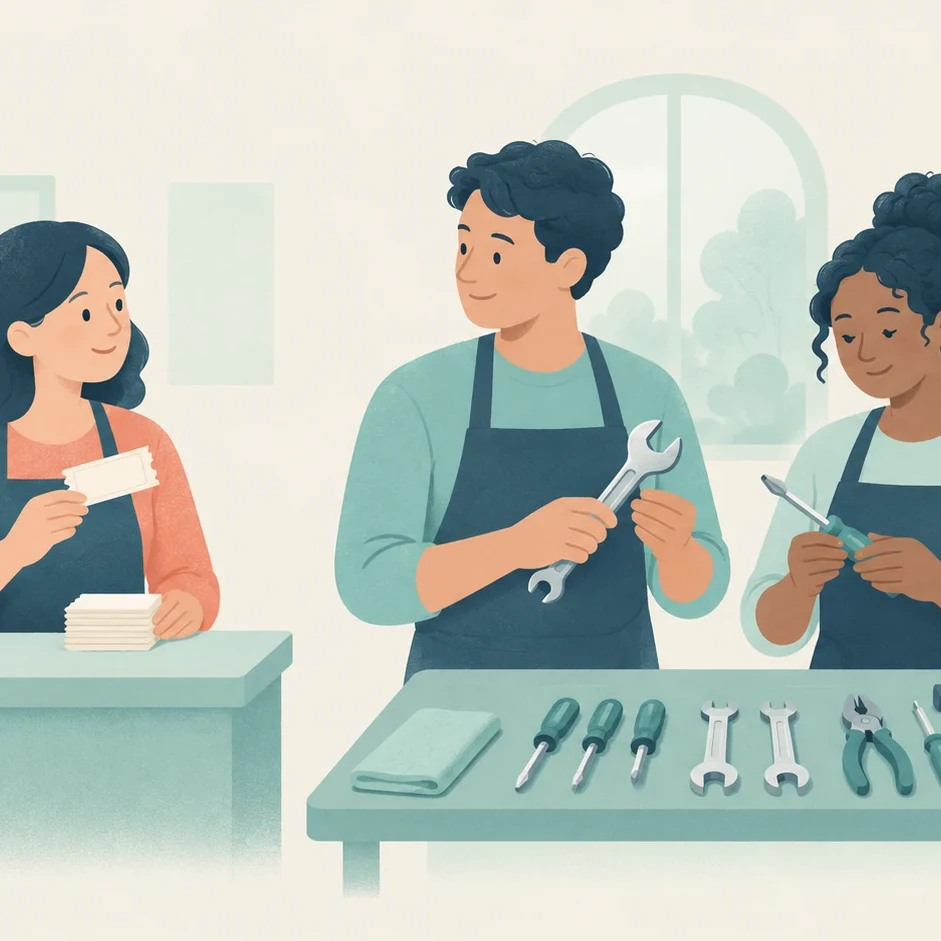
Choose the verb that fits the subject
Subject-verb agreement means choosing a verb form that matches its subject. With most verbs in present-tense statements, he, she, it, and a singular noun take an ending such as s: the machine works. Plural nouns use the base form: the machines work.
-

Moving Day: Hearing “A Lot” and “Allot”
A lot describes a large amount or number. It can also mean often or very much. Write it as two words. Allot is a verb: it means to give a particular amount of time, money, or space to someone or something. A company might allot an hour for loading a van. That hour is an assigned amount; it is not necessarily a large amount. Alot is not a standard spelling.
-

He and I, Him and Me: Planning a Community Lunch
He and I are subject forms: He and I carried the chairs. Him and me are object forms: The organiser thanked him and me. Both pronouns must fit their job in the sentence.
-

Nowadays: Talk About Life That Has Changed
Nowadays means these days or during the present period. It often suggests that something was different before, even when the speaker does not describe the past.
-
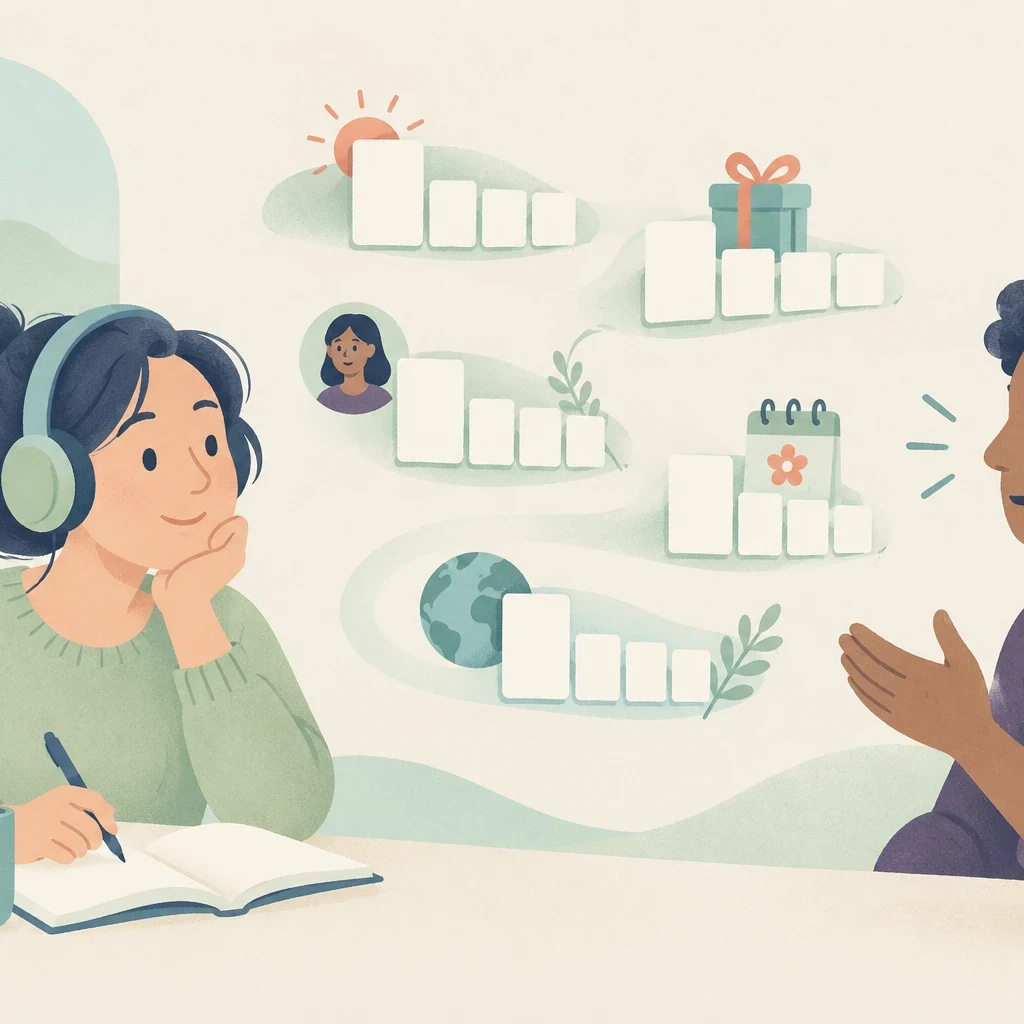
Listen, then check: capital letters in everyday messages
Capital letters mark sentence beginnings and help identify names. Compare a centre with Oak Street Centre: one describes a kind of place, while the other gives its name.
-
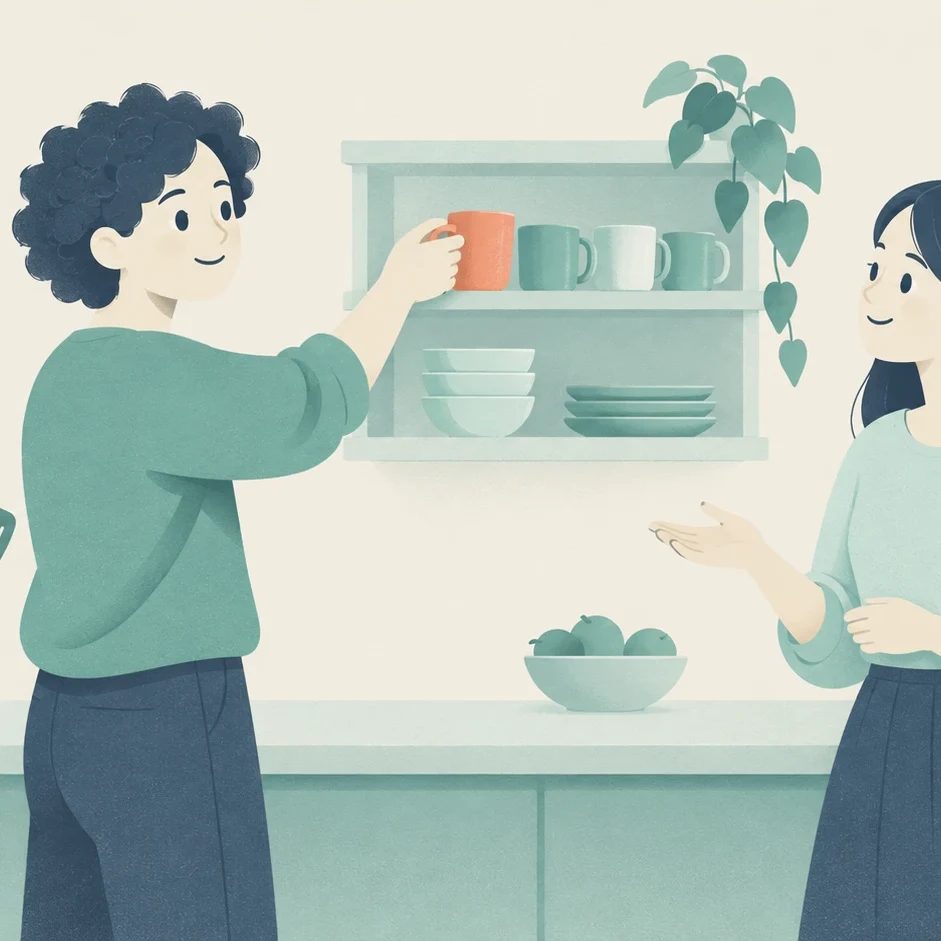
For example: planning a shared kitchen
A general suggestion names a goal or an area to improve, while an example shows one specific action that fits that goal. If someone says, 'We should keep food fresh,' that is a broad aim. Saying, 'For example, we can wrap open cheese in paper,' shows one practical way to achieve it. This phrase answers the question, 'What is one possible case?' In contrast, 'because' explains the reason and answers 'Why?' If you say, 'We wrap cheese because air dries it out,' you give a cause, not a sample action.
-
Abonnement
Accédez à toutes les leçons gratuitement pendant 7 jours
- 573 leçons avec dictées et tests d’écoute
- Trois accents : britannique, américain et australien
- De nouvelles leçons chaque jour et votre progression enregistrée
Aucune carte requise. Ensuite, à partir de $7.50 par mois si vous souhaitez continuer.
Commencer l’essai gratuit -
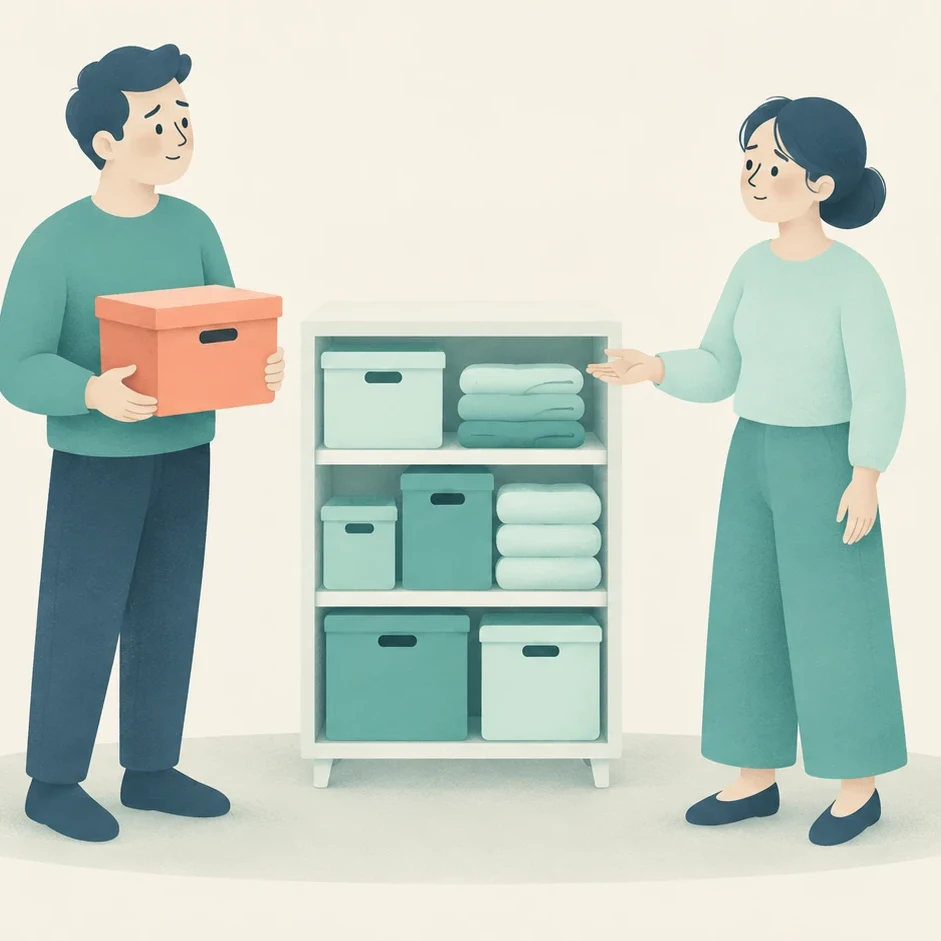
Nowhere to Put It: Explain a Space Problem
Nowhere means no place, in no place or to no place. In everyday conversation, it often means there is no suitable place for a particular action.
-
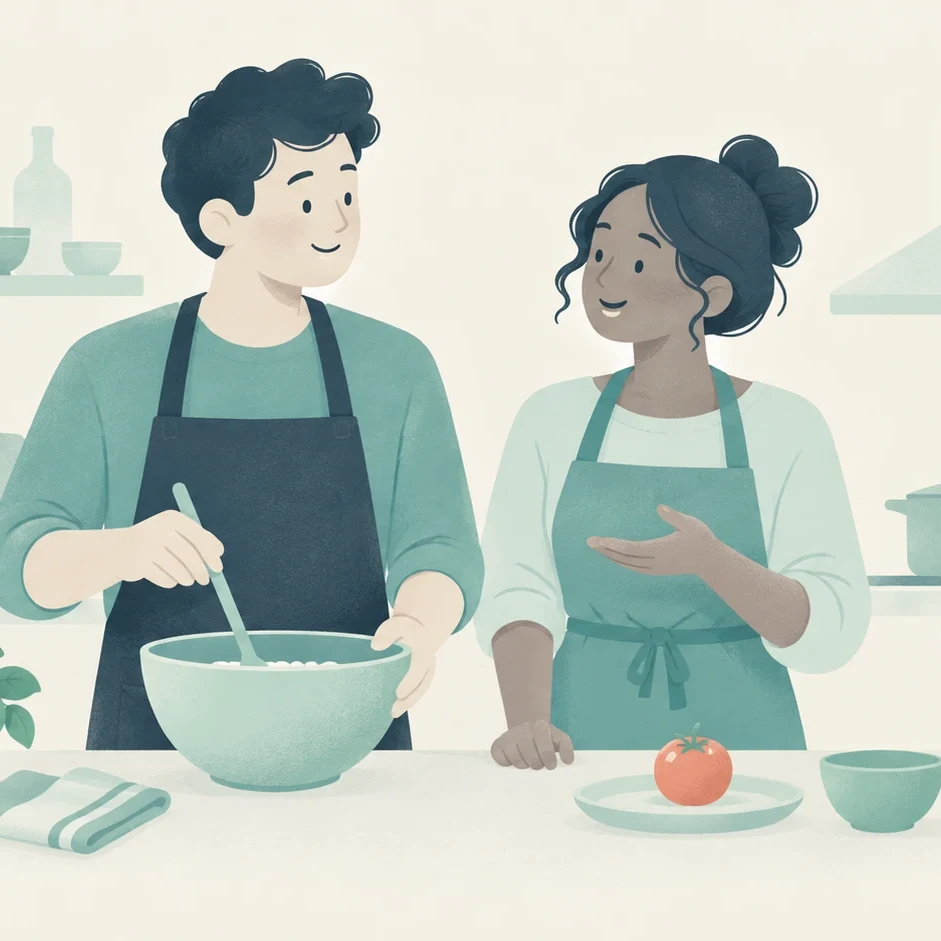
He and I at the Cooking Class
He and I names the pair as the subject: the people the sentence says do, need, or are something. Him and me names the pair as an object, as in someone helping the pair. Test the whole pair with we or us.
-
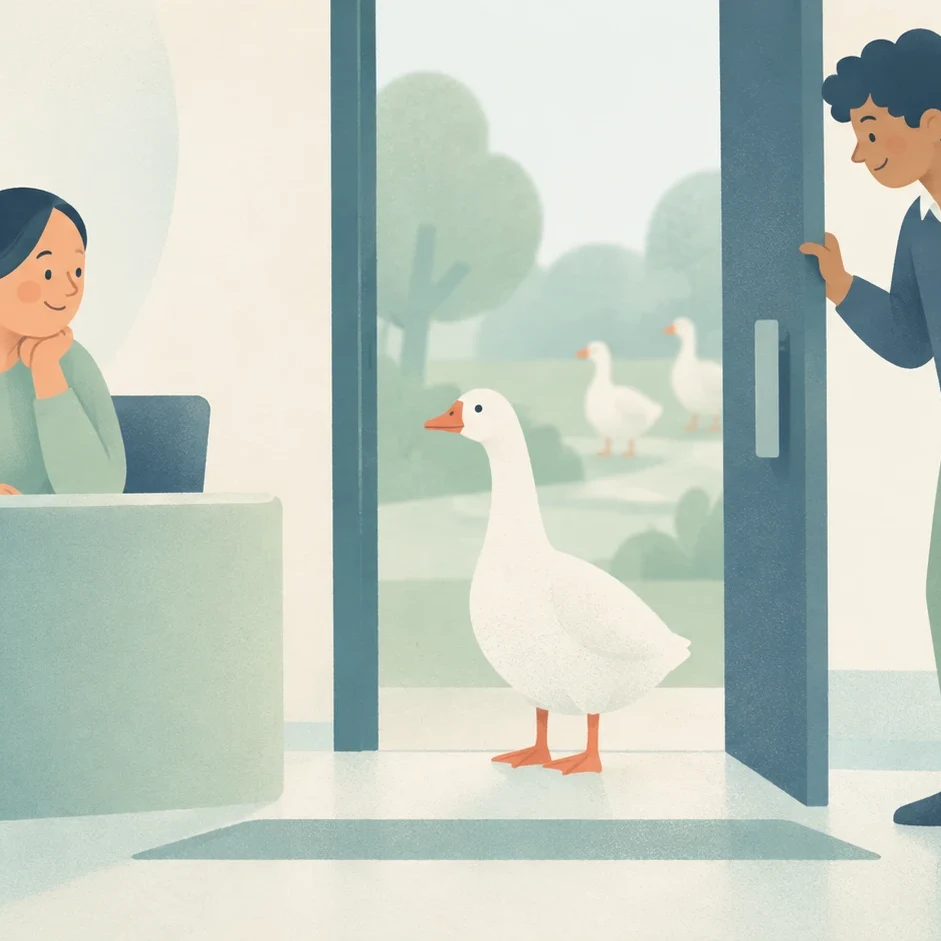
A Goose at the Office Door
Goose refers to a single bird. Geese refers to two or more of those birds. The standard plural form is geese. The form gooses is incorrect for the plural of the bird.
-

Other than or then? A visit to the tailor
Other than functions as a prepositional phrase meaning except or apart from, indicating an exception or an alternative. Then functions as an adverb meaning after that, at that time, or in that case, indicating chronological order, a specific moment, or a logical consequence.
-

Setting Up a Café: Which Opposite Fits?
An opposite reverses a specific quality along the same scale. The adjective light contrasts with heavy when the topic is weight, but it contrasts with dark when the topic is brightness. Words describing physical position, like open and closed, operate independently from words describing security, like locked and unlocked. Changing the wrong quality confuses the instruction.
-
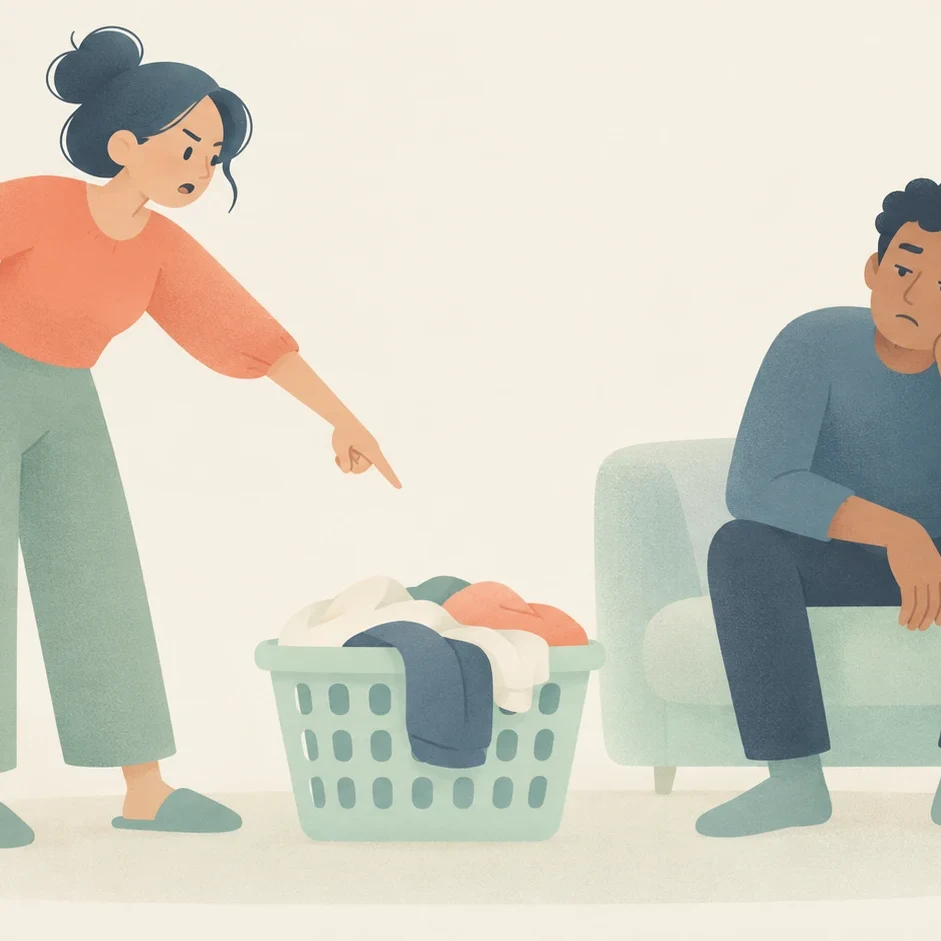
Nag
Nag expresses the listener's irritation when someone repeats demands or criticism. The underlying request might be entirely reasonable, but the frequency turns helpful communication into annoying pressure.
-
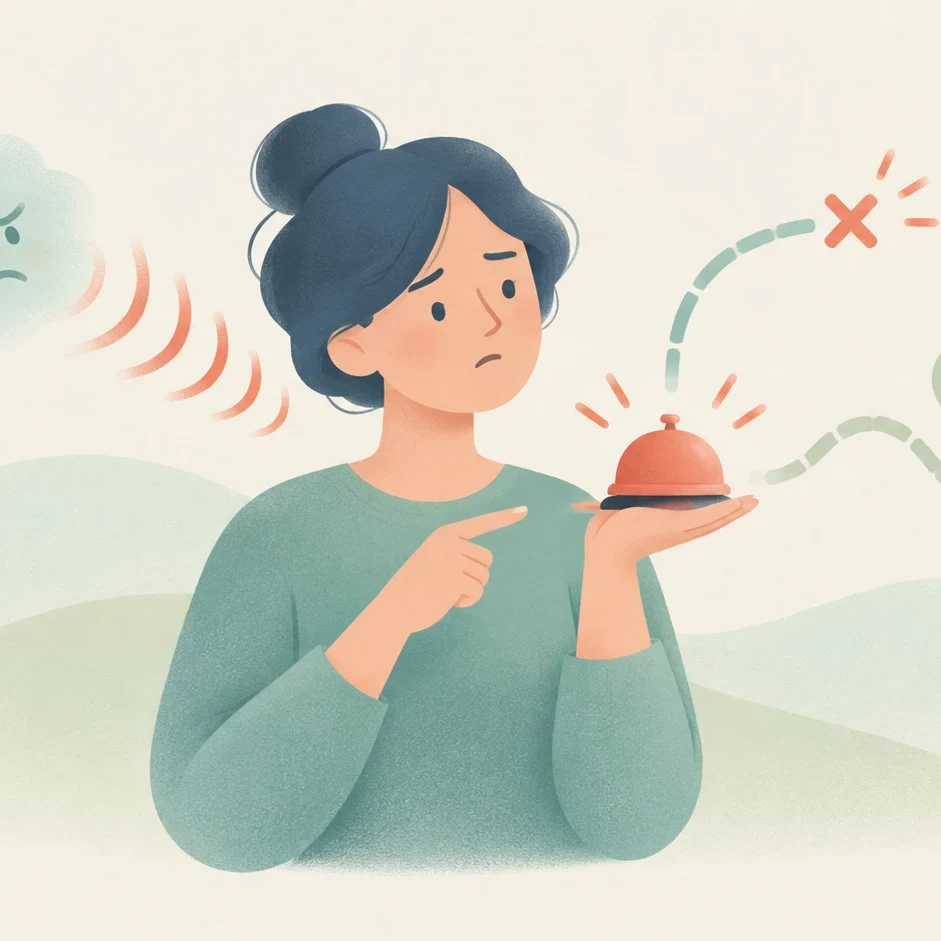
Bother
Bother functions across two main grammatical patterns. As a transitive verb followed by a person object, it describes causing irritation, worry, or a courteous interruption. When paired with an infinitive or an -ing verb, it conveys the exertion of physical or mental energy to perform an act. In noun form, it represents inconvenience or troublesome effort.
-

Improve Your English Listening Skills
Effective listening practice means training your ear to process meaning, speech connections, and key facts progressively instead of expecting complete word-by-word accuracy on your first attempt.
-

Work out
Work out can mean calculate an amount, find an answer through thought, exercise, or develop in a particular way. The surrounding sentence tells you which meaning fits.
-

Turn up
Turn up means to arrive or appear unexpectedly, to be found after being misplaced, or to increase the volume, heat, or power produced by equipment.
-
Turn out
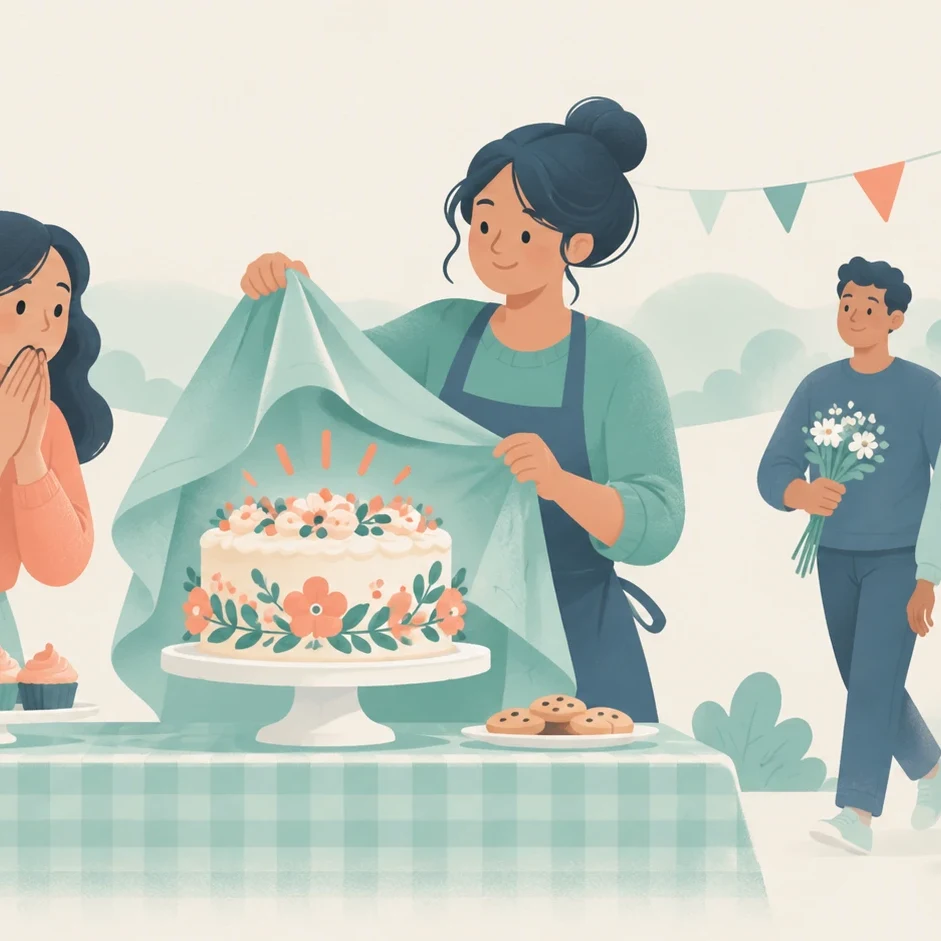
'Turn out' functions as a phrasal verb with three primary everyday uses. First, it describes how an activity, project, or event finally ends, typically paired with adverbs like 'well', 'badly', or 'fine'. Second, it reveals a newly discovered identity or truth, using 'turn out to be' or 'it turns out that'. Third, it describes attendance, showing that people gathered to participate in an organized public activity or community event.
-

Turn down
Turn down means to decline an offer, invitation, application, or request. It also means to lower the volume, temperature, light, or power emitted by a device.
Vous hésitez à commencer l’essai ? Recevez une leçon gratuite chaque jour
Une courte dictée par e-mail chaque jour pendant 7 jours. Entraînez-vous où vous êtes, sans compte.
Vous ne trouvez pas l’expression ou la situation à travailler ?
Les demandes de leçon sont comprises dans l’abonnement.
Voir les abonnements