
Encuentra tu próxima lección
Busca una frase o describe lo que necesitas decir. Elige entre las lecciones disponibles.
Mostrando 415–432 de 826 lecciones
-

paradox meaning: clear everyday examples
A paradox is a statement or situation that seems contradictory or contrary to expectation. Some reveal a truth when explained. Others, especially in logic, expose a contradiction or unresolved problem.
-

Could, would, or should: choose the right verb
Could indicates that something is possible or available as an option. Would describes what happens under a specific condition or in an imagined reality. Should indicates that an action is advisable, desirable, or expected.
-

Ad Hoc: Meaning and Daily Use
Ad hoc means arranged for a particular purpose or situation rather than as a general or standing arrangement.
-

English Collocations: Natural Word Pairs
A collocation is a pair or group of words that habitually appear together in natural speech and writing. While another word combination might communicate your basic idea, it sounds odd to an everyday listener because it breaks standard usage habits.
-
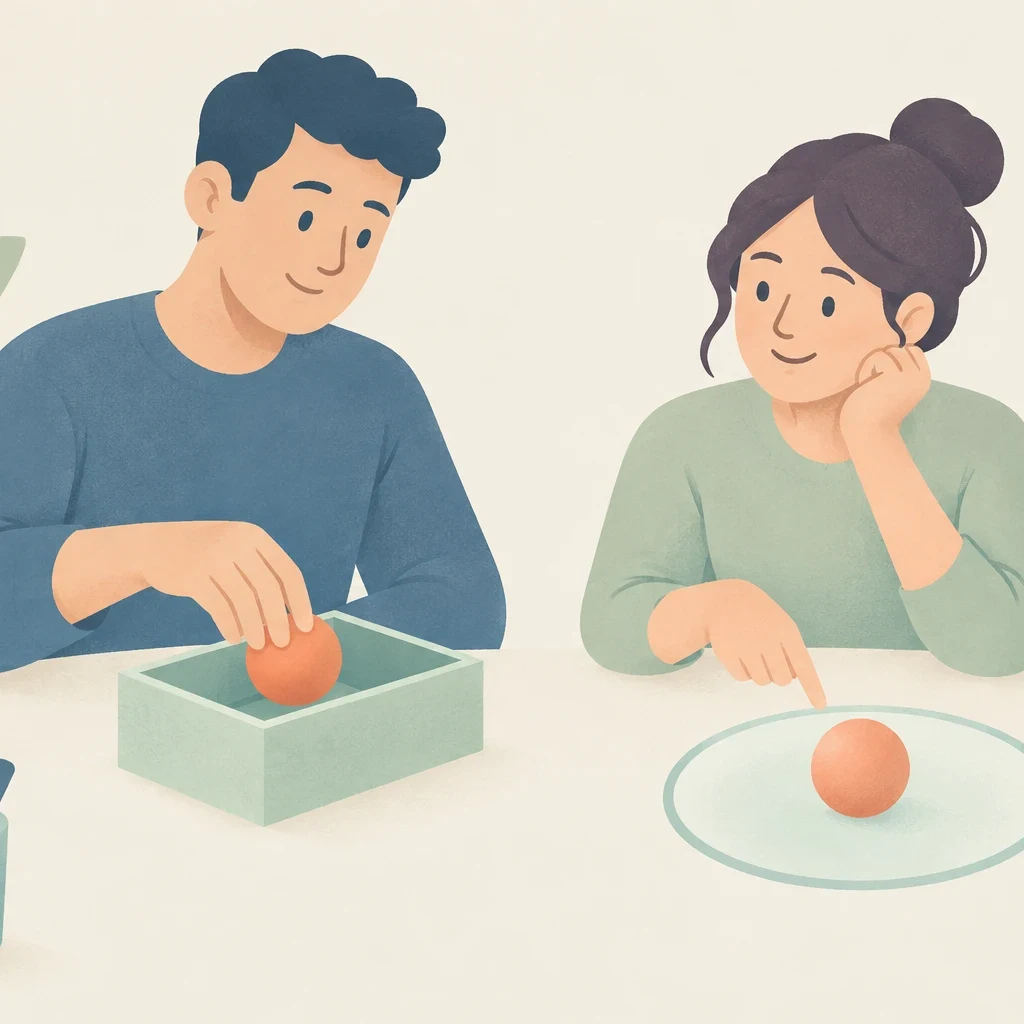
In or within: Choose the right word
The preposition in indicates location inside a place or marks a point after a period passes. The preposition within also means inside, but it explicitly emphasizes the boundaries enclosing a space, amount, distance, or period. In two hours means when two hours have passed. Within two hours means at any point before two hours expire.
-
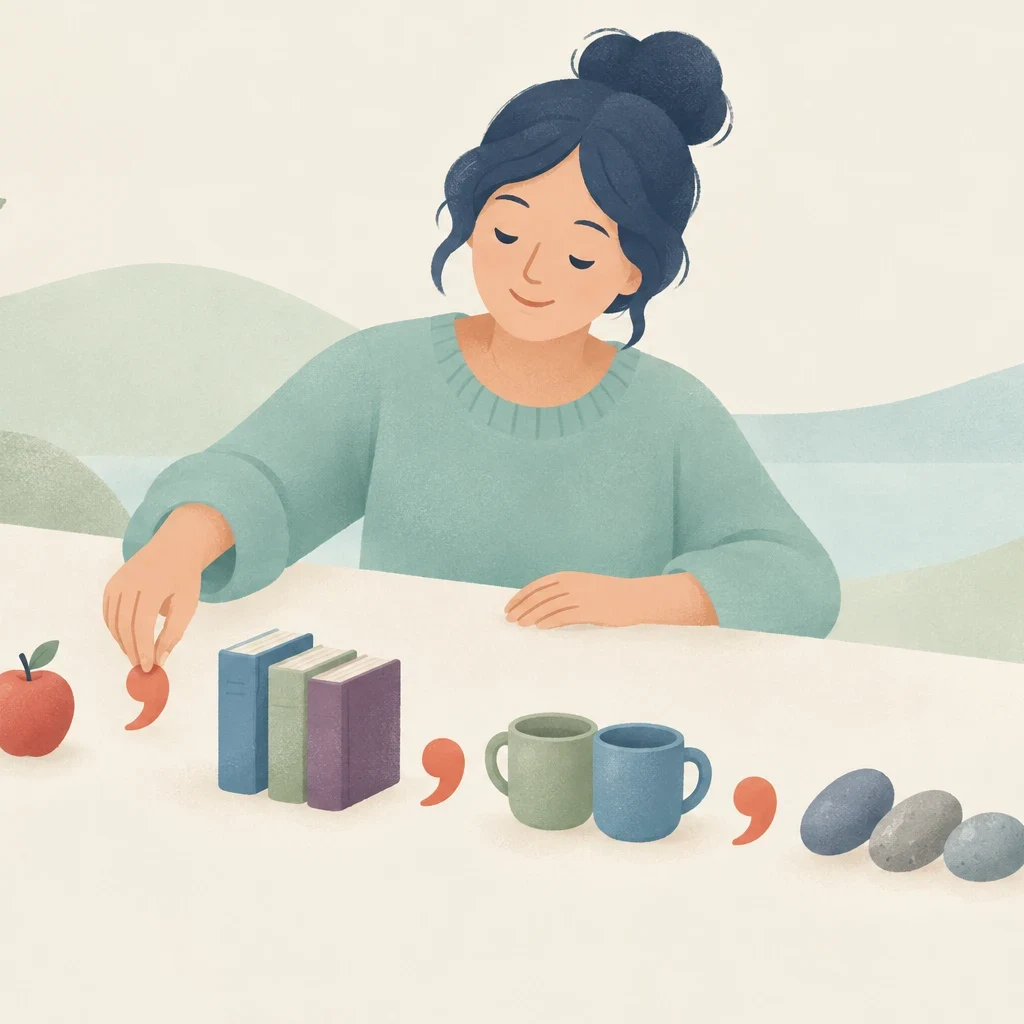
Using Commas: Where Commas Belong
A comma is a punctuation mark that separates grammatical units inside a sentence. It clarifies how phrases connect, shows where an introductory setup ends, divides series items, and sets off details that can be lifted out without breaking the main thought.
-
Membresía
Accede a todas las lecciones gratis durante 7 días
- 826 lecciones con dictado y pruebas de escucha
- Elige entre los acentos disponibles en cada lección
- Explora la biblioteca y guarda tu progreso
No se necesita tarjeta. Luego desde $7.50 al mes si quieres continuar.
Empezar prueba gratis -

One of the Examples Is: Choosing Verbs
One of the examples refers to a single member of a set of examples. In this pattern, use a plural count noun after one of the. The main statement concerns one member, so its verb is normally singular. This is a grammatical pattern, not a claim about whether selection from a one-item set is mathematically possible.
-

If Clauses: Real and Imagined Situations
An if clause sets up a requirement that must be met before a particular result can occur. Depending on how likely or realistic that requirement is, English shifts the tense structure to reflect certainty, possibility, or hypothetical distance.
-

Awesome Meaning: Praise and Clear Feedback
In modern conversational English, awesome describes something enjoyable, impressive, or exciting. Its traditional meaning refers to something that creates a profound feeling of awe, such as a towering natural landmark or a powerful storm. While both uses reflect admiration, the casual meaning is far more common in daily speech.
-

When to Use The: Practical English Rules
The word the points to a specific, identifiable referent. Unlike indefinite articles that introduce an unspecific member of a class, the signals that both speaker and listener share an understanding of the exact noun in question. It functions with singular countable nouns, plural countable nouns, and uncountable nouns alike, provided the identity of the noun is established.
-
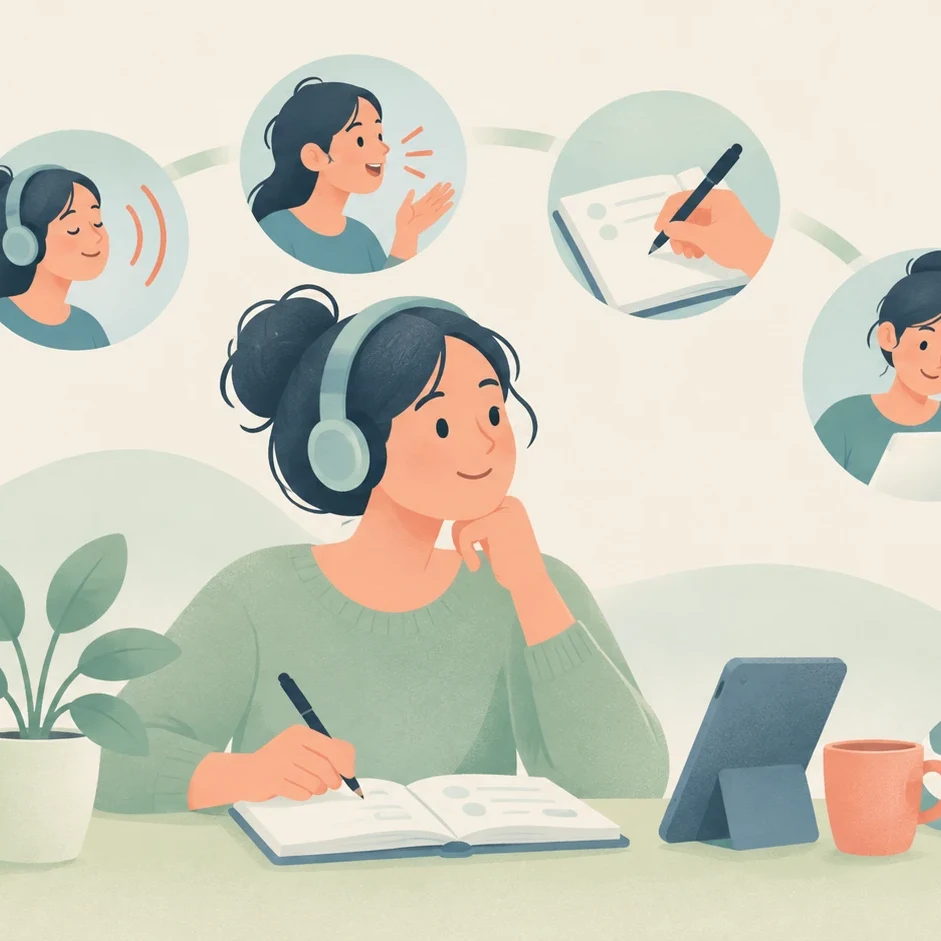
Learn English faster: a daily study plan
A practical routine connects study with situations you want to handle. You can practice phrases for a work update, an appointment, or a conversation with a neighbor, then check how well your words express the message.
-
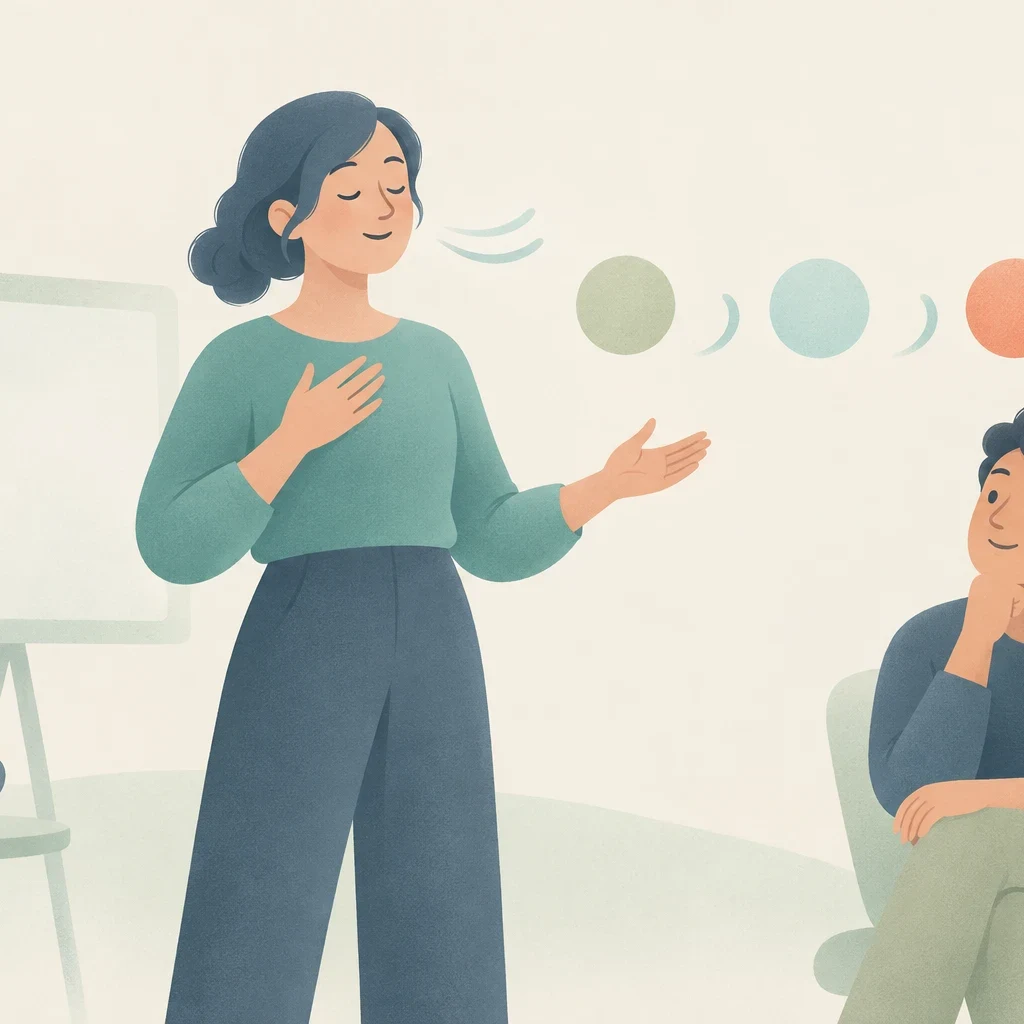
Breathe when public speaking: Pause before each point
Breathing for public speaking means giving yourself permission to stop between thoughts. You do not need deep lung expansions or complicated counting exercises. You simply pause at punctuation marks and let your body take in air naturally before starting the next sentence.
-

Future perfect continuous: measuring ongoing time
The future perfect continuous sets a future reference point and looks backward at an action that began earlier. It indicates that the action continues across that time span and might even continue beyond it. The primary communicative purpose is to highlight the duration of the ongoing activity by that specific future time.
-
Whatever or what ever: choosing the right form
Whatever functions as a pronoun, determiner, or clause connector indicating that a choice, condition, or result is open and unrestricted. In contrast, what ever is an emphatic question phrase where what functions as an interrogative pronoun asking for information, and ever serves as an independent adverb adding surprise, skepticism, or force.
-

Vain meaning: pride and failed efforts
Vain can describe someone who is too proud of their looks or abilities. It can also mean unsuccessful, as in a vain attempt. In vain means without success or without the hoped-for result.
-

Despicable Meaning: Strong Moral Judgment
Despicable means deserving strong dislike or contempt. It expresses a severe negative judgment, often about behavior the speaker considers morally wrong. The word does not establish a legal test or prove someone’s intentions.
-

English class activity ideas: practical speaking tasks
Active learning means using English to accomplish a concrete task rather than silently memorizing rules. Learners speak, listen, write, or sort details to solve a problem or exchange facts. Quiet individual thinking and writing also support active learning when they help a learner organize thoughts before speaking.
-

Forming Adverbs from Adjectives: Rules and Word Position
Adjectives describe qualities of nouns or follow linking verbs, answering questions such as what kind or which one. Adverbs of manner describe action verbs, answering the question how. Transforming an adjective into an adverb allows you to specify the speed, care, intensity, or style with which an activity takes place.
¿No estás listo para una prueba? Recibe una lección gratis cada día
Un dictado corto en tu bandeja de entrada cada día durante 7 días. Practica donde estés, sin necesidad de cuenta.
¿No encuentras la frase o situación que necesitas?
Las solicitudes de lecciones requieren una membresía.
Ver membresía