Encuentra tu próxima lección
Busca una frase o describe lo que necesitas decir. Elige entre las lecciones disponibles.
Mostrando 1–4 de 4 lecciones
Borrar filtros-
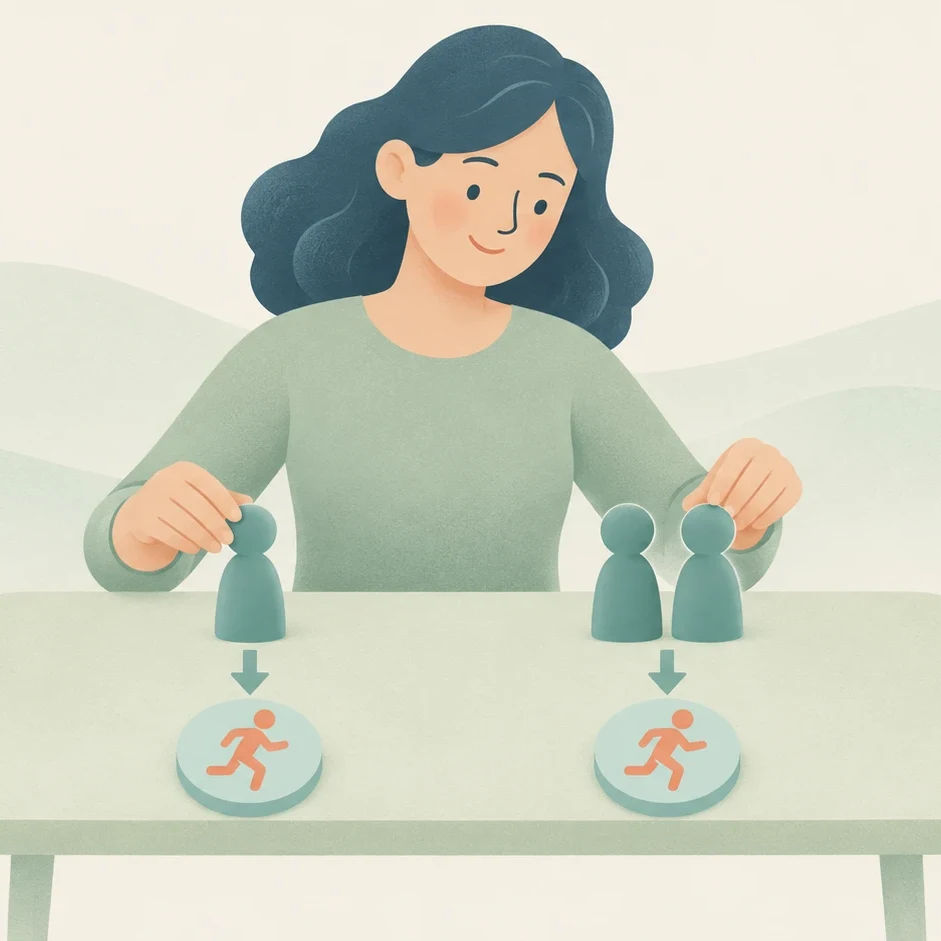
Do or does: questions and negatives guide
In the present simple tense, do and does act as helper words for questions and negatives with ordinary main verbs. They do not add extra meaning; instead, they signal the question or negative structure and show the subject group.
-

English Nouns: Rules for Everyday Use
A noun is a word that identifies a person, place, animal, thing, or idea. Nouns can name the person who acts, the object that someone carries, or a location. They can be singular for one item, plural for several items, or uncountable for substances and concepts that do not take numbers directly.
-

Simple present tense: rules and practice
The simple present expresses regular routines, general facts, and ongoing states. A routine does not need to happen every day; an action that happens once a month or on weekends uses this tense. It also describes stable conditions such as where you live, what you like, and how things work.
-
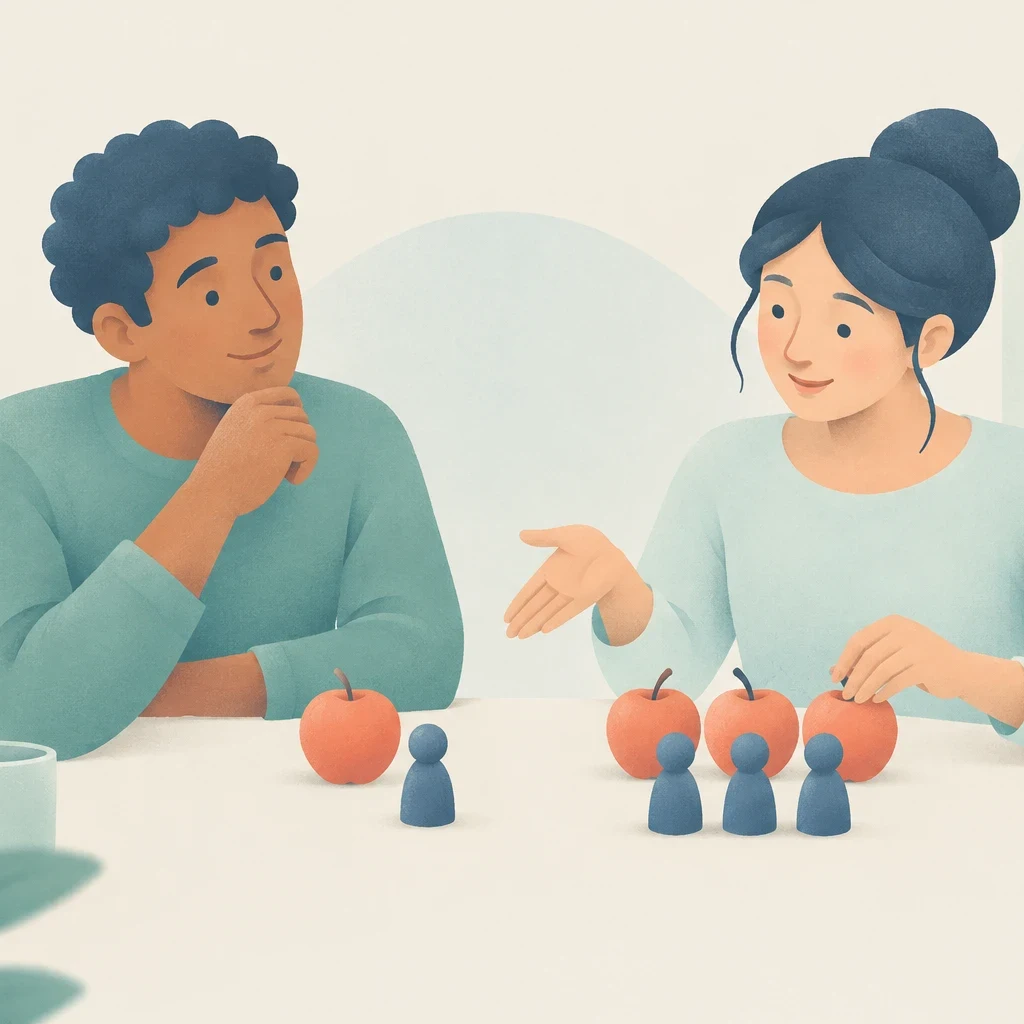
Have or Has: Choosing the Right Verb Form
Have and has are forms of the same verb. They can describe something you own, a family relationship or an activity, such as eating a meal. The subject tells you which form to use in a positive present statement.
¿No estás listo para una prueba? Recibe una lección gratis cada día
Un dictado corto en tu bandeja de entrada cada día durante 7 días. Practica donde estés, sin necesidad de cuenta.
¿No encuentras la frase o situación que necesitas?
Las solicitudes de lecciones requieren una membresía.
Ver membresía