听清词与词的分界
第一遍先听,不急着输入。第二遍留意一个词在哪里结束,下一个词从哪里开始。再听整个词组,检查自己分得对不对。
显示第343–360节,共601节课
-

Adjective Order: Rules and Examples
Adjective order is the customary sequence English speakers use to organize multiple details before a noun. Placing broad personal opinions first and moving inward toward physical facts, origin, and material allows listeners to process descriptive layers smoothly without pausing.
-

English Adjectives: Describe People and Things
An adjective gives information about a noun or pronoun. It describes qualities such as size, age, color, condition, or emotion, showing which person or object you mean and what that person or object is like.
-

Hit the jackpot: Meaning and use
In literal terms, hitting the jackpot means winning the grand prize in a lottery or game of chance. Figuratively, people use the phrase to describe any exceptional outcome, bargain, or opportunity that turns out far better than expected. The expression highlights a result that brings genuine delight and feels like a stroke of rare luck.
-

Gerunds: When to Use -ing
A gerund names an activity rather than describing an action that is currently unfolding. Because it functions as a noun, a gerund can serve as the subject of a clause, follow the linking verb be, or appear directly after prepositions and certain main verbs. The form always ends in -ing, but its grammatical position determines whether it is a gerund.
-

Have or Has: Choosing the Right Verb Form
Have and has describe possession, relationships, and everyday activities. The verb form depends on who or what performs the action.
-

Myself and John: How to Choose
A subject names who or what the clause is about or who carries out the action. An object receives an action or completes a preposition like to, for, with, or between. The reflexive pronoun myself turns the action back onto the speaker as the subject of the same clause. Knowing these three sentence roles makes your choice simple and reliable.
-
会员
全部课程免费学7天
- 601节课程,包含听写和听力测试
- 三种口音:英式、美式和澳式
- 每天有新课,并保存学习进度
无需绑卡。之后如想继续使用,每月$7.50起。
开始免费试用 -

Then or Than: Choose the Right Word
Use then to show sequence, a specific point in time, or a consequence following a condition. Use than to introduce the second element in a comparison of size, price, speed, quality, or amount.
-

Whenever or When Ever: One Word or Two?
Whenever acts as a conjunction connecting a time condition to a main action. It carries two related meanings in everyday English. First, it describes repeated routines, meaning every time that an event occurs. Second, it offers flexible permission for a single event, meaning at any time that suits someone. In contrast, the two-word phrase when ever splits into the question word when and the intensifier ever. In that pattern, ever adds strong emotion such as surprise, curiosity, or frustration. It never establishes a schedule condition or flexible invitation.
-
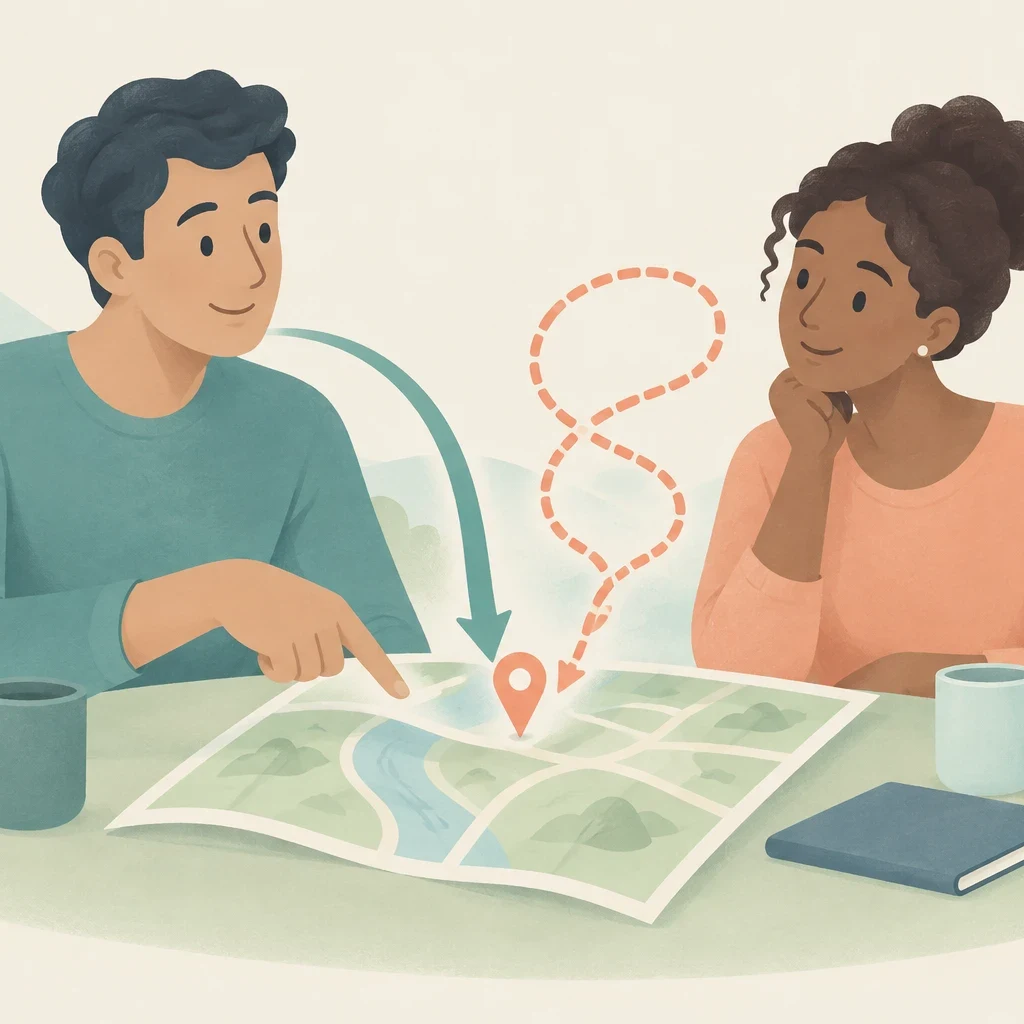
Discuss or discuss about: Which is correct?
To discuss means to consider, examine, or exchange ideas about a subject with another person. It does not require an argument or total agreement; it simply names the act of talking through a topic together. In standard English, the subject follows the verb discuss directly.
-

Where, Were, or Wear: Choosing the Right Word by Meaning
Where asks about or names a location. Were connects a plural subject or you to past facts, locations, and descriptions. Wear describes having clothing, footwear, or accessories on your body.
-

Interjections in Daily English: Choosing, Punctuating, and Hearing Everyday Reactions
An interjection is a sound, single word, or brief phrase that expresses an immediate reaction or emotion. It does not connect grammatically to subject-verb structures, and its spelling remains identical regardless of tense, person, or quantity.
-
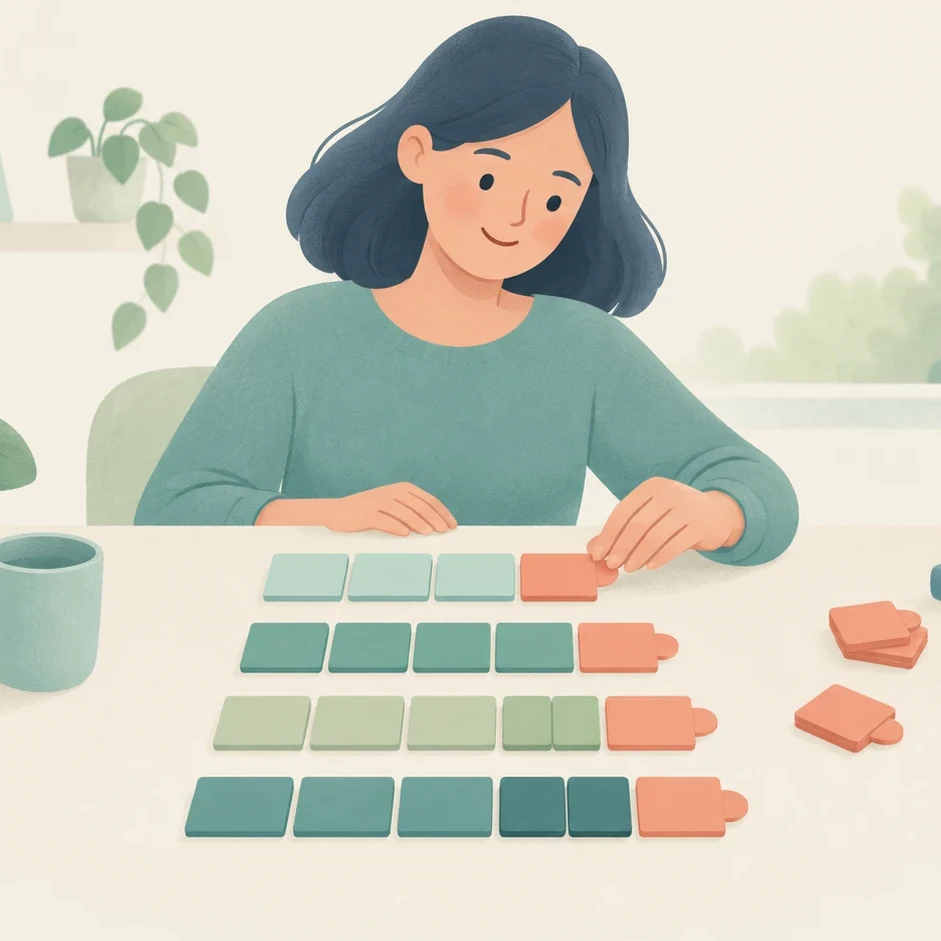
Doubling Final Consonants Before -ing and -ed
Doubling a final consonant is a spelling pattern rather than a change in meaning or grammatical tense. In English spelling, an extra consonant letter often marks the preceding vowel as short. For example, doubling the n in planning distinguishes it from planing, which comes from the verb plane. Adding an extra letter keeps written forms clear and prevents confusion between different verbs.
-

On Friday or in Friday: which is correct?
On connects an event to a specific day or calendar date. It answers the question about which day something happens. In refers to an enclosed space, a document, or a longer stretch of time like a month or a season. When Friday names the day an action takes place, on is the only standard choice. Saying in Friday does not match English grammar.
-

Whose bag is it? Describing people and their belongings
Whose connects a person or thing to something that belongs to it or is associated with it. In 'The cook whose apron is green needs a spoon,' the apron helps us identify the cook.
-

Who Said What? Passing On a Message
Quoted speech repeats someone's exact words. Reported speech puts their message into your own sentence. Both can describe the same conversation.
-

One More Thing: Adding Information Clearly
Addition linkers tell your listener or reader that you are building on the same topic. They show that the next thought belongs alongside the previous one, without switching direction, giving a cause, or showing an unexpected result.
-
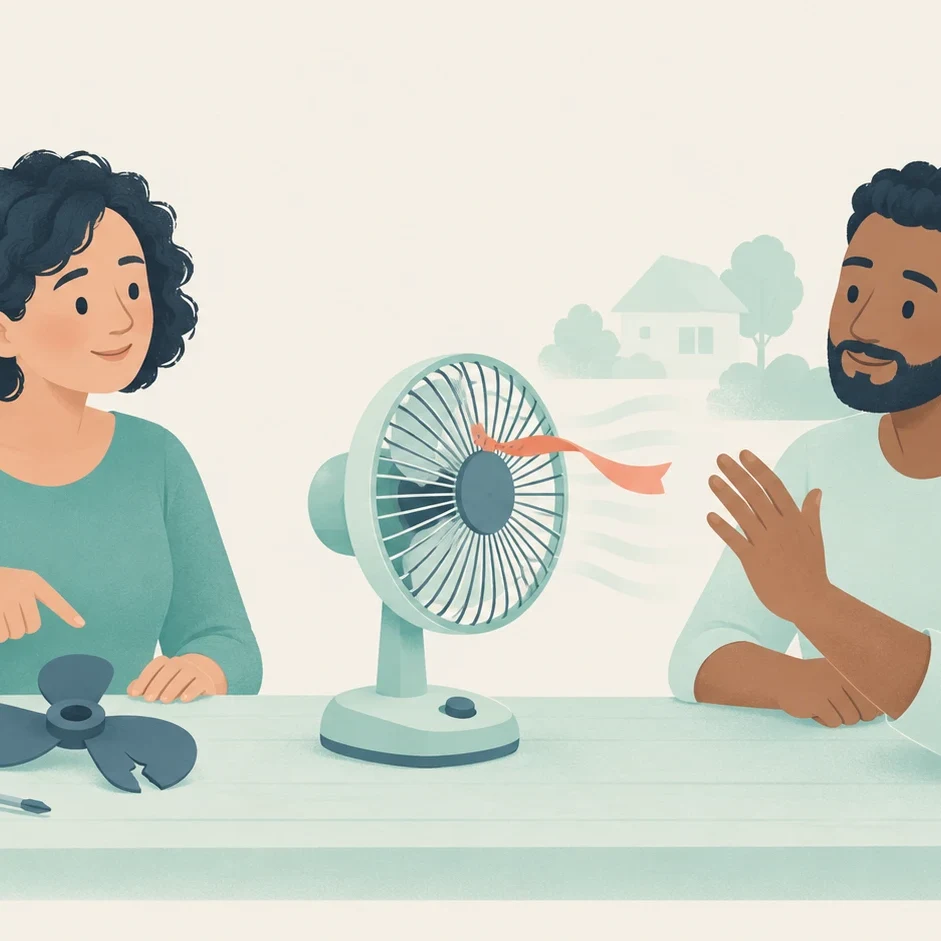
Took or have taken? Choose the form for your message
The past simple places an action in a finished past situation: I took the radio apart yesterday. The present perfect connects a past action with now: I have taken the radio apart, so we can check it.
-

Choose I, me, my, or mine when sharing plans
A pronoun can replace a name or a thing already understood. Subject forms such as she name who does an action. Object forms such as her name who receives it. Ownership forms show who something belongs to.
还没想好是否试用?每天收一节免费课
连续7天,每天发一段短听写到邮箱。在哪里都能练,不用注册账户。
找不到想学的表达或场景?
定制课程是会员功能。
查看会员方案