
听清词与词的分界
第一遍先听,不急着输入。第二遍留意一个词在哪里结束,下一个词从哪里开始。再听整个词组,检查自己分得对不对。
显示第1–18节,共814节课
-
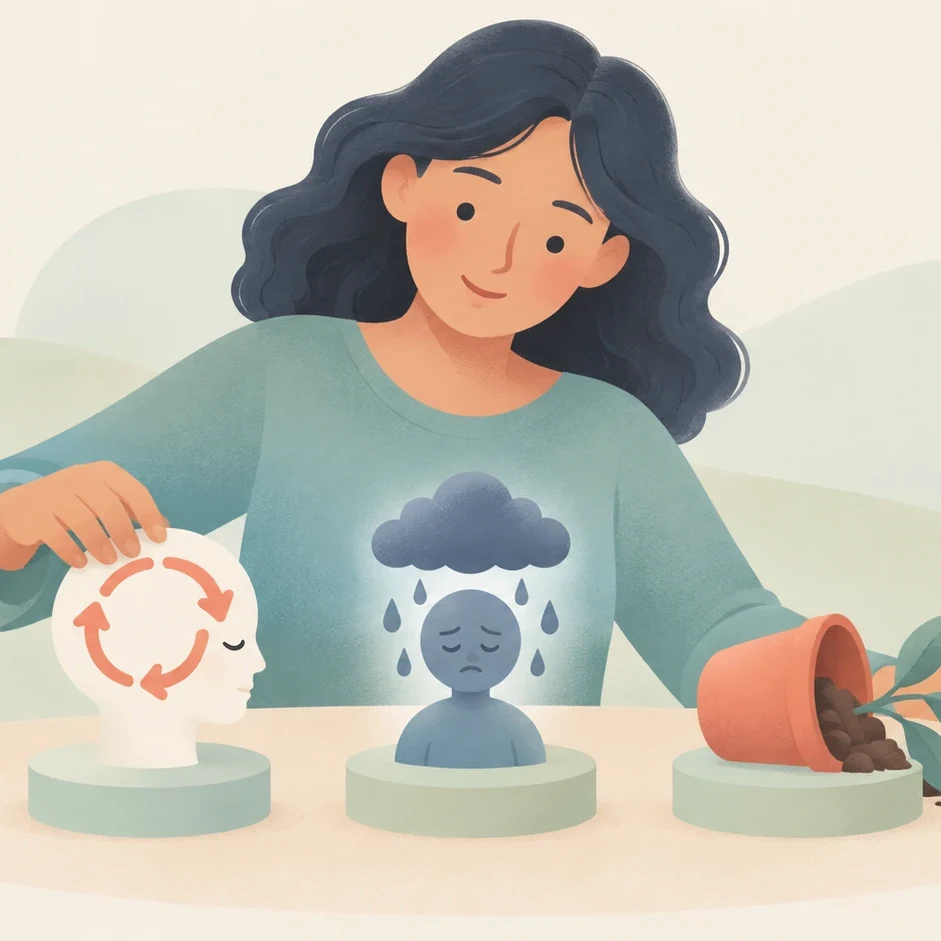
Worry or be worried: which one fits?
Use the verb worry when someone experiences concern as an action or regular habit. Use be worried when you describe a person's current emotional state. In addition, an event or situation can worry someone when it creates that feeling. While both forms describe the same general emotion, they arrange the grammar around different actors.
-
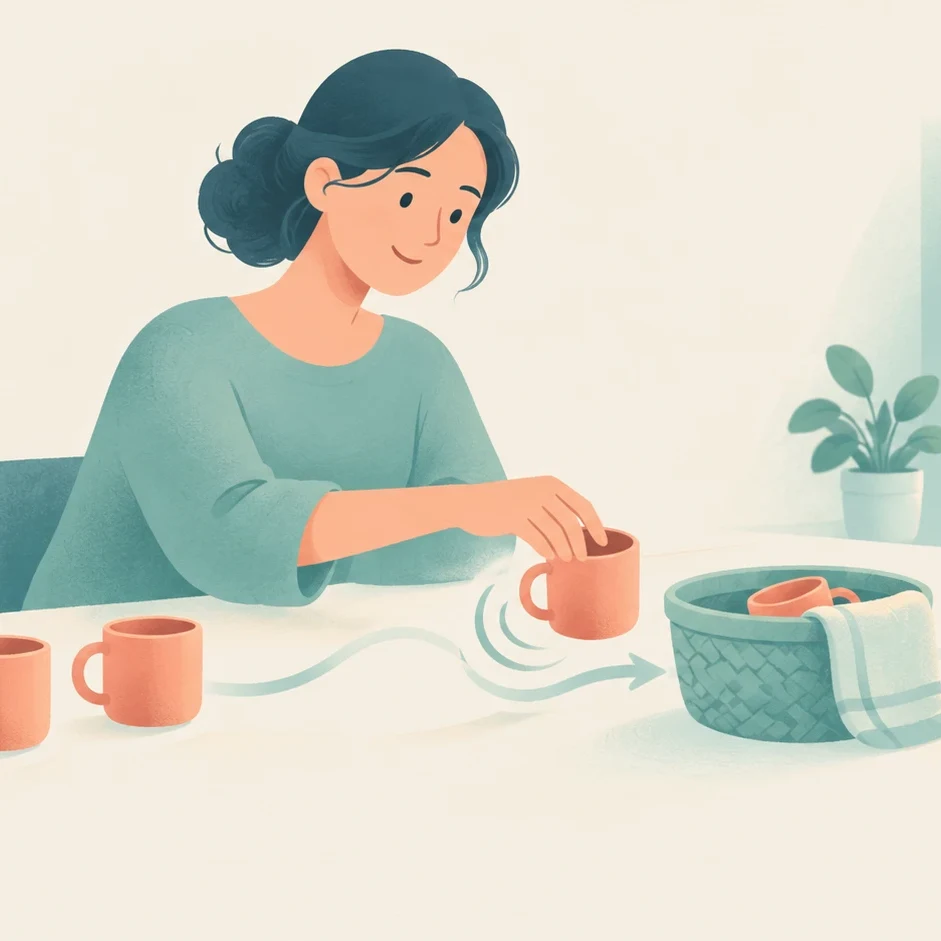
Adverb placement: natural word order
An adverb changes or clarifies the meaning of a verb, an adjective, another adverb, or a full statement. In everyday speech, frequency adverbs like often tell listeners how repeatedly an action happens, while manner adverbs like carefully show how someone performs an action. Adverbs of place and time show the physical location and schedule. Position matters because moving an adverb can emphasize a different idea or create confusion.
-
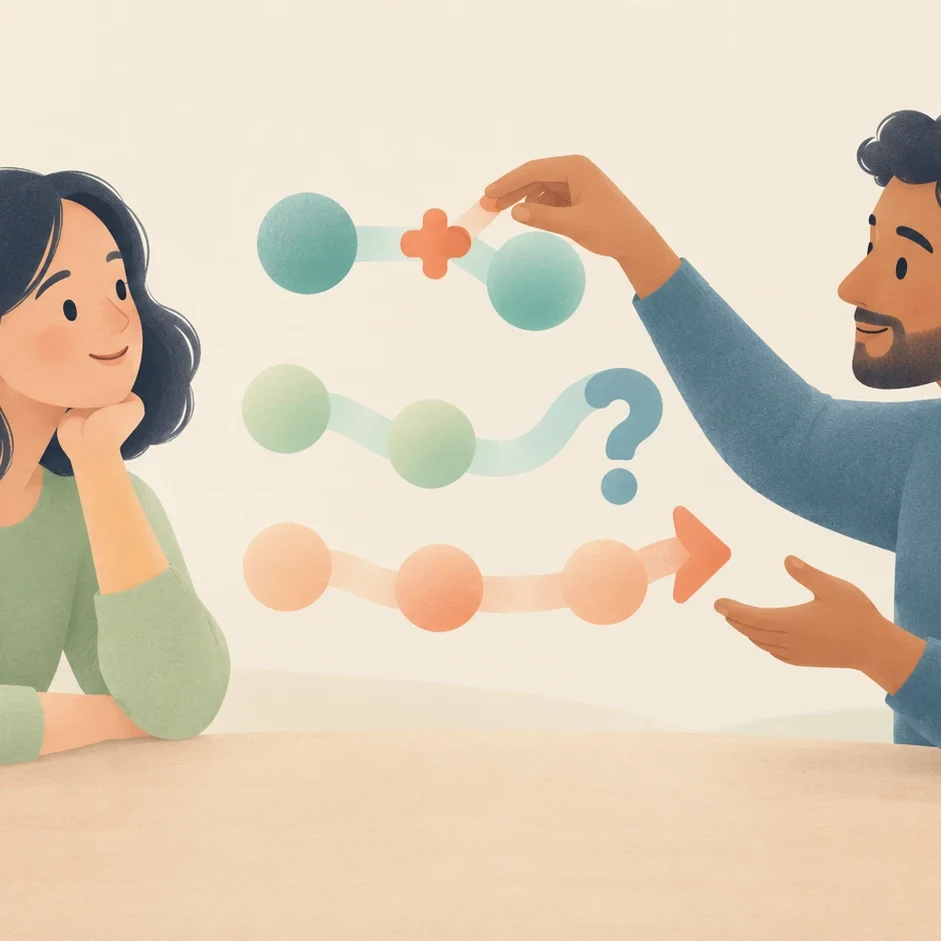
That in reported speech: when to use it
In reported speech, that works as a connecting conjunction. It links the reporting verb to the clause that carries the speaker's original message. It does not alter the facts or add a new meaning. Instead, it marks the exact point where the reported statement begins.
-

English question forms: word order rules
A question requests information, seeks confirmation, or asks for assistance. In English, word order shows that request even before a listener notices your rising intonation. When you place a helping verb such as is, do, can, or did before the subject, the listener knows right away that a response is required.
-

Home or House: Choose the Right Word
House names a physical residential structure with walls, a roof, and rooms. Home identifies the personal living space where someone resides, sleeps, and keeps personal belongings. Home can also describe a sense of comfort, safety, and community belonging.
-
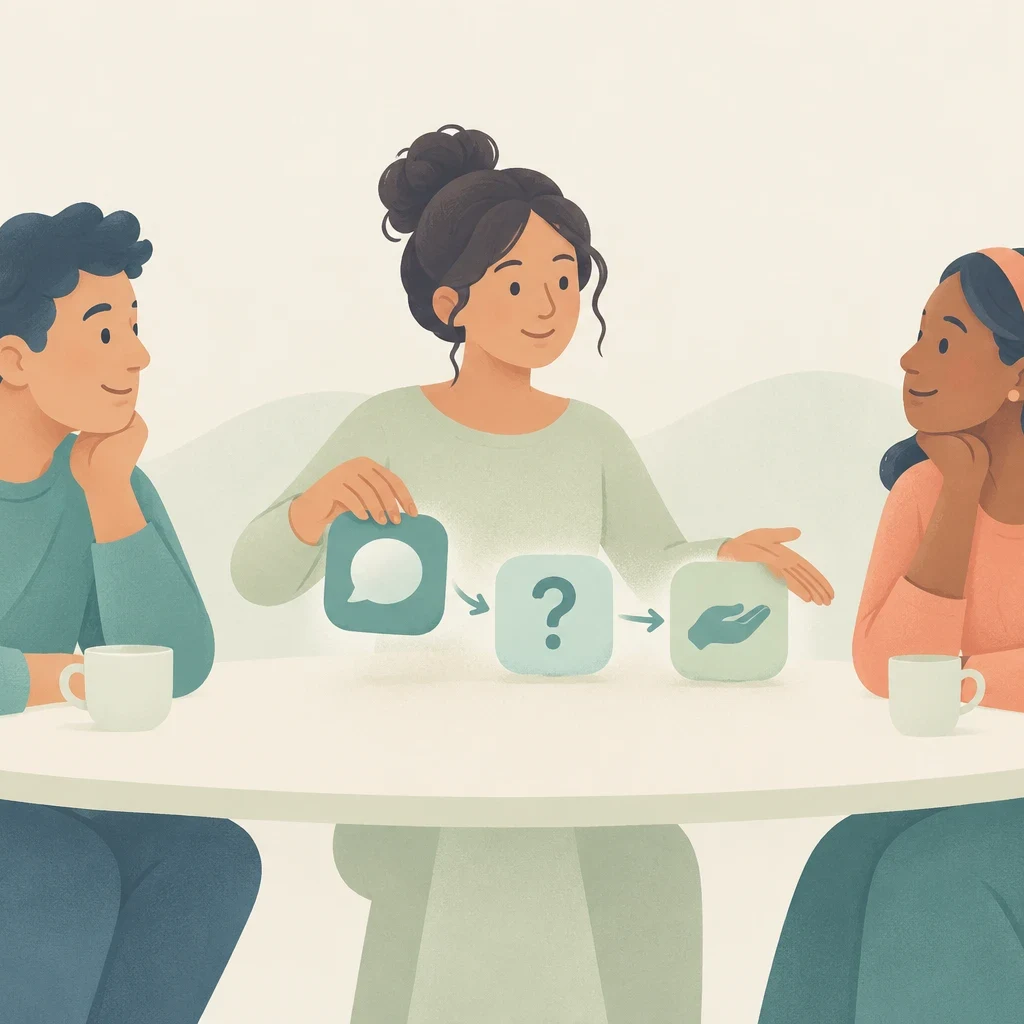
Reported speech: rules and examples
Direct speech repeats someone's exact words inside quotation marks. Reported speech shares the meaning of those words within a new sentence from your point of view. Instead of imitating the original voice, you connect the message to your present conversation. This structure allows you to share updates, relay instructions, and summarize questions quickly in daily life.
-
会员
全部课程免费学7天
- 814节课程,包含听写和听力测试
- 三种口音:英式、美式和澳式
- 可保存学习进度
无需绑卡。之后如想继续使用,每月$7.50起。
开始免费试用 -

beware of: warning preposition usage guide
Beware of alerts a person to a potential hazard, deception, or risk before trouble happens. It does not state that harm is guaranteed, but it advises caution so the person stays observant and avoids harm. You will see it on public signs, in digital safety advisories, and in serious spoken recommendations.
-
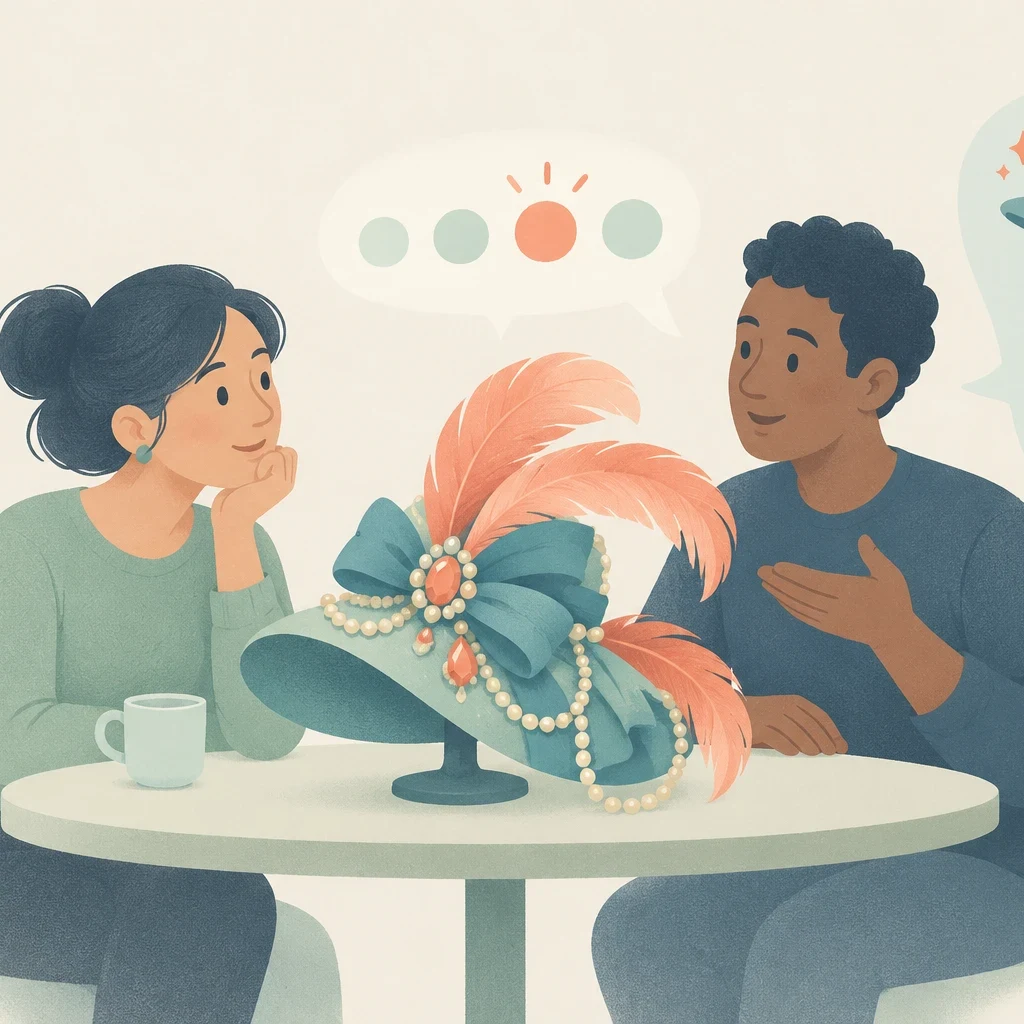
Ostentatious Meaning: Definition, Stress, and Use
Ostentatious describes a person, object, or behavior that deliberately attracts attention through showy, exaggerated display, typically earning disapproval from the speaker.
-

Percent or Percentage: Choose the Right Word
The word percent comes from Latin and means parts out of every one hundred. When you write 25 percent, you describe 25 parts out of every 100 parts. The word percentage refers to the proportion or share itself, whether that share is large, small, or unknown. Both words deal with fractions of a whole, but they perform different grammatical jobs in your sentences.
-

Present simple and continuous: choose the right tense
The present simple describes habits, repeated actions, permanent states, and fixed schedules. The present continuous describes actions happening at the moment of speaking or temporary situations that belong to the current period. Both tenses refer to the present, but they frame time differently.
-

Prepositions of time: choose at on in
At points to a precise clock time or moment, such as at eight or at noon. On marks a specific calendar date or day of the week, like on Wednesday. In refers to wider periods including months, seasons, and years, such as in October or in 2027. Looking at the full phrase reveals which category applies.
-

Countable and Uncountable Nouns: Choose the Right Words
Countable nouns describe separate units that people count one by one, like hammers, tables, and cups. Uncountable nouns describe substances, collections, or concepts that English treats as a whole mass, like wood, luggage, or information. The grammatical pattern depends on how English treats the idea rather than the physical object itself.
-

Such or such a: choose correctly
The word such strengthens a speaker's reaction toward a person, object, or situation. It signals high degree or intensity, showing feelings such as appreciation, surprise, frustration, or relief. While the emotional tone can be positive or negative, the grammatical pattern stays identical. In careful or formal contexts, such can also mean of that kind, pointing back to a previously mentioned type or category while keeping the same article rules.
-

Must or should: Rules and helpful advice
Must expresses an essential requirement, a binding rule, or an urgent personal necessity that cannot be skipped. Should expresses a sensible recommendation or constructive advice that leaves the final decision to the listener. When you switch between these two modal verbs, you fundamentally change the strength of your message.
-

Past Simple or Past Continuous: A Clear Guide
The past simple presents a completed event, action, or state as a single whole in past time. The past continuous presents an ongoing activity around a specific past moment. Both actions may be finished now, but the choice shows whether you want to emphasize the progress of the activity or simply report the completed event.
-

Didn't or don't: choose past or present
Don't is the contracted form of do not, used for present facts and routines with subjects such as I, you, we, and they. Didn't is the contracted form of did not, used for past actions across all subjects. The negative helping verb carries the time signal for the sentence. Because the helper shows the tense, the following verb remains in its plain dictionary shape.
-

Among or amongst: which word fits?
Both prepositions show that someone or something is included in, surrounded by, or part of a group of three or more people or things. Neither word changes the underlying facts of the sentence.
-

i.e. vs e.g.: Difference and Examples
The abbreviation i.e. stands for that is or in other words. It restates or clarifies the exact idea just mentioned. The abbreviation e.g. stands for for example. It introduces one or more samples without naming every item in the category. Neither abbreviation means and so on.
还没想好是否试用?每天收一节免费课
连续7天,每天发一段短听写到邮箱。在哪里都能练,不用注册账户。
找不到想学的表达或场景?
定制课程是会员功能。
查看会员方案