工作与会议英语
练习谈论工作、项目和身边的人时会用到的表达。每段录音先听一遍,再看讲解。
显示第37–54节,共95节课
-

Dairy or Diary: How to Choose
Dairy names milk and food items made from milk, such as yogurt, butter, and cheese. It can also describe a business that bottles milk. A diary is a private book or digital record where you record daily events, personal thoughts, or schedule commitments.
-

Simple present tense: rules and practice
The simple present expresses regular routines, general facts, and ongoing states. A routine does not need to happen every day; an action that happens once a month or on weekends uses this tense. It also describes stable conditions such as where you live, what you like, and how things work.
-

Present perfect progressive: how to use have been working
The present perfect progressive emphasizes the continuous nature, duration, or recent completion of an action that affects the present moment. Unlike simple forms that focus on finished products or counted quantities, this form focuses on the work itself and the time spent doing it.
-
Choose the verb that fits the subject
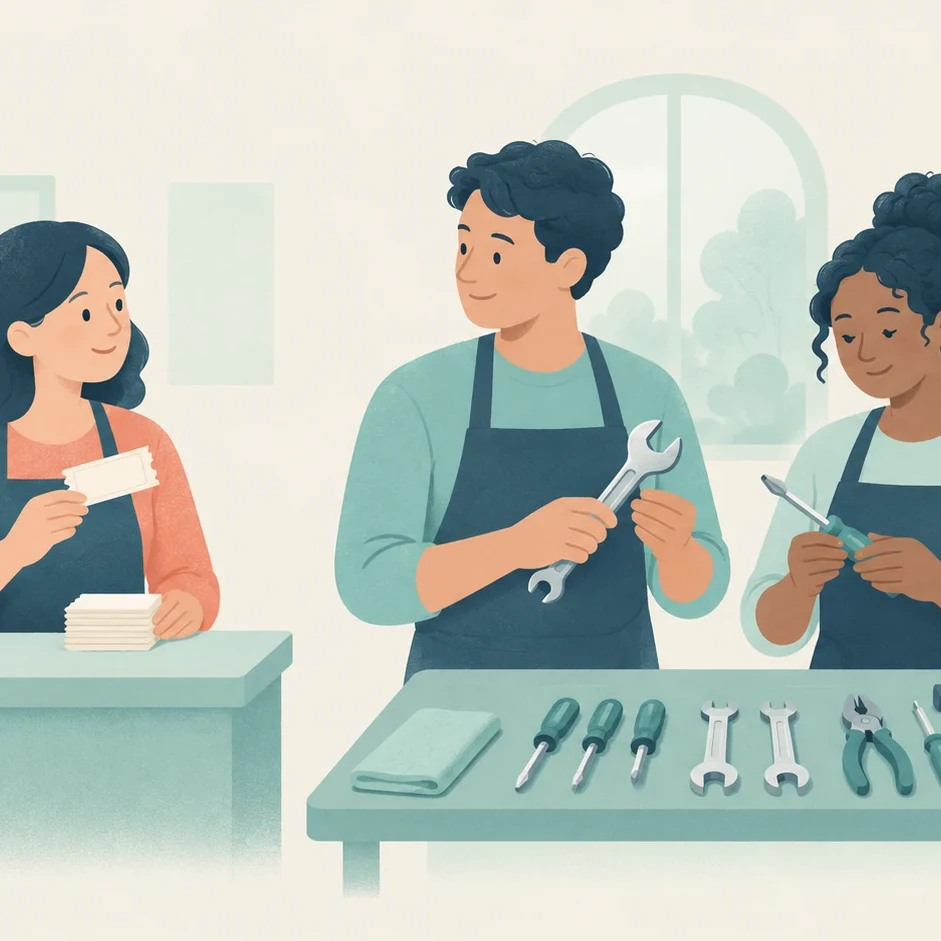
Subject-verb agreement means choosing a verb form that matches its subject. With most verbs in present-tense statements, he, she, it, and a singular noun take an ending such as s: the machine works. Plural nouns use the base form: the machines work.
-
A Goose at the Office Door
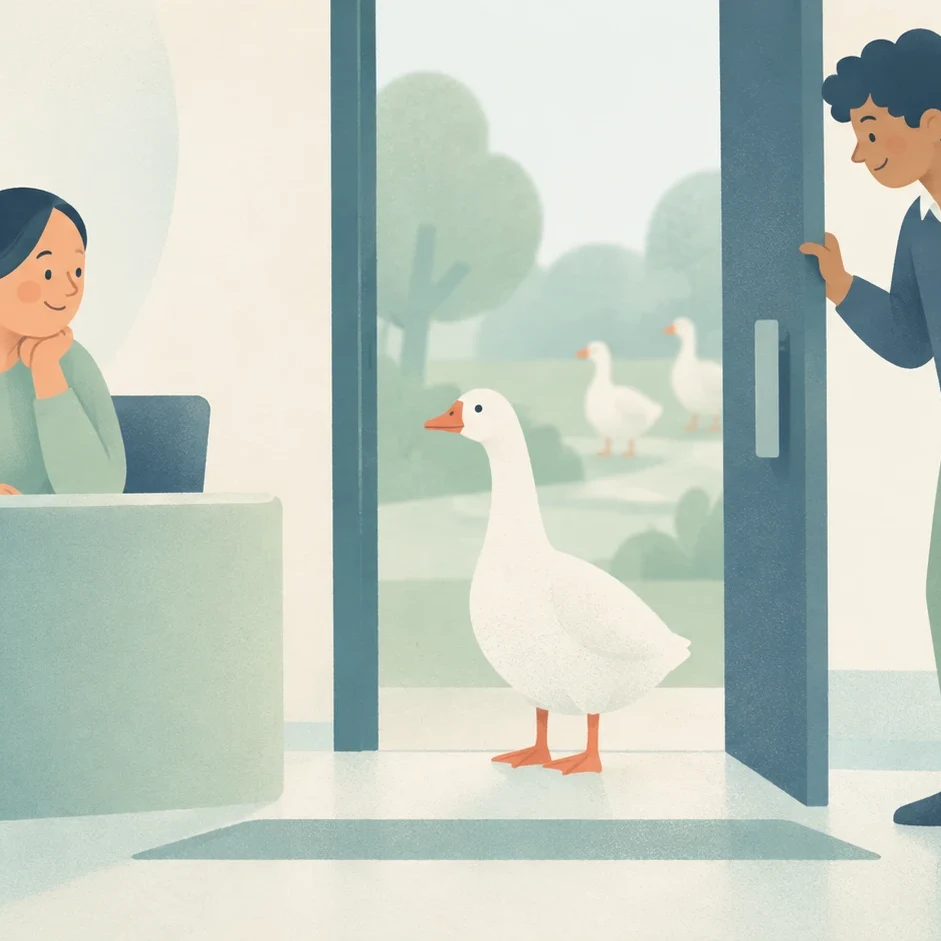
Goose refers to a single bird. Geese refers to two or more of those birds. The standard plural form is geese. The form gooses is incorrect for the plural of the bird.
-

-
会员
全部课程免费学7天
- 592节课程,包含听写和听力测试
- 三种口音:英式、美式和澳式
- 每天有新课,并保存学习进度
无需绑卡。之后如想继续使用,每月$7.50起。
开始免费试用 -
Turn out
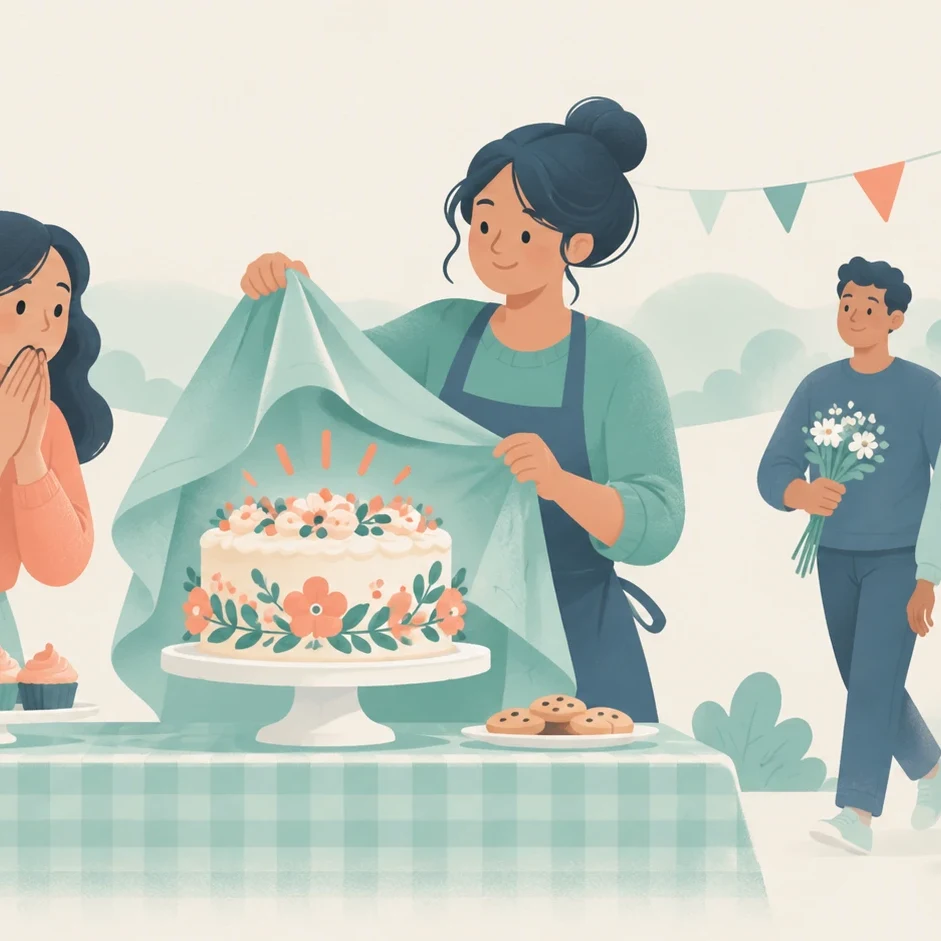
'Turn out' functions as a phrasal verb with three primary everyday uses. First, it describes how an activity, project, or event finally ends, typically paired with adverbs like 'well', 'badly', or 'fine'. Second, it reveals a newly discovered identity or truth, using 'turn out to be' or 'it turns out that'. Third, it describes attendance, showing that people gathered to participate in an organized public activity or community event.
-

-

-
-
 视频 · 7分钟
 -

Get together
Get together means meeting and spending time with other people, usually socially and often by arrangement. Informally, when used about two people with explicit relationship clues, it can also mean beginning a romantic partnership.
-
Get out of something
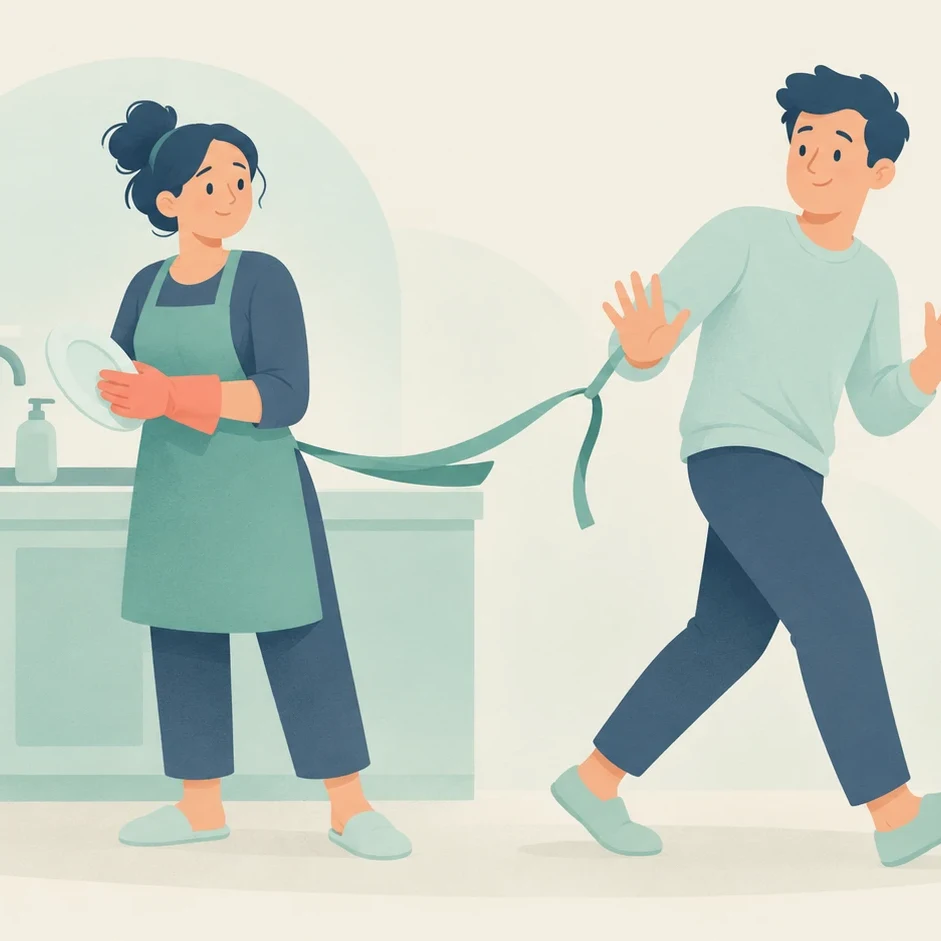
To get out of something means to avoid an expected obligation, duty, or task so that you do not have to do it. When expanded to 'get out of the habit of doing something', it means to stop a repeated behavior or regular routine over time.
-

Chip away
Chip away literally describes breaking off tiny pieces from a hard surface with repeated small strikes. In everyday figurative use, chip away at describes making steady progress against a large task or slowly diminishing a quantity, feeling, or barrier through small efforts over time. It shows that the target is diminishing, but it does not claim that the work is finished.
-

-

-
 视频 · 8分钟
 Break up
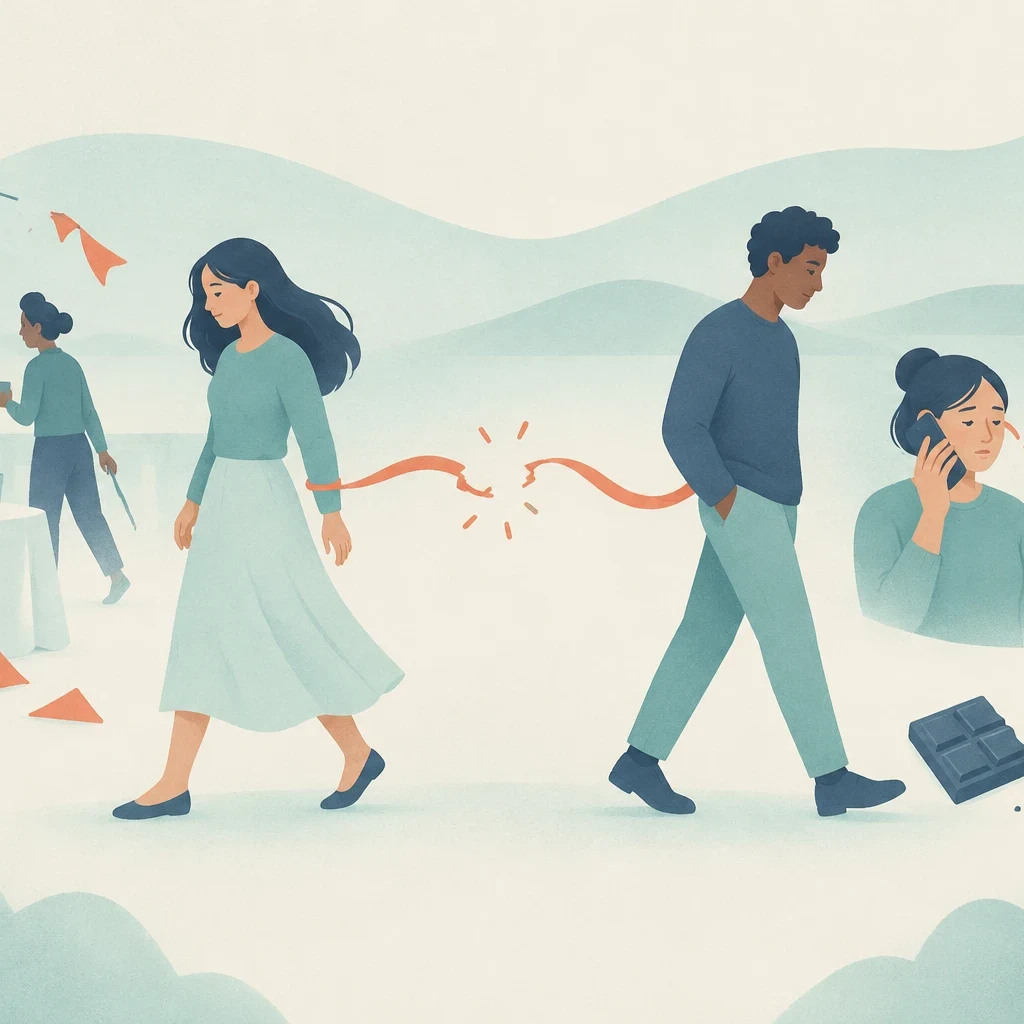
Break up expresses four main ideas in modern English. First, it describes romantic partners ending a relationship. Second, it describes people in a gathering dispersing or an organizer ending an event. Third, it means dividing something larger into smaller pieces or groups. Fourth, it describes an unstable voice or video signal that cuts out during a conversation.
-

还没想好是否试用?每天收一节免费课
连续7天,每天发一段短听写到邮箱。在哪里都能练,不用注册账户。
找不到想学的表达或场景?
定制课程是会员功能。
查看会员方案