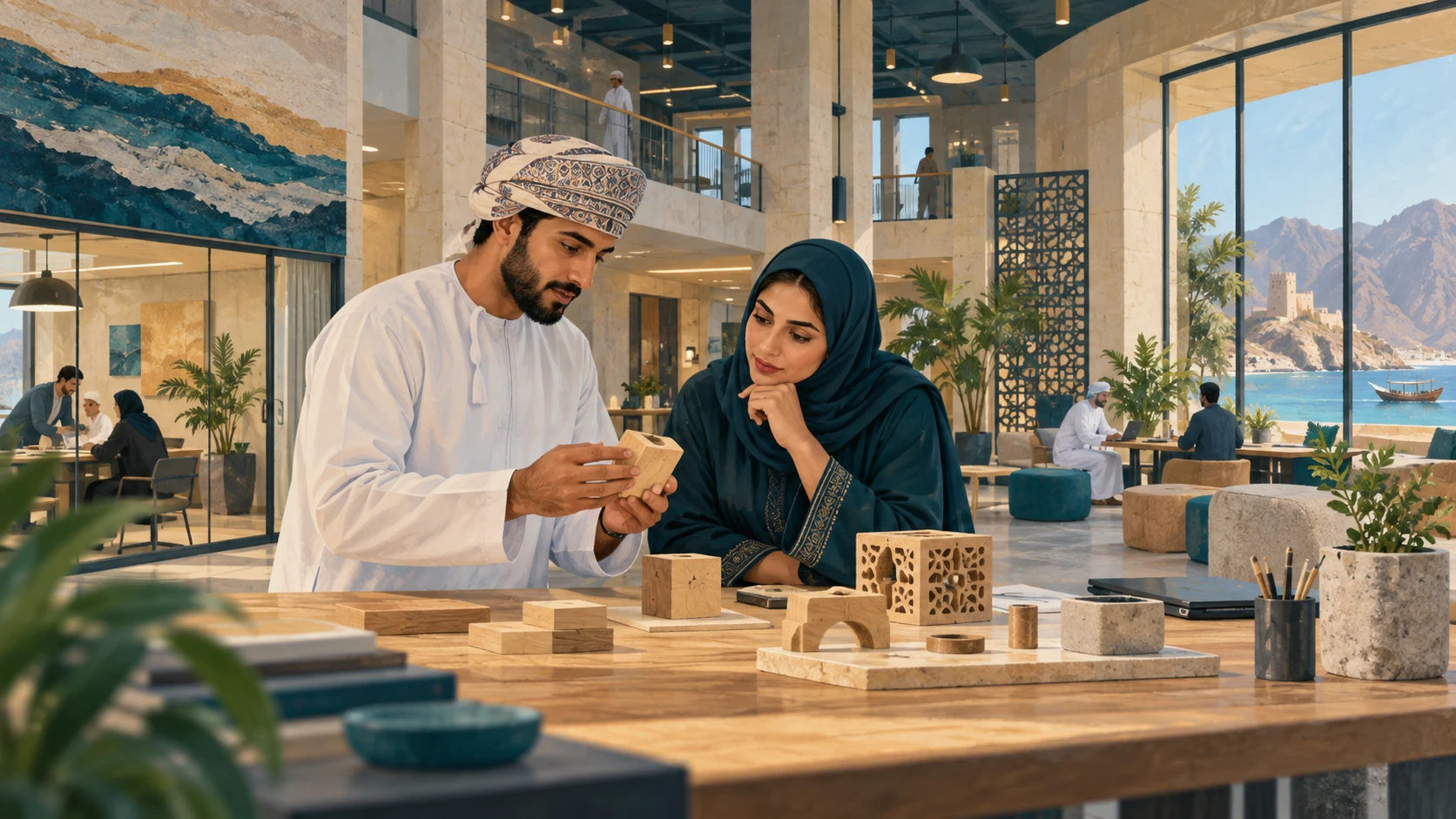
Three groups of small companies
Oman divides small businesses into three official groups. The smallest group is called a micro enterprise. A micro enterprise has between one and ten workers and earns less than 150,000 Omani rials each year.
A small enterprise is larger. It has between eleven and fifty workers and earns between 150,000 and 1,250,000 Omani rials. A medium enterprise employs up to one hundred fifty workers. Micro enterprises form the largest group of registered firms in the country.
Every founder must register the business with the Ministry of Commerce before trading. This official step gives the company a legal identity.
The Entrepreneurship Card
The small business authority issues an official card called the Entrepreneurship Card. This card is known locally as the Riyada card. It gives owners special benefits across government offices and banks.
To get the card, the Omani owner must work full-time on the project. The founder cannot work for another company or keep a regular office job. The owner must register with the state social insurance system.
Government workers can also apply for special leave under an official decision. This rule lets civil servants take time away from government posts to build their own companies. Card holders do not pay certain state fees and receive help with government contracts.
Shared offices and practical advice
New companies need office space that does not cost too much money. State incubator centres rent shared desks and rooms for five Omani rials per square meter. This low cost helps new founders save money during their first years.
To enter an incubator, a founder must prepare a clear business plan and pass an interview. A review team decides if the project has a good chance to succeed. Accepted companies must join classes and work with an experienced guide.
The authority also provides consulting meetings. Experts look at business problems and write reports with helpful advice. These classes teach money management, record keeping, and simple marketing.
Selling to large companies
Small companies need regular buyers to stay open. National planning in Oman requires large energy and industrial firms to buy supplies from local businesses. This policy is called In-Country Value.
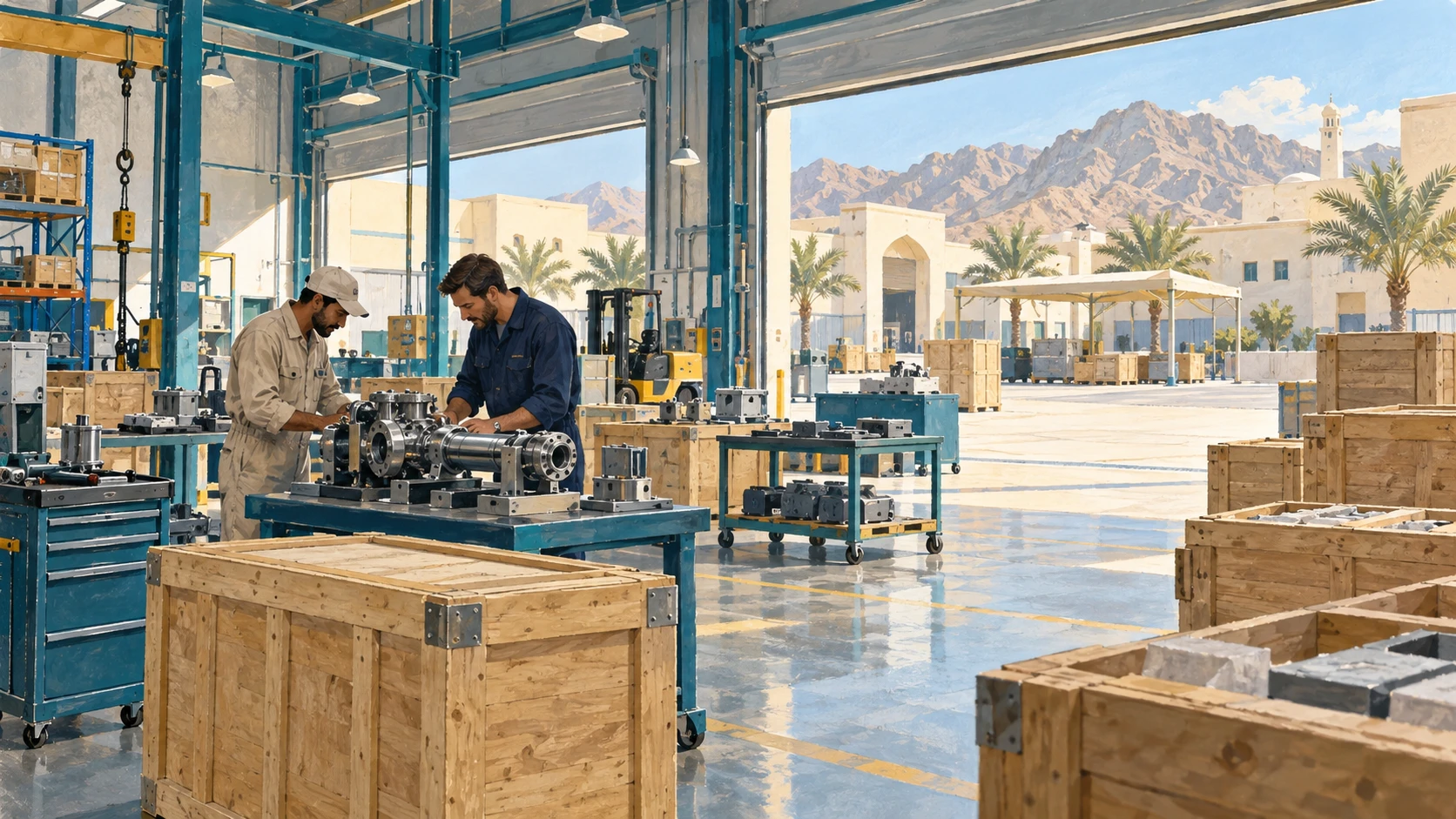
Special digital platforms list tenders reserved only for small firms. These contracts give local workshops steady orders for parts, cleaning, transport, and catering. Working with large buyers helps small teams learn high safety standards.
However, waiting for payments from large buyers can take weeks. Small owners must manage their cash carefully while they wait for invoices to be paid.
Daily work and business risks
Running a small business brings real personal risks. Because owners must dedicate all their time to the company, they do not receive a monthly salary from an outside employer. If sales are slow, income drops quickly.
Companies must also follow national hiring rules. These rules require businesses to hire Omani citizens and meet national wage standards. Meeting every rule requires careful planning and substantial administrative hours for small teams.
Oman has a domestic population of about 5.3 million people. This smaller consumer market means local shops face a limited number of nearby customers. Commercial banks also ask for heavy guarantees before lending money, so many founders use family savings or state loans.
Looking toward future growth
Oman Vision 2040 looks to small businesses to create meaningful jobs for young graduates. New universities finish training thousands of young citizens each year who want to build modern careers. Developing strong small businesses serves as a key engine for transforming the economy.
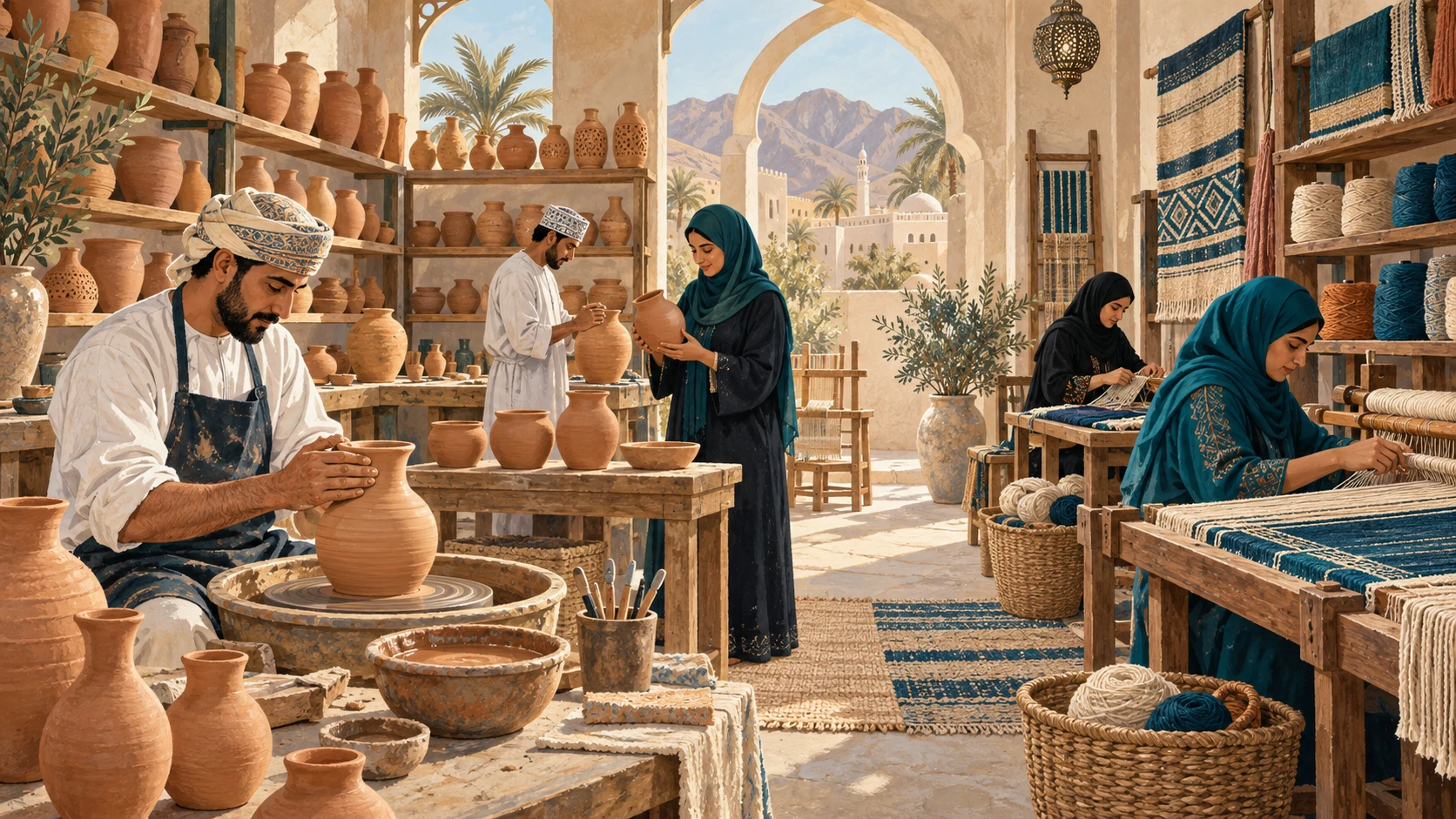
Recent startup programs focus on technology, green energy, modern fishing, and traditional crafts. Artisans in ceramics and textiles are finding new customers in regional markets.
Ports in Sohar, Duqm, and Salalah give small producers fast sea routes to neighboring Gulf countries. In the long term, small companies must build strong private sales instead of relying only on state support.