کلمهها را در گفتار از هم تشخیص بده
بار اول فقط گوش بده و چیزی ننویس. بار دوم پیدا کن که هر کلمه کجا تمام میشود و کلمهٔ بعدی از کجا شروع میشود. برای بررسی، کل عبارت را دوباره بشنو.
درسهای 91 تا 108 از 572 درس
-

Present Continuous: Form and Everyday Use
The present continuous indicates that an event is unfolding, incomplete, or temporary around the present period. It links the moment of speech to an activity that has already started and has not finished. In conversational settings, speakers also use this pattern to announce a confirmed future arrangement that already has a scheduled time or partner.
-

Check English sentences: Eight clear steps
A sound language judgment links grammatical form with communicative purpose. Form describes the structural arrangement, including verb tenses, singular or plural agreements, and fixed preposition attachments. Purpose describes what the writer aims to communicate in a specific social context. A sentence may follow grammatical patterns perfectly yet still convey an unintentional bluntness or ambiguity. Evaluating form and intent together guarantees that your language advice remains both mechanically accurate and socially effective.
-

English writing tips: practical editing routine
Editing means reviewing your own writing systematically to improve clarity, organization, grammar, and accuracy. Rather than trying to fix everything at once, an effective editing routine addresses meaning first, followed by sentence structure, word choice, and mechanics.
-

On Monday or at Monday: Which Preposition Is Right
The preposition on marks a calendar day or date as a surface in time. When you say on Monday, you indicate that an action occurs during that twenty-four-hour period. Adding an s to form on Mondays expresses a repeated habit or recurring appointment. In contrast, the preposition at pinpoints an exact moment on the clock or introduces a specific gathering. It never connects directly to a weekday name by itself.
-

Loose or lose: Four simple checks
Loose functions as an adjective that indicates something is unbound, not firmly attached, or not fitting tightly. A loose cable or a loose coat shows this condition. Lose operates as a verb meaning to misplace an object, suffer defeat in a competition, or become separated from a possession.
-

Pretentious meaning: How to use it
Pretentious describes a person, tone, environment, or creative work that attempts to appear more cultured, intelligent, or significant than it really is. The speaker uses the word critically to point out that the display lacks real substance.
-
اشتراک
7 روز دسترسی رایگان به همهٔ درسها
- 572 درس با دیکته و آزمون شنیداری
- سه لهجه: بریتانیایی، آمریکایی و استرالیایی
- درسهای تازه هر روز و ذخیرهٔ پیشرفت
کارت بانکی لازم نیست. اگر خواستی ادامه بدهی، پس از دورهٔ رایگان از ماهانه $7.50.
شروع دورهٔ رایگان -

Past Simple Verbs: Choose the Right Form
The past simple expresses actions, states, or events that started and finished at a definite time in the past. Regular verbs mark this past meaning by adding -ed or -d to their base form. Irregular verbs mark the past through historical vowel changes, consonant shifts, or unchanged forms rather than adding -ed.
-

English Class Activities: Plan Effective Speaking Tasks
A structured classroom activity is a purposeful communication task with an explicit language aim, defined partner roles, and a measurable outcome. Unlike unstructured conversation, an activity requires learners to exchange missing facts or solve a specific problem using targeted vocabulary and sentence patterns.
-

Hear vs Listen: Making the Right Choice
Hear indicates the physical ability to receive sound, notice an acoustic event, or receive news about a topic. It does not require conscious effort. Listen describes an active process where someone deliberately focuses on words, sounds, or instructions to understand their meaning.
-

English writing practice: four steps for clarity
Writing practice means drafting a short message for a clear communication goal. Revision means reading that draft again as the recipient would, adjusting words and order so the intended action is clear.
-
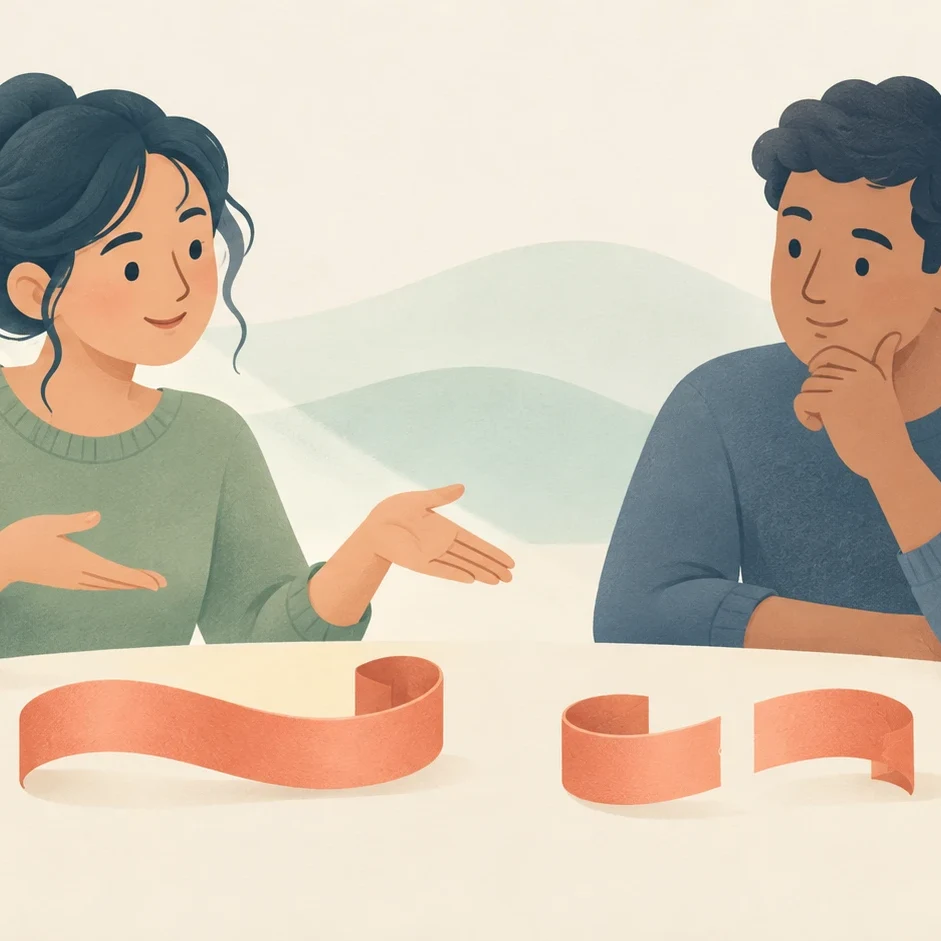
However or how ever: quick spelling guide
As a conjunctive adverb, however signals contrast and means despite that or on the other hand. When paired with an adjective or adverb, however means no matter how and indicates that a condition does not prevent a result. In contrast, the two-word phrase how ever splits into an interrogative adverb asking about method and an intensifier expressing surprise.
-

Exclamations with What and Such: Clear Rules and Examples
Speakers use what and such to highlight a notable quality or situation. Instead of asking a question, these structures emphasize your personal reaction, like surprise, pleasure, or frustration. What directly introduces the noun phrase, while such typically modifies an adjective and noun together inside a statement.
-

Correlative conjunctions: rules and examples
A correlative conjunction consists of two linked words that show how two thoughts connect. Both...and combines two things together. Either...or offers a choice between two options. Neither...nor rejects two alternatives at once. Whether...or investigates two possible conditions or outcomes.
-

Attitude Adverbs: A Practical Guide
Attitude adverbs, frequently categorized as sentence adverbs, modify a whole clause rather than a single verb, adjective, or manner of action. When you use words such as fortunately, surprisingly, or honestly, you provide an interpretive lens for the statement that follows. The listener learns your stance toward the situation before evaluating the factual details.
-

Unless vs until: choose time or condition
Until marks the limit of an ongoing state or action. It answers how long something continues before a change happens. Unless introduces an exception or a required condition. It means except if, showing that a stated outcome will occur unless this specific event intervenes.
-

cognitive meaning: mental processes explained
Cognitive means related to the mental processes of perception, memory, judgment, and reasoning, in contrast with physical actions or purely emotional reactions.
-

Insidious meaning: slow hidden damage
Insidious describes something harmful that develops in a subtle, gradual, or concealed way. Because the early stages appear minor or invisible, people often fail to respond until substantial damage has occurred.
-

Job interview English: Clear answers and pauses
An interview is a professional conversation to decide whether your skills fit a job. Clear communication does not require continuous speaking without breaks. Interviewers expect natural pauses while you organize thoughts. A strong answer gives the direct fact first, adds one relevant example from your work or volunteer experience, and stops when the point is made. If you make a small language slip, you can quickly correct the word and keep going.
هنوز دورهٔ آزمایشی را شروع نمیکنی؟ هر روز یک درس رایگان بگیر
تا ۷ روز، هر روز یک دیکتهٔ کوتاه در ایمیلت دریافت کن. هر جا هستی تمرین کن؛ نیازی به حساب نداری.
عبارت یا موقعیت مورد نیازت را پیدا نکردی؟
درخواست درس با اشتراک در دسترس است.
دیدن اشتراکها