
بشنو هر کلمه از کجا شروع میشه
بار اول فقط گوش میدی و چیزی نمینویسی. بار دوم دقت میکنی که هر کلمه کجا تموم میشه و کلمهٔ بعدی از کجا شروع میشه. بعد کل عبارت رو دوباره گوش میدی تا مطمئن بشی.
درسهای 73 تا 90 از 871 درس
-
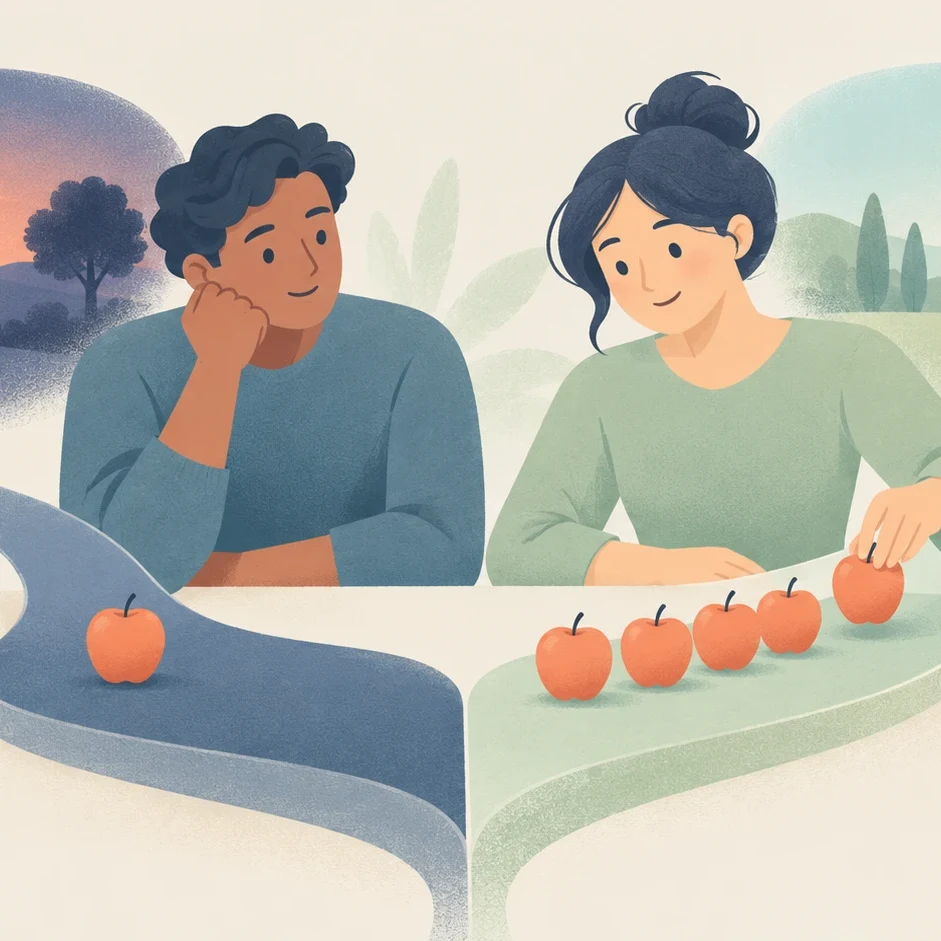
Didn't or don't: choose past or present
Don't is the contracted form of do not, used for present facts and routines with subjects such as I, you, we, and they. Didn't is the contracted form of did not, used for past actions across all subjects. The negative helping verb carries the time signal for the sentence. Because the helper shows the tense, the following verb remains in its plain dictionary shape.
-

Among or amongst: which word fits?
Both prepositions show that someone or something is included in, surrounded by, or part of a group of three or more people or things. Neither word changes the underlying facts of the sentence.
-

i.e. vs e.g.: Difference and Examples
The abbreviation i.e. stands for that is or in other words. It restates or clarifies the exact idea just mentioned. The abbreviation e.g. stands for for example. It introduces one or more samples without naming every item in the category. Neither abbreviation means and so on.
-

Reflexive pronouns: choose the right form
A reflexive pronoun shows that the person performing the action is also the person receiving the action. In other sentences, a reflexive pronoun follows a noun or pronoun to add emphasis, showing that the person acted without help.
-

Shall or will: choose the right word
Will expresses certainty, intention, or a decision made while speaking. It works naturally with all subjects in modern English. Shall asks for someone else's opinion or preference when you propose an action. In questions, shall I means do you want me to do this, while shall we means would you like us to do this together.
-
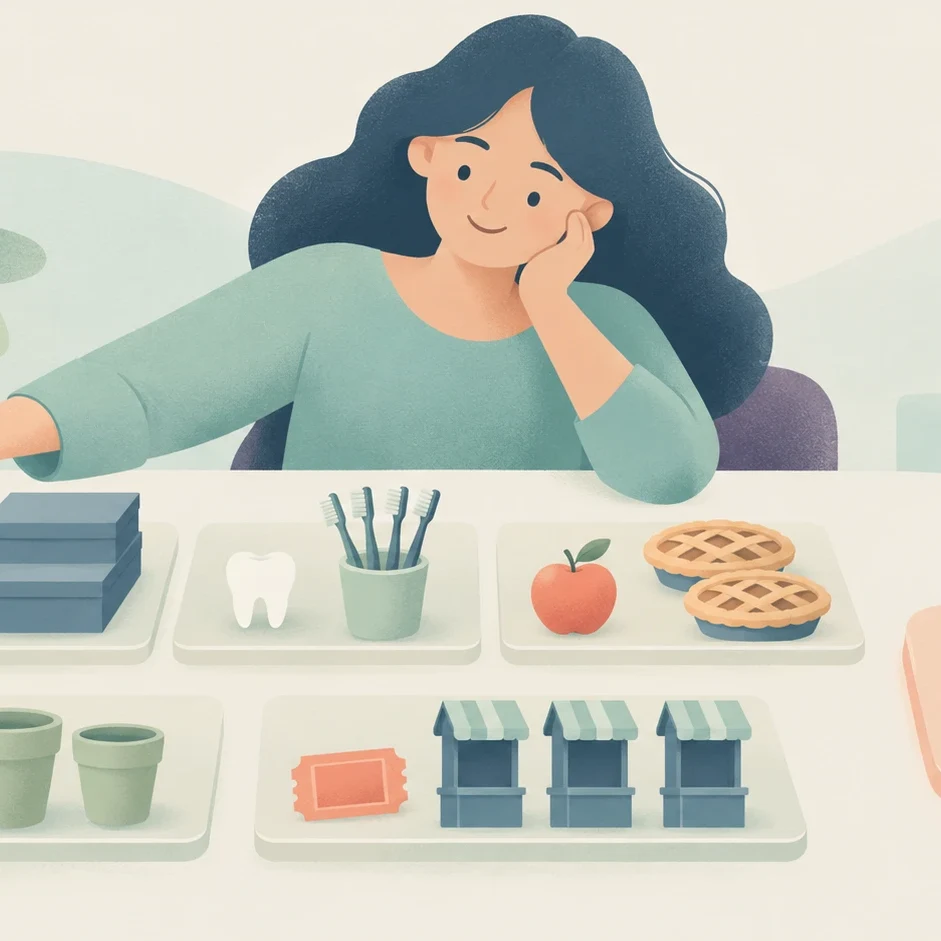
Nouns as adjectives: choose singular or plural
In English, a noun placed directly before another noun describes what kind of thing it is. In the phrase bus station, station is the place, and bus explains what kind of station it is. The first word gives extra information without needing a longer prepositional phrase like station for buses.
-
اشتراک
7 روز دسترسی رایگان به همهٔ درسها
- 871 درس با دیکته و آزمون شنیداری
- سه لهجه: بریتانیایی، آمریکایی و استرالیایی
- ذخیرهٔ پیشرفت تمرینها
کارت بانکی لازم نیست. اگه بعد از دورهٔ رایگان خواستی ادامه بدی، اشتراکها از ماهانه $7.50 شروع میشن.
شروع دورهٔ رایگان -

Keep your eyes peeled: meaning and everyday use
Keep your eyes peeled is an informal idiom that means watching with steady attention. It does not describe physical peeling. Instead, it creates an image of wide, open eyes ready to spot something important. You use it when you expect a target to appear, especially when finding that target requires active visual effort.
-

Whose or who's: choose the right word
Whose is a possessive word that identifies which person owns or is connected to something. Who's is a contraction representing either who is or who has. The apostrophe in who's marks the omitted letters from the auxiliary verbs is or has, rather than indicating ownership.
-

Pathetic meaning: pity and harsh criticism
In older usage and formal writing, pathetic describes suffering or sadness that invites sympathy. In modern daily conversation, people often use pathetic to criticize an effort, excuse, or result as very poor or inadequate. Both meanings express emotion, but one shows compassion while the other shows irritation.
-

Subordinate clauses: clear rules and examples
A subordinate clause, also known as a dependent clause, adds necessary context to an independent main clause. Subordinate clauses can explain reasons with words like because, indicate time relationships with words like when, before, or while, set conditions with if or unless, introduce surprising contrasts with although, describe nouns with relative pronouns like who or which, or complete mental actions with content words like that and whether.
-
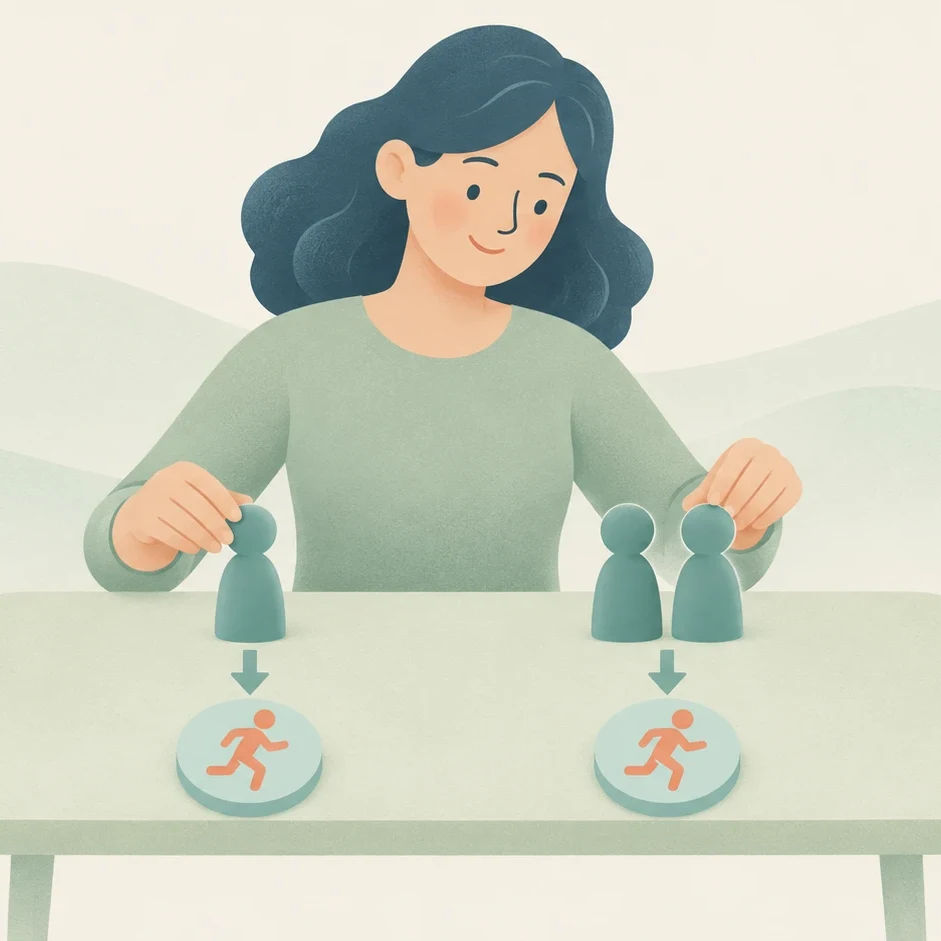
Do or does: questions and negatives guide
In the present simple tense, do and does act as helper words for questions and negatives with ordinary main verbs. They do not add extra meaning; instead, they signal the question or negative structure and show the subject group.
-

Pensive meaning: quiet serious thought
Pensive describes someone who is thinking quietly and seriously, often about significant choices, changes, or memories.
-
Common abbreviations: practical everyday usage
An abbreviation is a shortened representation of a word or phrase used to save space in writing and time in communication. While some abbreviations represent single words, others represent multiword expressions. Recognizing the letters alone does not indicate how to speak the form or what action the message requires.
-

A or an before an acronym: Spoken sound rules
An abbreviation represents a longer phrase or title. Some forms, called initialisms, are pronounced letter by letter, while others, called acronyms, are pronounced as ordinary words. In both cases, the indefinite article reflects the very first sound spoken in the phrase.
-

Nostalgic meaning: Talk about the past
Feeling warm affection and gentle longing for past experiences, people, or places, often with awareness that those times are gone.
-

Swan song: Describing a final project
The phrase describes a memorable final contribution made before a person steps down, changes careers, or finishes a defining period of work. Although song suggests music, speakers use the term for books, speeches, community projects, and research papers.
-

Him or His: Choose the Right Word
Him is the object pronoun for a male person. English uses it when an action affects that person directly or when the person follows a preposition. His is the possessive form. It shows that an object, schedule, relationship, or responsibility connects to that person.
-

Words Ending in Holic: Meanings and Respectful Use
The ending -holic forms an informal noun describing an individual who exhibits a powerful interest, persistent habit, or compulsion. While it often emphasizes enjoyment in casual settings, it can also highlight an inability to moderate behavior.
هنوز دورهٔ آزمایشی رو شروع نمیکنی؟ هر روز یه درس رایگان بگیر
تا ۷ روز، هر روز یک دیکتهٔ کوتاه در ایمیلت دریافت کن. هر جا هستی تمرین کن؛ نیازی به حساب نداری.
عبارت یا موقعیتی که میخواستی رو پیدا نکردی؟
با اشتراک میتونی درس درخواست کنی.
دیدن اشتراکها