日常英语听力
从短录音开始,再试稍长一些的表达。第一遍听懂情境,第二遍再听清具体的词。
显示第271–288节,共409节课
-
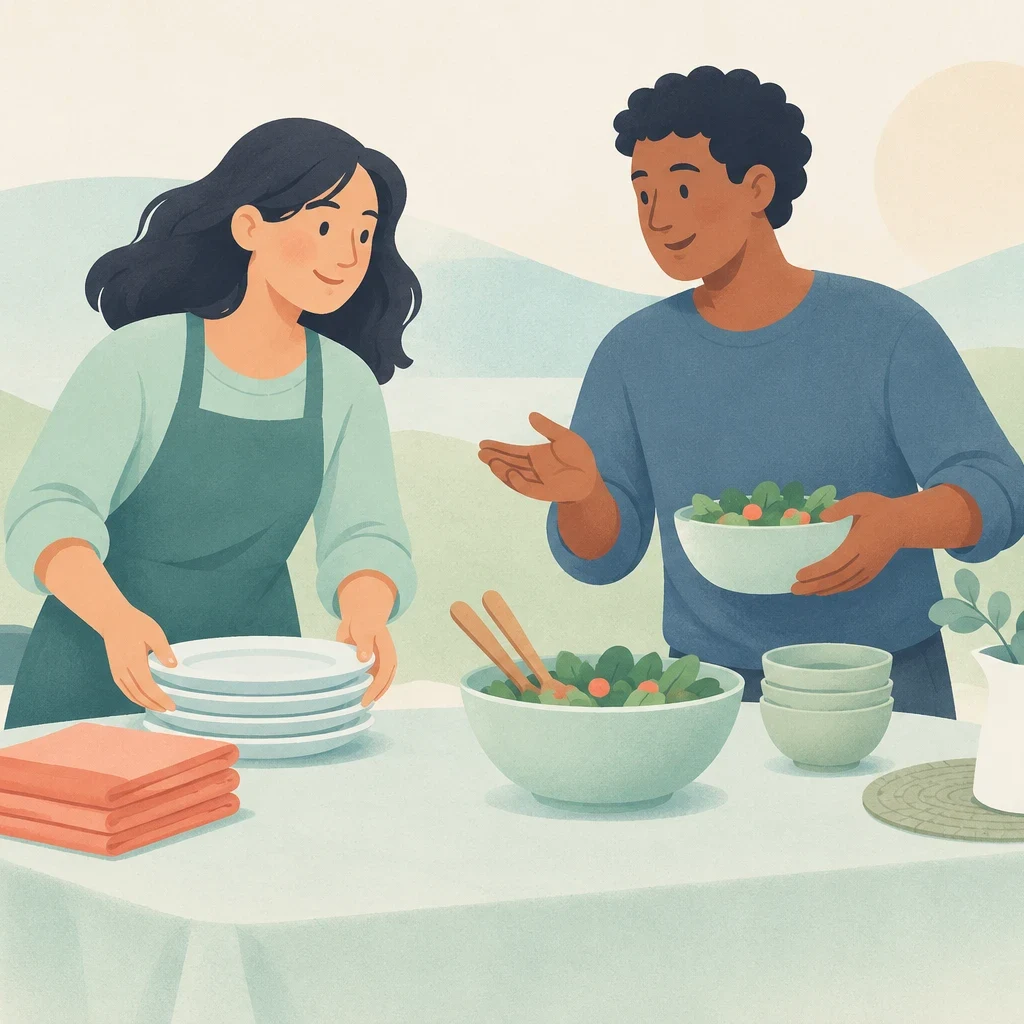
He and I, Him and Me: Planning a Community Lunch
He and I are subject forms: He and I carried the chairs. Him and me are object forms: The organiser thanked him and me. Both pronouns must fit their job in the sentence.
-

Nowadays: Talk About Life That Has Changed
Nowadays means these days or during the present period. It often suggests that something was different before, even when the speaker does not describe the past.
-
Listen, then check: capital letters in everyday messages
Capital letters mark sentence beginnings and help identify names. Compare a centre with Oak Street Centre: one describes a kind of place, while the other gives its name.
-
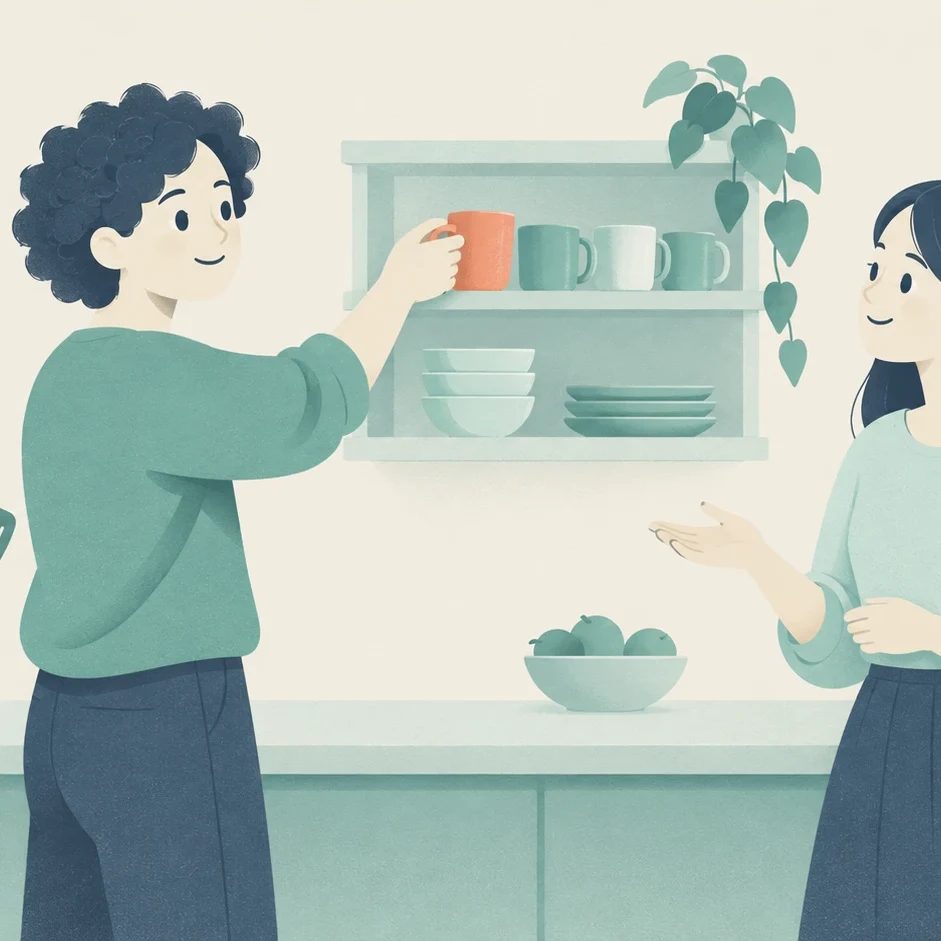
For example: planning a shared kitchen
A general suggestion names a goal or an area to improve, while an example shows one specific action that fits that goal. If someone says, 'We should keep food fresh,' that is a broad aim. Saying, 'For example, we can wrap open cheese in paper,' shows one practical way to achieve it. This phrase answers the question, 'What is one possible case?' In contrast, 'because' explains the reason and answers 'Why?' If you say, 'We wrap cheese because air dries it out,' you give a cause, not a sample action.
-
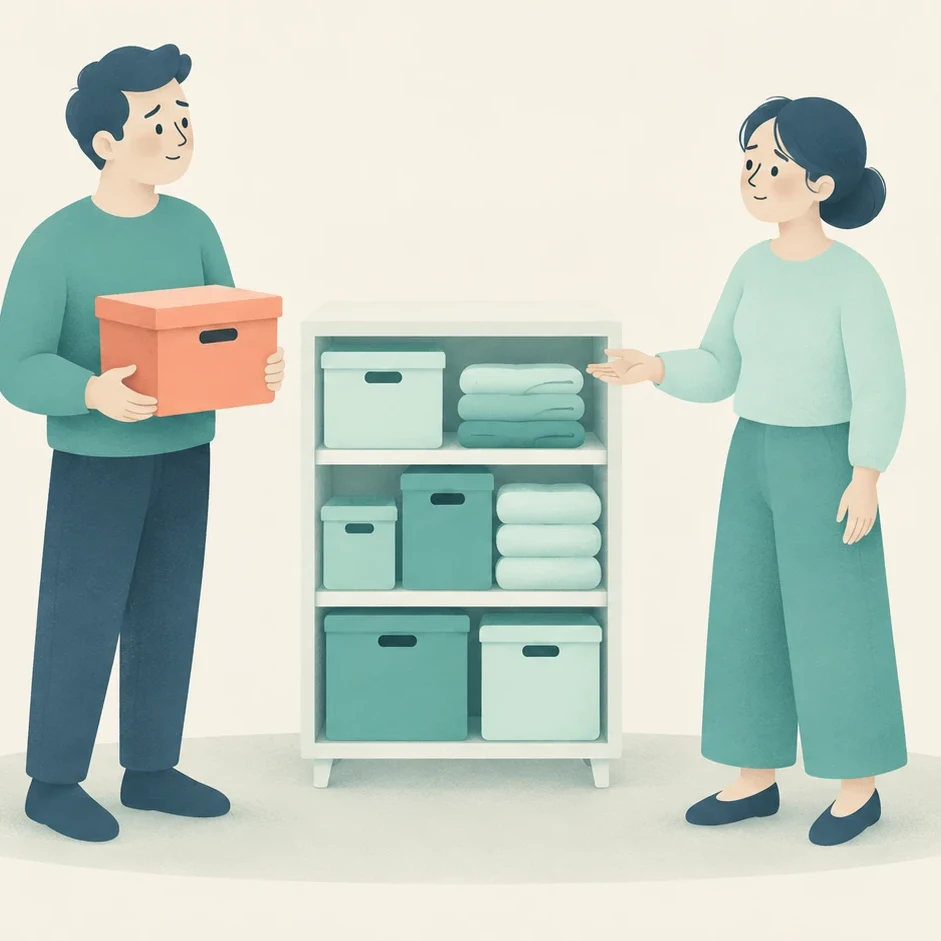
Nowhere to Put It: Explain a Space Problem
Nowhere means no place, in no place or to no place. In everyday conversation, it often means there is no suitable place for a particular action.
-
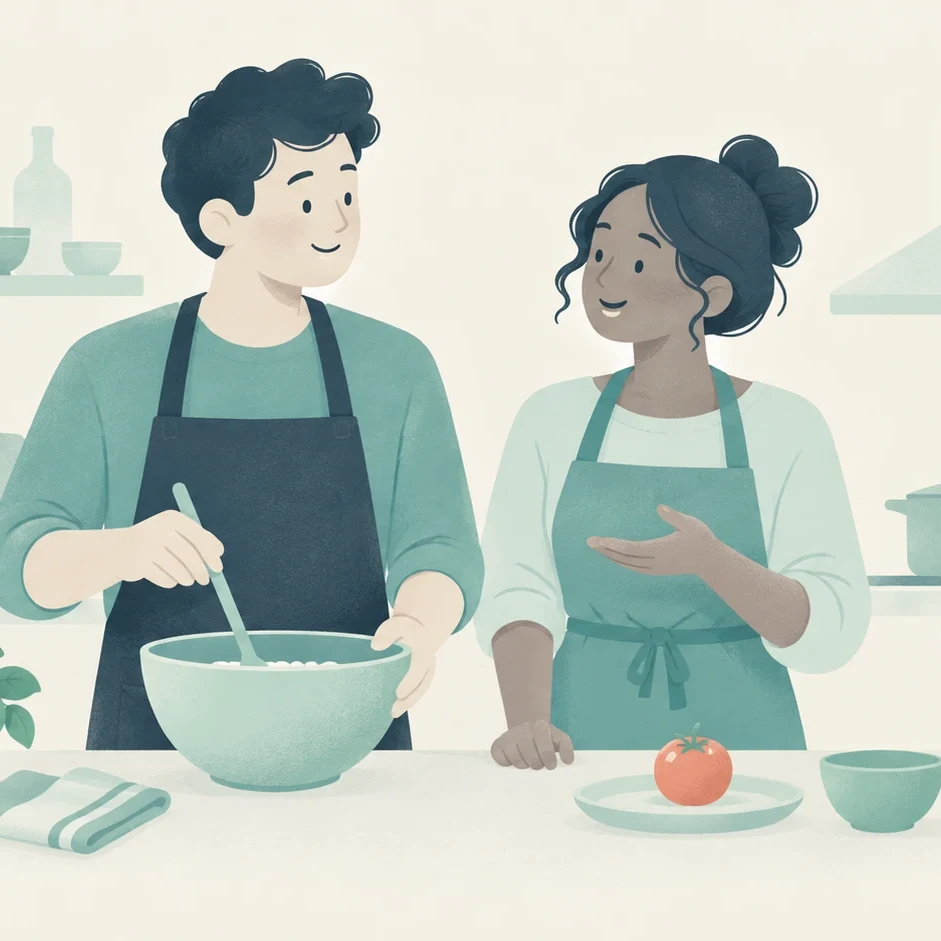
He and I at the Cooking Class
He and I names the pair as the subject: the people the sentence says do, need, or are something. Him and me names the pair as an object, as in someone helping the pair. Test the whole pair with we or us.
-
会员
全部课程免费学7天
- 593节课程,包含听写和听力测试
- 三种口音:英式、美式和澳式
- 每天有新课,并保存学习进度
无需绑卡。之后如想继续使用,每月$7.50起。
开始免费试用 -
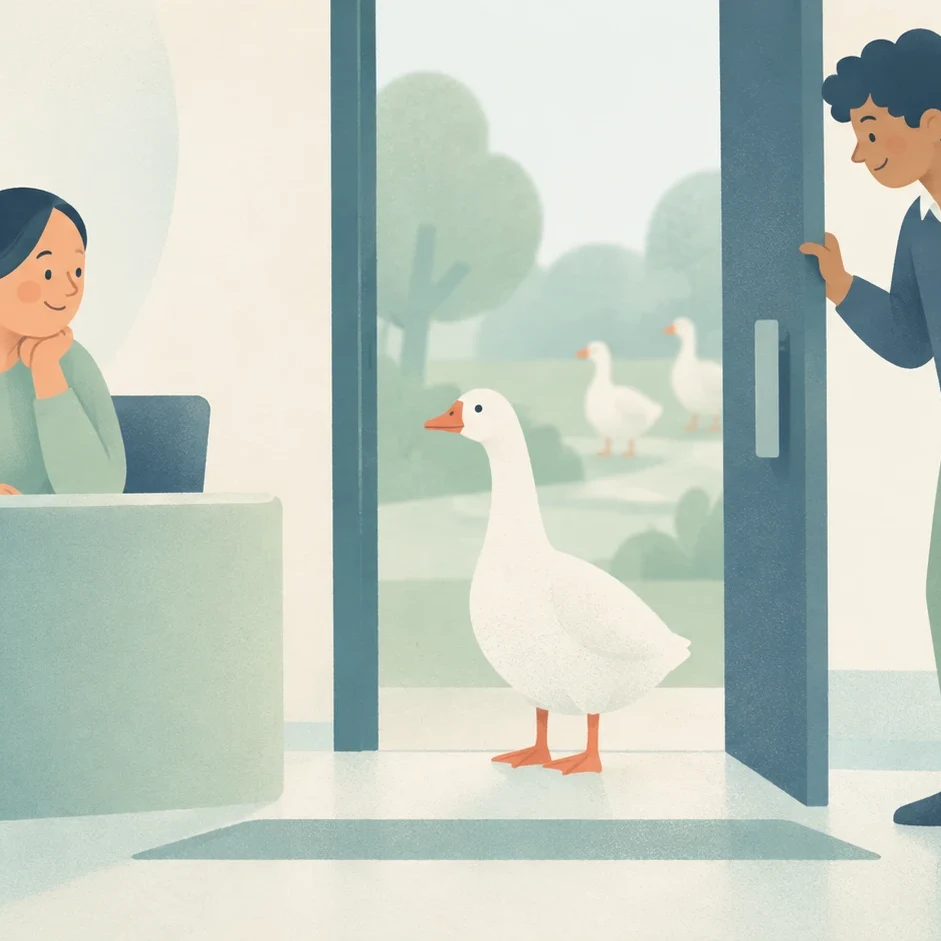
A Goose at the Office Door
Goose refers to a single bird. Geese refers to two or more of those birds. The standard plural form is geese. The form gooses is incorrect for the plural of the bird.
-
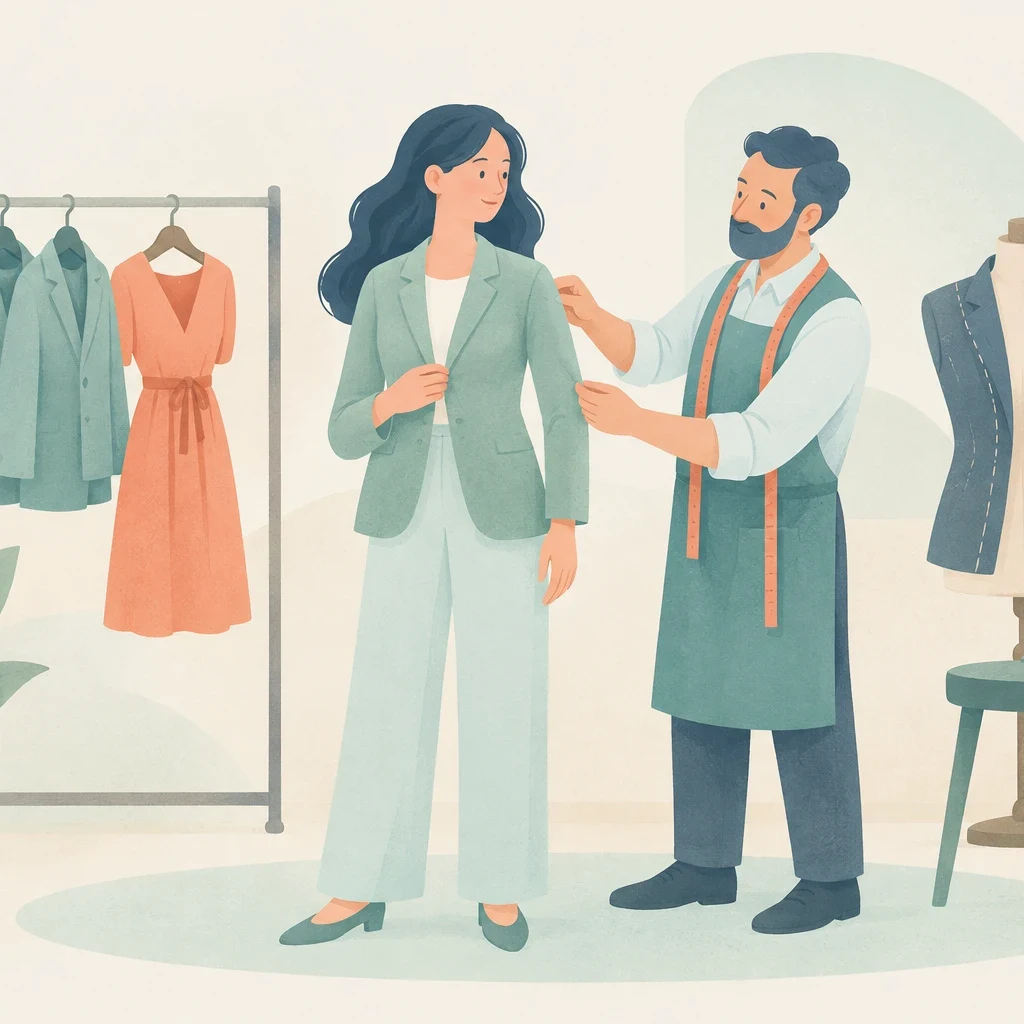
Other than or then? A visit to the tailor
Other than functions as a prepositional phrase meaning except or apart from, indicating an exception or an alternative. Then functions as an adverb meaning after that, at that time, or in that case, indicating chronological order, a specific moment, or a logical consequence.
-
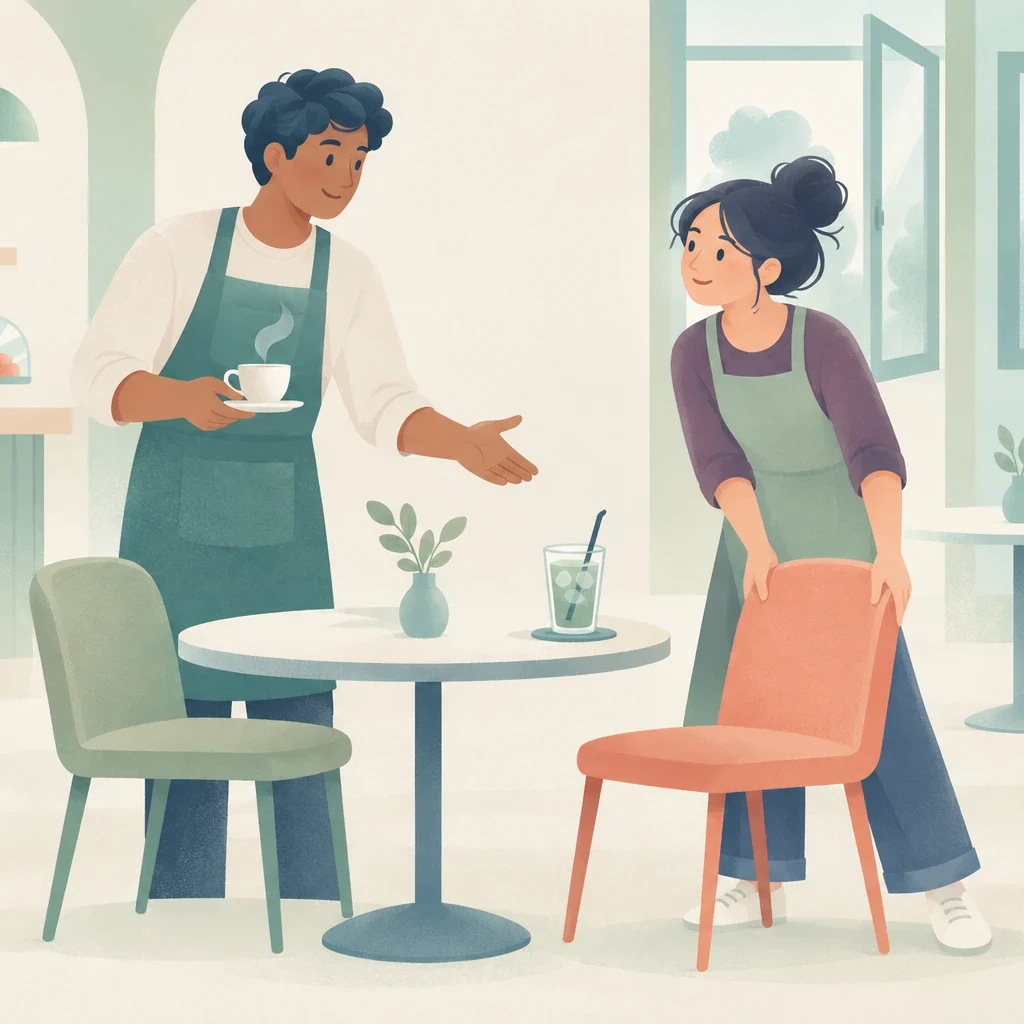
Setting Up a Café: Which Opposite Fits?
An opposite reverses a specific quality along the same scale. The adjective light contrasts with heavy when the topic is weight, but it contrasts with dark when the topic is brightness. Words describing physical position, like open and closed, operate independently from words describing security, like locked and unlocked. Changing the wrong quality confuses the instruction.
-
-
Bother
Bother functions across two main grammatical patterns. As a transitive verb followed by a person object, it describes causing irritation, worry, or a courteous interruption. When paired with an infinitive or an -ing verb, it conveys the exertion of physical or mental energy to perform an act. In noun form, it represents inconvenience or troublesome effort.
-

Improve Your English Listening Skills
Effective listening practice means training your ear to process meaning, speech connections, and key facts progressively instead of expecting complete word-by-word accuracy on your first attempt.
-
-
-
Turn out
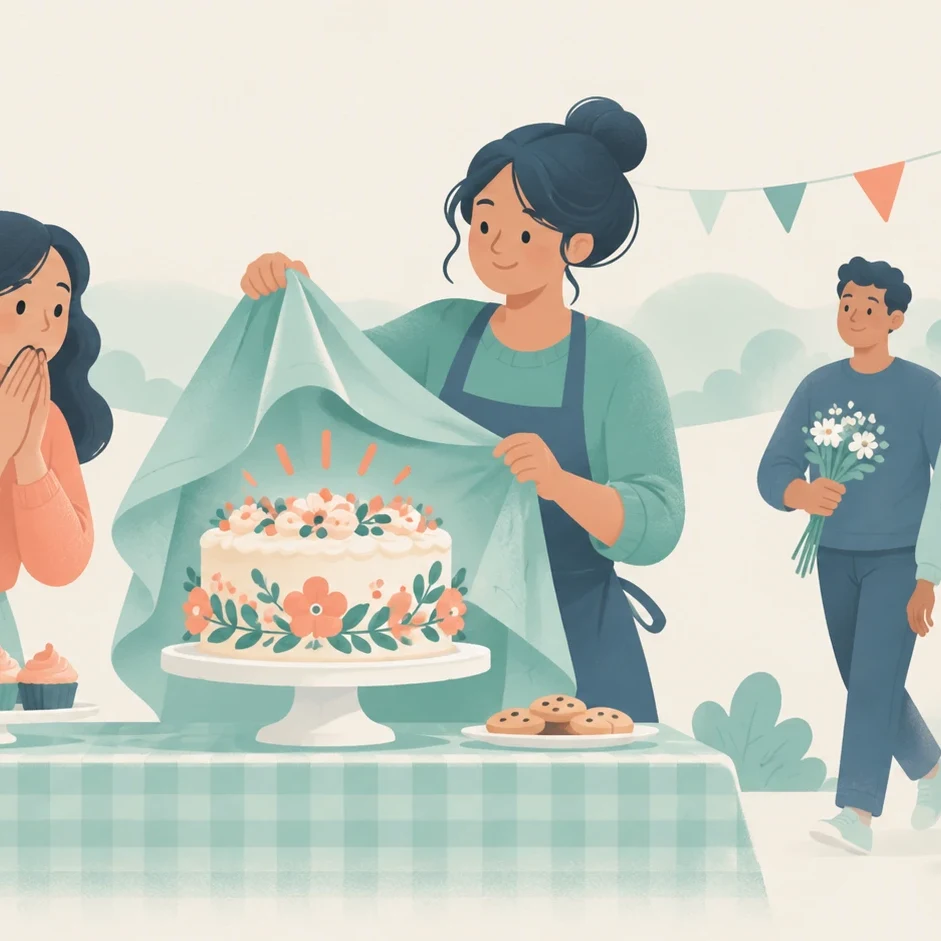
'Turn out' functions as a phrasal verb with three primary everyday uses. First, it describes how an activity, project, or event finally ends, typically paired with adverbs like 'well', 'badly', or 'fine'. Second, it reveals a newly discovered identity or truth, using 'turn out to be' or 'it turns out that'. Third, it describes attendance, showing that people gathered to participate in an organized public activity or community event.
-
-
-
Take part in
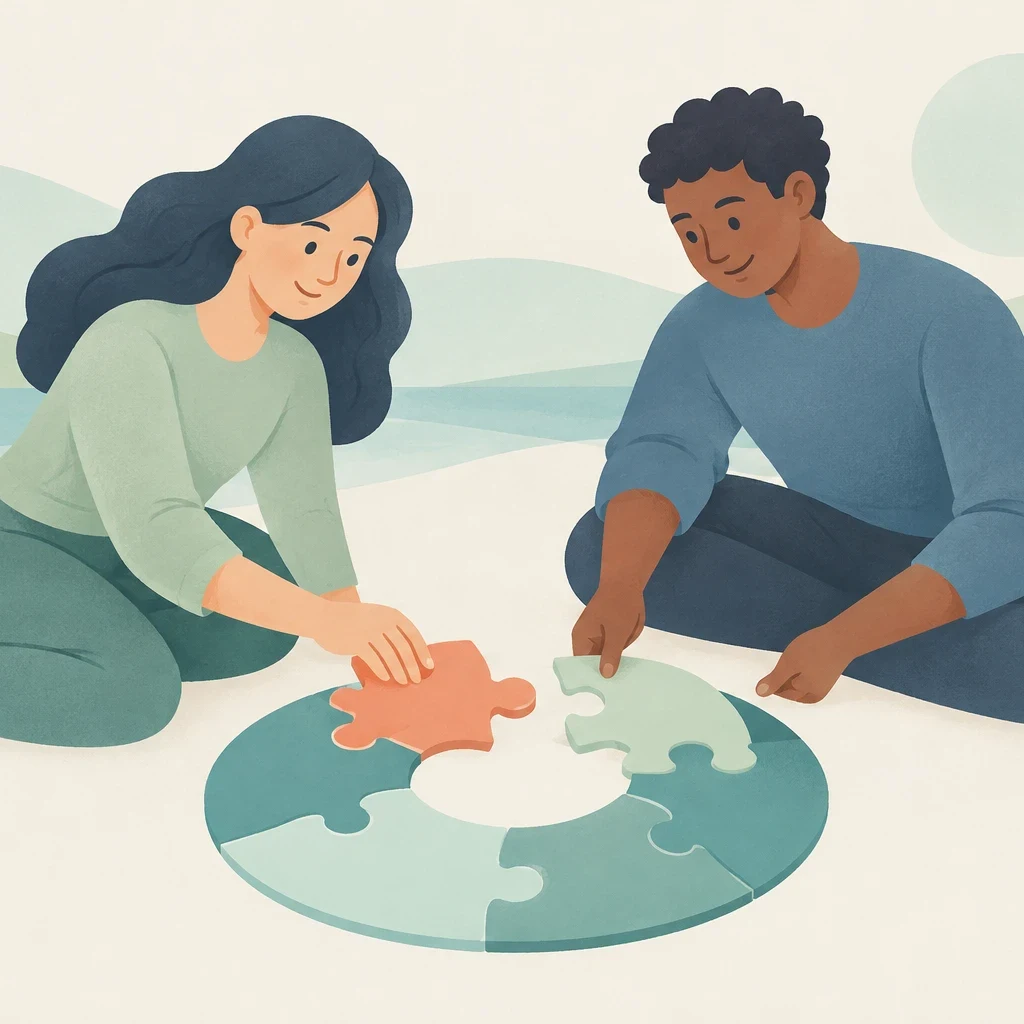
Take part in means to join an activity and do something in it, usually alongside other people. Taking part focuses on participation rather than watching from the side. It does not require you to lead, organize, or win the activity; simply contributing your effort counts as taking part.
还没想好是否试用?每天收一节免费课
连续7天,每天发一段短听写到邮箱。在哪里都能练,不用注册账户。
找不到想学的表达或场景?
定制课程是会员功能。
查看会员方案