Distingue dónde empieza y termina cada palabra
Escucha una vez sin escribir. Vuelve a escuchar y distingue dónde termina una palabra y empieza la siguiente. Reproduce la frase completa para comprobarlo.
Mostrando del 145 al 162 de 639 lecciones
-

Simple past tense: talk about finished events
The simple past tense places an action, event, or condition completely in past time. The event started and ended before the present moment. It can describe a single completed event, a series of sequential actions, a temporary state, or an earlier habit that has ended.
-

Ominous meaning: Recognizing warning signs
Ominous means suggesting that something unpleasant, harmful, or threatening is likely to happen soon. The word describes the warning sign itself, rather than the bad event after it occurs.
-

Allusion or Illusion: How to Choose
An allusion is an indirect mention of another person, book, historical moment, or cultural idea. The speaker expects the listener to recognize the connection without a full explanation. In contrast, an illusion is something that seems real or true but is not. An illusion can deceive your eyes, as with stage magic and lighting, or deceive your mind, as with an unfounded belief.
-

telling the time: past, to, and digital
A time expression points to a specific minute in the day. The word past indicates time elapsed after a stated hour, while to shows the number of minutes remaining before the next hour arrives. Digital time states the hour number first, followed immediately by the minute number.
-

Everyday English grammar: build clear sentences
Grammar functions as a shared road map between speakers and listeners. When you add an -s to a verb, your listener instantly knows that one person or thing is acting. When you add a determiner like 'a' or 'the', you signal whether an item is new or already familiar. These structural markers prevent misunderstandings and help your conversation flow without hesitation.
-

Aesthetic or Ascetic: Style or Strict Discipline
Aesthetic refers to the appreciation of beauty, art, and visual balance. As an adjective, it describes things related to appearance or artistic style, such as an aesthetic judgment or aesthetic appeal. As a noun, an aesthetic is a specific set of design ideas or an artistic movement. Ascetic refers to rigorous self-discipline and the intentional avoidance of physical pleasure, comforts, or luxury, often for spiritual, philosophical, or athletic reasons. As an adjective, it describes severe routines or lifestyles. As a noun, an ascetic is someone who practices this deliberate self-denial.
-
Membresía
Accede a todas las lecciones gratis durante 7 días
- 639 lecciones con dictado y pruebas de comprensión auditiva
- Tres acentos: británico, estadounidense y australiano
- Tu progreso se guarda
No necesitas tarjeta. Después, desde $7.50 al mes si decides continuar.
Iniciar prueba gratis -

Born or Borne: Choosing the Right Form
Use born in be born when you describe someone coming into life. Use borne for the act of giving birth when bear has an object, as well as for carrying, supporting, enduring, or producing. Born also has figurative uses for things that begin or arise. Meaning and sentence structure together determine the spelling.
-
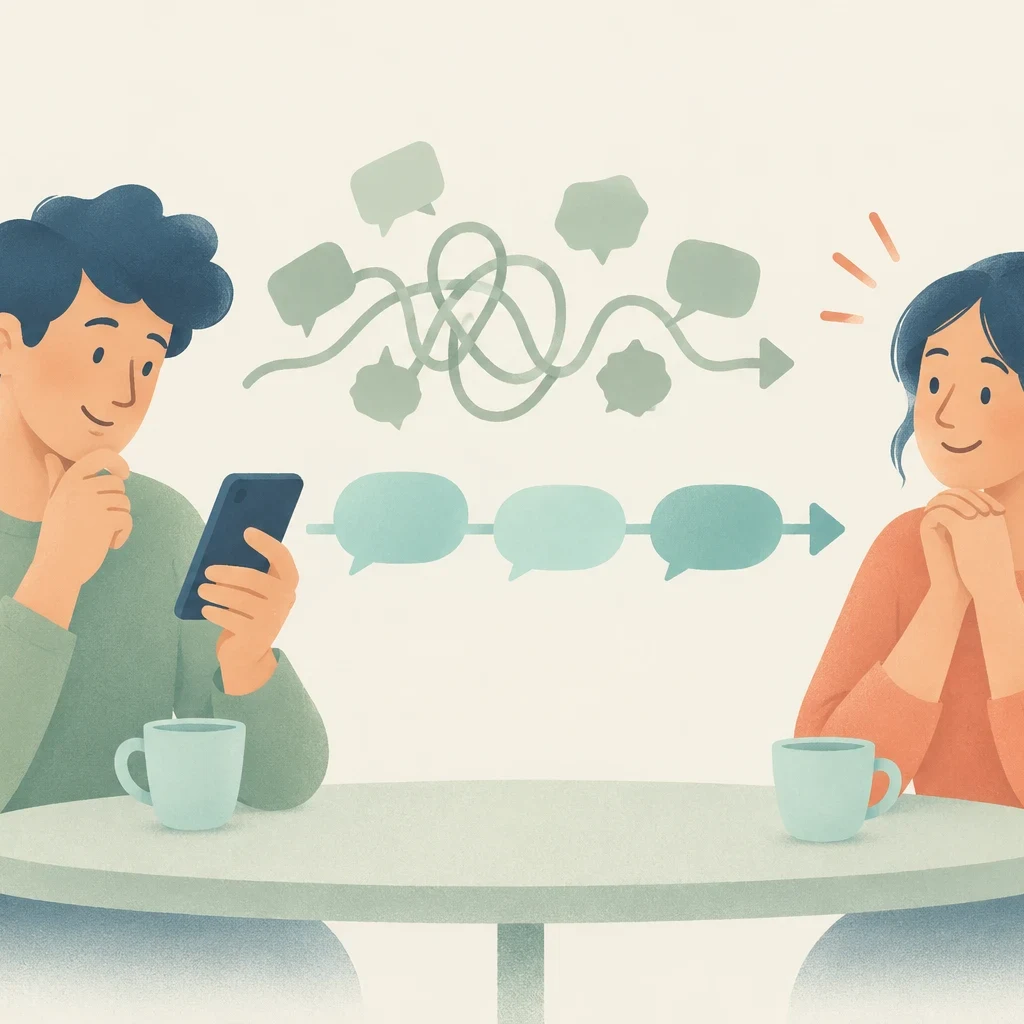
SMS English: Write Clear Short Texts
SMS English refers to the abbreviations, shortened words, and condensed phrases commonly used in digital messaging. Common examples include mins for minutes, msg for message, and BTW for by the way. These informal shortcuts are practical conversational tools rather than a separate grammar system, and their appropriateness depends on your relationship with the reader.
-

Brake or break: Choose the Right Spelling
Brake operates as a verb meaning to decelerate or halt a vehicle, and as a noun for the mechanical mechanism that accomplishes this task. Break functions as a verb meaning to damage, fracture, or interrupt something, and as a noun designating a pause from activity or a gap in continuity.
-

You're Welcome vs Your Welcome: Quick Spelling Guide
You're represents the two words you are joined into a single word. The apostrophe replaces the missing letter a. In the reply you're welcome, you state that the listener is welcome to your help. In contrast, your shows possession or connection. It never contains an apostrophe and never means you are.
-

Adjective clauses: identify the noun
An adjective clause is a group of words containing a subject and a verb that functions like a descriptive adjective. It attaches to a noun to clarify which person or item you mean, or to add descriptive detail about a noun that is already specific. Who refers to people, which refers to things, that refers to things or people in defining contexts, whose indicates possession, and where or when connect physical locations or points in time.
-

Poke meaning: quick touch and push
To poke means to make quick, targeted contact against an object or person using a finger, tool, or pointed edge. As a noun, a poke refers to a single brief push or touch. The word emphasizes narrow contact rather than sustained heavy force.
-

Everyday Idioms in Context: Clues from the Situation
An idiom is a fixed phrase whose overall meaning differs from the literal definition of each separate word. In natural speech, context clues such as the speaker's tone, the problem being solved, and the surrounding events reveal the intended meaning.
-

Present Continuous: Form and Everyday Use
The present continuous indicates that an event is unfolding, incomplete, or temporary around the present period. It links the moment of speech to an activity that has already started and has not finished. In conversational settings, speakers also use this pattern to announce a confirmed future arrangement that already has a scheduled time or partner.
-

Check English sentences: Eight clear steps
Check both the sentence structure and what the writer wants to say. Structure includes verb tenses, singular and plural forms, and preposition patterns. A grammatically correct sentence can still sound too direct or leave its meaning unclear. Consider the audience and situation when suggesting a change.
-

English writing tips: practical editing routine
Editing means reviewing your own writing systematically to improve clarity, organization, grammar, and accuracy. Rather than trying to fix everything at once, an effective editing routine addresses meaning first, followed by sentence structure, word choice, and mechanics.
-

On Monday or at Monday: Which Preposition Is Right
The preposition on marks a calendar day or date as a surface in time. When you say on Monday, you indicate that an action occurs during that twenty-four-hour period. Adding an s to form on Mondays expresses a repeated habit or recurring appointment. In contrast, the preposition at pinpoints an exact moment on the clock or introduces a specific gathering. It never connects directly to a weekday name by itself.
-
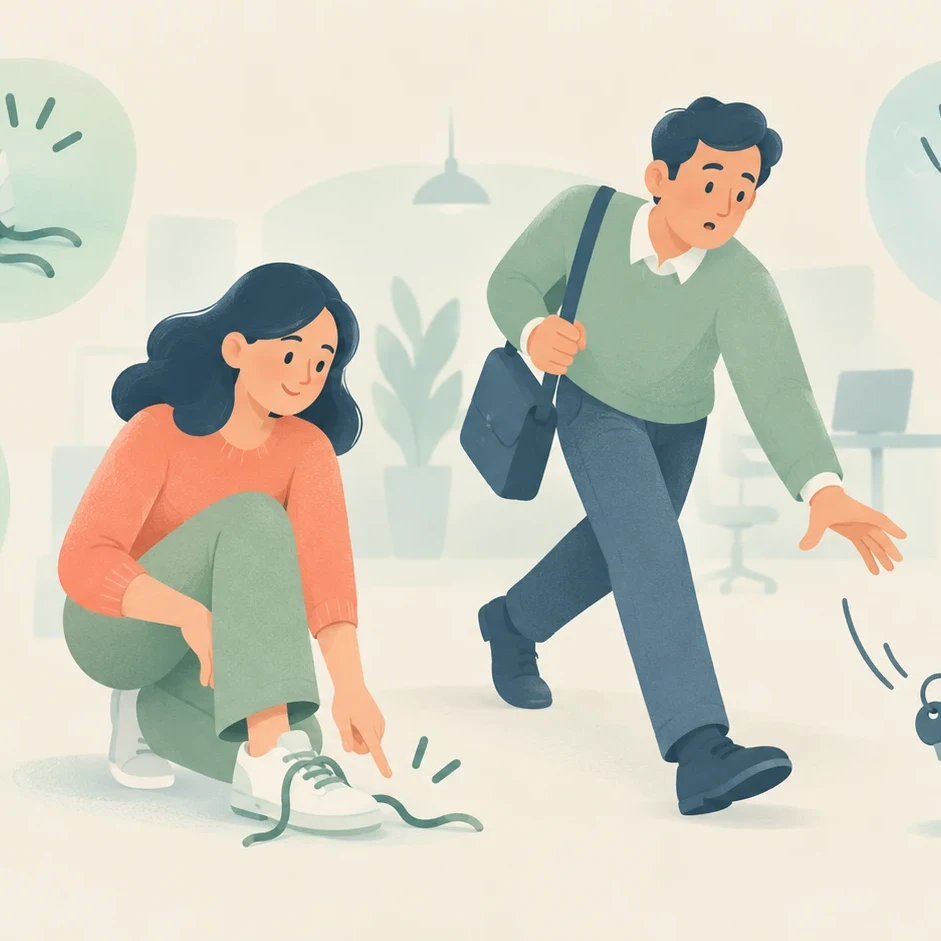
Loose or lose: Four simple checks
Loose functions as an adjective that indicates something is unbound, not firmly attached, or not fitting tightly. A loose cable or a loose coat shows this condition. Lose operates as a verb meaning to misplace an object, suffer defeat in a competition, or become separated from a possession.
¿Todavía no quieres probar? Recibe una lección gratis cada día
Recibe por correo un dictado corto cada día durante 7 días. Puedes practicar donde estés, sin crear una cuenta.
¿No encuentras una lección sobre lo que necesitas?
Las solicitudes de lecciones se incluyen con la membresía.
Ver la membresía