Turn up
Hör einmal zu und schreibe dann auf, was du hörst.
0:00
Transkript lesen
Du hast die Hörprobe aus einer echten Lektion abgeschlossen. Öffne die Lektion, um weiterzuüben.
Hör dir eine kurze Alltagssituation an. Achte beim zweiten Hören auf die Wörter, die dir noch fehlen. Starte mit einer Aufnahme unten oder wähle eine B1-Lektion aus der Sammlung.
Probiere ein kostenloses Diktat ohne Konto. Wähle einen verfügbaren Akzent, hör zu und schreib die gehörten Wörter auf.
Hör einmal zu und schreibe dann auf, was du hörst.
0:00
Du hast die Hörprobe aus einer echten Lektion abgeschlossen. Öffne die Lektion, um weiterzuüben.
Beginne mit Ausdrücken für Ankommen und Begegnungen. Turn up zeigt verschiedene Bedeutungen, Bump into eine unerwartete Begegnung und Head back die Rückkehr an einen Ort. Diese Vorschläge helfen beim Einstieg; sie sind kein Einstufungstest.
Wer spricht? Was ist passiert? Erfasse zuerst die Haupthandlung. Höre beim Wiederholen auf die kleinen Wörter beim Verb. Bei turn up und bump into ergibt sich die Bedeutung erst aus dem ganzen Ausdruck.
Erkläre den Satz nach der Auswertung mit eigenen Worten. Ist dir das meiste unbekannt, lies zuerst die Bedeutung und höre dann erneut zu. Hast du ihn verstanden, höre ihn noch einmal bei normalem Tempo, bevor du weitermachst.

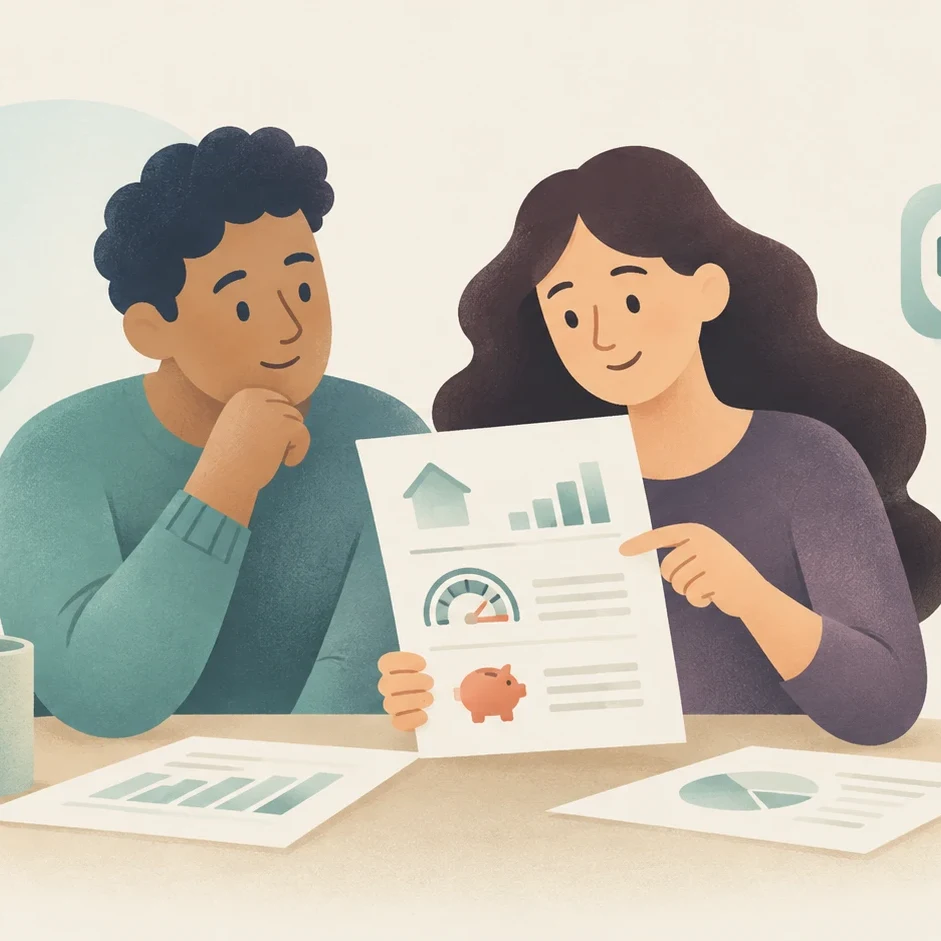
The large bill is based on an estimate, not the meter. After one number is corrected, does the customer still owe money?
Hörlektion öffnen

Ignoring a problem may delay a decision; facing up to it is the moment you accept that it is real.
Hörlektion öffnen

You can fill out an application with information, while a young person's face may naturally fill out over time.
Hörlektion öffnen

A new employee receives two required tasks and one optional invitation. Which action must happen before system access works?
Hörlektion öffnen
Four numbers describe the flat, but they do not all represent monthly costs. Can you label each amount and date correctly?
Hörlektion öffnen

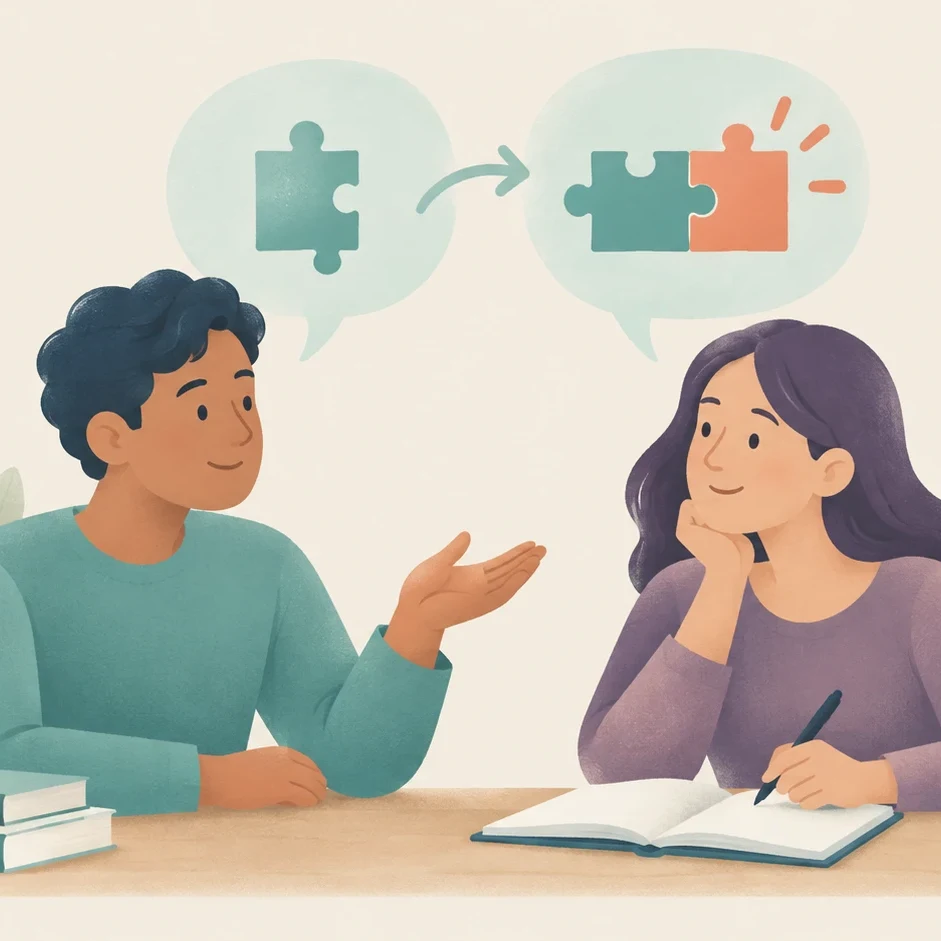
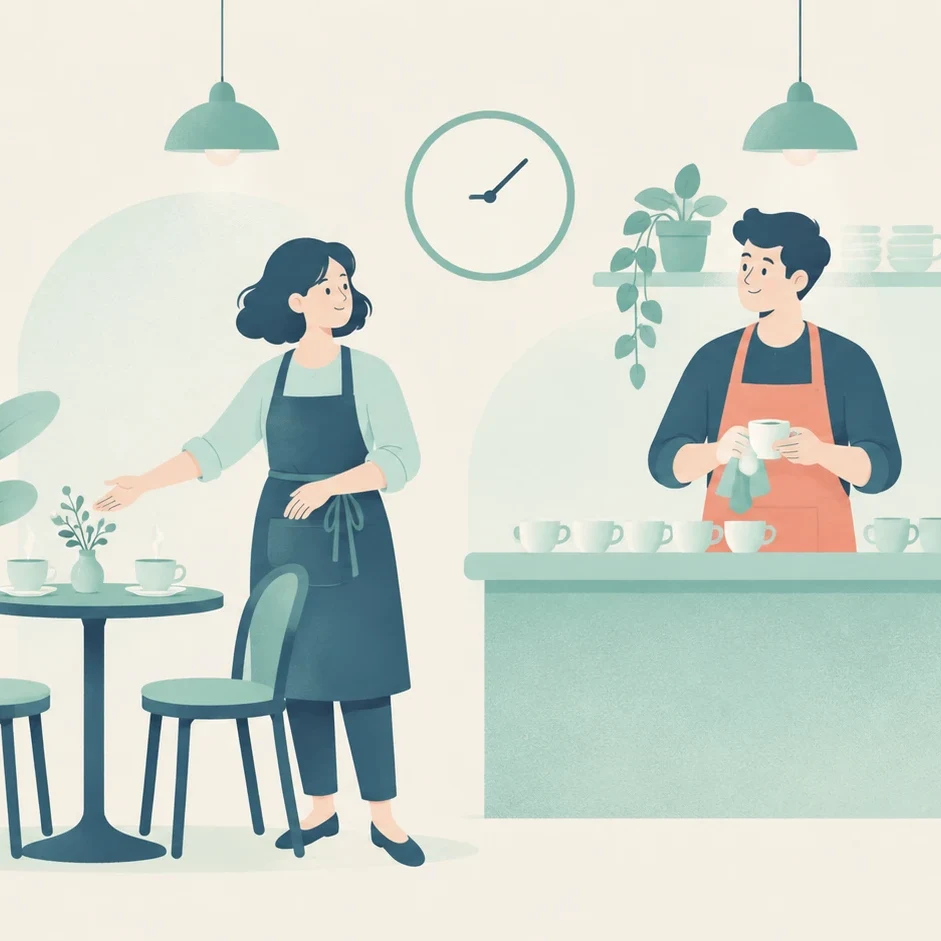

You have decided to travel, bought the ticket, and agreed to meet a friend. Does English describe all three parts of that plan in the same way?
Hörlektion öffnen
Use be going to when present evidence shows what will happen next, and use will when you share a personal belief or guess about the future.
Hörlektion öffnen
If you stop working and stop to work, have you ended the job or paused another activity so you can begin it?
Hörlektion öffnen
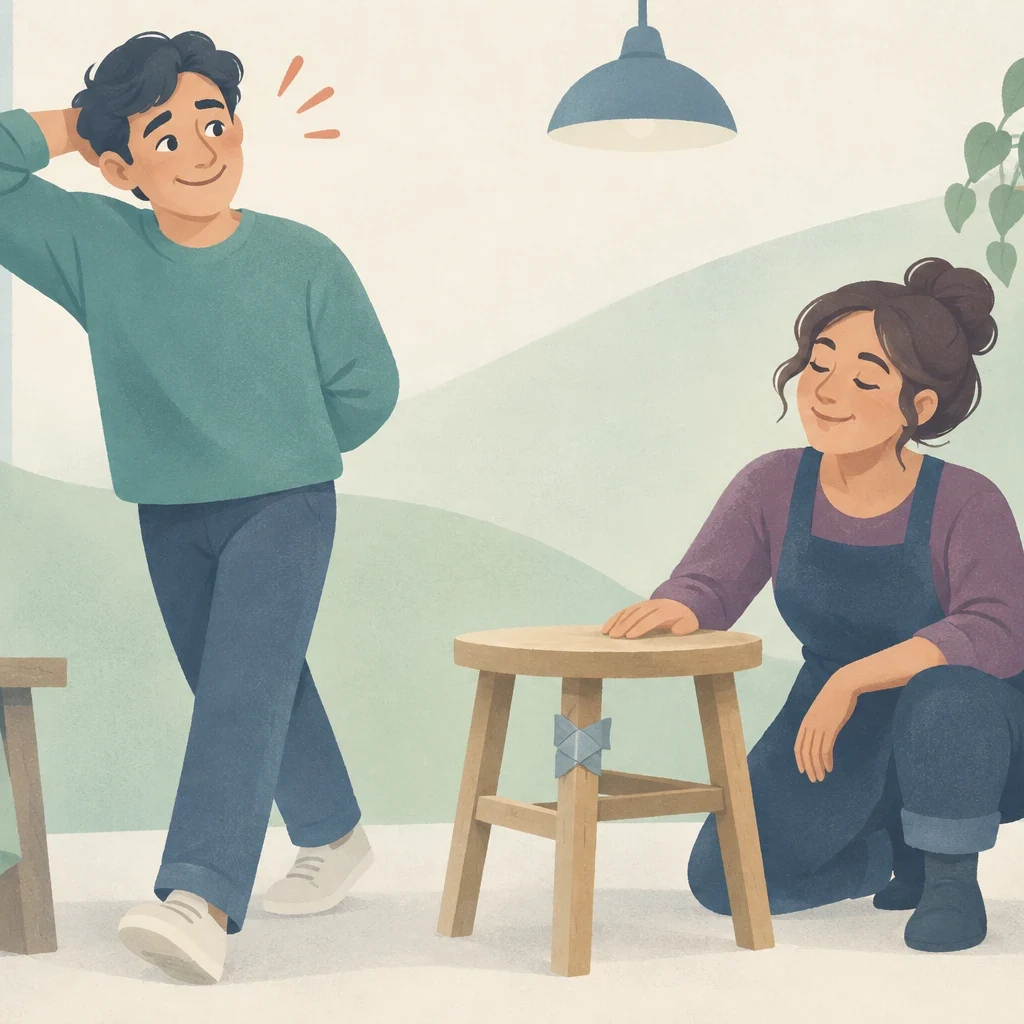
A person may break a rule without punishment, or use one coat of paint when two would be better. In both cases, they may get away with it.
Hörlektion öffnen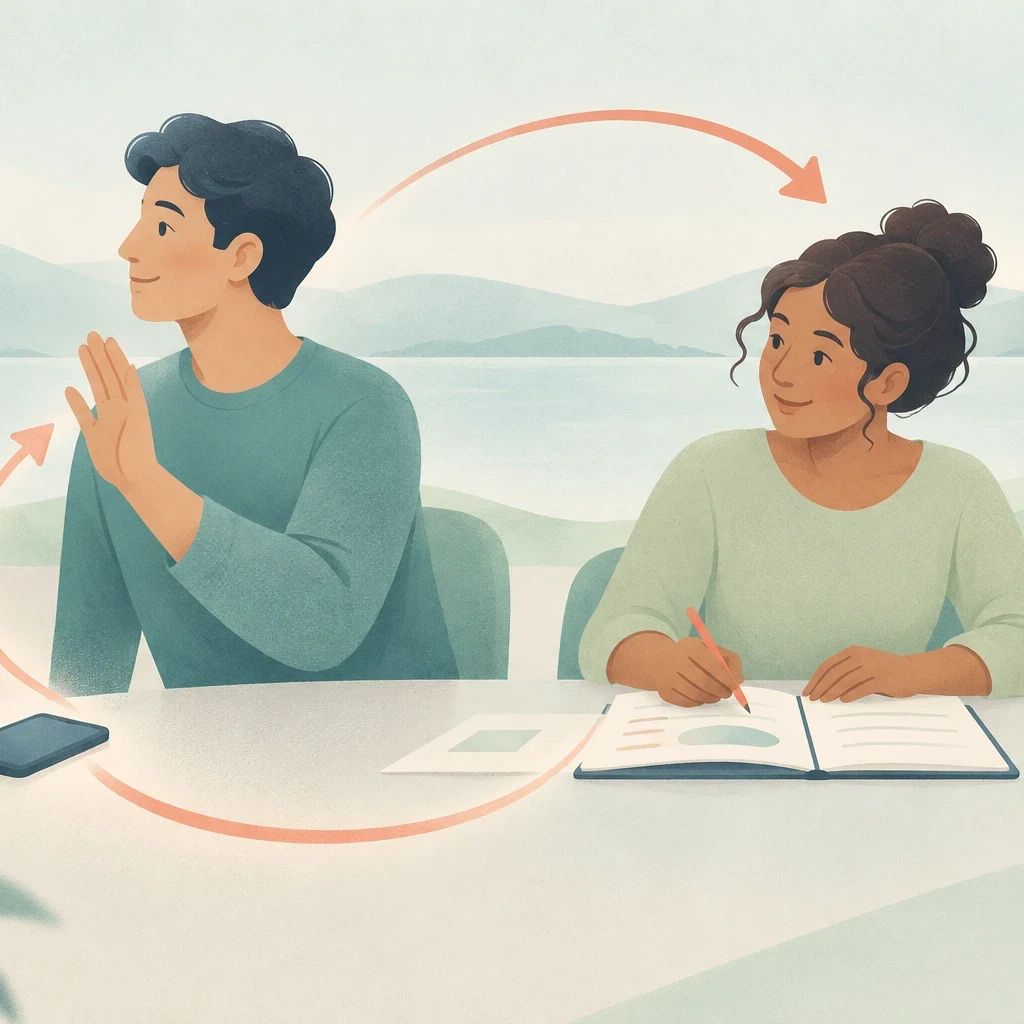
If you cannot answer now, you can get back to a person later. When the interruption ends, you can get back to the task.
Hörlektion öffnen
When you have less money, equipment or language than you would like but still manage, you get by.
Hörlektion öffnen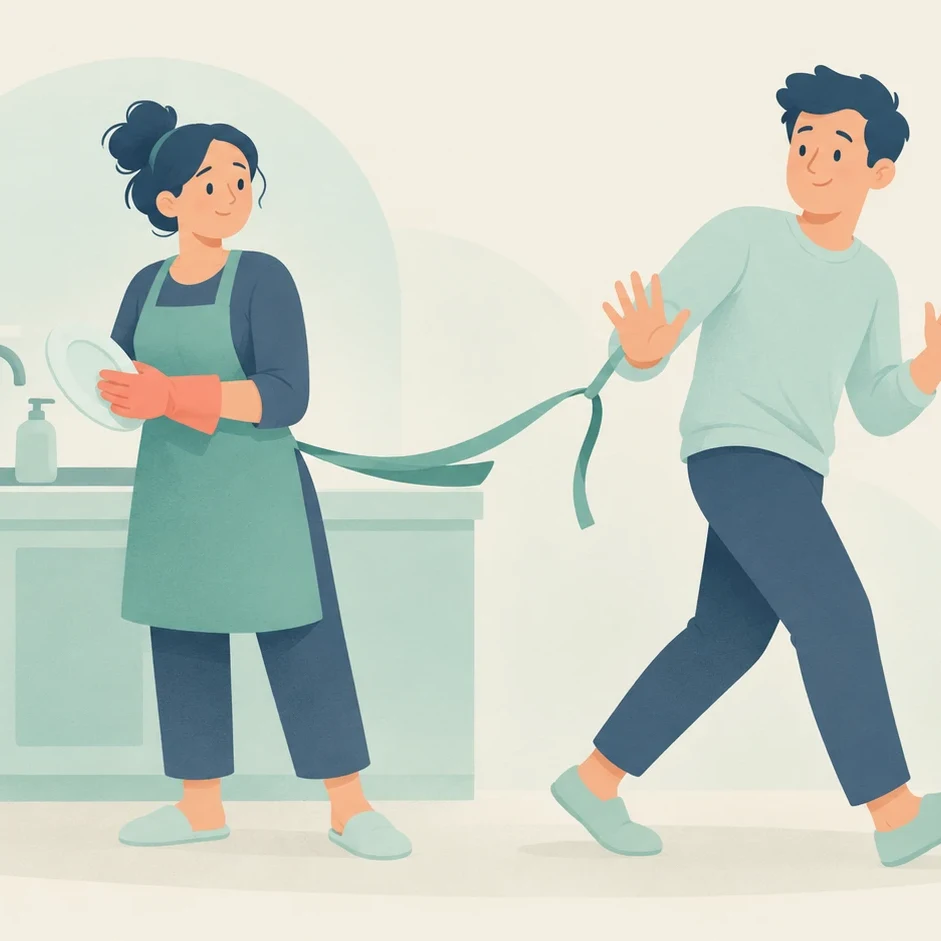
An excuse may help someone get out of a meeting, while a changed routine may help them get out of a bad habit.
Hörlektion öffnenNein. Die Lektionen sind nach ihrem Niveau in der Sammlung geordnet. Mit den Beispielen und Aufnahmen kannst du einschätzen, was du üben möchtest. Eine abgeschlossene Lektion bescheinigt kein Sprachniveau.
Ja. Wähle die langsamere Wiedergabe, wenn du noch einmal genauer hören möchtest. Wechsle zurück zum normalen Tempo, sobald du dem Satz folgen kannst.
Jede Lektion enthält kostenlose Beispieldiktate. Weitere Aufgaben können eine Mitgliedschaft oder eine aktive Testphase erfordern. Die Lektion zeigt vor dem Start, was verfügbar ist.
