
ابحث عن درسك التالي
يمكنك البحث عن عبارة أو وصف ما تريد قوله، ثم اختيار درس من الدروس المتاحة.
عرض 163–180 من 464 درس
إزالة خيارات البحث-

Simple past tense: talk about finished events
The simple past tense places an action, event, or condition completely in past time. The event started and ended before the present moment. It can describe a single completed event, a series of sequential actions, a temporary state, or an earlier habit that has ended.
-
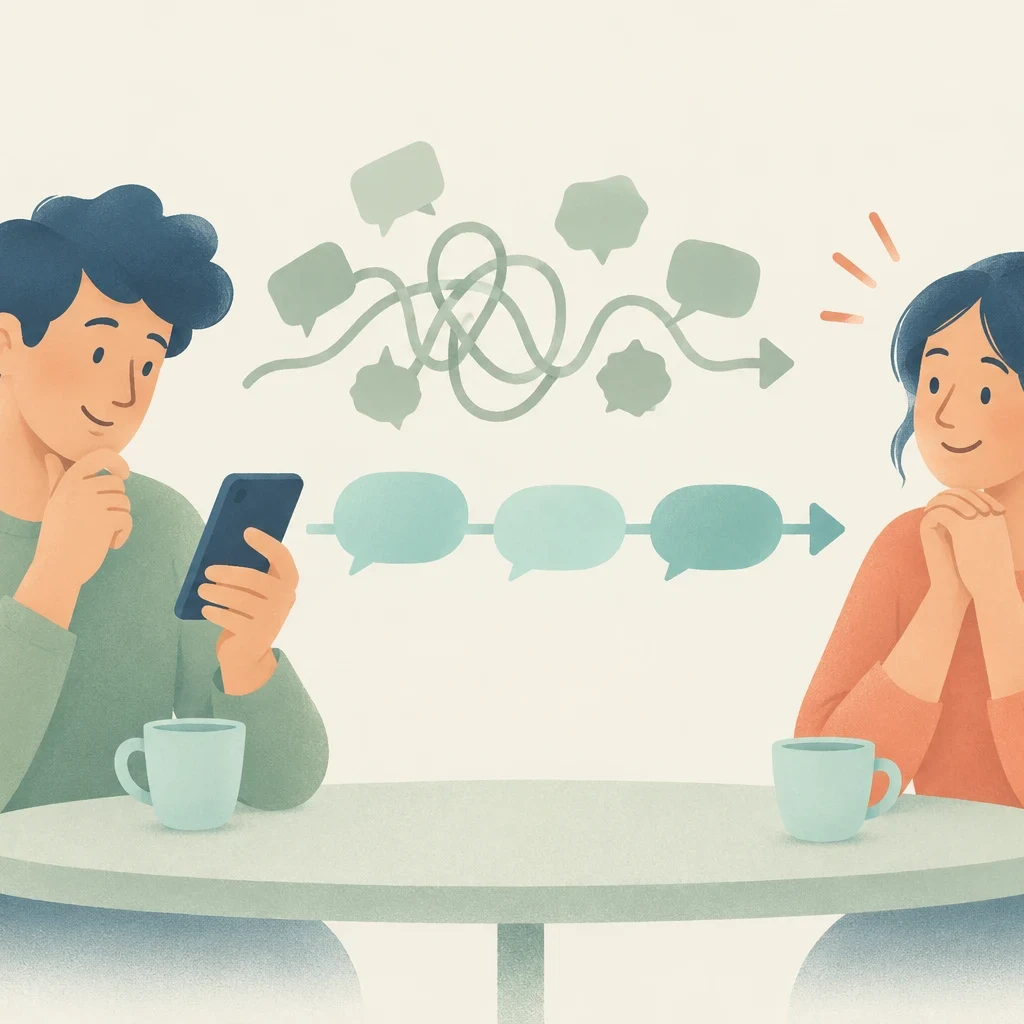
SMS English: Write Clear Short Texts
SMS English refers to the abbreviations, shortened words, and condensed phrases commonly used in digital messaging. Common examples include mins for minutes, msg for message, and BTW for by the way. These informal shortcuts are practical conversational tools rather than a separate grammar system, and their appropriateness depends on your relationship with the reader.
-

Brake or break: Choose the Right Spelling
Brake operates as a verb meaning to decelerate or halt a vehicle, and as a noun for the mechanical mechanism that accomplishes this task. Break functions as a verb meaning to damage, fracture, or interrupt something, and as a noun designating a pause from activity or a gap in continuity.
-

You're Welcome vs Your Welcome: Quick Spelling Guide
You're represents the two words you are joined into a single word. The apostrophe replaces the missing letter a. In the reply you're welcome, you state that the listener is welcome to your help. In contrast, your shows possession or connection. It never contains an apostrophe and never means you are.
-

Adjective clauses: identify the noun
An adjective clause is a group of words containing a subject and a verb that functions like a descriptive adjective. It attaches to a noun to clarify which person or item you mean, or to add descriptive detail about a noun that is already specific. Who refers to people, which refers to things, that refers to things or people in defining contexts, whose indicates possession, and where or when connect physical locations or points in time.
-

Poke meaning: quick touch and push
To poke means to make quick, targeted contact against an object or person using a finger, tool, or pointed edge. As a noun, a poke refers to a single brief push or touch. The word emphasizes narrow contact rather than sustained heavy force.
-
العضوية
افتح كل الدروس مجانًا لمدة 7 أيام
- 814 درس مع تمارين الإملاء والاستماع
- تسجيلات بريطانية وأمريكية وأسترالية بحسب توفرها
- يُحفظ تقدمك أثناء التدريب
لا حاجة لبطاقة. ثم من $7.50 شهريًا إذا أردت الاستمرار.
ابدأ التجربة المجانية -

Everyday Idioms in Context: Clues from the Situation
An idiom is a fixed phrase whose overall meaning differs from the literal definition of each separate word. In natural speech, context clues such as the speaker's tone, the problem being solved, and the surrounding events reveal the intended meaning.
-

Present Continuous: Form and Everyday Use
The present continuous indicates that an event is unfolding, incomplete, or temporary around the present period. It links the moment of speech to an activity that has already started and has not finished. In conversational settings, speakers also use this pattern to announce a confirmed future arrangement that already has a scheduled time or partner.
-

Check English sentences: Eight clear steps
Check both the sentence structure and what the writer wants to say. Structure includes verb tenses, singular and plural forms, and preposition patterns. A grammatically correct sentence can still sound too direct or leave its meaning unclear. Consider the audience and situation when suggesting a change.
-

English writing tips: practical editing routine
Editing means reviewing your own writing systematically to improve clarity, organization, grammar, and accuracy. Rather than trying to fix everything at once, an effective editing routine addresses meaning first, followed by sentence structure, word choice, and mechanics.
-

On Monday or at Monday: Which Preposition Is Right
The preposition on marks a calendar day or date as a surface in time. When you say on Monday, you indicate that an action occurs during that twenty-four-hour period. Adding an s to form on Mondays expresses a repeated habit or recurring appointment. In contrast, the preposition at pinpoints an exact moment on the clock or introduces a specific gathering. It never connects directly to a weekday name by itself.
-

Loose or lose: Four simple checks
Loose functions as an adjective that indicates something is unbound, not firmly attached, or not fitting tightly. A loose cable or a loose coat shows this condition. Lose operates as a verb meaning to misplace an object, suffer defeat in a competition, or become separated from a possession.
-

English Class Activities: Plan Effective Speaking Tasks
A structured classroom activity is a purposeful communication task with an explicit language aim, defined partner roles, and a measurable outcome. Unlike unstructured conversation, an activity requires learners to exchange missing facts or solve a specific problem using targeted vocabulary and sentence patterns.
-
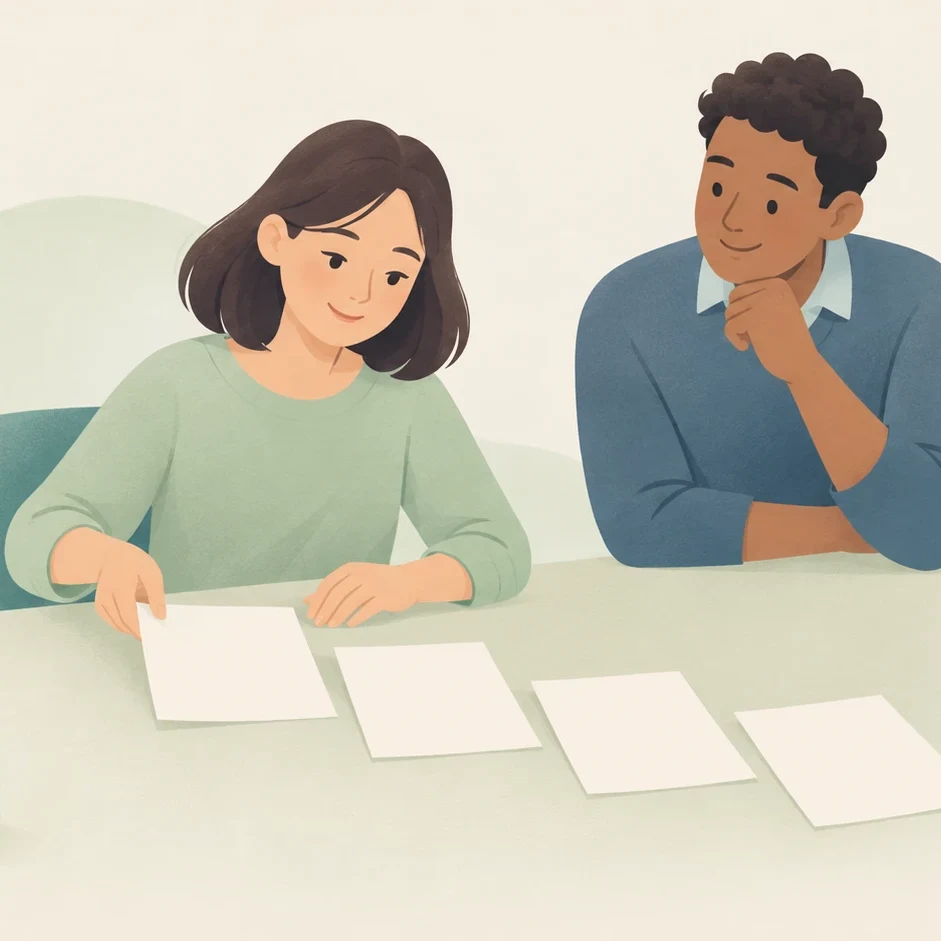
English writing practice: four steps for clarity
Writing practice means drafting a short message for a clear communication goal. Revision means reading that draft again as the recipient would, adjusting words and order so the intended action is clear.
-
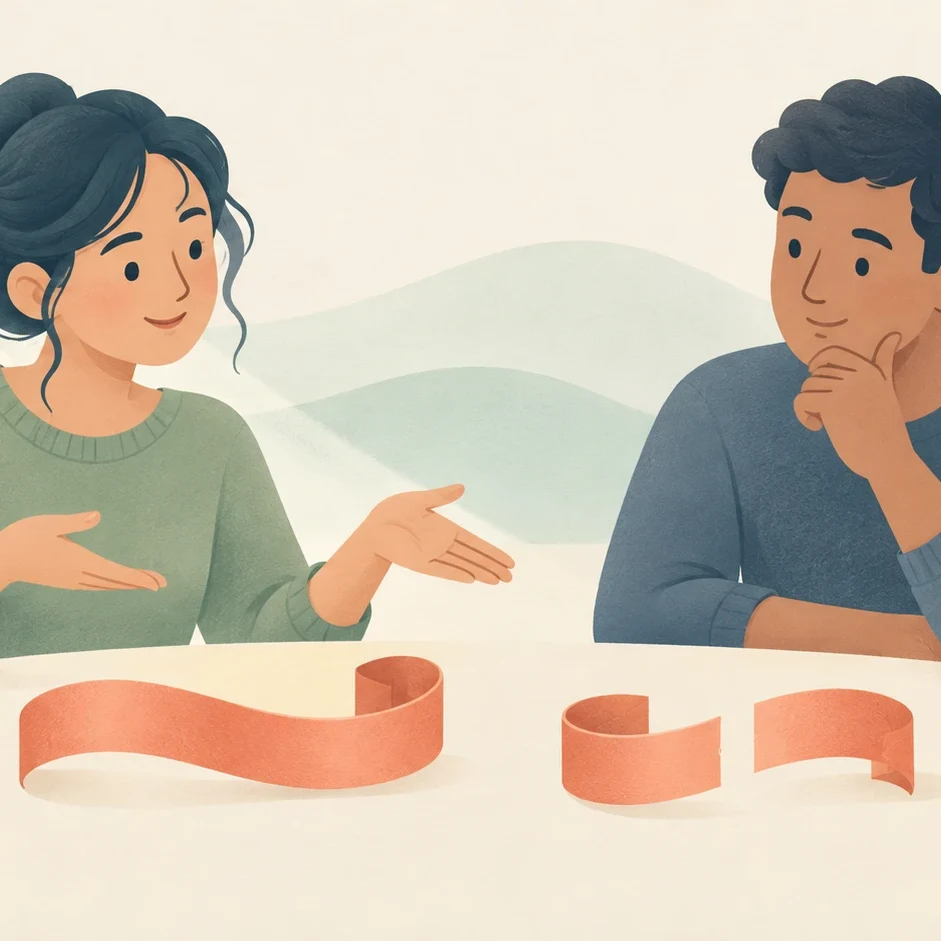
However or how ever: quick spelling guide
However can mean despite that when linking contrasting ideas. With an adjective or adverb, it can mean no matter how. In an emphatic question, however or how ever adds emphasis to how.
-

Exclamations with What and Such: Clear Rules and Examples
Speakers use what and such to highlight a notable quality or situation. Instead of asking a question, these structures emphasize your personal reaction, like surprise, pleasure, or frustration. What directly introduces the noun phrase, while such typically modifies an adjective and noun together inside a statement.
-

Unless vs until: choose time or condition
Until marks the limit of an ongoing state or action. It answers how long something continues before a change happens. Unless introduces an exception or a required condition. It means except if, showing that a stated outcome will occur unless this specific event intervenes.
-

Auxiliary verbs: be do and have
Be, do, and have function as primary auxiliary verbs, which are helping words that combine with main verbs to indicate aspect, voice, questions, and negation. An auxiliary verb changes its form for subject agreement and tense, leaving the main verb to specify the concrete action. These three words also serve as independent main verbs, but when they help another verb, they follow strict pairing rules with base verbs, -ing forms, and past participles.
لست مستعدًا للتجربة؟ احصل على درس مجاني كل يوم
إملاء قصير واحد في بريدك الوارد كل يوم لمدة 7 أيام. تدرب أينما كنت، لا يلزم حساب.
ألم تعثر على العبارة أو الموقف الذي تحتاجه؟
طلبات الدروس تأتي مع العضوية.
عرض العضوية