找下一节课
搜索一个短语,或描述想表达什么,从当前可用课程中选择。
显示第505–522节,共592节课
-
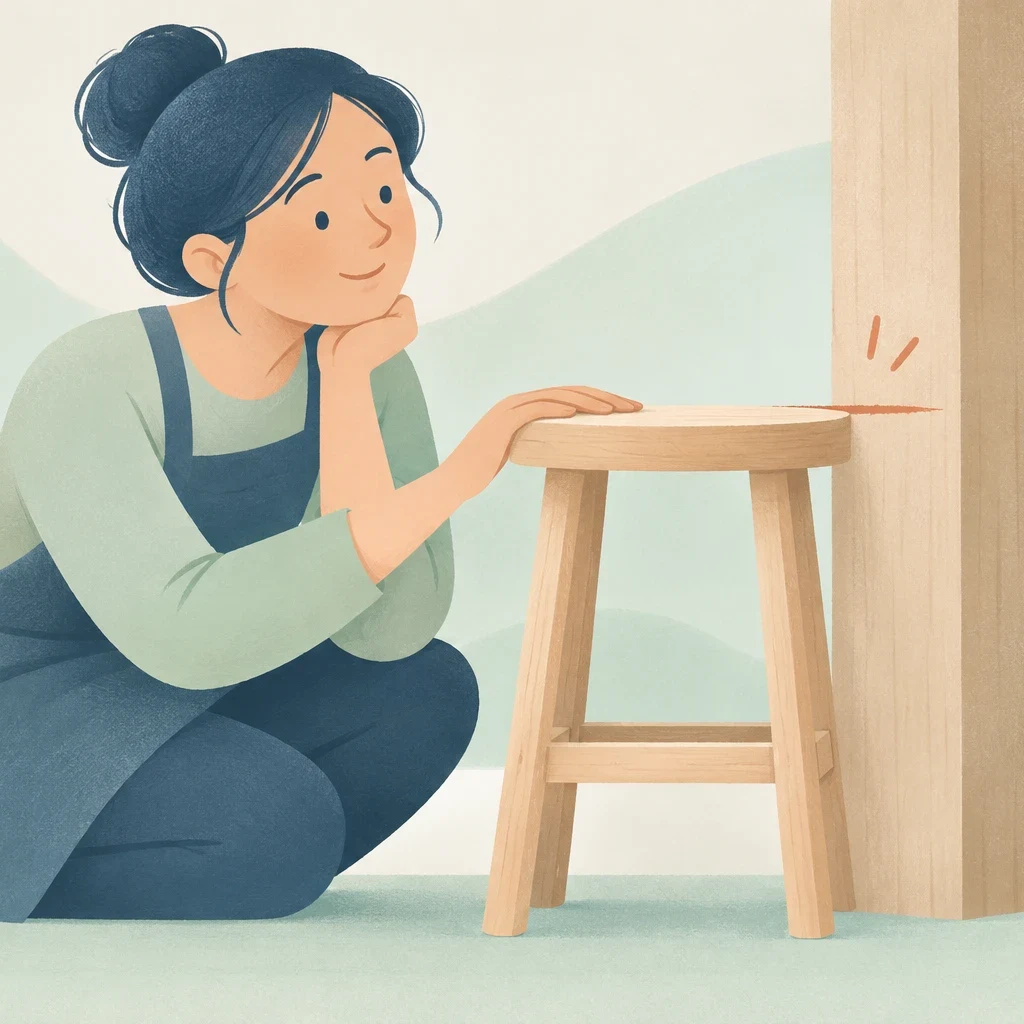
Up to scratch
Up to scratch means good enough for the task or purpose. It does not mean perfect. Come up to scratch means reaching the required standard, while bring something up to scratch means improving it so it meets that standard.
-

Up in the air
The idiom 'up in the air' means that a matter, plan, or decision is not yet certain or decided, often because additional facts or choices are needed. It does not mean the event is cancelled, impossible, or literally high above the ground; rather, it describes a situation that remains unsettled until a resolution arrives.
-

Touch a nerve
To touch a nerve means to say something that causes an immediate sensitive, defensive, or upset reaction because it mentions an uncomfortable topic.
-

Torn between
To be torn between two possibilities means to find choosing very difficult because both have strong attractions or important consequences.
-
 视频 · 8分钟
 To put someone on the spot
To put someone on the spot means to place a person in an awkward position by demanding an immediate answer, explanation, or decision, especially when they are unprepared or prefer not to answer in public.
-
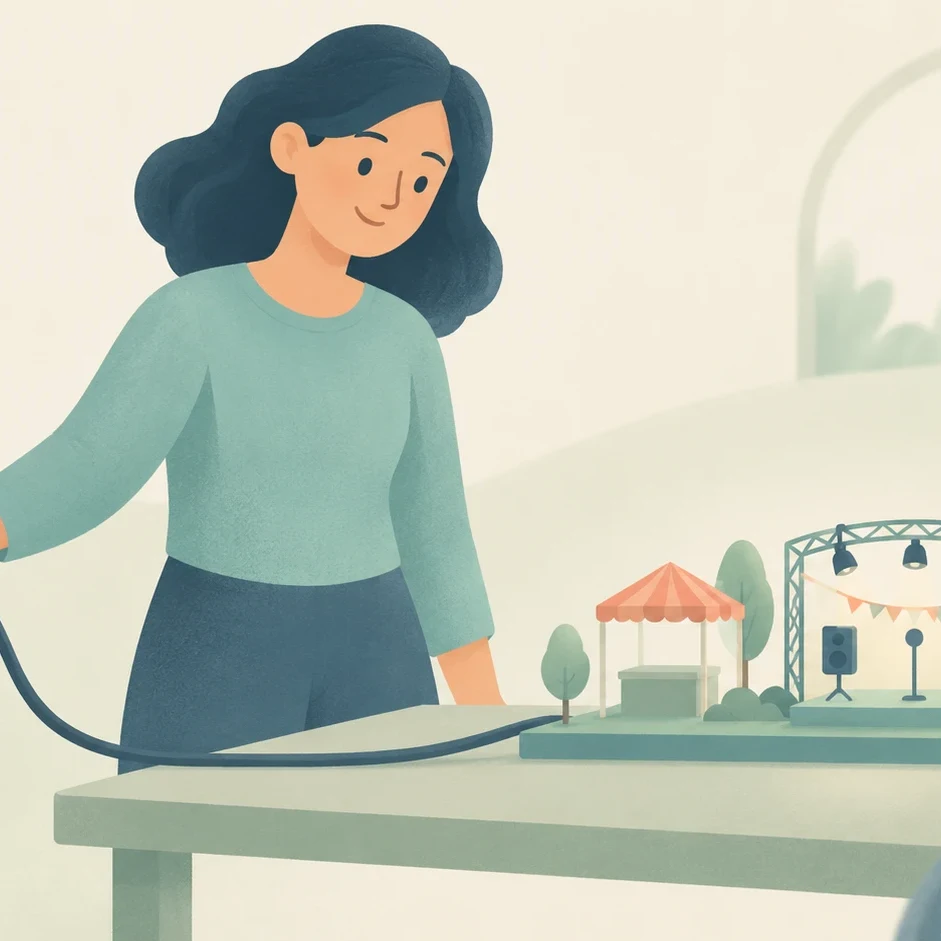
To pull the plug
To 'pull the plug' means to deliberately stop an activity, service, or project from continuing. It often involves withdrawing financial support, practical help, or official permission.
-
会员
全部课程免费学7天
- 592节课程,包含听写和听力测试
- 三种口音:英式、美式和澳式
- 每天有新课,并保存学习进度
无需绑卡。之后如想继续使用,每月$7.50起。
开始免费试用 -

To not lift a finger
Not lift a finger means to do nothing, or make very little effort, to help with something. It is often an emphatic complaint rather than a literal measurement of every action.
-

To jump ship
Jump ship means leaving an organization, group, or activity, often to join another or avoid difficulties. It can suggest a change of loyalty or abandonment, but it does not by itself establish a crisis.
-

To get a word in edgeways
To get a word in edgeways means to find a brief opening to speak while another person or group talks almost continuously.
-

To cut it fine
To cut it fine means to allow barely enough, or possibly not enough, time, money, or another resource for a task. In everyday English, barely enough means only just enough. A person who cuts it fine leaves almost no extra room for delays, errors, or unexpected obstacles.
-

To bend over backwards
To bend over backwards means to make an extraordinary effort to help, please, or support someone. The expression describes significant exertion and personal inconvenience rather than physical movement. It goes well beyond ordinary politeness or routine courtesy.
-

The final straw
The final straw refers to the latest problem in an ongoing series of difficulties that convinces someone they can no longer tolerate a situation. The event itself can be relatively small, but its timing after earlier troubles makes it decisive.
-

The elephant in the room
An elephant in the room is an obvious, uncomfortable problem or difficult reality that everyone in a group knows about but deliberately avoids discussing.
-
 视频 · 7分钟
 The bottom line
The bottom line means the most important fact, conclusion, or result. In a financial context, it can mean the final profit or loss after costs are included.
-

The ball is in your court
The phrase 'the ball is in your court' means that it is now another person's duty or turn to make a decision, reply, or take action before any further progress can occur.
-

Take your mind off something
To take someone's mind off something means to stop a person from dwelling on a stressful thought, pain, or concern by directing their mental energy toward an alternative activity.
-
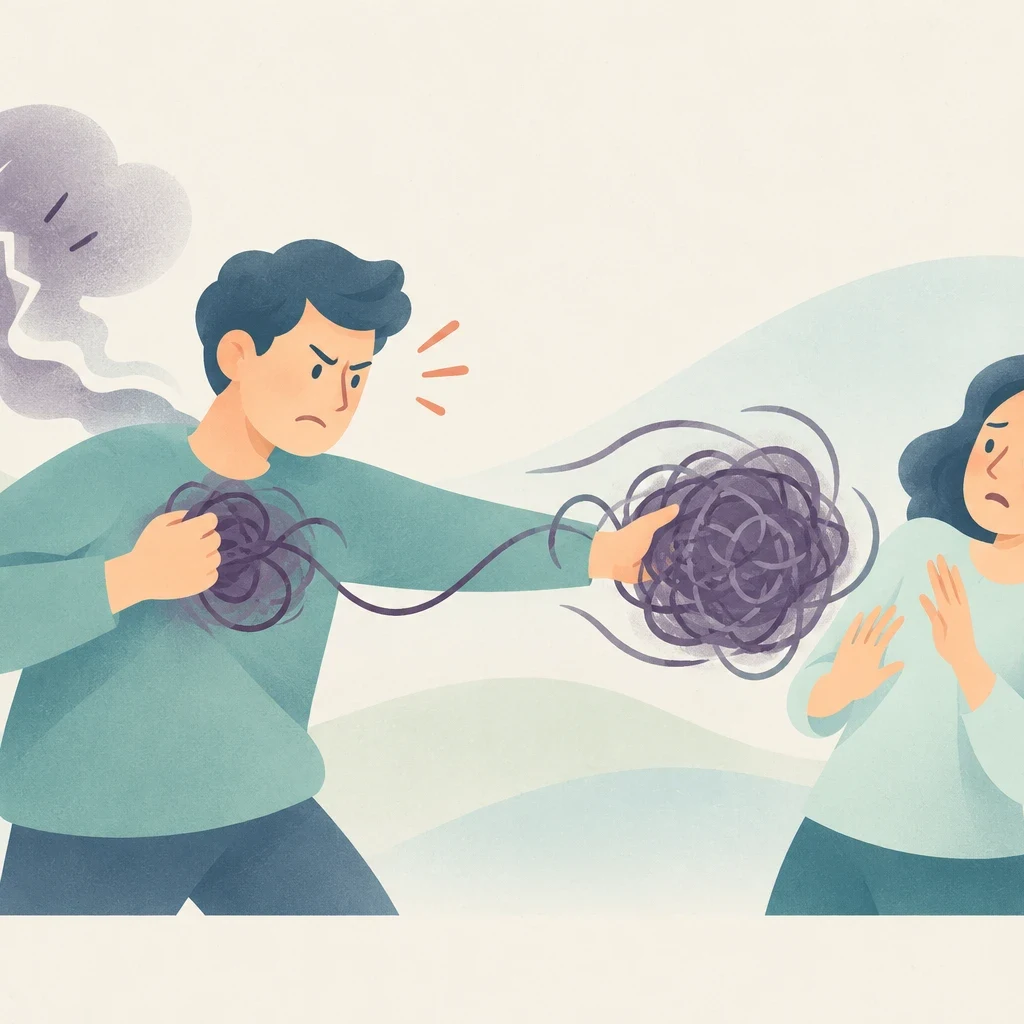
Take it out on someone
Take something out on someone means make that person suffer because of anger or upset caused by another situation, even though they are not responsible.
-
 视频 · 7分钟
 Take it easy
'Take it easy' means to rest and reduce effort, to calm down when feeling anxious or agitated, or to offer a warm, casual goodbye.
还没想好是否试用?每天收一节免费课
连续7天,每天发一段短听写到邮箱。在哪里都能练,不用注册账户。
找不到想学的表达或场景?
定制课程是会员功能。
查看会员方案