Europe Central Food Platform and Wholesale Geography
Mercamadrid is a huge wholesale food market in the southern part of Madrid. The market covers more than two hundred hectares of land near main highways. City leaders and the national market company manage this massive logistics center together. Thousands of transport trucks arrive here every day to deliver fresh food to millions of consumers.
More than eight hundred different companies operate wholesale warehouses inside the secure gates. Long-haul trucks bring farm produce from sunny southern fields and seafood from coastal fishing ports. The market moves over three million metric tons of fresh foodstuffs every year. Modern supply routes connect Spanish farmers with local grocery stores and family kitchens.
Nocturnal Trading and the Central Fish Market
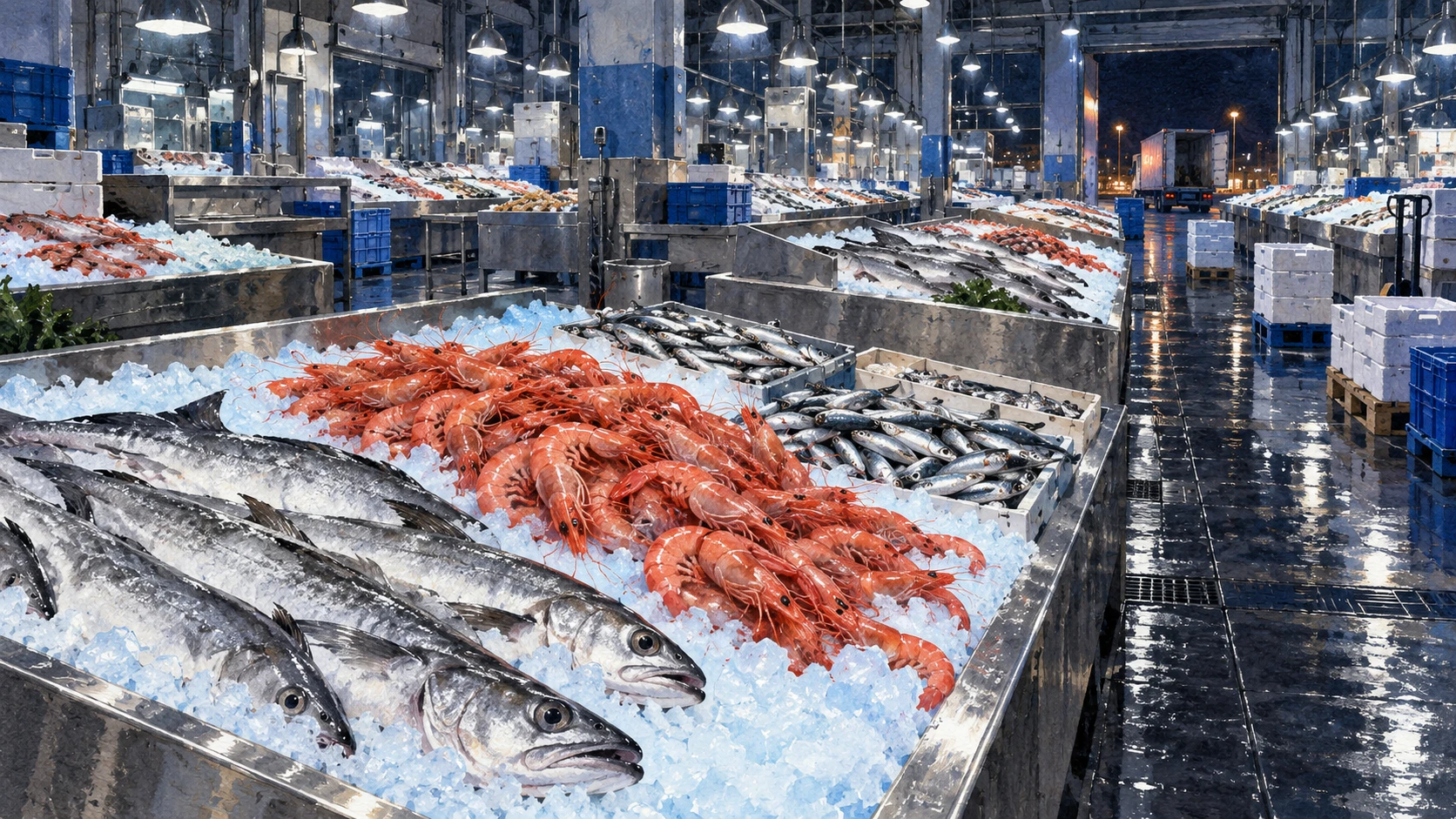
The central fish market at Mercamadrid is the second largest seafood trading hub in the world. Trading begins in the middle of the night around three in the morning. Workers unload refrigerated trucks that travel directly from Atlantic and Mediterranean fishing harbors. Hundreds of wholesale stalls display fresh hake, prawns, and sardines on beds of crushed ice.
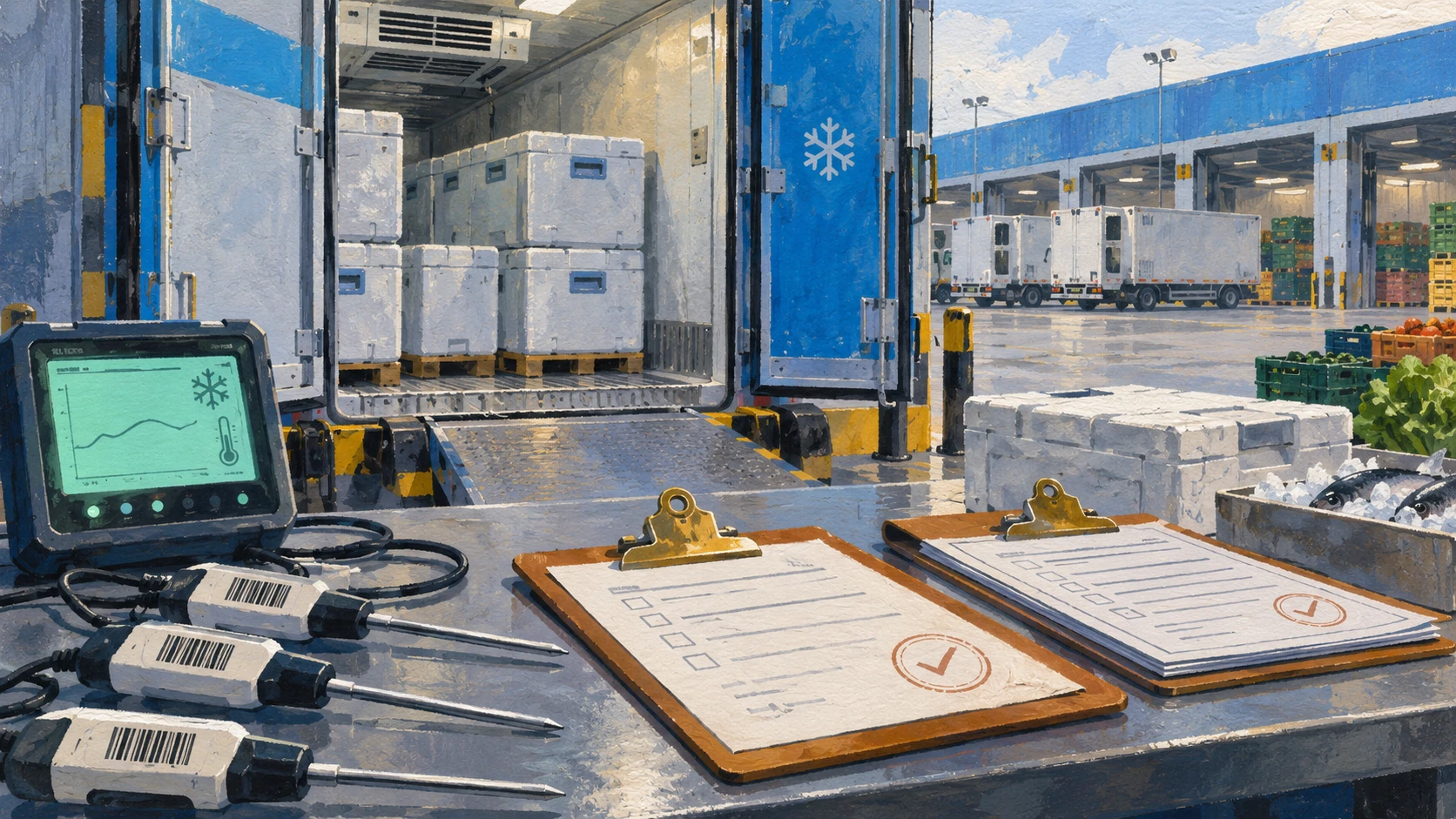
Official veterinary inspectors examine the fish carefully before sales can begin. They check the bright red gills, clear eyes, and fresh sea smell of each catch. City fishmongers and restaurant chefs arrive before dawn to buy seafood for their shops. Cold storage rooms keep temperatures near zero degrees Celsius to keep the fish fresh.
Fruit Pavilions and Modern Cold Storage
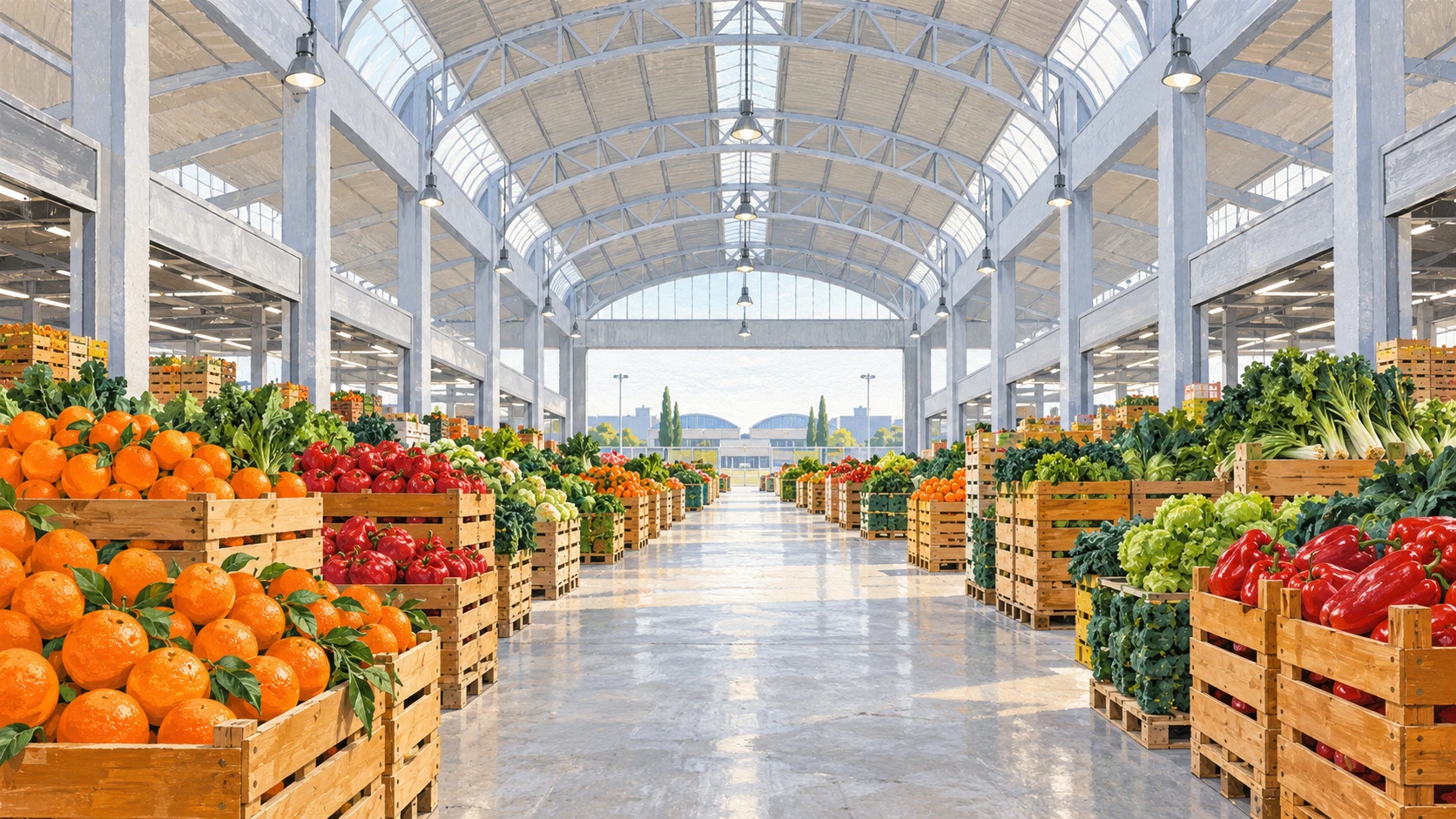
Six large pavilions hold rows of wholesale stalls filled with fresh fruits and vegetables. Farm trucks arrive from warm greenhouse regions in Almeria and fruit orchards in Murcia. Digital computers track every pallet of oranges, apples, and tomatoes across the refrigerated warehouse floors. Fast sorting machines check fruit size, color, and sugar sweetness before packing.
Delivery drivers move wooden pallets quickly from large freight trucks into small city delivery vans. These clean electric vans transport fresh produce to local neighborhood markets without delays. A special market zone offers organic vegetables grown by small family farms near Madrid. Local growers sell seasonal lettuce, carrots, and herbs directly to school kitchens.
Food Donations, Clean Energy, and Urban Reserves
Mercamadrid works with local food banks to help people in need across the city. Workers collect unsold fresh fruits and vegetables each morning to donate to community charities. A modern recycling plant converts leftover food waste into clean organic compost and biogas energy. Solar panels on warehouse roofs generate clean electricity to power heavy refrigeration machines.
Market statisticians record wholesale prices every morning to help track national grocery inflation trends. Large freezer chambers store strategic food reserves to protect the city during transport strikes or severe weather. Cooking teachers host student workshops to show young people how fresh food moves from farm to table. Careful food planning keeps the capital healthy, well fed, and secure.