Empieza con un mensaje claro
Elige un tema conocido. Escucha la idea principal antes de intentar escribir cada palabra.
Biblioteca de dictados enfocada
Convierte el vocabulario familiar en una escucha fiable a través de oraciones conectadas y apoyo progresivo.

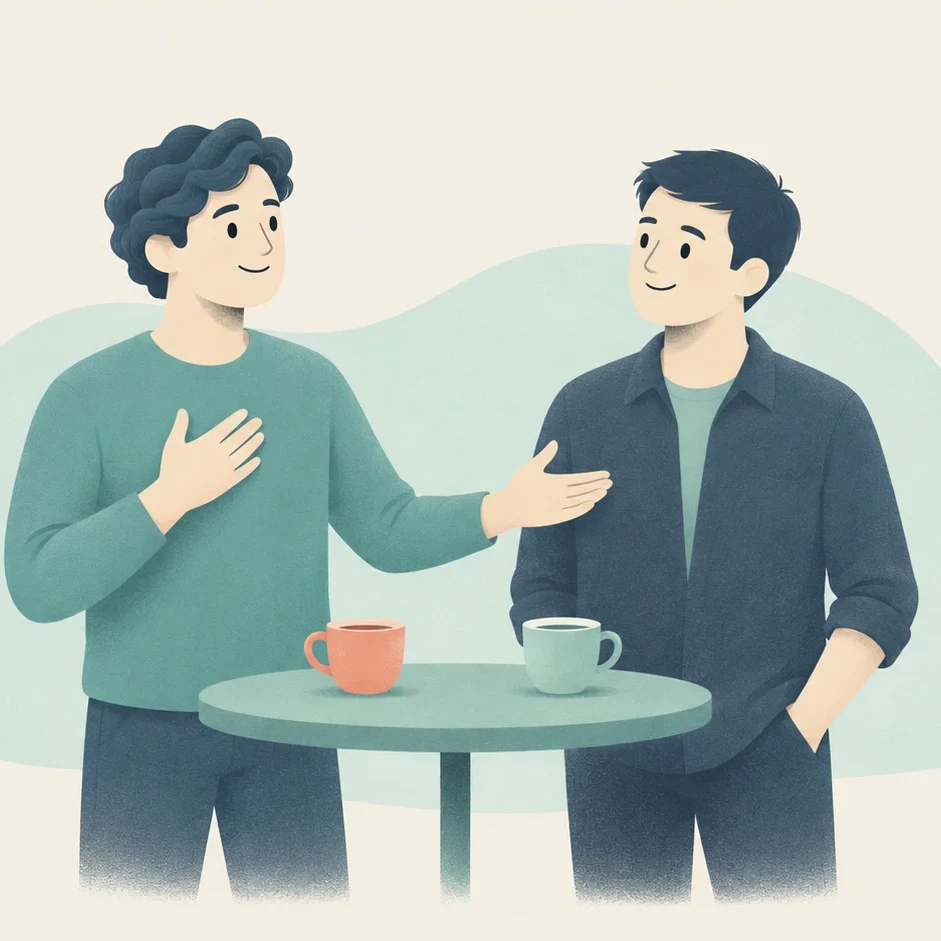


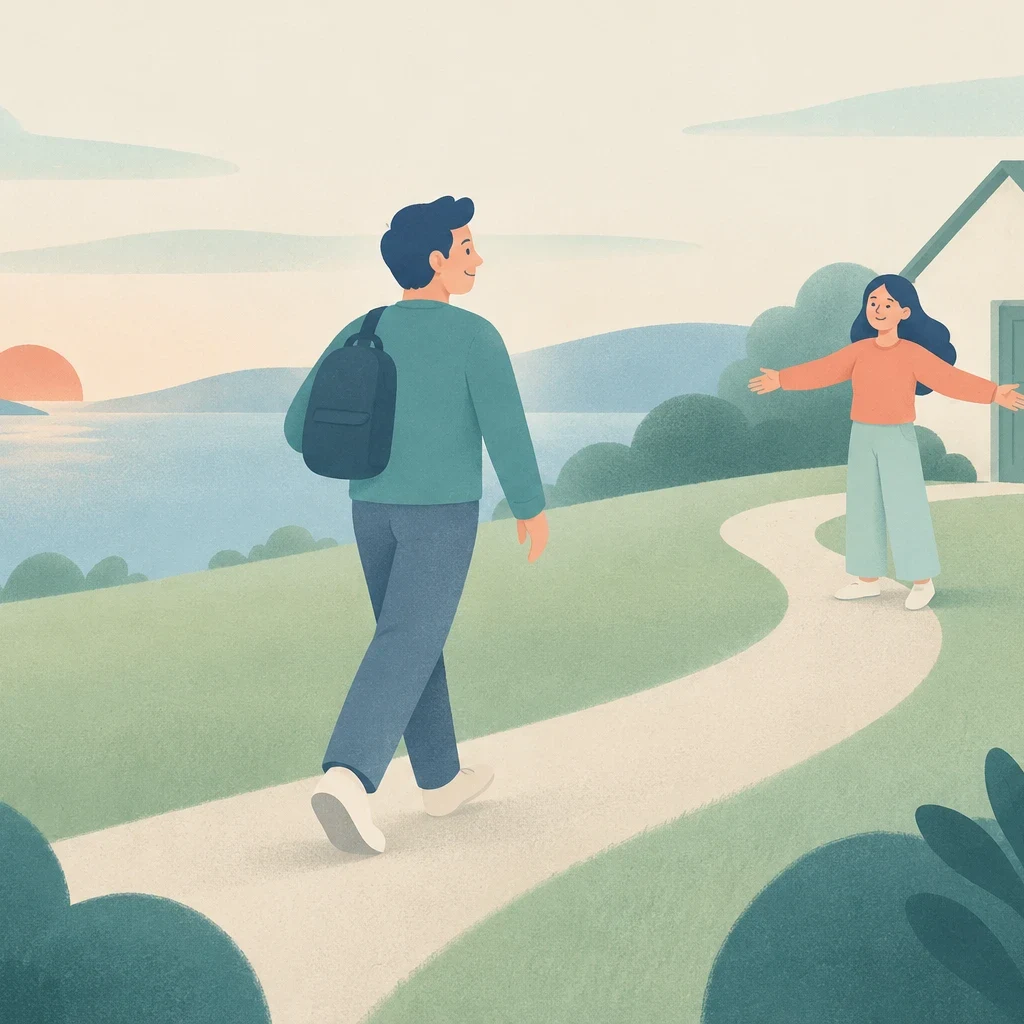
You have enjoyed the walk, but it is getting dark. Saying we should head back signals that it is time to start returning, not that you are already home.
Empezar a escuchar

Traffic can hold you up, while a repair can hold up through bad weather. One use creates a delay; the other survives pressure.
Empezar a escuchar


Replaying difficult audio ten times can feel productive while attention fades. A better session gives each replay one clear job and ends with something you can recall.
Empezar a escuchar
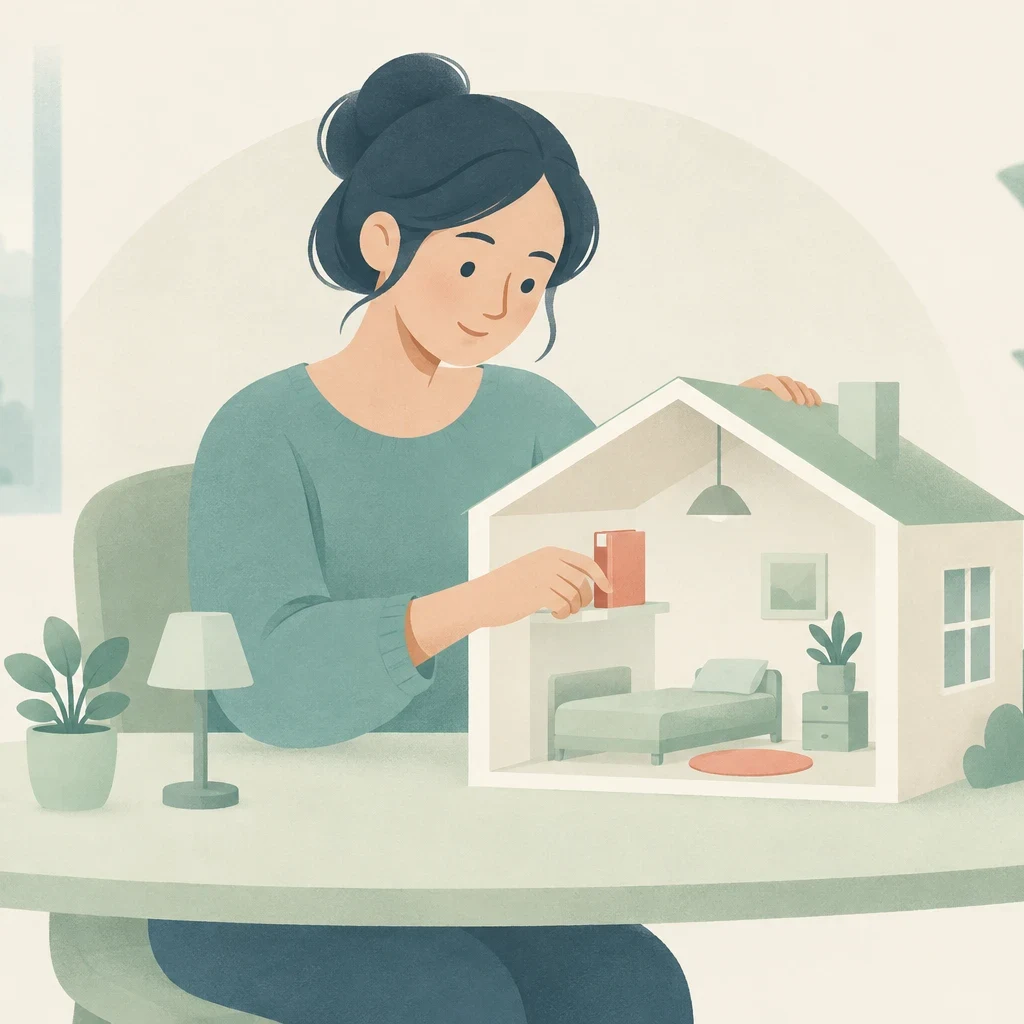
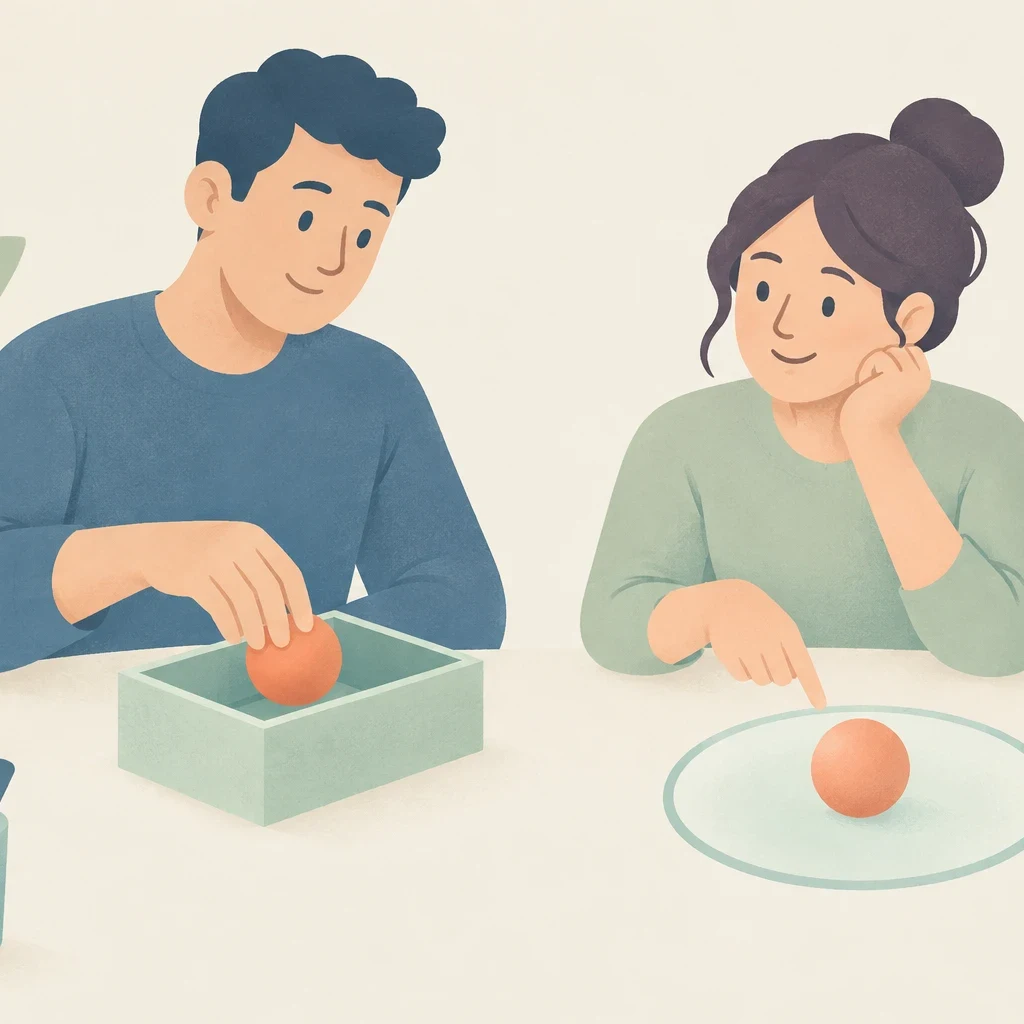



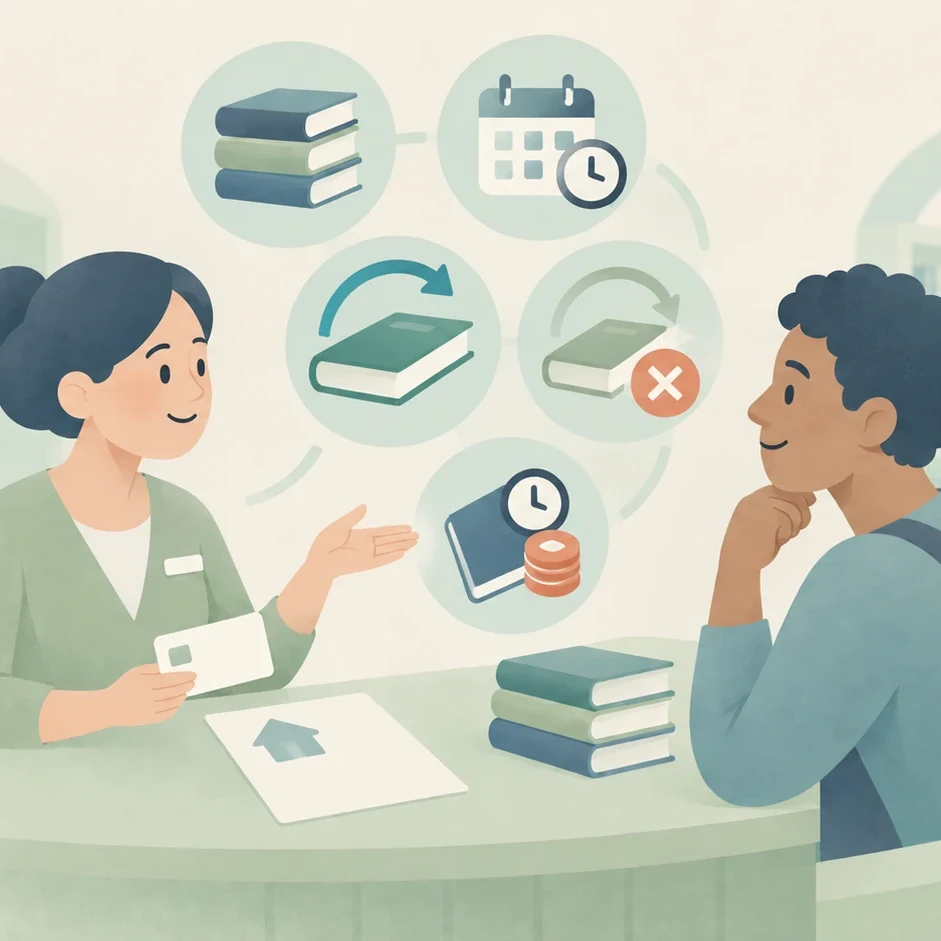
A librarian explains several numbers and one exception. Which number describes books, which describes weeks, and when is renewal impossible?
Empezar a escuchar
You need quiet, but saying be silent may sound too strong. Keep it down asks people to lower their noise rather than stop every sound.
Empezar a escuchar
You can keep out of an argument by not joining it, or keep rain out of a bag by closing it. One is about involvement; the other is about entry.
Empezar a escuchar
A fast walker, changing technology, and a daily habit can all be difficult to keep up with. The common idea is avoiding falling behind or stopping.
Empezar a escucharLo que encontrarás aquí
Puede que reconozcas una palabra escrita, pero no la captes en una oración. La práctica B1 te ofrece grabaciones cortas para trabajar con apoyo.
Escucha el mensaje y luego revisa las palabras alrededor de la parte que te perdiste.
Tu ruta de nivel
Elige un tema conocido. Escucha la idea principal antes de intentar escribir cada palabra.
Vuelve a reproducir, pide una pista y escucha de nuevo. Abre la transcripción cuando otra reproducción ya no te ayude.
Usa el modo de examen después de la práctica. Puedes volver a reproducir en el examen, pero las pistas no estarán disponibles hasta que termine el ejercicio.