
Encuentra tu próxima lección
Busca una frase o describe lo que necesitas decir. Elige entre las lecciones disponibles.
Mostrando 1–18 de 464 lecciones
Borrar filtros-

Worry or be worried: which one fits?
Use the verb worry when someone experiences concern as an action or regular habit. Use be worried when you describe a person's current emotional state. In addition, an event or situation can worry someone when it creates that feeling. While both forms describe the same general emotion, they arrange the grammar around different actors.
-

Adverb placement: natural word order
An adverb changes or clarifies the meaning of a verb, an adjective, another adverb, or a full statement. In everyday speech, frequency adverbs like often tell listeners how repeatedly an action happens, while manner adverbs like carefully show how someone performs an action. Adverbs of place and time show the physical location and schedule. Position matters because moving an adverb can emphasize a different idea or create confusion.
-

Reported speech: rules and examples
Direct speech repeats someone's exact words inside quotation marks. Reported speech shares the meaning of those words within a new sentence from your point of view. Instead of imitating the original voice, you connect the message to your present conversation. This structure allows you to share updates, relay instructions, and summarize questions quickly in daily life.
-

beware of: warning preposition usage guide
Beware of alerts a person to a potential hazard, deception, or risk before trouble happens. It does not state that harm is guaranteed, but it advises caution so the person stays observant and avoids harm. You will see it on public signs, in digital safety advisories, and in serious spoken recommendations.
-

Percent or Percentage: Choose the Right Word
The word percent comes from Latin and means parts out of every one hundred. When you write 25 percent, you describe 25 parts out of every 100 parts. The word percentage refers to the proportion or share itself, whether that share is large, small, or unknown. Both words deal with fractions of a whole, but they perform different grammatical jobs in your sentences.
-

Such or such a: choose correctly
The word such strengthens a speaker's reaction toward a person, object, or situation. It signals high degree or intensity, showing feelings such as appreciation, surprise, frustration, or relief. While the emotional tone can be positive or negative, the grammatical pattern stays identical. In careful or formal contexts, such can also mean of that kind, pointing back to a previously mentioned type or category while keeping the same article rules.
-
Membresía
Accede a todas las lecciones gratis durante 7 días
- 814 lecciones con dictado y pruebas de escucha
- Elige entre los acentos disponibles en cada lección
- Explora la biblioteca y guarda tu progreso
No se necesita tarjeta. Luego desde $7.50 al mes si quieres continuar.
Empezar prueba gratis -

i.e. vs e.g.: Difference and Examples
The abbreviation i.e. stands for that is or in other words. It restates or clarifies the exact idea just mentioned. The abbreviation e.g. stands for for example. It introduces one or more samples without naming every item in the category. Neither abbreviation means and so on.
-

Shall or will: choose the right word
Will expresses certainty, intention, or a decision made while speaking. It works naturally with all subjects in modern English. Shall asks for someone else's opinion or preference when you propose an action. In questions, shall I means do you want me to do this, while shall we means would you like us to do this together.
-
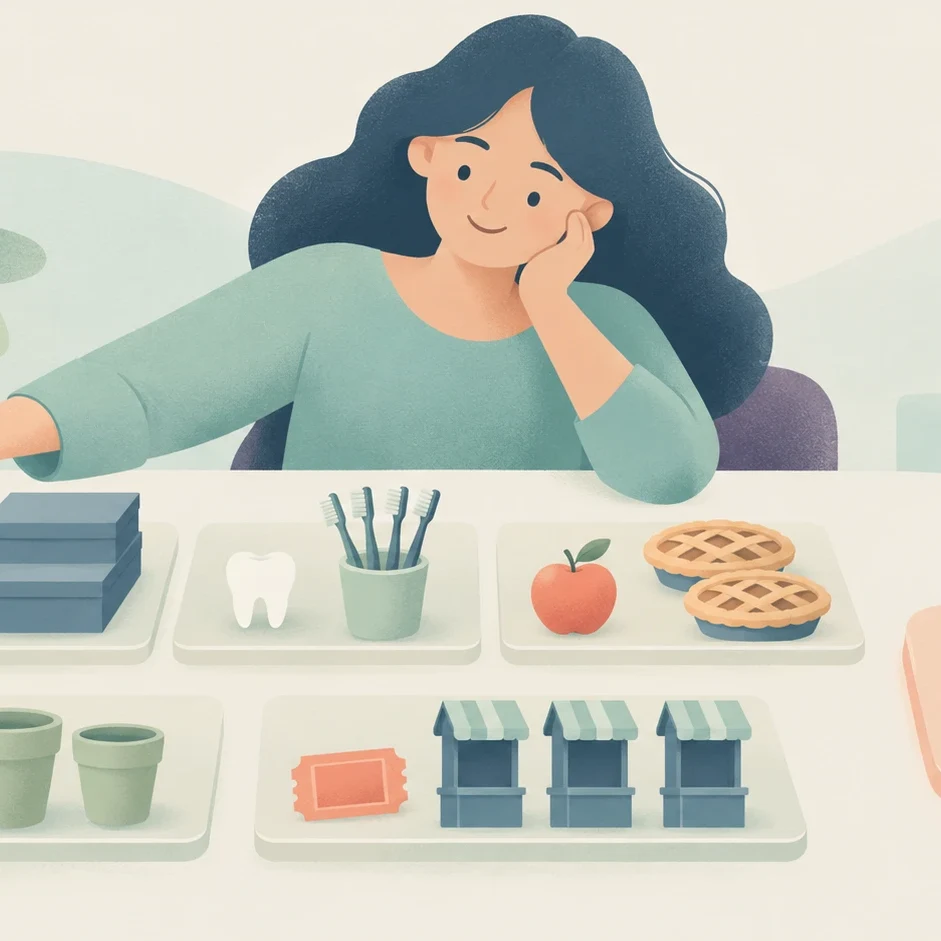
Nouns as adjectives: choose singular or plural
In English, a noun placed directly before another noun describes what kind of thing it is. In the phrase bus station, station is the place, and bus explains what kind of station it is. The first word gives extra information without needing a longer prepositional phrase like station for buses.
-

Keep your eyes peeled: meaning and everyday use
Keep your eyes peeled is an informal idiom that means watching with steady attention. It does not describe physical peeling. Instead, it creates an image of wide, open eyes ready to spot something important. You use it when you expect a target to appear, especially when finding that target requires active visual effort.
-

Whose or who's: choose the right word
Whose is a possessive word that identifies which person owns or is connected to something. Who's is a contraction representing either who is or who has. The apostrophe in who's marks the omitted letters from the auxiliary verbs is or has, rather than indicating ownership.
-

Common abbreviations: practical everyday usage
An abbreviation is a shortened representation of a word or phrase used to save space in writing and time in communication. While some abbreviations represent single words, others represent multiword expressions. Recognizing the letters alone does not indicate how to speak the form or what action the message requires.
-

A or an before an acronym: Spoken sound rules
An abbreviation represents a longer phrase or title. Some forms, called initialisms, are pronounced letter by letter, while others, called acronyms, are pronounced as ordinary words. In both cases, the indefinite article reflects the very first sound spoken in the phrase.
-
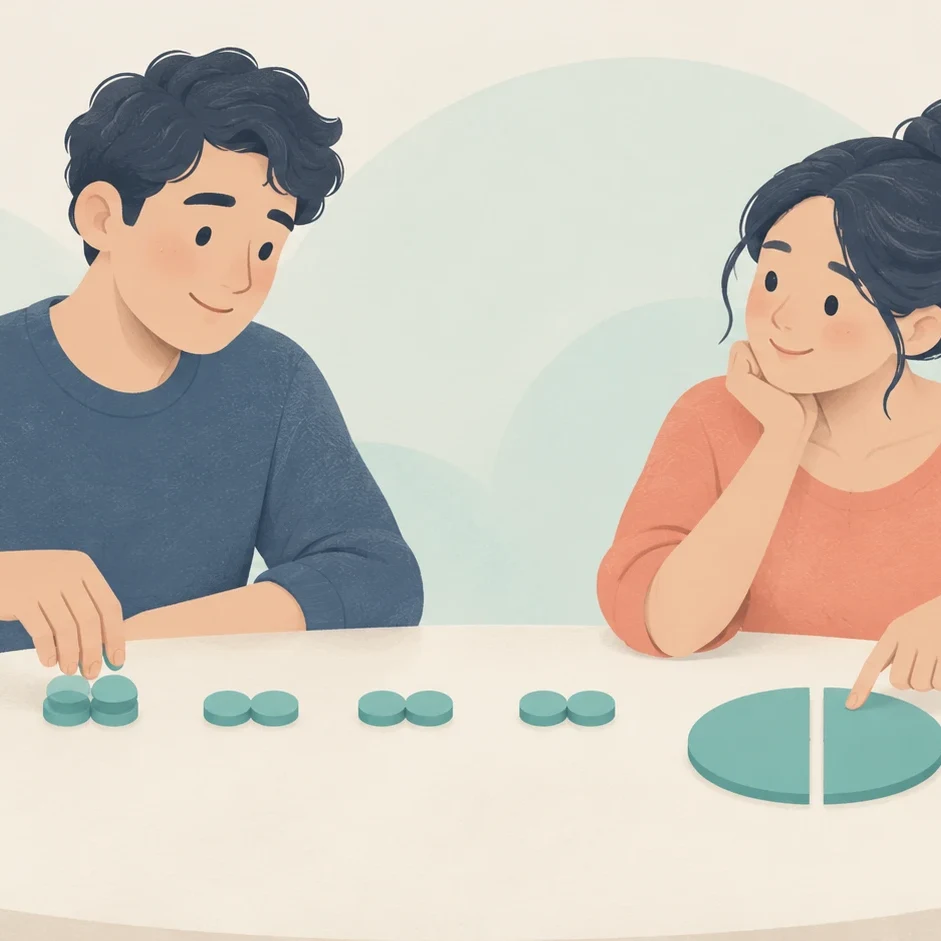
Semi- and bi-: Understand Schedule Words
Prefixes provide clues about meaning, but the complete word determines how the idea works in a sentence. Semi- describes a half or partial state, such as a semicircle or a semi-private room. Bi- indicates two items, such as two languages in bilingual or two sides in bilateral. Time words with bi- require extra care because usage can vary across organizations.
-

Head over heels: meaning and use
Head over heels means deeply, completely, and enthusiastically in love. It describes intense romantic attraction rather than everyday friendship or physical tumbling. The most common structures are be head over heels for someone to express a continuous state, and fall head over heels for someone to mark the moment strong love begins.
-

Insist on: use the right preposition
To insist means to say firmly that something is true or must happen. When you name the exact demand or required action, use insist on. The phrase signals that the speaker is not willing to drop the matter or accept a simple no.
-

Order of adjectives: describe nouns naturally
Adjectives add specific details to nouns. When you combine them, English groups adjectives by their communicative function. Opinion words such as wonderful or awkward come first. Physical descriptions such as size, age, shape, and color follow. Descriptions closest to the noun name origin, material, and purpose.
-

Ought to or must: advice or strict rules
Ought to means that an action is a sensible idea or that an event is probable under normal conditions. It shares a similar meaning with should, though it often sounds slightly more thoughtful. Must expresses a necessity that people cannot ignore, an official regulation, or a deduction where the evidence points to one clear fact. The context shows whether you are giving guidance, demanding action, or making a deduction.
¿No estás listo para una prueba? Recibe una lección gratis cada día
Un dictado corto en tu bandeja de entrada cada día durante 7 días. Practica donde estés, sin necesidad de cuenta.
¿No encuentras la frase o situación que necesitas?
Las solicitudes de lecciones requieren una membresía.
Ver membresía