Biblioteca de comprensión auditiva
Comprensión auditiva con Received Pronunciation
Encuentra lecciones de la colección original de Received Pronunciation. La etiqueta de acento junto a cada audio describe su grabación actual.

Speak English fluently: clear daily speaking steps
Empezar a escuchar
Speaking in class: how to stay calm
Empezar a escuchar
Spoken English exercises: everyday conversation practice
Empezar a escuchar
Stand out
A yellow umbrella stands out in a crowd because it is easy to see. An excellent application stands out because its quality is better. Both attract attention for different reasons.
Empezar a escuchar
Stationery or Stationary: How to Choose
Empezar a escuchar
Stative Verbs: Choosing the Correct Form
Empezar a escuchar
Stubborn: meaning, tone, and alternatives
Empezar a escuchar
Subordinating conjunctions: connect your ideas clearly
Empezar a escuchar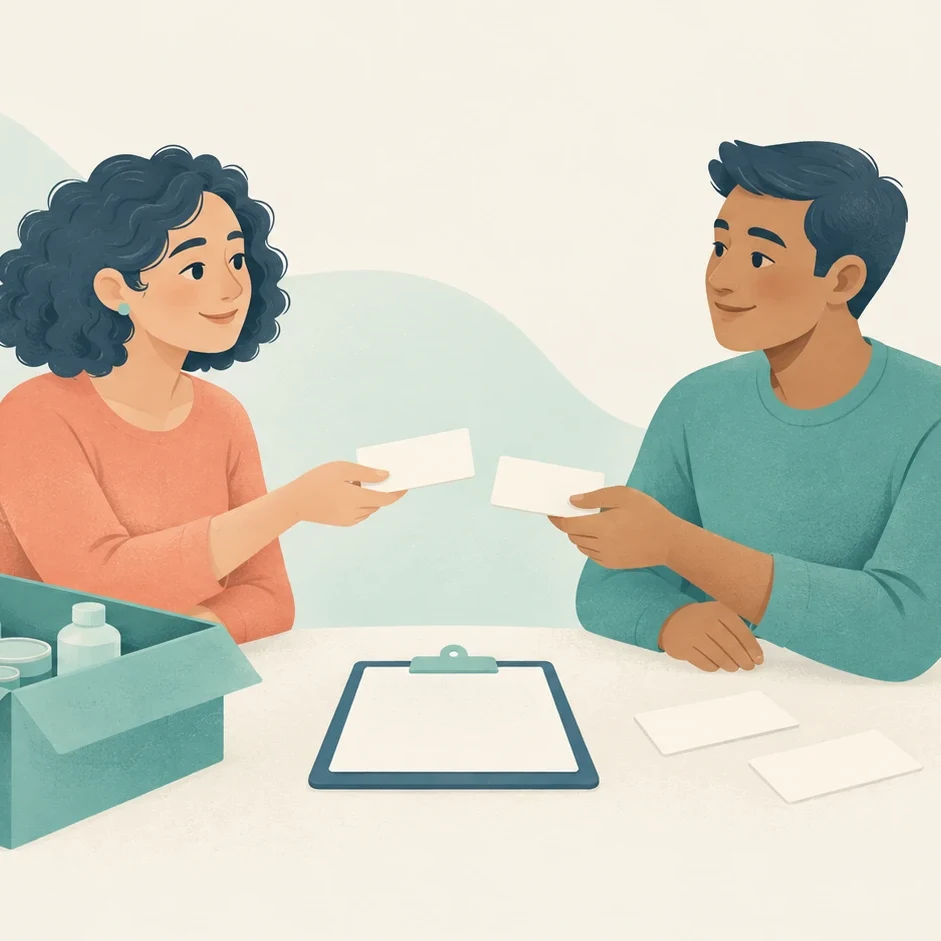
Swapping a volunteer shift
Two volunteers discuss three time slots before agreeing on one swap. Which times belong to the final arrangement?
Empezar a escuchar
Synonyms in Context: Choose the Best Word
Empezar a escuchar
Synonyms in English: Choose the Right Word
Empezar a escuchar
TOEFL Study Response: Explain What You Hear
Empezar a escuchar
Tag Questions: Confirm Everyday Information
Empezar a escuchar
Take after
You may have your father's smile but your grandmother's patience. When a family similarity comes from an older relative, you can say you take after that person.
Empezar a escuchar
Take it easy
Take it easy means to rest and avoid hard effort. It means to calm down and stop worrying. It also means goodbye between friends.
Empezar a escuchar
Take part in
You can watch a race from the side, or you can enter it and take part. The phrase means joining the activity, not simply being nearby.
Empezar a escuchar
Talk into
You may not plan to join a trip, but a friend's reasons can change your mind. If the conversation persuades you, your friend talks you into going.
Empezar a escuchar
Tell or Say: Choosing the Right Verb
Empezar a escuchar
There was or there were: how to choose
Empezar a escuchar
Third conditional: explanation and examples
You missed one train and arrived after the interview began. How do you imagine the version of yesterday that never happened?
Empezar a escuchar
Till or Until: Choose the Right Word
Empezar a escuchar
Took or have taken? Choose the form for your message
Empezar a escuchar
Train platform change
A station announcement contains a destination, an original time, a delay, and a new platform. Which details describe the train now?
Empezar a escuchar
Transferring a ticket
The ticket is transferable, but forwarding the email is not enough. What must the buyer change by five on Friday?
Empezar a escucharQué encontrarás aquí
Cómo te ayuda esta práctica
Esta es la colección original de Received Pronunciation. El nombre indica la agrupación histórica, no es una promesa sobre cada voz actual.
Revisa la etiqueta de acento en el reproductor. Toma cada grabación como la pronunciación de una sola persona, no como una regla de cómo debe sonar todo el mundo.