Biblioteca de comprensión auditiva
Comprensión auditiva con acento de Londres
Explora la colección original con acento de Londres. Las grabaciones actuales tienen sus propias etiquetas de acento; esta etiqueta del archivo no identifica a una voz nueva.

Speak English fluently: clear daily speaking steps
Empezar a escuchar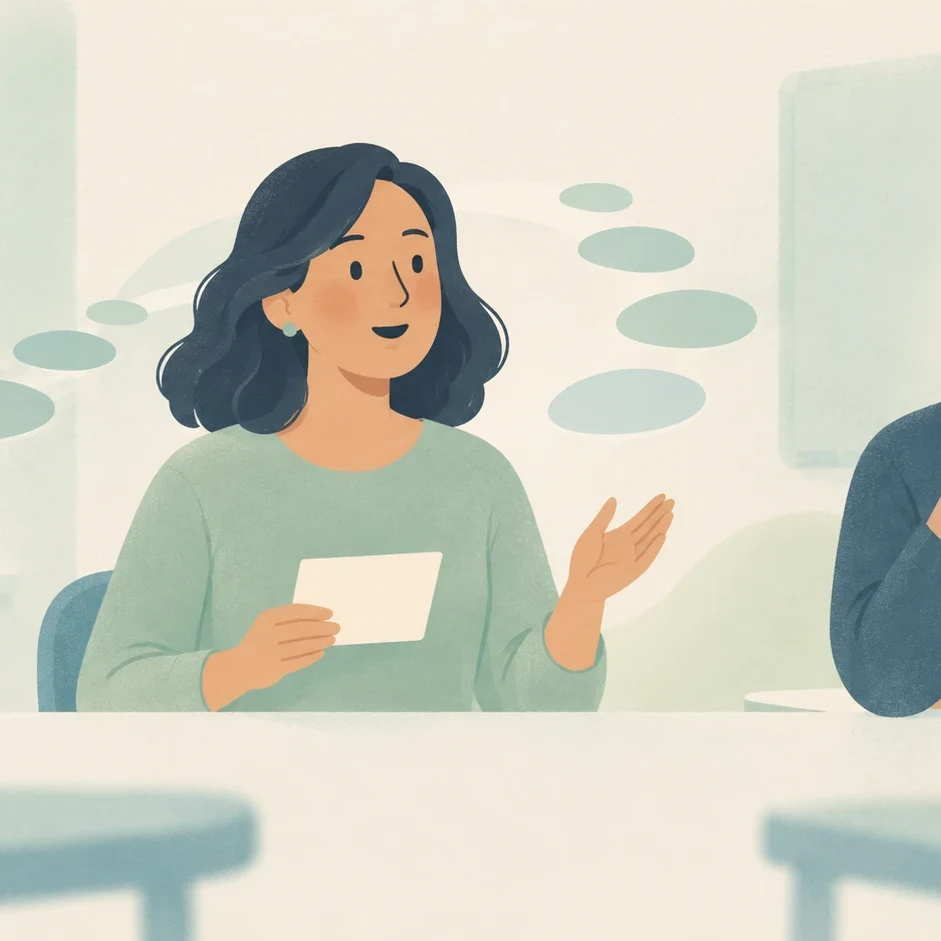
Speaking in class: how to stay calm
Empezar a escuchar
Spoken English exercises: everyday conversation practice
Empezar a escuchar
Stand out
A yellow umbrella stands out in a crowd because it is easy to see. An excellent application stands out because its quality is better. Both attract attention for different reasons.
Empezar a escuchar
Stationery or Stationary: How to Choose
Empezar a escuchar
Stative Verbs: Choosing the Correct Form
Empezar a escuchar
Stubborn: meaning, tone, and alternatives
Empezar a escuchar
Subordinating conjunctions: connect your ideas clearly
Empezar a escuchar
Swapping a volunteer shift
Two volunteers discuss three time slots before agreeing on one swap. Which times belong to the final arrangement?
Empezar a escuchar
Synonyms in Context: Choose the Best Word
Empezar a escuchar
Synonyms in English: Choose the Right Word
Empezar a escuchar
TOEFL Study Response: Explain What You Hear
Empezar a escuchar
Tag Questions: Confirm Everyday Information
Empezar a escuchar
Take after
You may have your father's smile but your grandmother's patience. When a family similarity comes from an older relative, you can say you take after that person.
Empezar a escuchar
Take it easy
Take it easy means to rest and avoid hard effort. It means to calm down and stop worrying. It also means goodbye between friends.
Empezar a escuchar
Take part in
You can watch a race from the side, or you can enter it and take part. The phrase means joining the activity, not simply being nearby.
Empezar a escuchar
Talk into
You may not plan to join a trip, but a friend's reasons can change your mind. If the conversation persuades you, your friend talks you into going.
Empezar a escuchar
Tell or Say: Choosing the Right Verb
Empezar a escuchar
There was or there were: how to choose
Empezar a escuchar
Third conditional: explanation and examples
You missed one train and arrived after the interview began. How do you imagine the version of yesterday that never happened?
Empezar a escuchar
Till or Until: Choose the Right Word
Empezar a escuchar
Took or have taken? Choose the form for your message
Empezar a escuchar
Train platform change
A station announcement contains a destination, an original time, a delay, and a new platform. Which details describe the train now?
Empezar a escuchar
Transferring a ticket
The ticket is transferable, but forwarding the email is not enough. What must the buyer change by five on Friday?
Empezar a escucharQué encontrarás aquí
Cómo te ayuda esta práctica
Esta colección conserva la agrupación original de acento de Londres. Las grabaciones actuales pueden tener otras voces; revisa la etiqueta de cada audio.
Si una voz te resulta desconocida, vuelve a escuchar un fragmento corto y compáralo con la transcripción antes de escuchar todo el audio otra vez.