Distinguer les mots à l’oral
Écoutez une fois sans écrire. À la deuxième écoute, repérez où un mot finit et où le suivant commence. Reprenez la phrase entière pour vérifier.
Leçons 397 à 414 sur 573
-

Keep out of
Keep out of means staying outside a physical boundary or refusing to participate in a disagreement, problem, or private situation. Adding a person or thing after keep expresses preventing someone or something else from entering.
-
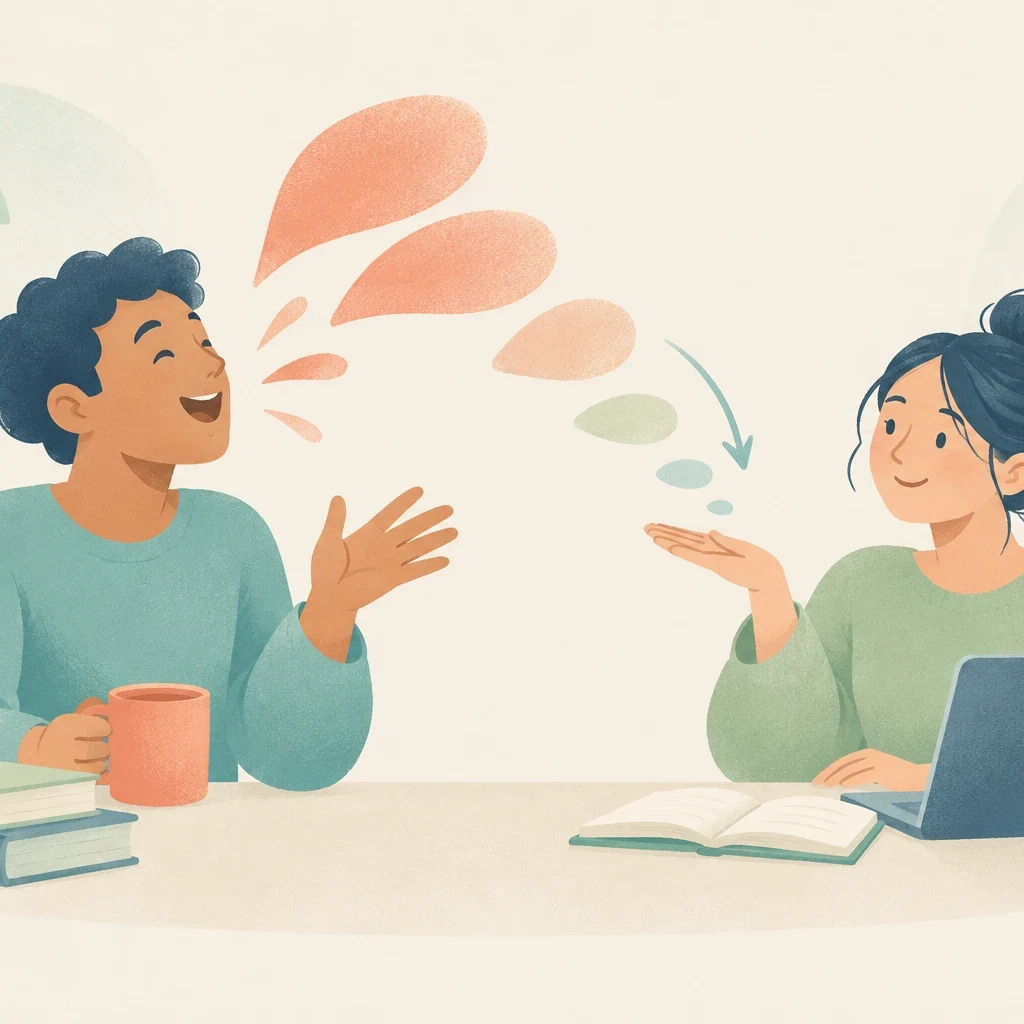
Keep it down
Keep it down means to speak more softly or make less noise. It asks people to lower their general sound level while continuing what they are doing.
-

Hold up
The two main meanings of hold up depend on how the sentence works. When something holds up a person, event, or task, it causes a delay. When an object, material, or argument holds up, it stays strong, remains reliable, or continues to seem true under pressure.
-

Head back
Head back means go towards a place you have already been. You can say it when you leave to return or while you are travelling there. It does not tell us that you have arrived.
-
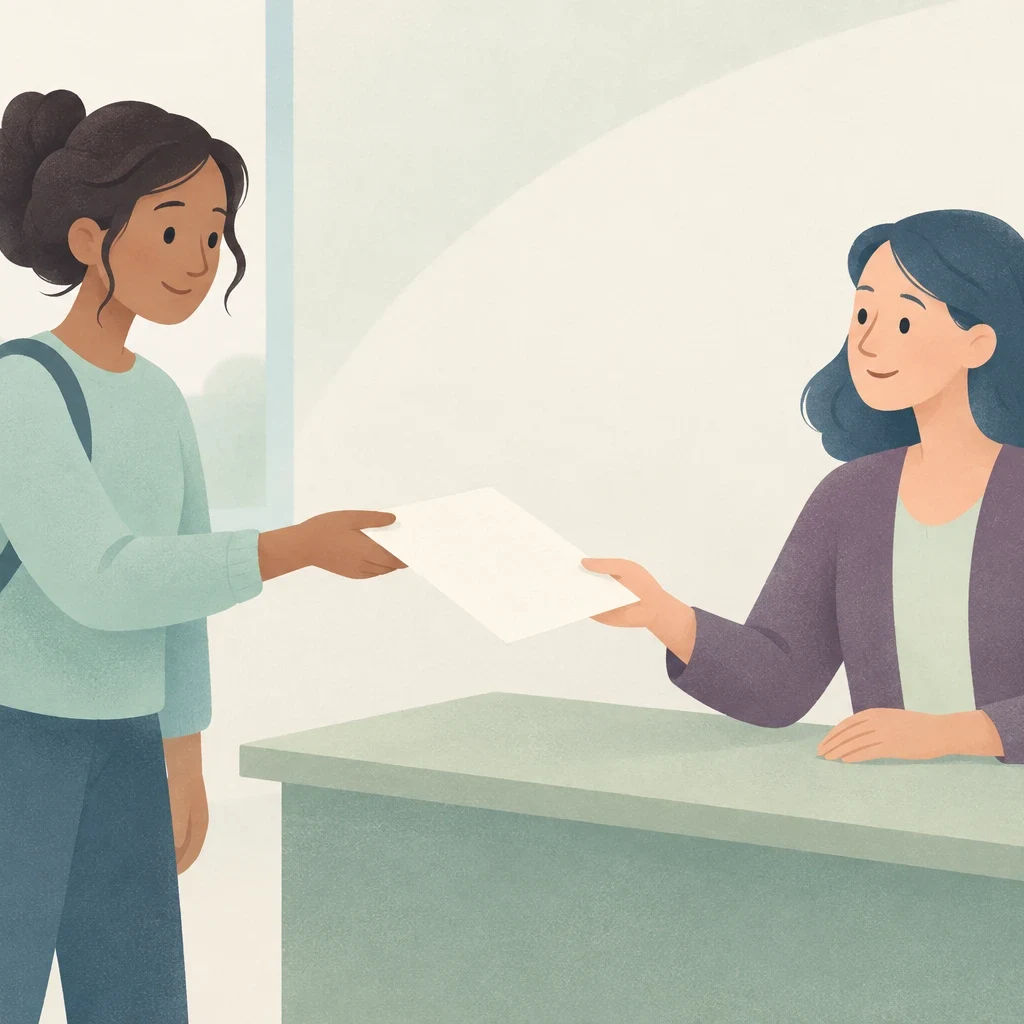
Hand in
Hand in means to deliver an official document, assignment, key, or notice to a person in authority or a designated desk.
-

Grow apart
To grow apart means to become gradually less close in a relationship over time. It describes a slow drift in emotional connection, usually because interests, schedules, or locations have changed.
-
Abonnement
Accédez à toutes les leçons gratuitement pendant 7 jours
- 573 leçons avec dictées et tests d’écoute
- Trois accents : britannique, américain et australien
- De nouvelles leçons chaque jour et votre progression enregistrée
Aucune carte requise. Ensuite, à partir de $7.50 par mois si vous souhaitez continuer.
Commencer l’essai gratuit -
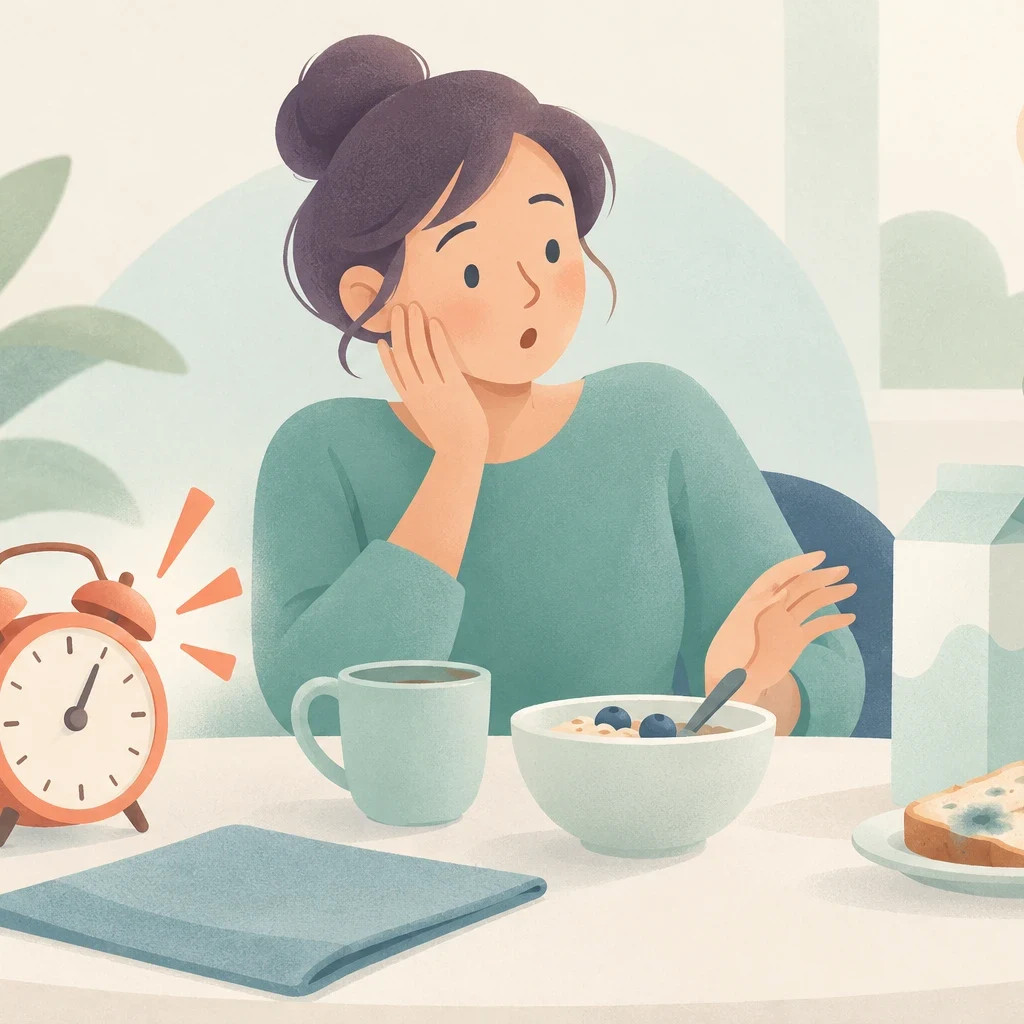
Go off
Go off expresses different actions depending on its subject. With an alarm, timer, or telephone, it means to activate and sound an alert. With a firework or explosive device, it means to burst or explode. With lights or electric utility power, it means to stop shining or supplying current. With food or beverage, it means to spoil and become unsafe to consume. When a person is the subject followed by an object, it means to stop liking or enjoying something.
-

Go down
Go down expresses several distinct changes depending on its subject: an amount or level becomes smaller, a digital service stops functioning, the sun sets below the horizon, an idea receives a positive or negative reaction, or an event becomes remembered in history.
-

Give away
Give away means to hand over a possession without asking for money, to tell someone private information or a surprise, or to expose something hidden through an unexpected clue.
-

Get together
Get together means meeting and spending time with other people, usually socially and often by arrangement. Informally, when used about two people with explicit relationship clues, it can also mean beginning a romantic partnership.
-
 Vidéo · 4 min
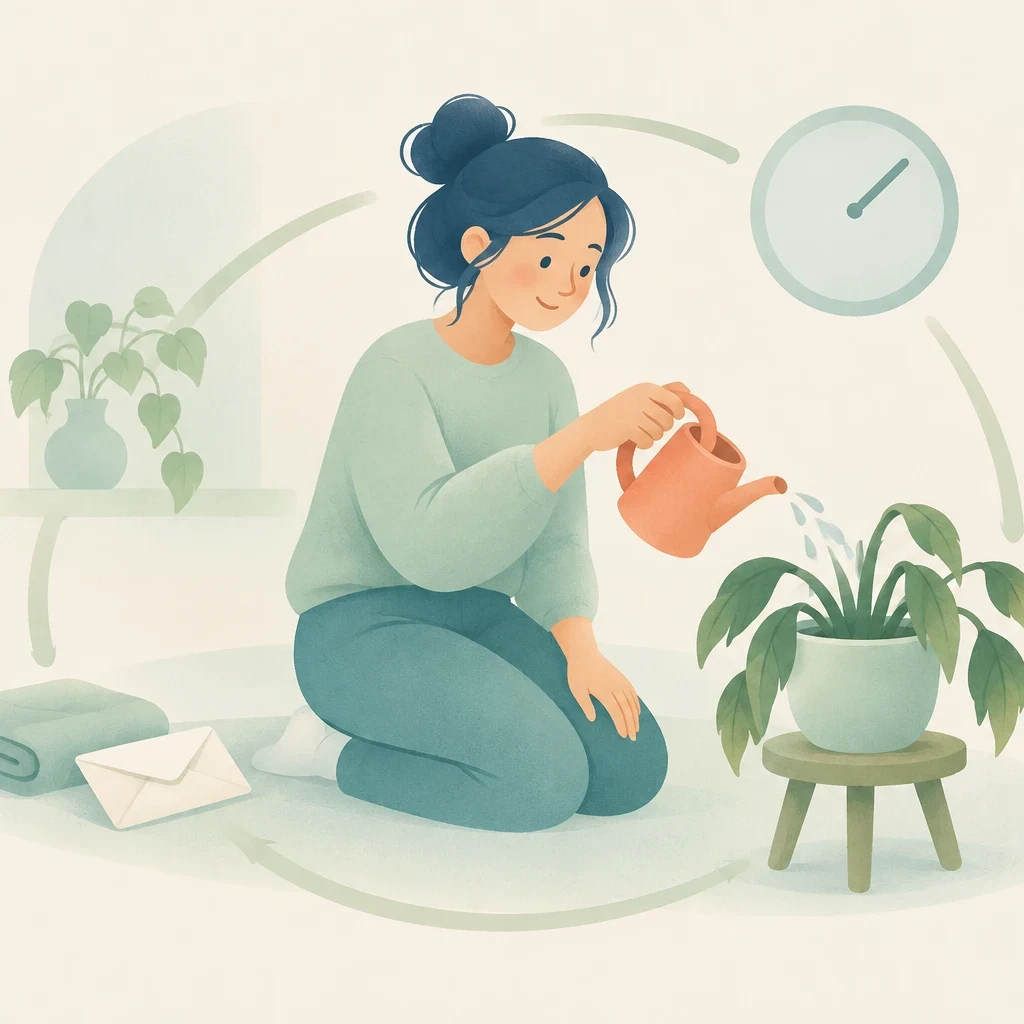
 Get round to
Get round to means reaching the point of doing an action you intended to do earlier, usually after a delay or a busy period. It focuses on finding the time or opportunity to begin the action, rather than physical movement or completing the whole job at once.
-
 Vidéo · 8 min
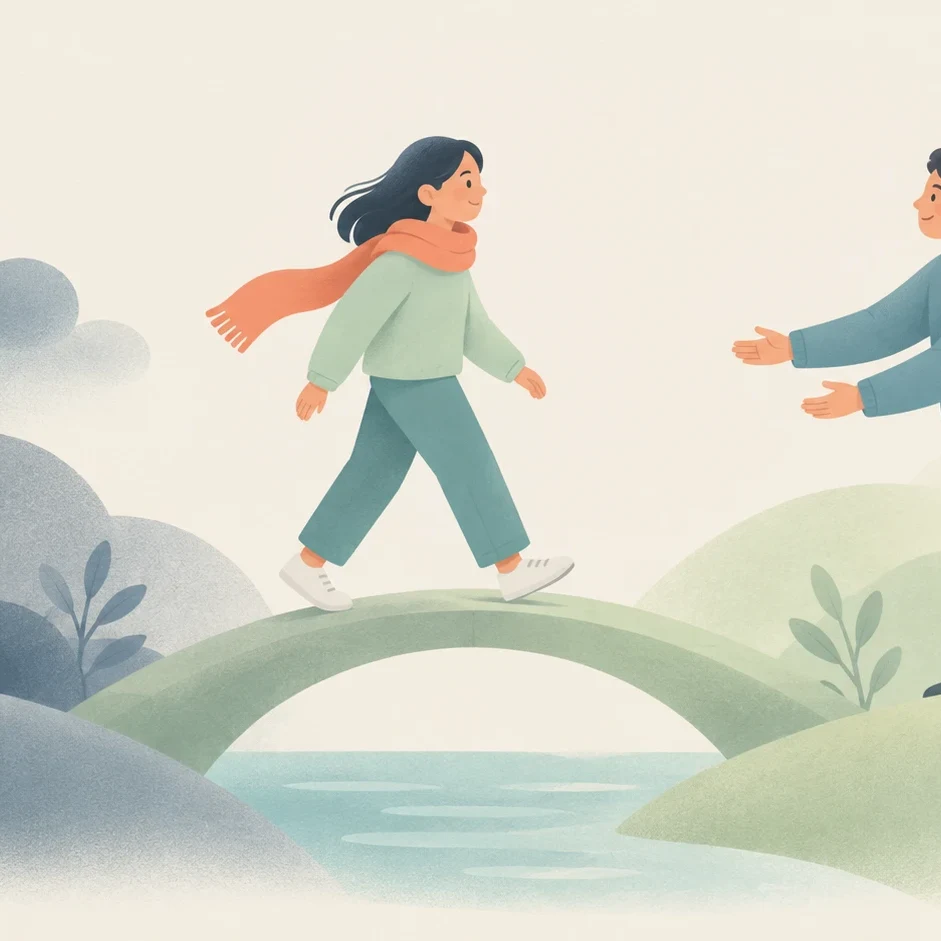
 Get over
Get over means recover: become well or feel better again after an illness or an upsetting experience.
-
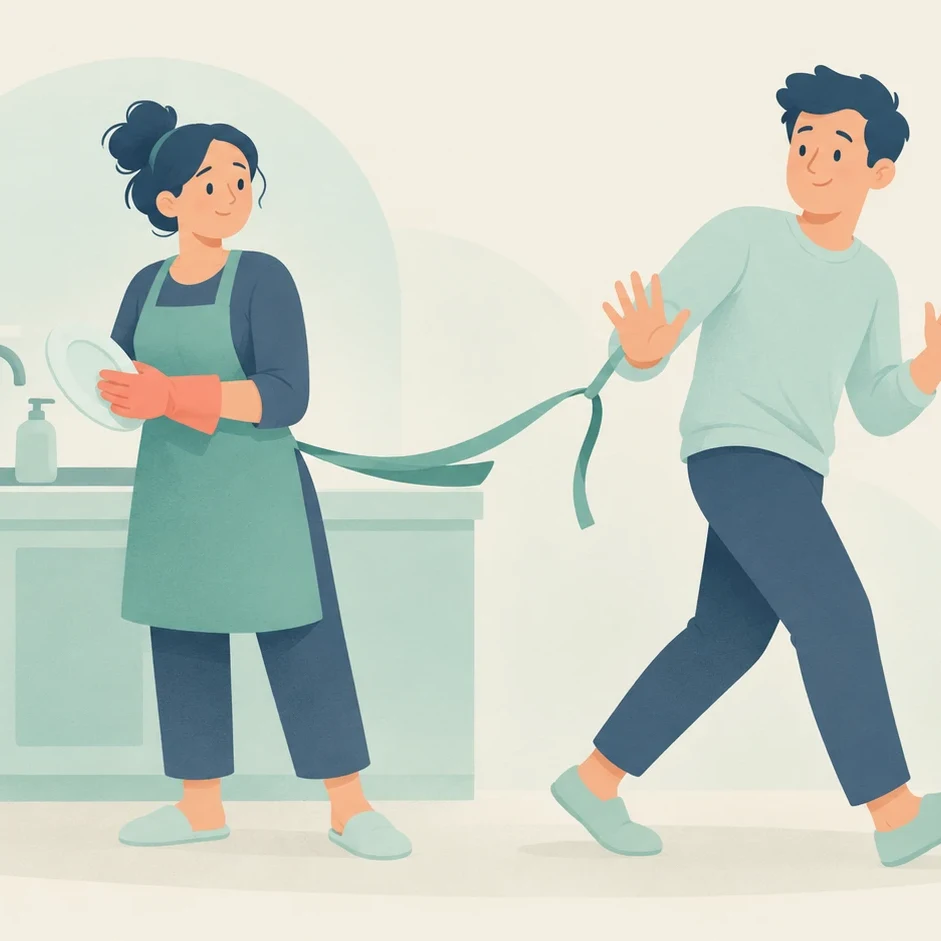
Get out of something
To get out of something means to avoid an expected obligation, duty, or task so that you do not have to do it. When expanded to 'get out of the habit of doing something', it means to stop a repeated behavior or regular routine over time.
-
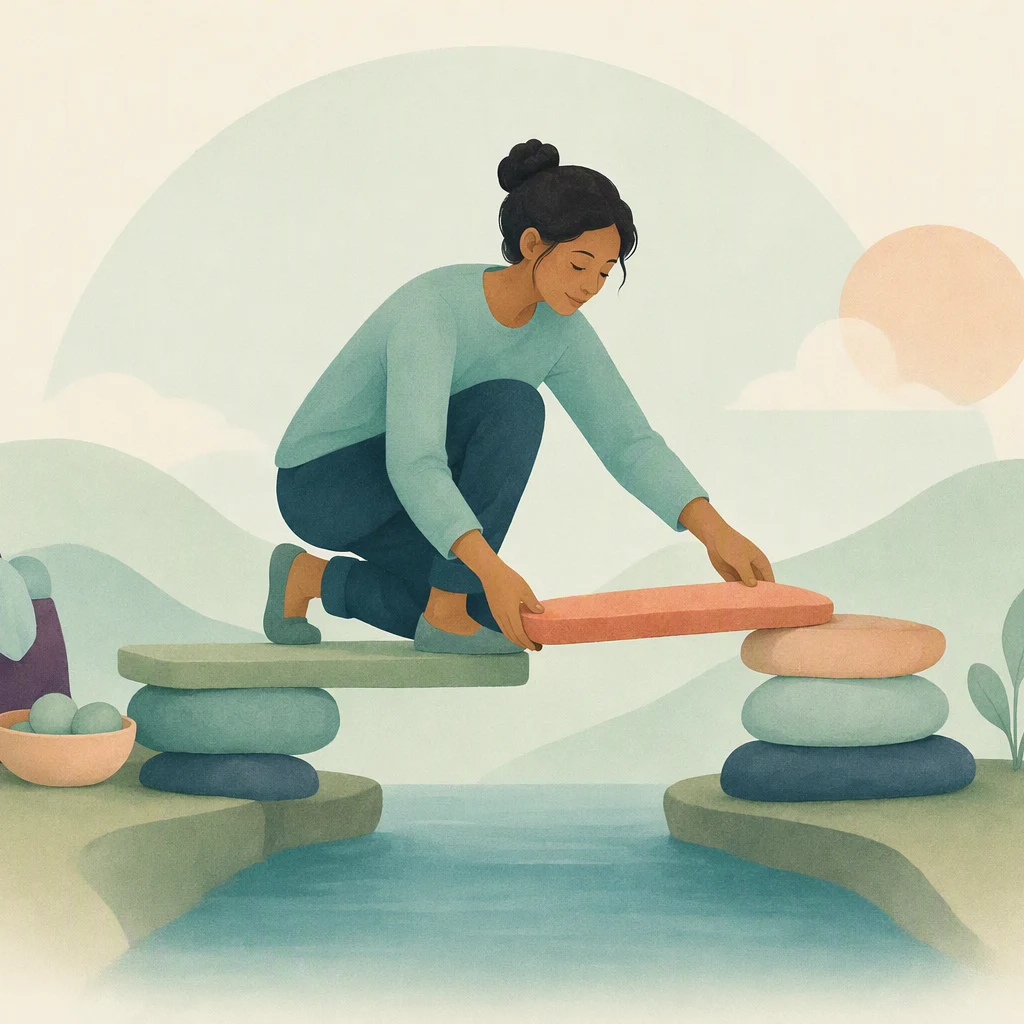
Get by
Get by means to survive, manage, or continue functioning in a difficult situation despite having only just enough money, equipment, time, or specialized skill.
-
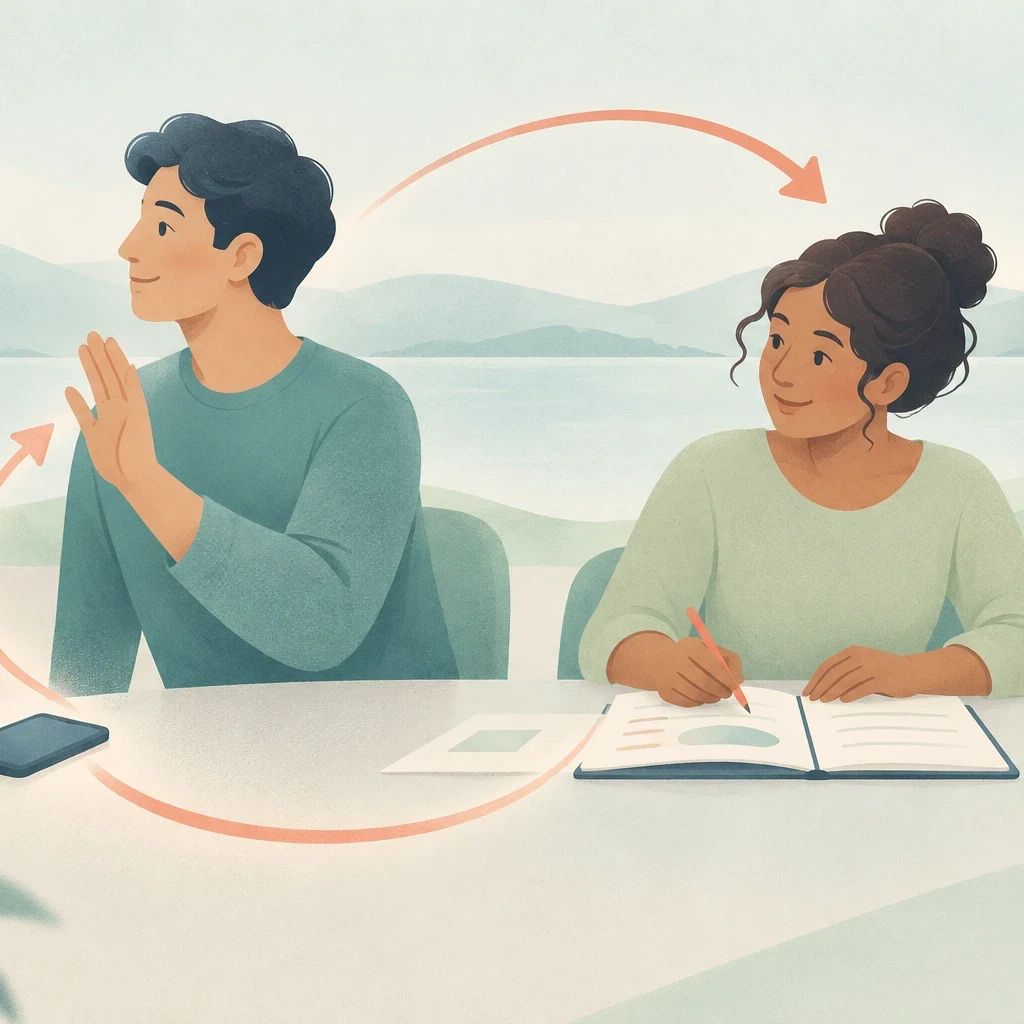
Get back to
Get back to means either to reply to someone at a later time with information, or to return to an activity, discussion, or task after an interruption.
-
Get away with
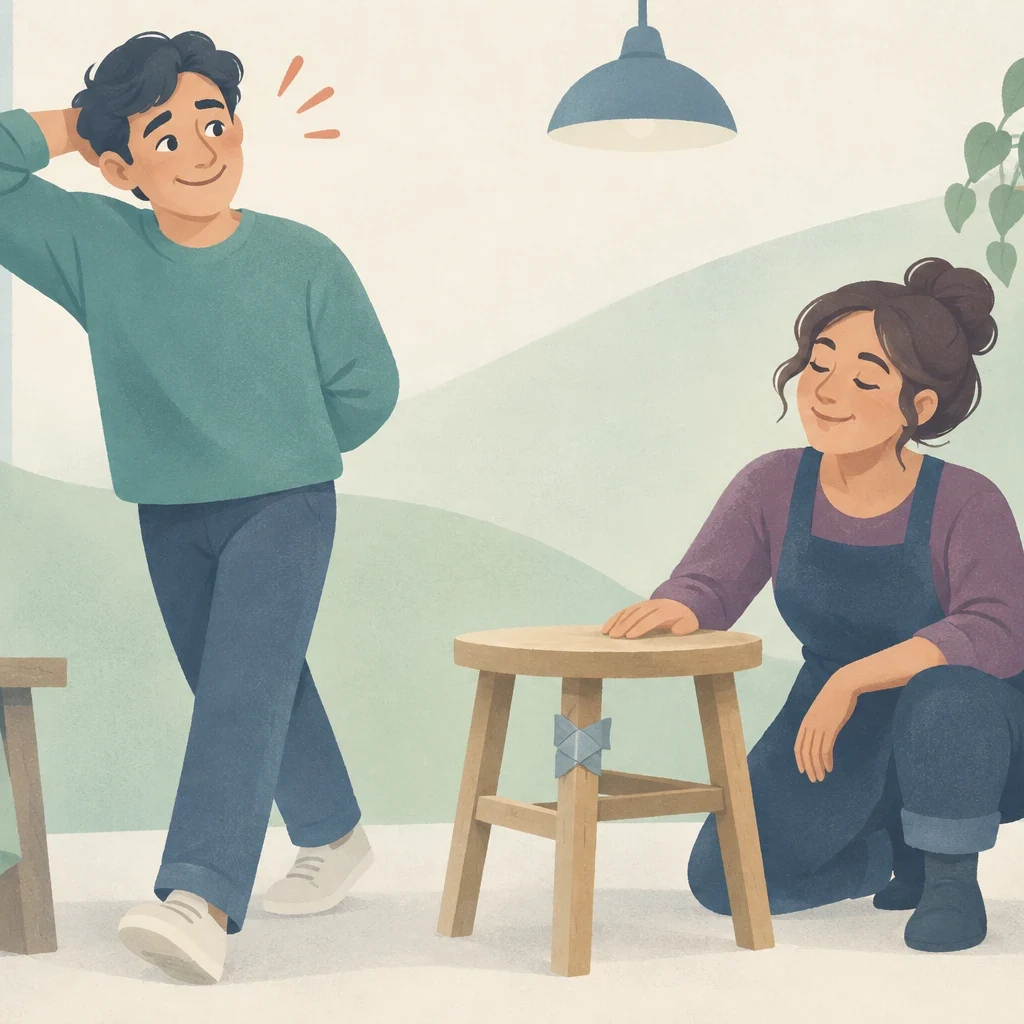
The phrasal verb 'get away with' has two distinct uses in daily English. In the first use, someone acts unfairly, breaks a rule, or makes a serious mistake, yet escapes blame, criticism, or punishment. In the second use, a speaker selects a smaller, cheaper, or less complete solution that still meets the minimum need. This second meaning involves no wrongdoing; it simply describes a practical compromise that functions well enough.
-

Fill out
Fill out primarily means to enter requested details into the blank spaces of a paper document or digital form. A secondary meaning describes a person's face or body becoming fuller, rounder, or more mature over time.
-
Face up to something
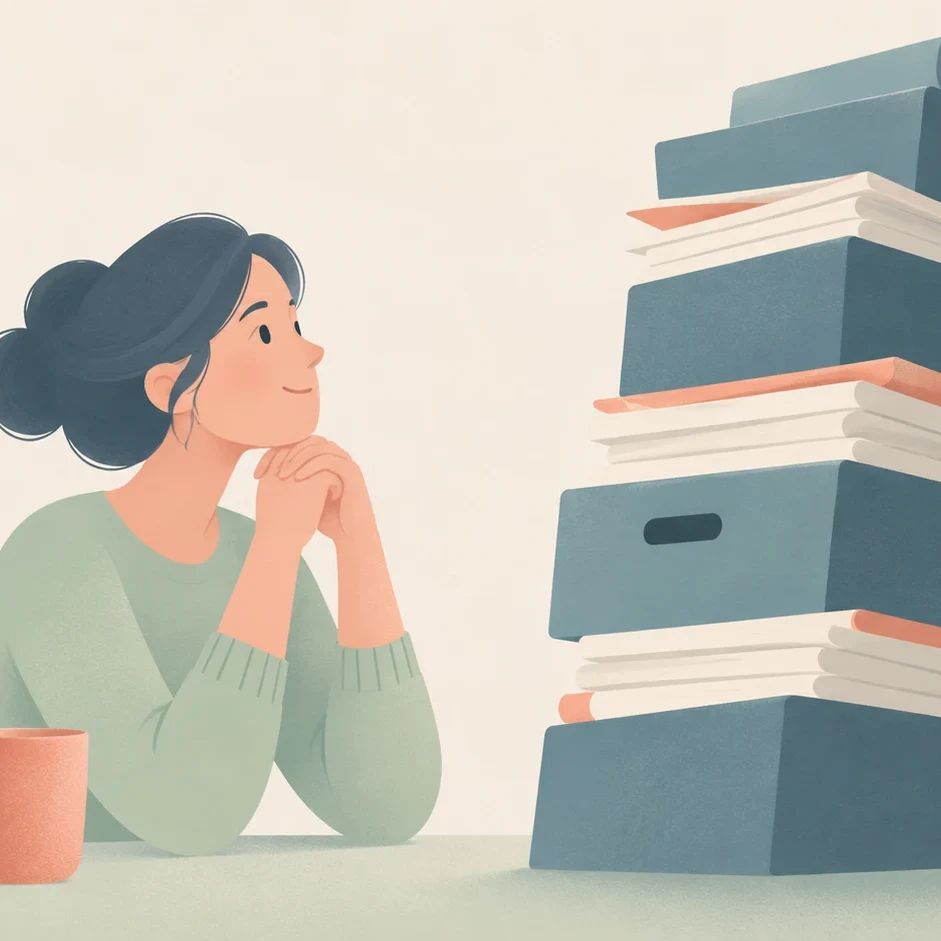
Face up to means to accept an unpleasant fact, problem, or responsibility honestly. The person may still dislike the situation or feel unsure about what to do next.
Vous hésitez à commencer l’essai ? Recevez une leçon gratuite chaque jour
Une courte dictée par e-mail chaque jour pendant 7 jours. Entraînez-vous où vous êtes, sans compte.
Vous ne trouvez pas l’expression ou la situation à travailler ?
Les demandes de leçon sont comprises dans l’abonnement.
Voir les abonnements