단어 경계 듣기
타이핑하지 말고 한 번 들어 보세요. 두 번째 들을 때는 한 단어가 어디서 끝나고 다음 단어가 어디서 시작하는지 결정하세요. 전체 구절을 다시 재생하여 확인하세요.
559–571 / 571개 수업
-
 영상 · 7분
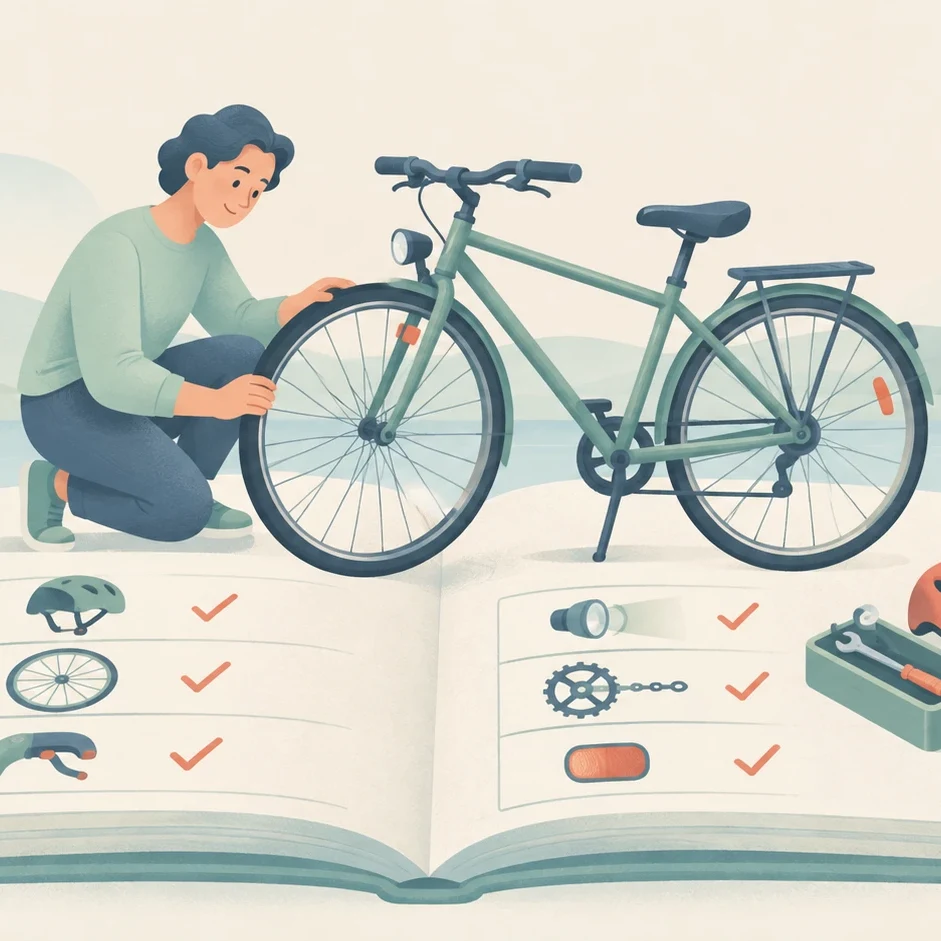
 By the book
Following established rules, laws, or standard operating procedures strictly without taking shortcuts or making personal exceptions.
-
 영상 · 8분
 Breathing down my neck
Breathe down someone's neck means to watch, monitor, or pursue someone so closely that they feel hurried, anxious, or uncomfortable. The pressure can come from an overbearing supervisor, an impatient coworker, an approaching deadline, or a close competitor.
-
 영상 · 7분
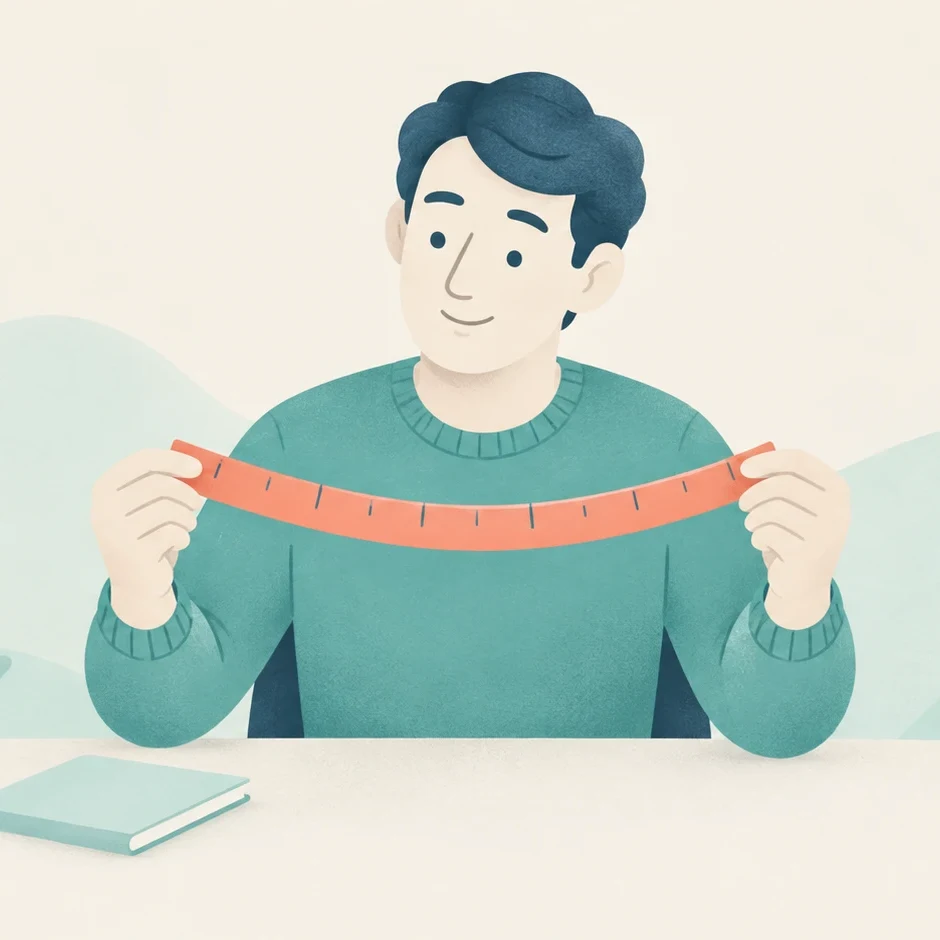
 Bend the rules
To bend the rules means to relax or soften an established guideline for someone in a specific situation rather than enforcing it strictly. The speaker frames the action as a minor, flexible adjustment rather than a total breakdown of order, though other observers might still view the concession as unfair.
-
 영상 · 8분
 -
 영상 · 7분
 At first glance
'At first glance' means when first looking at or considering something, before having the opportunity to examine it carefully. It signals that an opinion is preliminary and subject to change.
-
 영상 · 8분
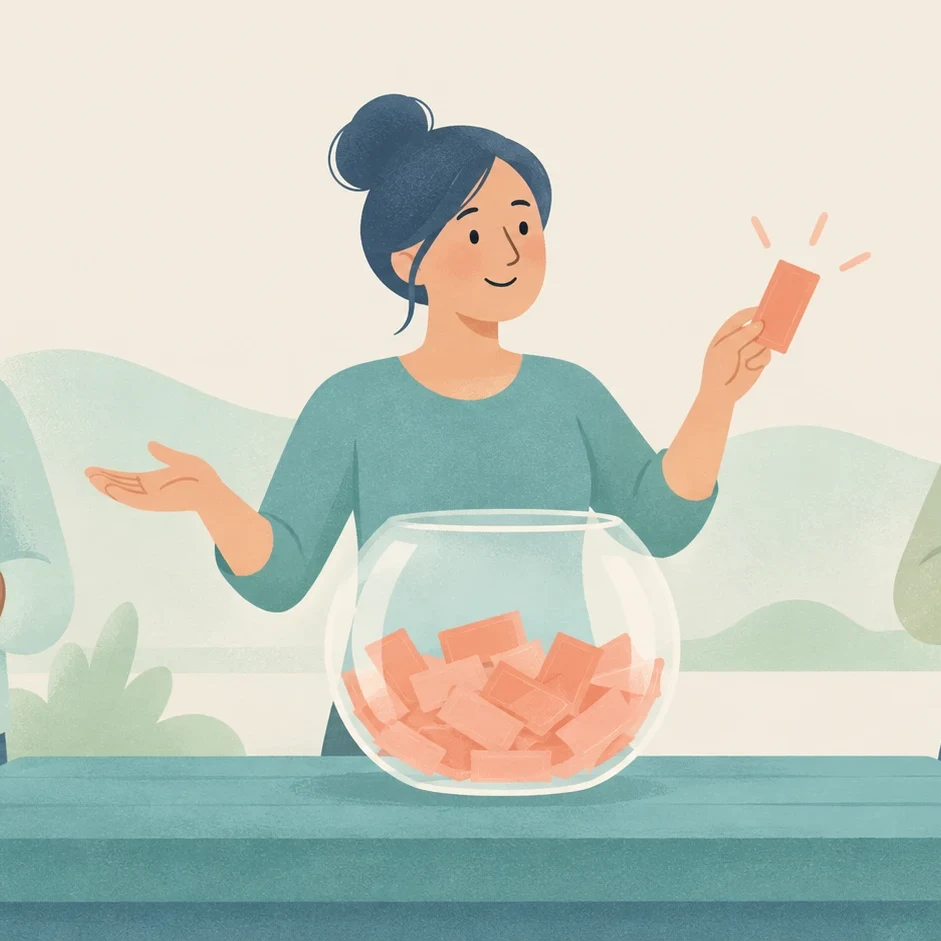
 Above board
Above board means that an activity, transaction, or agreement is completely honest, legal, and open. Nothing is concealed, and no one is taking an unfair advantage.
-
멤버십
모든 수업을 7일 동안 무료로 이용하세요.
- 받아쓰기와 듣기 테스트가 포함된 571개 수업
- 각 수업에 제공되는 발음 선택
- 매일 새로운 수업, 진도 자동 저장
카드 없이 이용할 수 있어요. 계속 이용하고 싶다면 월 $7.50부터.
무료 체험 시작 -
 영상 · 9분
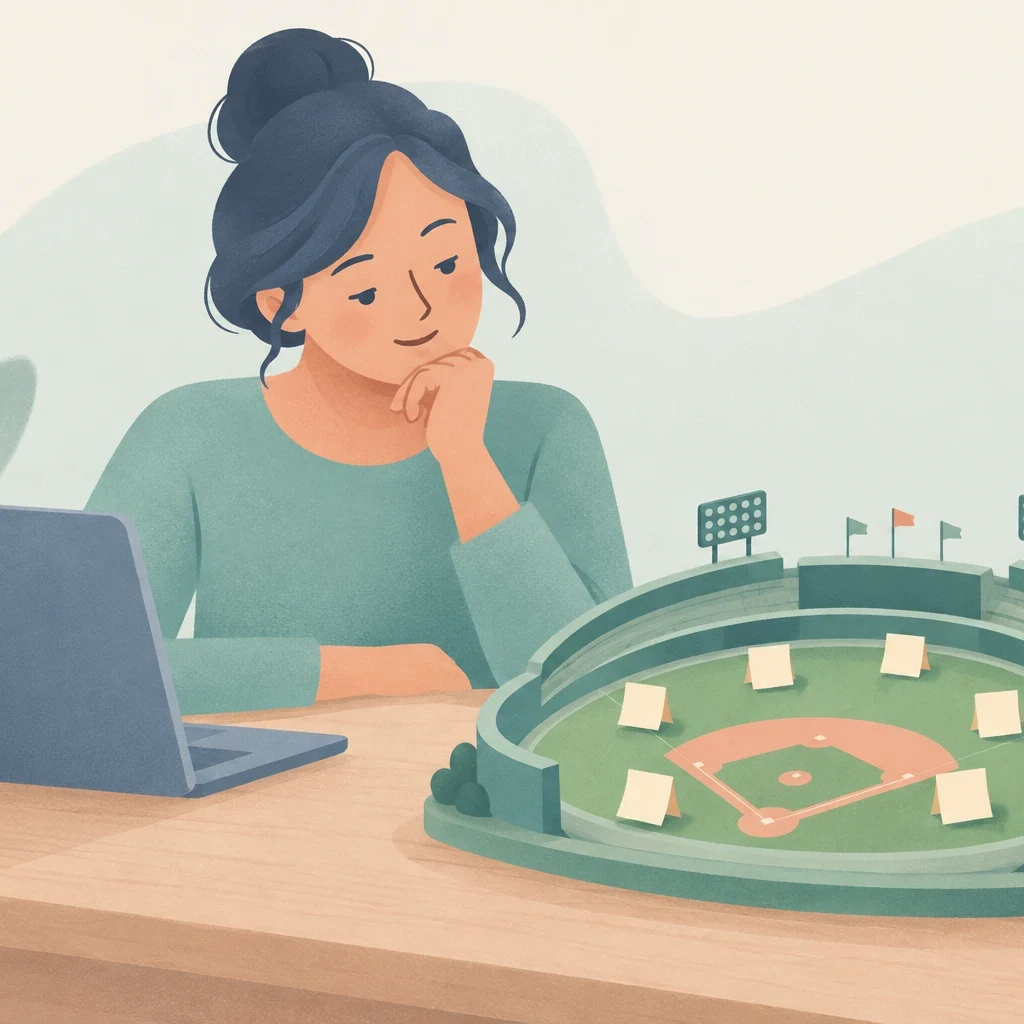
 A ballpark guess
A ballpark guess is a rough numerical estimate that gives people a practical working number when exact details are not yet known.
-
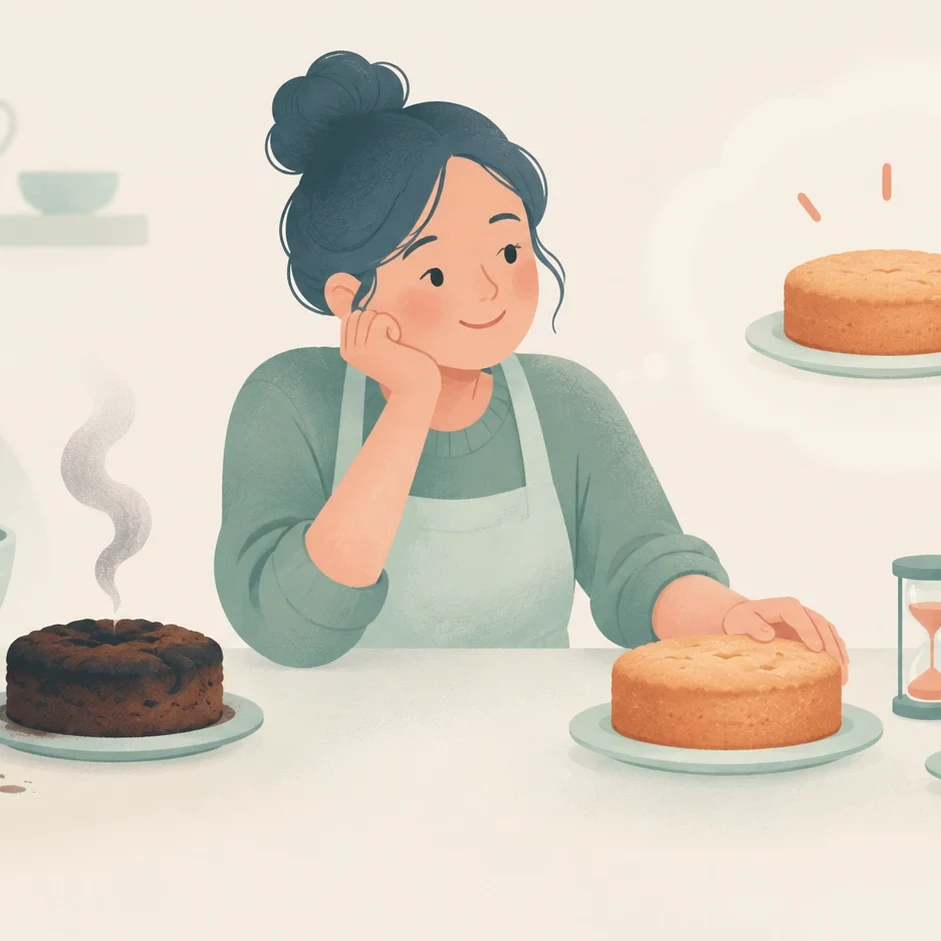
Third conditional: explanation and examples
The third conditional looks back at completed past events and imagines how changing one condition would have produced a different outcome. Both the condition and the result refer entirely to the past, describing an imaginary version of events that never actually took place.
-

Mixed conditionals
A mixed conditional combines a condition and a result that belong to different time periods. In everyday English, speakers most often use it to connect a finished past action with a present state, or an ongoing general truth with a past event.
-

Gerunds and infinitives with stop, try, remember and need
Some English verbs can be followed by either an -ing form or a to-infinitive, but the choice creates two completely different meanings. With stop, the -ing form ends an activity, while the to-infinitive states a purpose for pausing. With try, the -ing form tests a possible solution, while the to-infinitive focuses on making an effort at a difficult task. With remember, the -ing form recalls a past experience, while the to-infinitive focuses on completing a necessary chore. With need, the to-infinitive indicates that the subject performs an action, while the -ing form expresses a passive meaning showing what requires maintenance.
-

Future predictions
Predictions describe expected future events rather than certain facts. English uses will to share personal beliefs, expectations, and opinions without direct proof. It uses be going to when observable clues, trends, or current information show an outcome already in progress. When an outcome is merely possible, speakers choose might, may, or could.
-
 영상 · 8분
 Future plans
Future expressions in English do not simply state that an event happens later. They reveal how the speaker views the plan: as a spontaneous reaction at the moment of speech, a personal intention decided previously, or a confirmed arrangement coordinated with others.
-

Conditionals
A conditional sentence connects a condition with a result. English uses distinct verb combinations to show how the speaker views the relationship between these two clauses: as a universal constant, an actionable future possibility, an imagined present alternative, or a missed past opportunity.
체험이 아직인가요? 매일 무료 수업을 받아 보세요.
매일 짧은 받아쓰기 수업을 7일 동안 이메일로 보내 드려요. 계정 없이 어디서든 연습할 수 있어요.
필요한 구문이나 상황을 찾을 수 없나요?
수업 요청은 멤버십에 포함됩니다.
멤버십 보기